



Defying Gravity, Wicked (Lektion)
Andrew Johnson führt dich durch dieses Rockschool-Grade-6-Klavierarrangement von „Defying Gravity“ aus dem Musical Wicked in der Tonart Des-Dur mit fünf Vorzeichen.

Das steckt im Kurs
28 Lektionen (2h 28m) · 1 gratis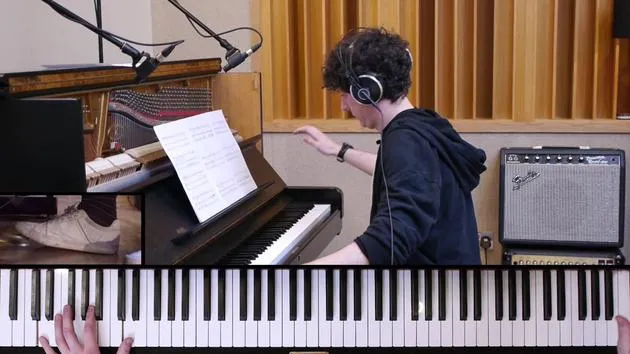
01. Peel Me A Grape, Diana Krall (Aufführung)
Gratis-Lektion6:26
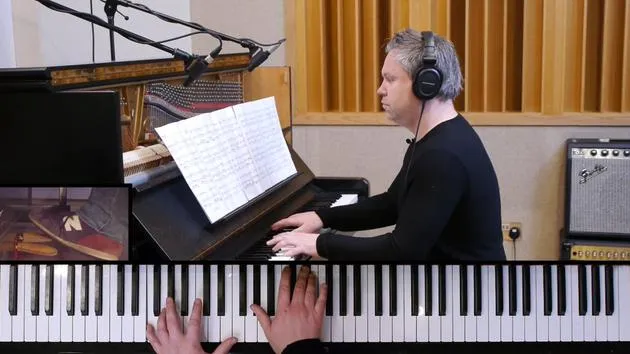
02. Defying Gravity, Wicked (Performance)
2:30
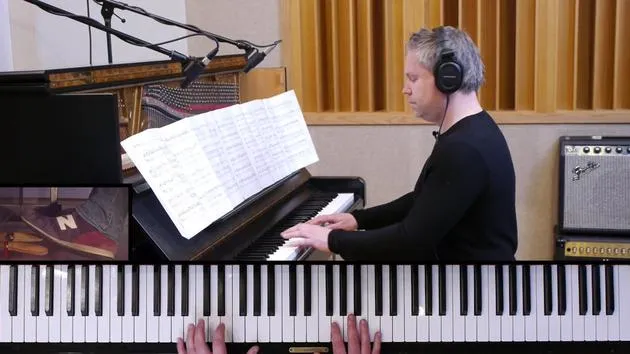
03. The Way It Is, Bruce Hornsby (Darbietung)
5:12
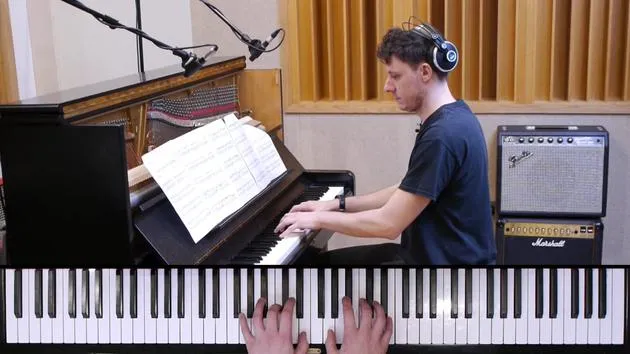
04. Favela, Noam Lederman (Aufführung)
2:45
05. Mohair Mountain, Joe Bennett & Kung Fu Drummer (Interpretation)
3:03
06. Blue Espresso, Deirdre Cartwright (Performance)
2:38

01. Peel Me A Grape, Diana Krall (Lektion)
10:30
02. Defying Gravity, Wicked (Lektion)
Du bist hier11:48
03. The Way It Is, Bruce Hornsby (Lektion)
9:48

04. Favela, Noam Lederman (Lektion)
13:23
05. Mohair Mountain, Joe Bennett & Kung Fu Drummer (Lektion)
13:04
06. Blue Espresso, Deirdre Cartwright (Lektion)
11:43


Transkript der Lektion
Defying Gravity: Piano Lesson
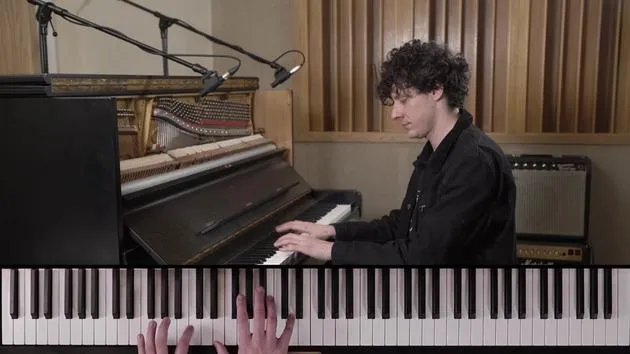
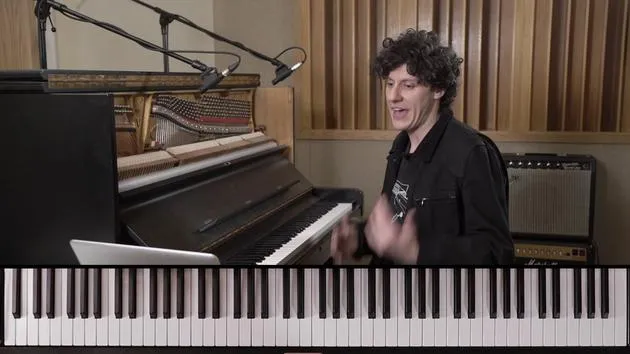
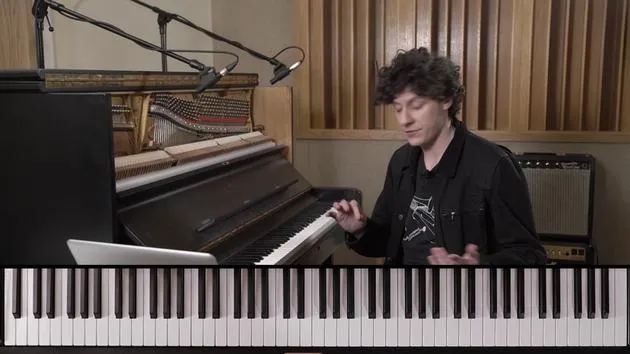
Hi, everyone. Welcome to the lesson on Defying Gravity, an absolutely fantastic song from the brilliant musical called Wicked. I'm sure many of you have seen it sung by a fantastic singer. This is a piano version for Rock School grade six.
Let's start by looking at some of the technical aspects of this piece. If you are learning it, I hope you are, it's a fantastic arrangement!
Unique Aspects of the Piece
What makes this piece quite unique is that you will be playing the melody pretty much throughout the whole song, whereas some pieces tend to have more of an accompaniment figuration.
Key Signature Challenges
- The most obvious challenge is the key.
- The arrangement is in D flat major, which has five flats, so you may not be used to dealing with all those black notes.
This will be a great piece for you to get into playing. It's an amazing key, many famous classical romantic works are in D flat major. Chopin loved that key, and so did Rachmaninoff. Therefore, it's nice to dive into that key for its expressive qualities.
"Don't forget, all the G's are going to be flattened."
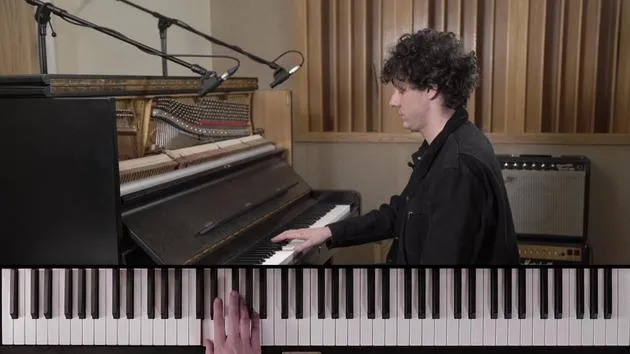
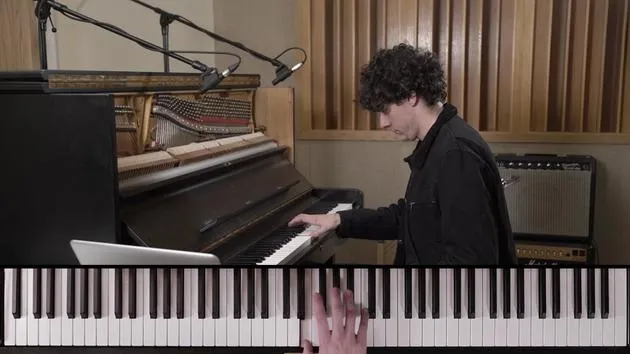
A lot of people struggle when transitioning from two to three flats into five flats, so remember that it means G flat. The first note you have in the right hand is G flat.
Emphasizing the Melody
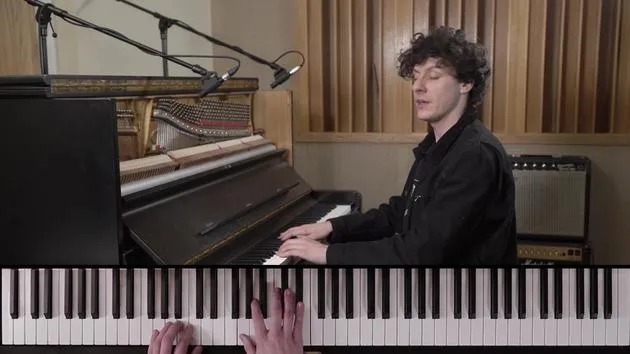
We want to bring out the melody. The left hand is off the beat most of the time, so try to emphasize the top note using that little finger, and keep the left hand really light. For example:
"That's the melody line. Think about the lyrical aspect of that: 'Something has changed within me.'"
So, you are basically playing the melody with your right hand, while also holding a tricky left F as a harmonic note. Throughout this piece, you'll need to mix harmonic notes and use the pedal.
Practicing Left-Hand Arpeggios
For the left hand, you'll need to practice D flat major arpeggios.
- Start with getting used to playing all on the black notes.
- It might be a challenge at first, but just slow it down.
"All it is is an arpeggio, and we've got a C flat here, which is going into the six-flat realm."
Exploring the Structure
Now, moving on with the piece:
Let's take a look at Bar 9.
- We have this figuration in the left hand that we want to keep really light, almost like little violas playing.
- The melody should always rise above the left hand accompaniment.
Here's a suggestion:
- Use a 4 and a 4 on the left hand.
- Then, practice jumping to a B flat again.
"That chord always comes off the beat."
You'll be back to the opening riff again, nice and delicate.
Building Dynamics
- When the second verse comes in, you can build up a little.
- The left hand complements there in D flat major continue, but be careful with tricky bars, especially around Bar 25.
"When you get to bar 29, you'll find a forte marking. Layer it nicely."
Managing the End of the Piece
As we approach the end, in Bar 43, you have a huge chord that requires a big stretch. Hold the F and D flat there, and reach down to ensure that sound lingers.
"This is sung freely, and let the pedal ring. Use the sonorities of the piano almost like a human voice."
Techniques to Remember
- Always remember to slow things down.
- Don't be scared to use the metronome, even at 50% speed, to ensure you know exactly what you're doing.
- Practice hand separately for confidence, and then gradually combine them for fluidity.
Listening for Familiarity
One thing that might help you when learning this song is to listen to the original version from the musical.
- There is an element of speaking as well as singing in this composition, and familiarize yourself with the lyrical delivery.
"Something has changed within me, something is not the same."
The singer expresses a level of hesitancy in their melody, which you should aim to bring out in your playing while maintaining a flowing and rubato style.
Conclusion
I hope you enjoyed this lesson! If you have any questions, feel free to send a message, and I'll get back to you to help as much as I can.
Thanks very much, and best of luck with your learning! Cheers!
28 Lektionen
2 Std. 28 Min. strukturierte Videolektionen
Erweiterte Videofunktionen
Verlangsamen, Passagen loopen, mitlesen
Handy, Tablet & Desktop
Üben, wo du willst
100 % Zufriedenheitsgarantie
30 Tage Geld-zurück-Garantie







