



Mohair Mountain
Stuart Ryan zerlegt 'Mohair Mountain', ein Grade-6-Gitarrenstück im Led-Zeppelin-Stil mit a-Moll-Pentatonik-Riffs, Triads, Power Chords und wechselnden Taktarten.

Das steckt im Kurs
46 Lektionen (3h 57m) · 1 gratis
01. Einführung in die Ansätze der Improvisation
1:00
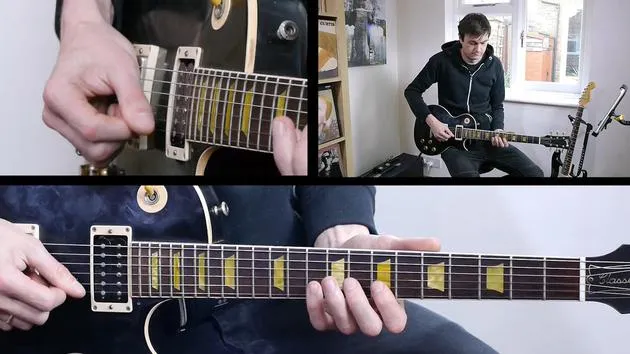
02. Eine Melodie verzieren
5:36

03. Challenge: Reiche deine Melodie ein
0:26
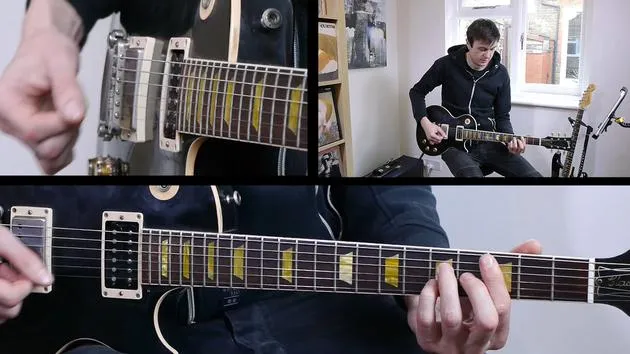
04. Septakkorde
6:38

05. Dein Solo komponieren
8:53
06. Weitere Erweiterungen und sus-Akkorde
4:19

07. Comping in zwei verschiedenen Musikstilen
8:36
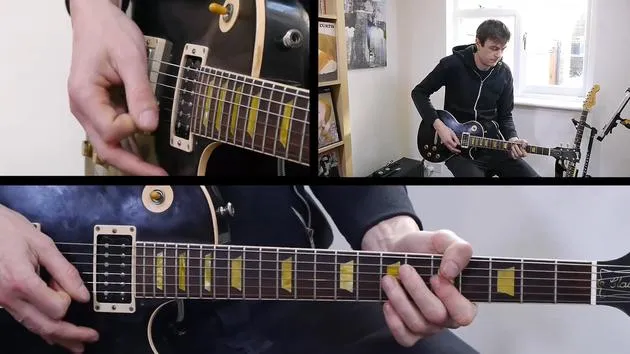
08. Rhythmisches und melodisches Comping mischen
4:24
09. Rhythmische Improvisation & Comping
9:55
10. Fortgeschrittenes Strumming und Verzierungen
5:40











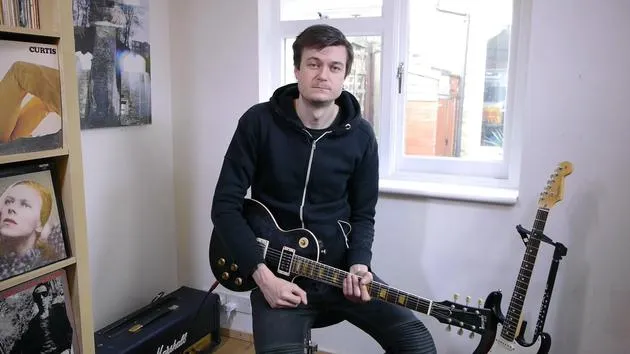
Transkript der Lektion
Mohair Mountain: A Challenging Exploration
Introduction
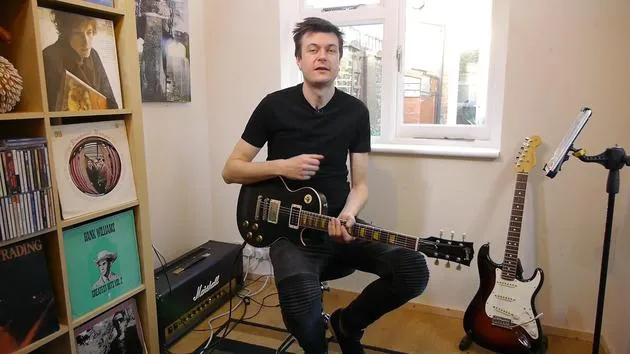
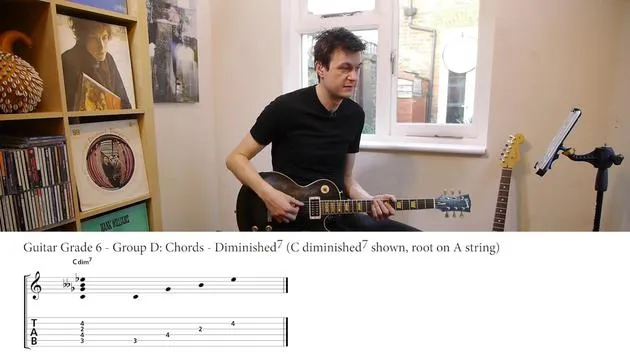
Mohair Mountain is a challenging piece influenced by the great Led Zeppelin and the guitar playing of Jimmy Page, as well as the rhythmic drive of drummer John Bonham. This lesson will explore the intricacies of the song, including shifting time signatures and syncopated riffs that make it quite difficult.
Key Concepts
Riff Structure
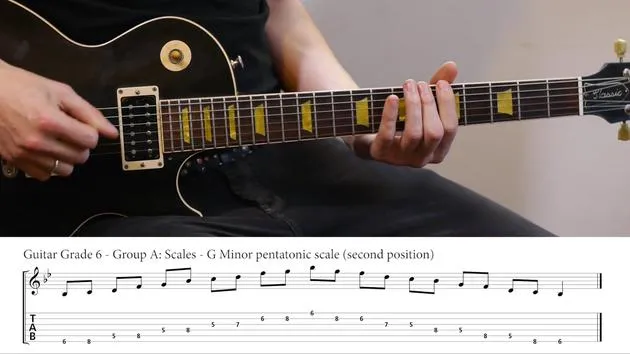
- The riff starts with an idea based on the A minor pentatonic scale.
- It transitions into a triad-focused section, a great example to see how triads work in context.
- Classic power chords (root-fifth chords) are prevalent in section C.
- Typical minor pentatonic embellishments using legato, hammer-ons, and pull-offs are also featured.
Gear Recommendations
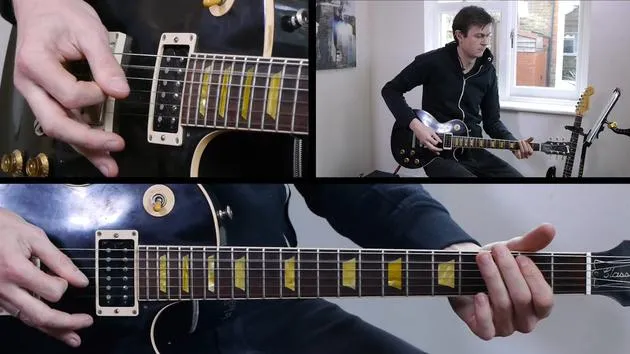
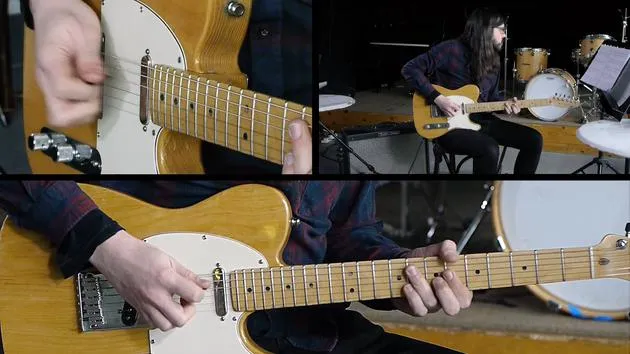
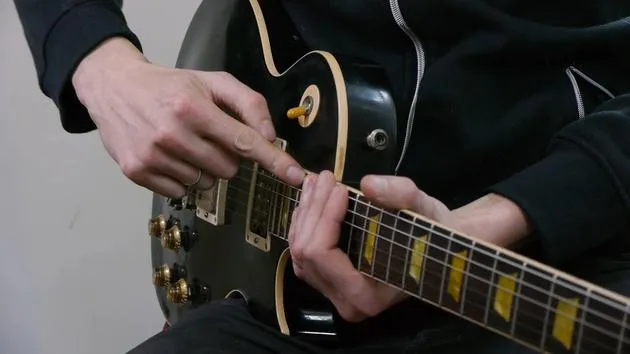
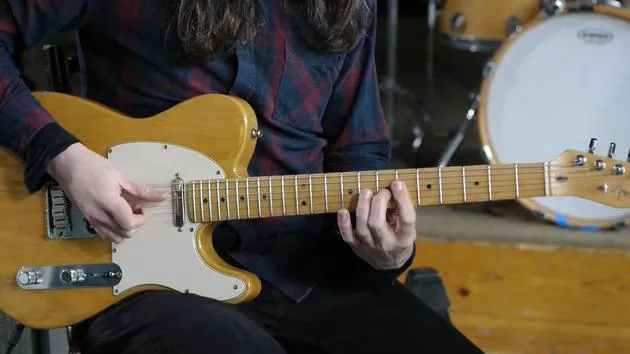
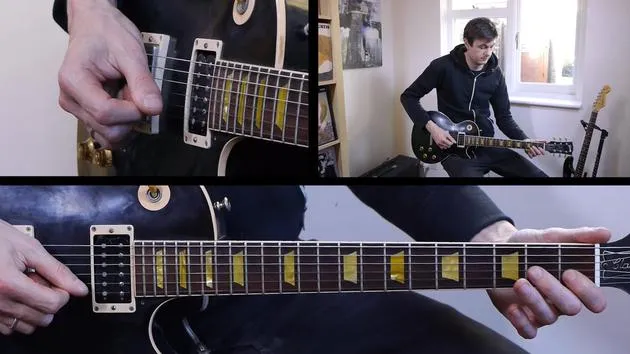
- Jimmy Page played various guitars, but the Les Paul often comes to mind. He also used a Telecaster.
- For this piece, you can use:
- Humbucker guitars (recommended for a bigger sound).
- Single-coil guitars (like a Tele or Strat) with an overdrive pedal to enhance the tone.
Performance Tips
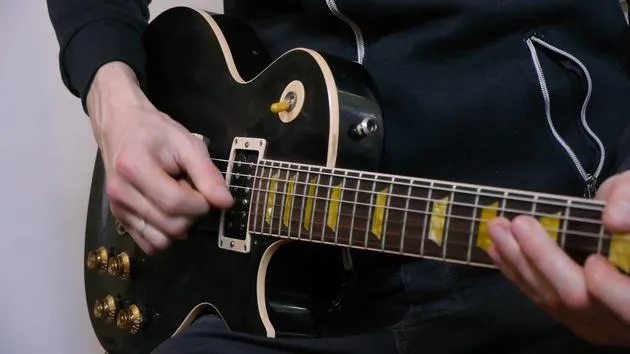
- Gain Settings: Page did not use massive amounts of gain; it's more about the picking hand attack.
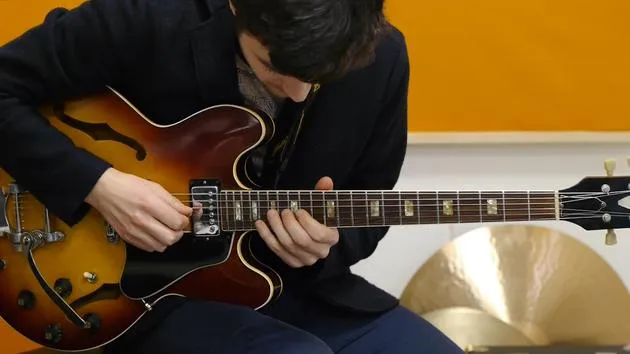
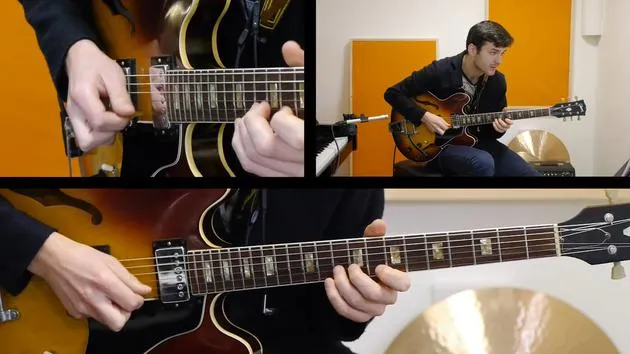
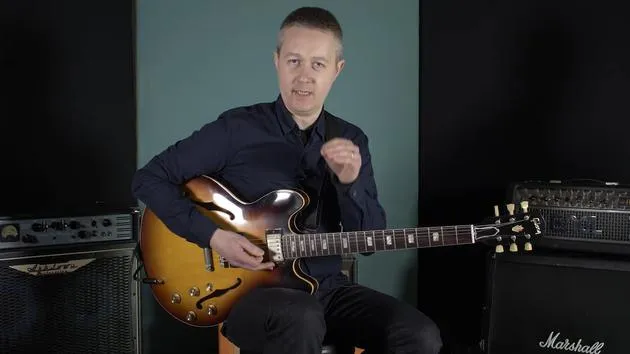
- Guitar Choice: Using the 335 will give a sound similar to the Les Paul, providing a fuller tone.
Structural Breakdown
Section A
- Starts with a riff-based idea.
Section B
- Transition into a chordal rhythmic section.
Section C
- Features power chords with precise 16th note rhythms.
The Solo
- Leads to a big change with a swing fill later on.
Time Signature Challenges
-
The main challenge is shifting from 4/4 to 7/8.
-
Musicians typically count 4/4 as:
- 1 and 2 and 3 and 4.
-
For 7/8:
- Consider counting as groups of four and three (or vice versa):
- "1 and 2 and 3 and 4 and 1, 2, 3"
- Consider counting as groups of four and three (or vice versa):
Common Mistakes
- Do not count the bar of seven as "1, 2, 3, 4, 5, 6, 7"; this mistakenly reverts you back to 4/4.
- Instead, count it as "1, 2, 3, 4" (for the first group) and "1, 2, 3" (for the second group).
Section B Dynamics
- The structure becomes easier as you return to 4/4, focusing on triad shapes that move up and down the neck.
- Muting: Pay attention to how muted strings are played, especially when dealing with dotted 16th notes.
Example:
- C to D chord transition will engage in dotted 16ths:
- "1E and 2E."
The Rhythm in Section C
- The rhythm tightens further, incorporating 16th note power chords.
- Achieve a clean sound by ensuring that notes ring out and muting unwanted strings.
Soloing Techniques
Major and Minor Pentatonics
- For the solo, react dynamically to the track.
- Utilize the E minor pentatonic scale, and occasionally the E blues scale.
Dynamic playing:
- For busier phrases, focus on dynamics. As the dynamic shifts down, play more sparse melodic ideas.
Advanced Techniques
- Consider using arpeggios to give your solo definition.
- Practice transitions through different arpeggio shapes:
- E minor
- E minor 7
- Practice starting from different notes within the arpeggio to enhance flexibility.
Final Thoughts
Mohair Mountain exemplifies riff building with the minor pentatonic scale, a common feature in classic rock. As you delve into this piece, be mindful of transition techniques, dynamic shifts in the solo, and the importance of clean, controlled rhythm. By focusing on phrasing and exploring arpeggios alongside the pentatonic scales, you'll develop a more expressive and nuanced playing style.
46 Lektionen
3 Std. 57 Min. strukturierte Videolektionen
Erweiterte Videofunktionen
Verlangsamen, Passagen loopen, mitlesen
Handy, Tablet & Desktop
Üben, wo du willst
100 % Zufriedenheitsgarantie
30 Tage Geld-zurück-Garantie







