



Blue Espresso
Marcus Bonfanti zerlegt Blue Espresso, ein Blues-Stück mit B.B.-King-Note aus Rockschool Guitar Grad 6, mit Tipps zu Phrasierung und Feel.

Das steckt im Kurs
46 Lektionen (3h 57m) · 1 gratis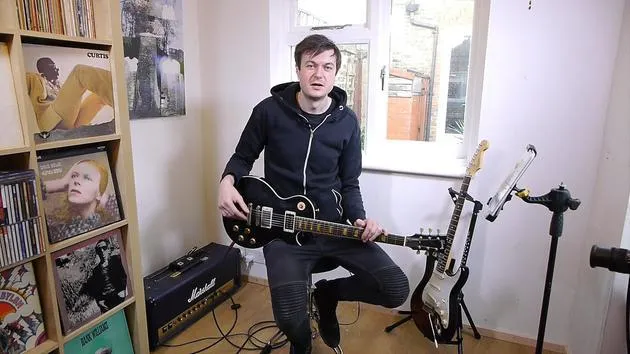
01. Einführung in die Ansätze der Improvisation
1:00
02. Eine Melodie verzieren
5:36
03. Challenge: Reiche deine Melodie ein
0:26
04. Septakkorde
6:38
05. Dein Solo komponieren
8:53
06. Weitere Erweiterungen und sus-Akkorde
4:19
07. Comping in zwei verschiedenen Musikstilen
8:36
08. Rhythmisches und melodisches Comping mischen
4:24
09. Rhythmische Improvisation & Comping
9:55
10. Fortgeschrittenes Strumming und Verzierungen
5:40
Transkript der Lektion
Music Lesson: Exploring "Blue Espresso"
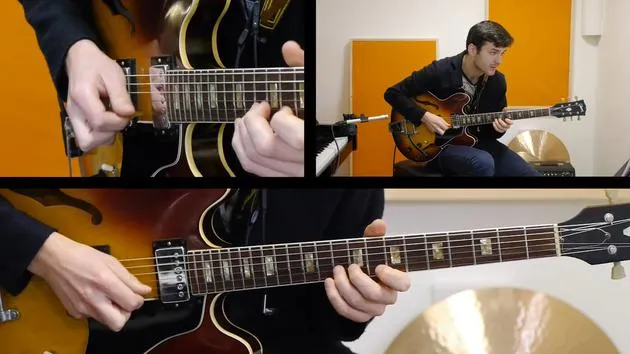
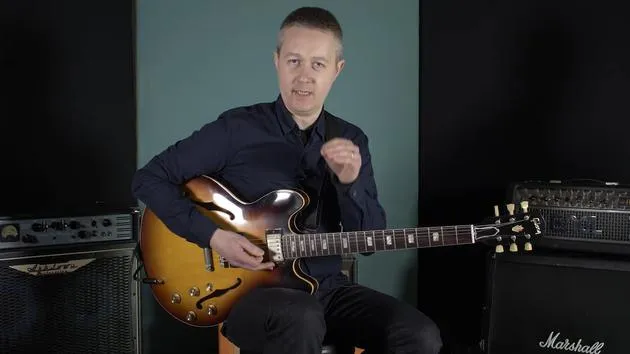
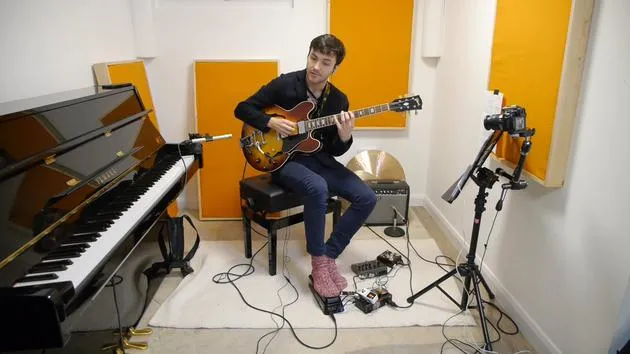
So that was Blue Espresso, another great tune! This is a fantastic blues song that allows you to express yourself and features a great melody line to get under your fingers.
Influences and Style
-
B.B. King:
- This song bears the hallmarks of B.B. King's playing, and his influence is evident throughout.
- Any guitarist interested in playing blues music should listen to B.B. King and appreciate his expressive guitar touch.
-
Stylistic Elements:
- This piece is rooted in the blues with a very nice swing.
- You can incorporate jazz elements into your playing if that's your style.
Guitar and Amp Settings
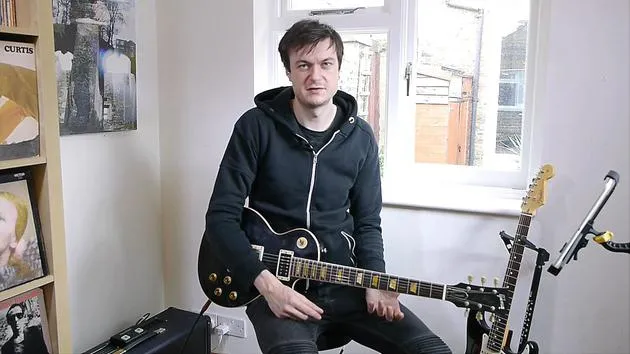
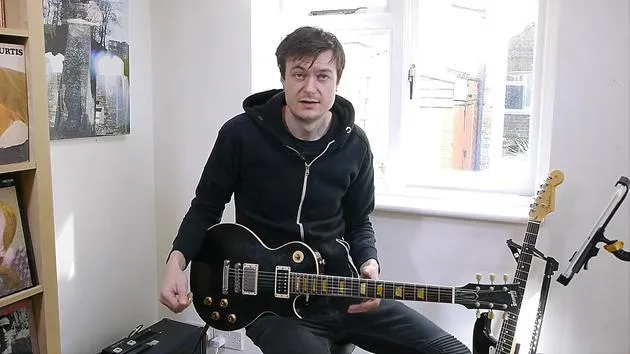
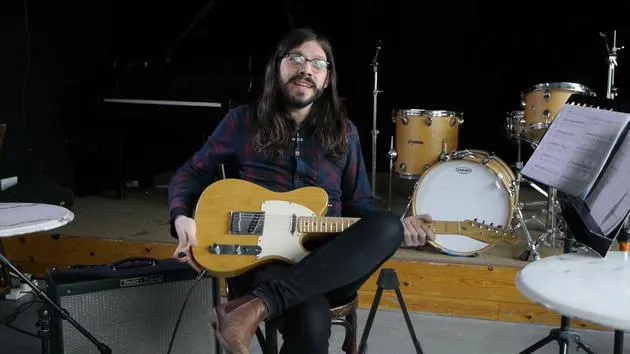
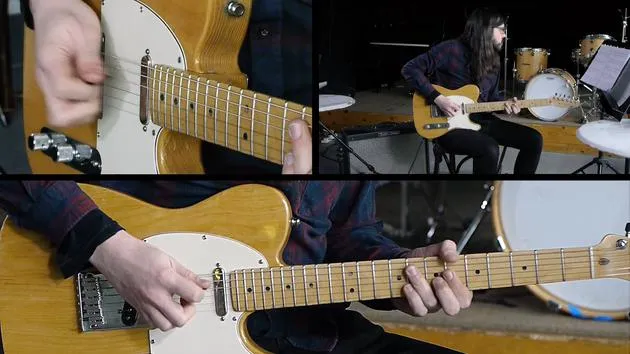
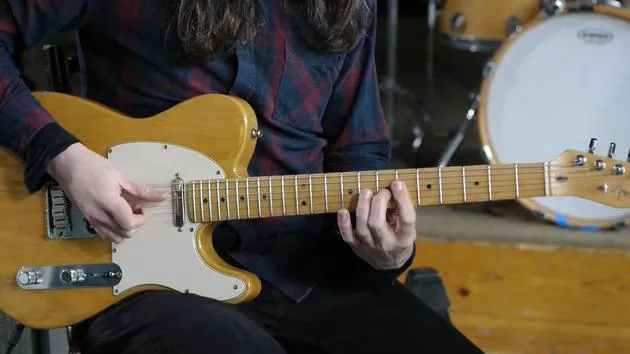
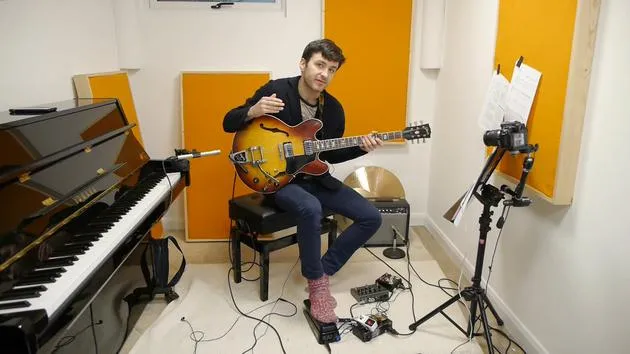
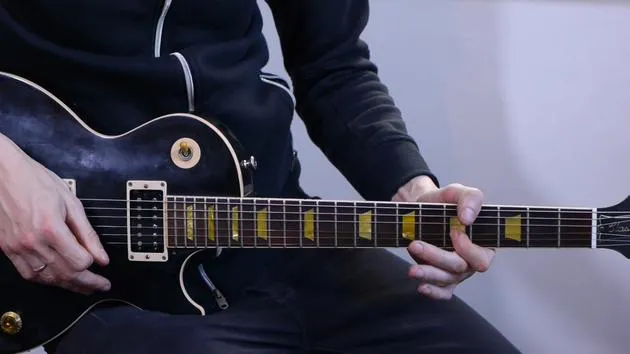
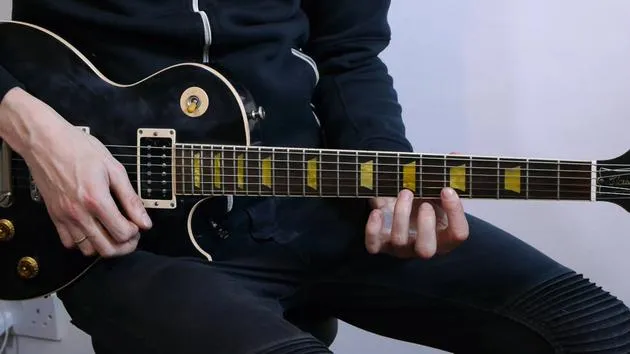
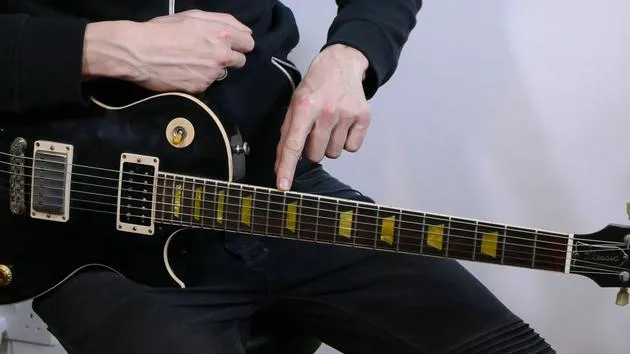
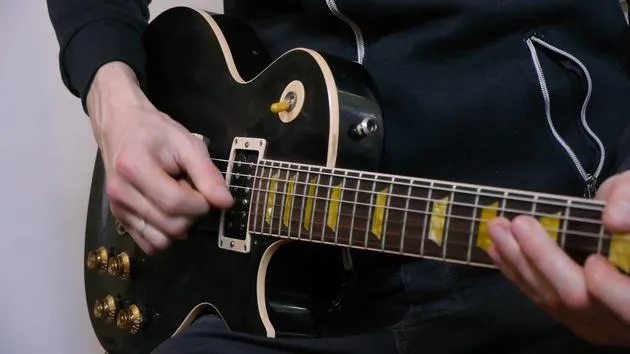
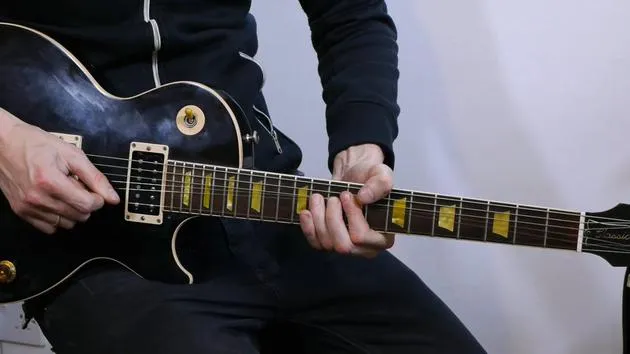
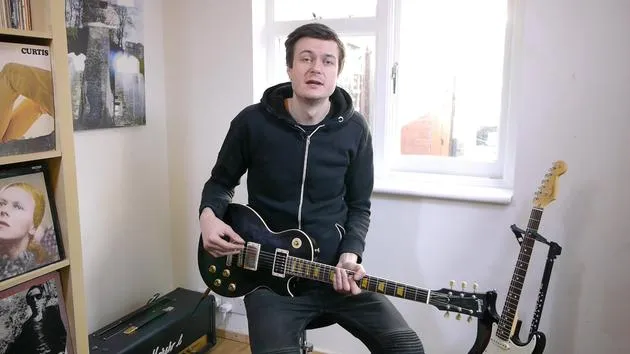
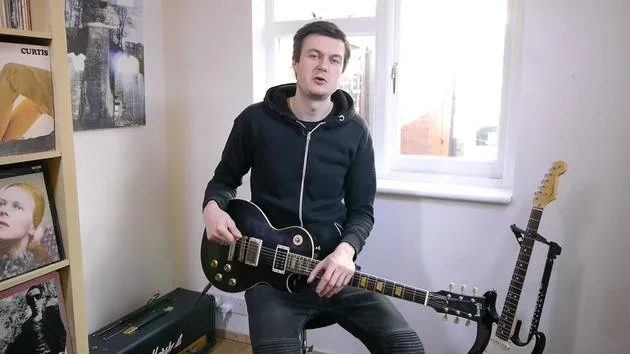
- I'm using a Fender Telecaster, but remember, B.B. King played a Gibson 335, famously known as Lucille.
- You don't need a 335 to achieve this sound; you can play the blues on any guitar, including a Telecaster, which was a favorite of Albert Collins.
Setup
- Neck Pickup: Selected for a warmer tone.
- Tone: Rolled off about a quarter.
- Amp Settings: Set to a crunchy sound that isn't overly driven. This strikes a sweet balance:
- Soft Playing: Produces a sweet tone.
- Digging In: Adds bite and expressiveness.
Expressive Playing
- This tune allows for a lot of light and shade.
- Your examiner will likely expect you to show a dynamic range:
- Besides just playing it cool, allow the piece to take the listener on a journey.
Techniques to Focus On
-
Trills and Partial Chords:
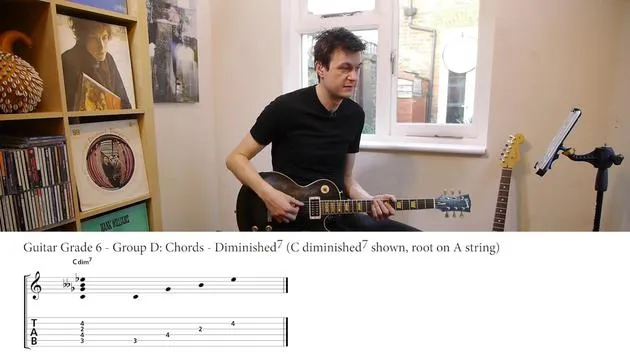
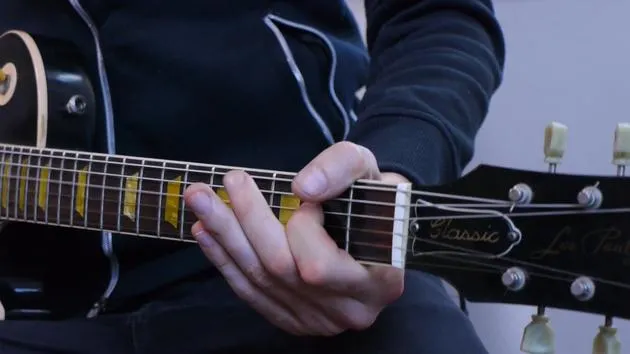
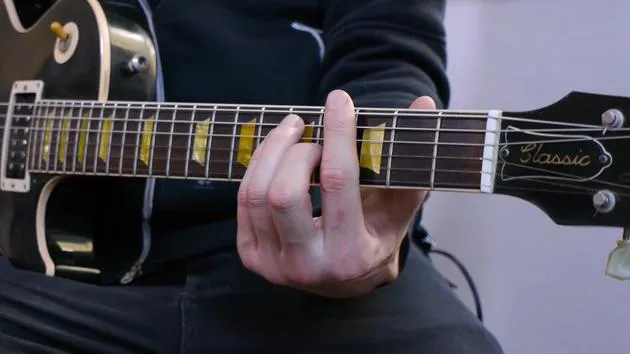
- The first note of the first bar is a partial chord.
- A Bb7 chord is used, which omits the root because the bass player will cover that.
-
Creating Freedom:
- Playing partial chords gives you flexibility for finger movement.
-
Using Trills:
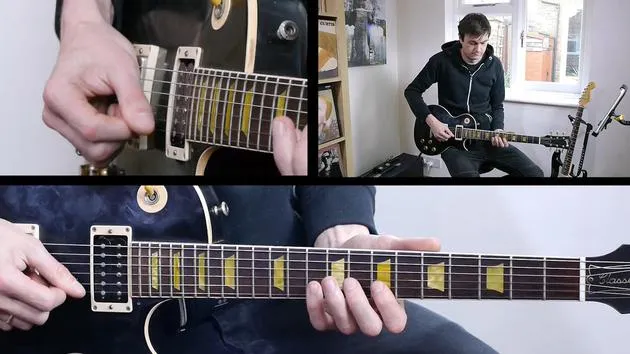
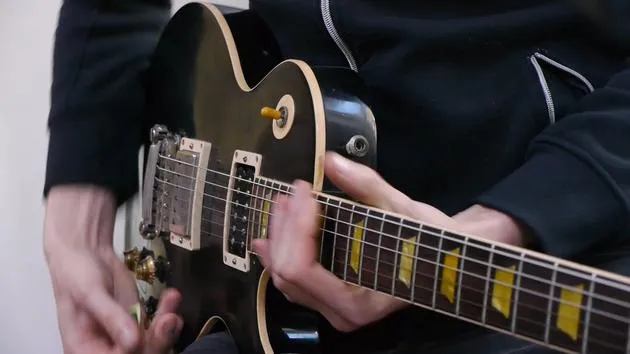
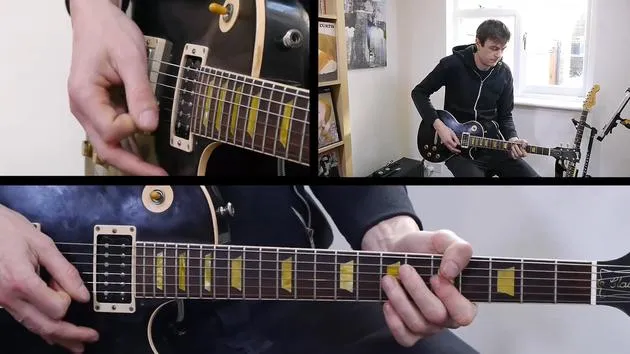
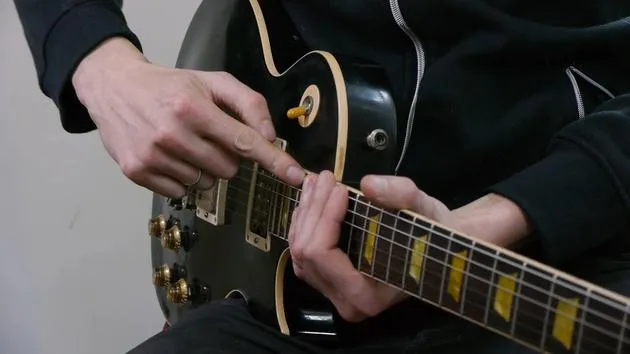
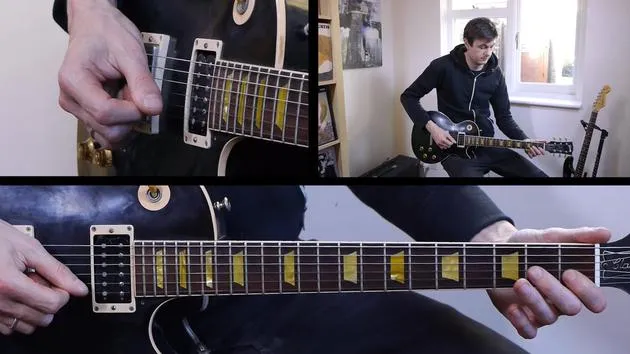
- Combine a trill with a grace note (a hammer-on) at the start.
- Practice slowly to maintain timing:
- Example: (Hammer-on sample)
- Repeat endlessly without plucking the right hand.
-
Varying Technique:
- Add a trill to the partial chord for a bouncing effect.
Approaching the Solo
- Focus on feel over technique:
- This is where many guitarists excel; pay attention to emotional delivery (e.g., B.B. King, Freddie King, and Peter Green).
Scale Insights
- Primarily use the blues scale, but blend in major thirds to enhance your solo:
- The Bb major third and the Eb major third can elevate your sound.
- Experiment with Mixolydian scales without rigidly adhering to them, think in terms of desired sounds and feelings.
Performance Tips
- When soloing, embrace stops for dynamics:
- You can play very straight over a swung rhythm to keep it interesting.
Creative Exploration
- Have fun with the piece; once the melody line is solid, experiment with sounds and familiar passages.
- Drawing from earlier riffs can add familiarity to your solos.
Recommended Listening
- To delve into the blues, check out musicians like:
- B.B. King
- Freddie King
- Peter Green
- Albert Collins
- Shuggie Otis:
- His early work, especially his second or third record, showcases youthful blues prowess worth exploring.
So, that's Blue Espresso! I can tell you're going to have a lot of fun with it, so make sure you do. Good luck!
46 Lektionen
3 Std. 57 Min. strukturierte Videolektionen
Erweiterte Videofunktionen
Verlangsamen, Passagen loopen, mitlesen
Handy, Tablet & Desktop
Üben, wo du willst
100 % Zufriedenheitsgarantie
30 Tage Geld-zurück-Garantie







