



Form und Feel
Mit
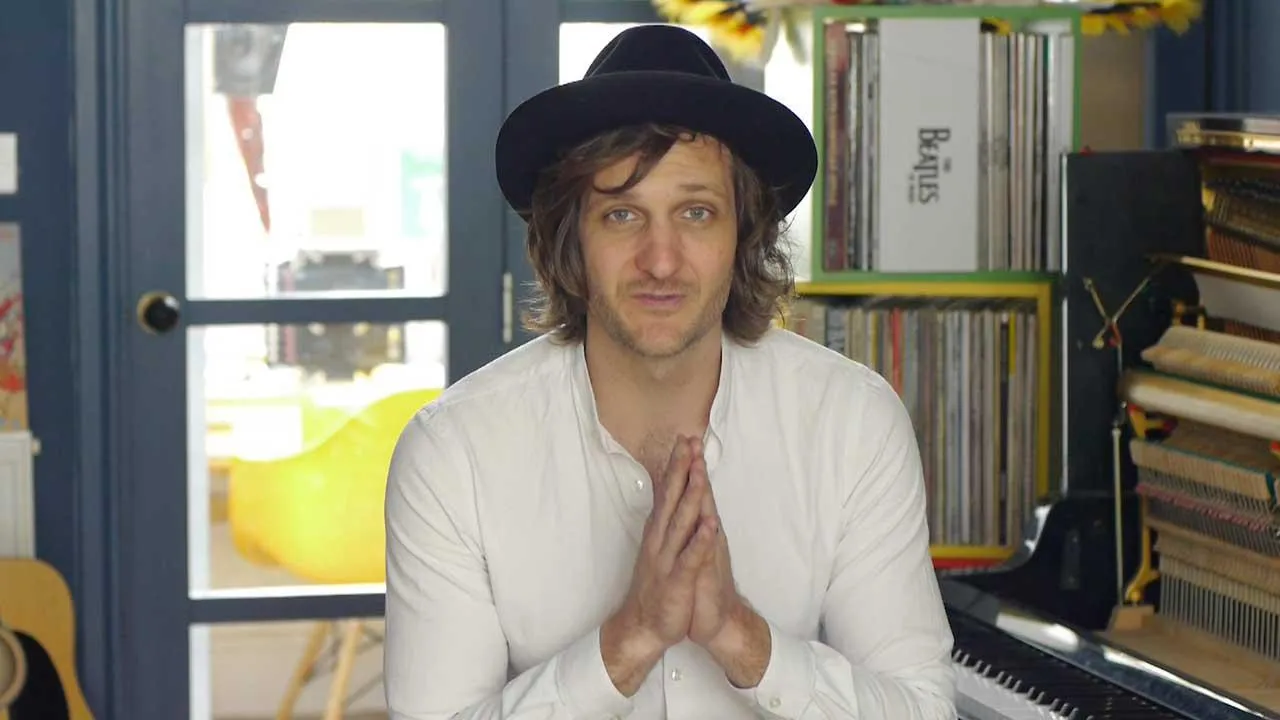
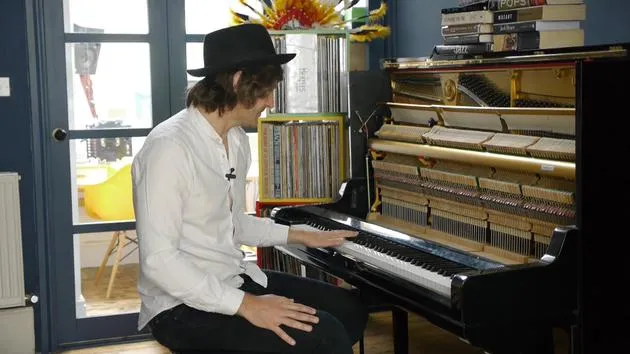
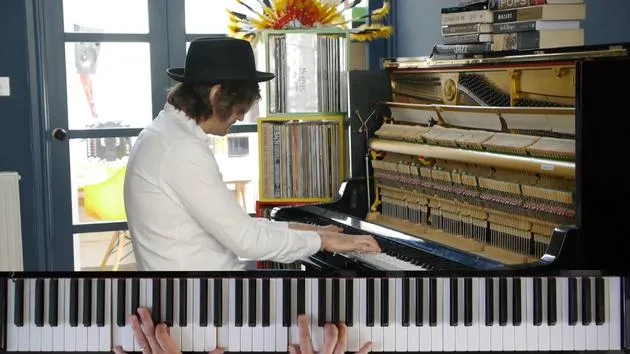
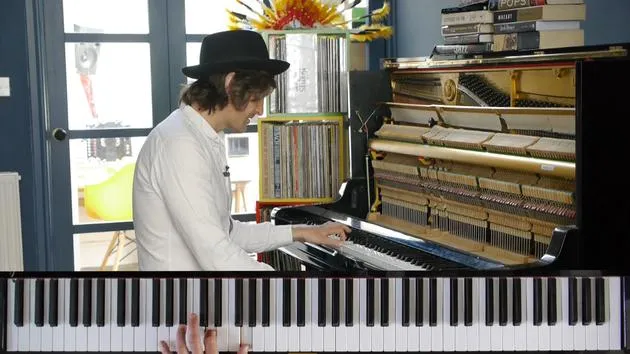
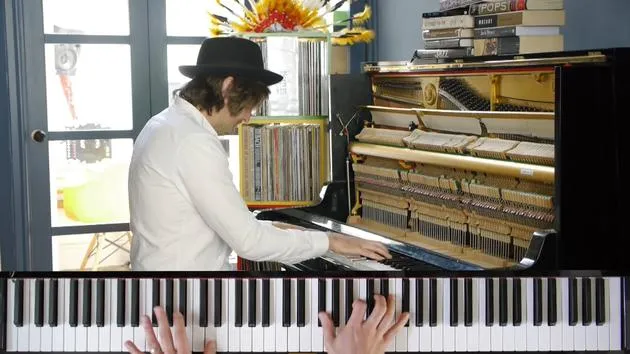
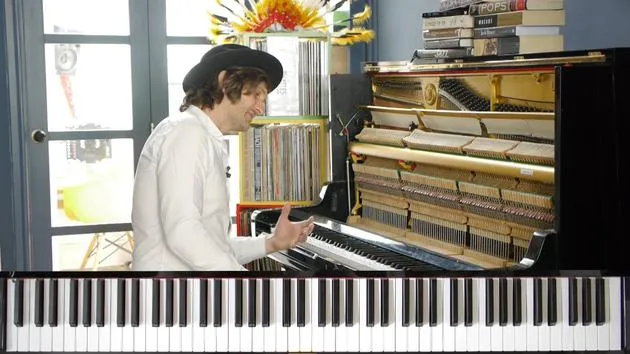
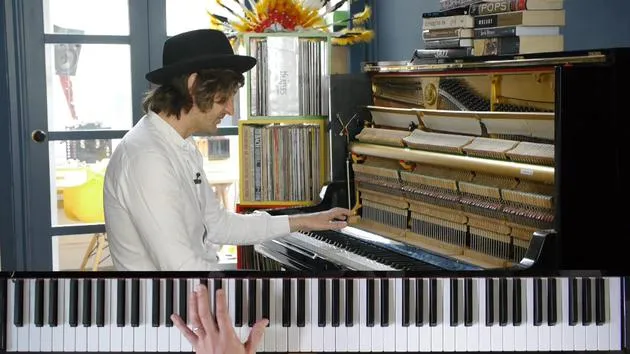
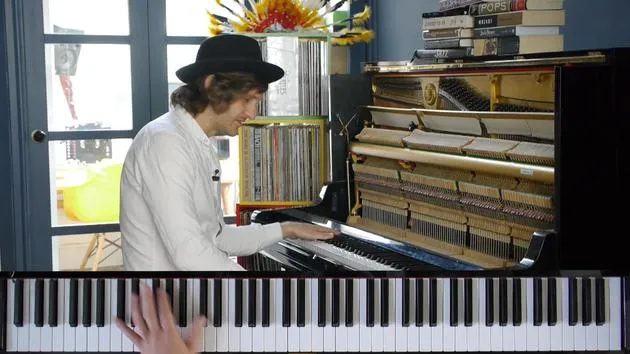
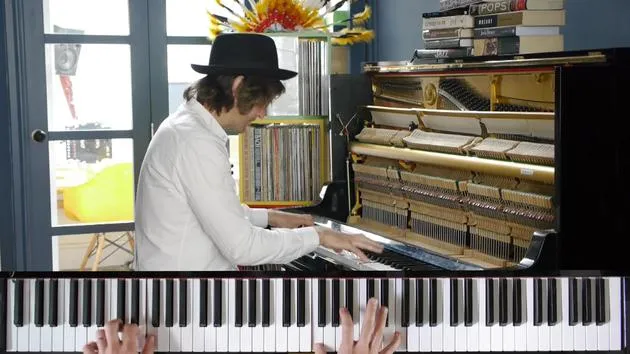
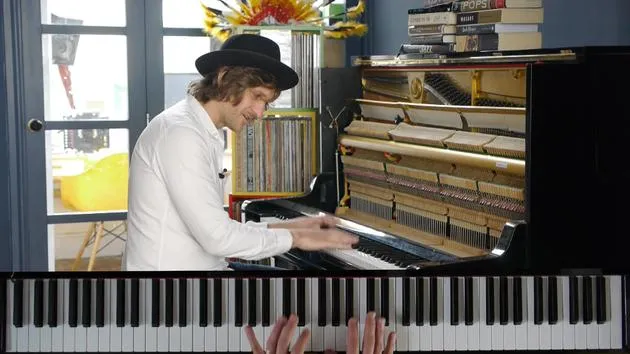
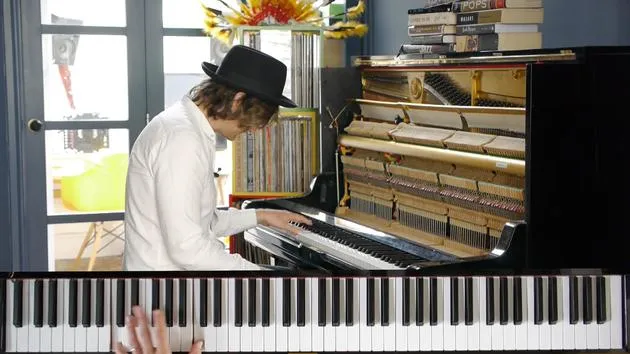
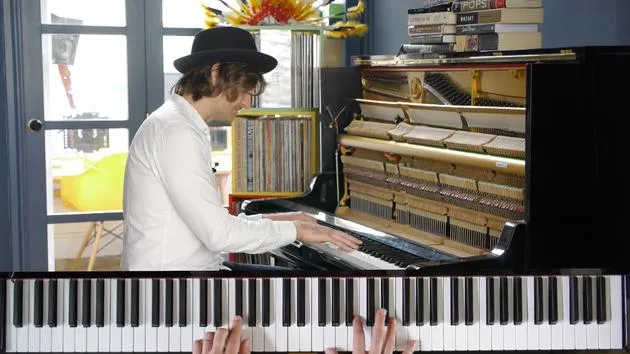
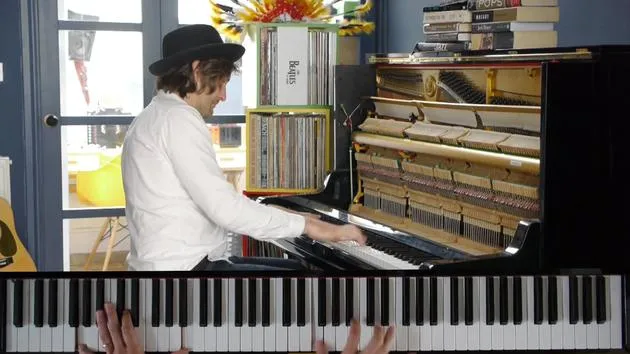
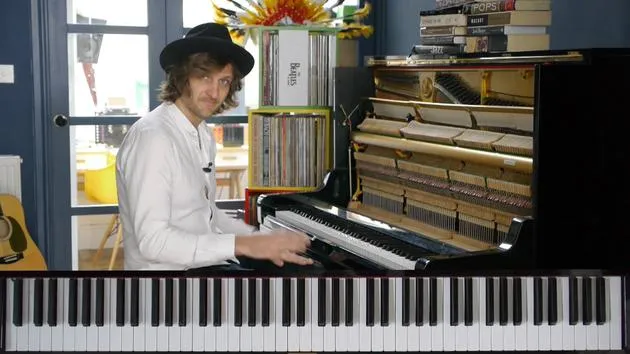
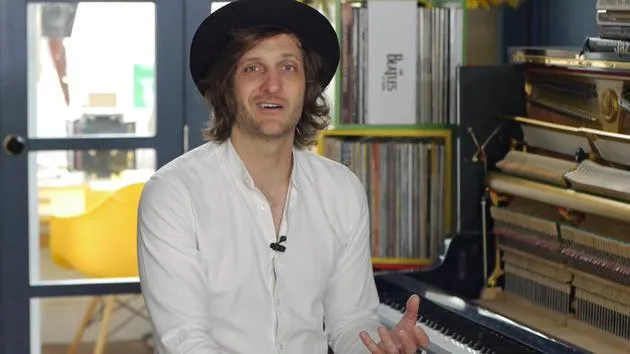
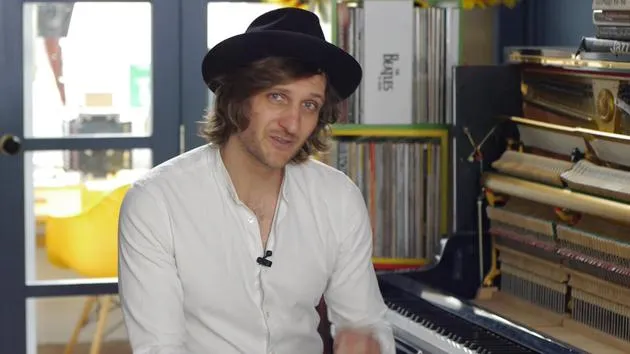
Paddy MilnerPaddy schlüsselt das Feel von Tipitina auf. Der Groove hat seine Ursprünge in einem Rumba-/Afro-Cuban-Stil. Anders als der traditionelle Blues, der eine klare Trennung von linker und rechter Hand hat, verschmilzt der Tipitina-Groove die beiden Hände, wiederum eher aus einem Latin-Stil kommend.
Das steckt im Kurs
40 Lektionen (2h 57m) · 1 gratis
01. Überblick
1:08
02. Interpretation
3:02
03. Form und Einleitung - Professor-Longhair-Oktaven
4:45
04. Form und Feel
Du bist hier5:22
05. Rechte Hand
2:30
06. Turnaround-Ideen
2:59
07. Ideen für die Solo-Sektion
4:16
08. Den Groove treffen
4:00
09. Es funkiger machen
Gratis-Lektion7:56
10. Hin zu einem Latin-Feel
1:42
11. Gerade gegen geswingt und harmonische Variationen
5:46
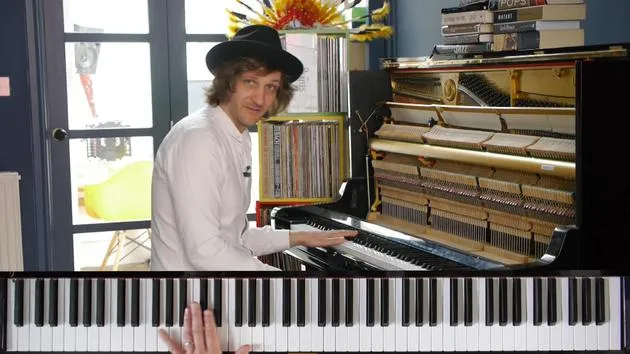
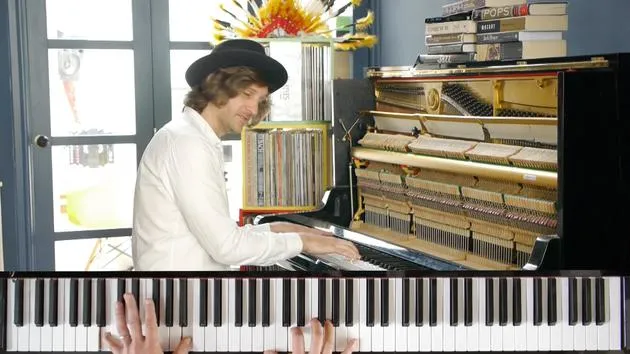
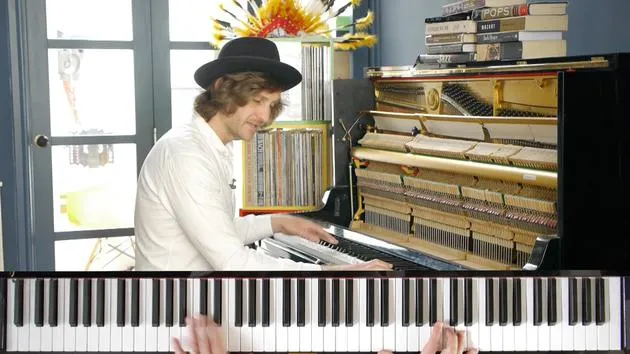
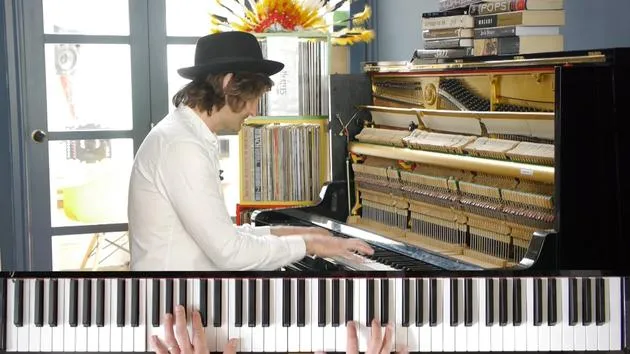
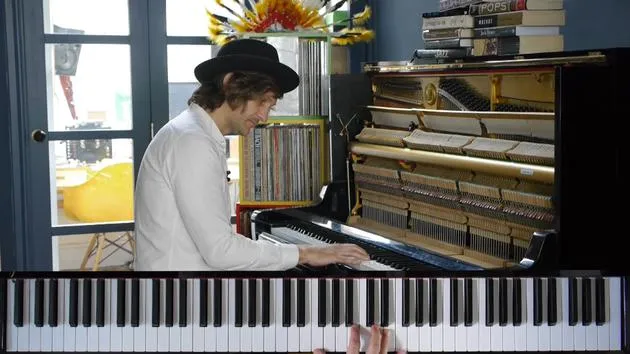
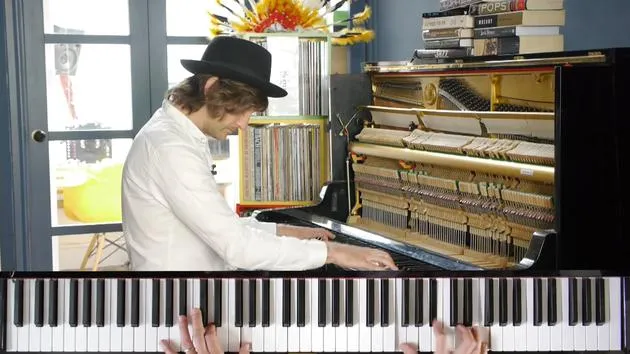
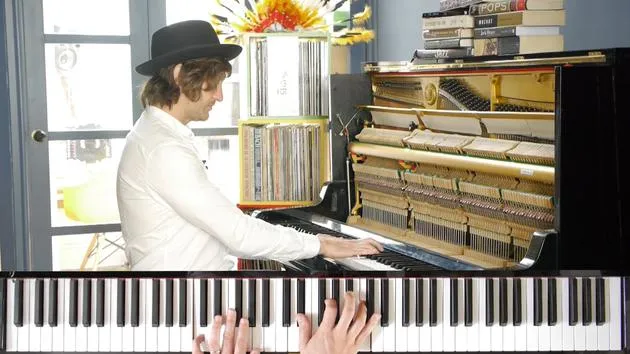
Transkript der Lektion
Understanding the Feel of the Tune
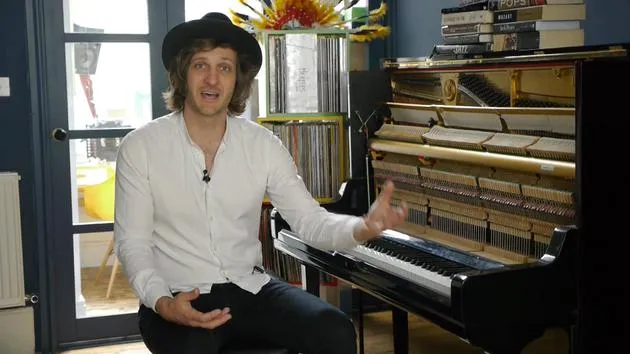
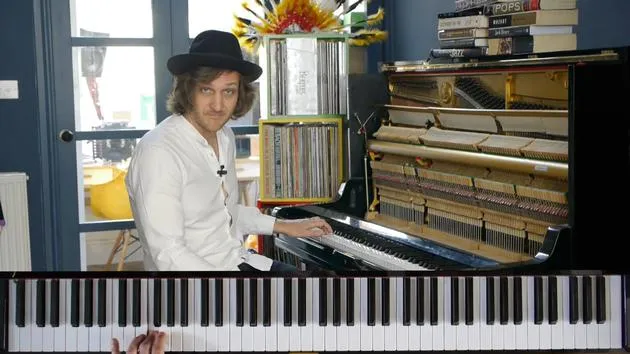
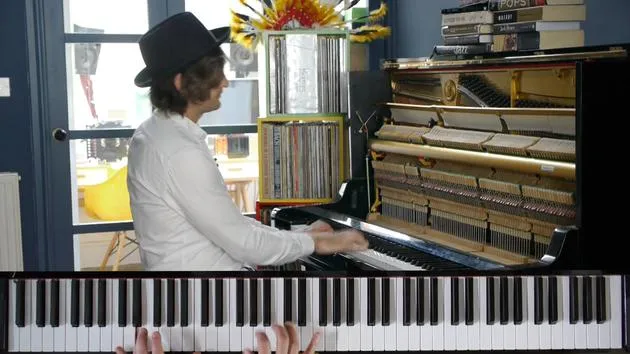
But let's look at the central thing about this tune, which is the feel. The feel is so important on this. It's very much that kind of rumba feel derived from the sort of Afro-Caribbean influence.
The Basic Underlying Feel
Essentially, that is the basic underlying feel for it. You could play something like that, which obviously works fine, but pressing along here really kind of brings it home with some anticipations.
New Orleans Influence
The stuff we looked at in Junco Partner, which I think is a typically New Orleans thing, informs this approach. So, his introduction, you can see it's leading with that 3/4 time signature. It's always leading with that note.
- This is something that really goes well in Afro-Cuban music.
- It can go across the bar line, but in this case, it's still anchored with that downbeat at the bottom.
- Still, it's a note that's stressed in the feel.
Two-Handed Groove
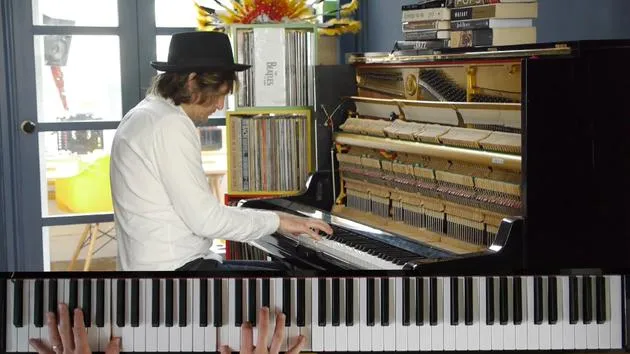
He also incorporates these little skips in between the right-hand notes. So, it's very much a two-handed feel. It's not just a left hand with a right-hand accompaniment kind of thing, which would be more of a ragtime approach or a blues approach, you know, that features a very independent left hand.
- In this kind of feel, it's very much from that sort of Caribbean/Afro-Cuban vibe where the two hands create the groove together.
Creating a Rolling Effect
So really, it creates this rolling effect, characterized by a very distinctive run going up to the four chords:
3, 4. One, two, three, four.
It's all kind of syncopated; it's all off the beat:
3, 4, 1, 2, 3, 4.
Then it anchors back down on beat one of the four, leaving you suspended while that's happening. I think that's what makes it funky and what makes it hip.
Echoing the Left Hand
In the right hand, you're essentially echoing what the left hand is doing. Although what Professor Longhair does, and what you can do, is add some octaves or change the direction of the octave.
- The choice is yours! You can play it however you want, but as long as this central feel is underneath, it doesn't really matter.
- That anticipation at the end of the bar is always there.
Keeping the Feel in Mind
So, think of it as "walking down the street":
1, 2, 3, 4 and 2, 3, 4.
That feel is very much present throughout the piece.
So remember, when you're playing, that feel should always be there, regardless of whether you're actually playing notes or not.
40 Lektionen
2 Std. 57 Min. strukturierte Videolektionen
Erweiterte Videofunktionen
Verlangsamen, Passagen loopen, mitlesen
Handy, Tablet & Desktop
Üben, wo du willst
100 % Zufriedenheitsgarantie
30 Tage Geld-zurück-Garantie
Lern deinen Guru kennen
Lern deinen Guru kennen
Paddy Milner gilt als einer der besten Blues-Pianisten der Welt – derzeit ist er der Stammkeyboarder von Sir Tom Jones, nach mehreren Jahren an der Seite des großartigen, verstorbenen Jack Bruce –, aber er ist auch ein hervorragender eigenständiger Songwriter und ein unverwechselbarer Sänger. Lies einfach das Lob von Größen wie Dave Brubeck weiter unten! Sein Spiel war auf dem Soundtrack des Kinohits 'Rocketman' von 2019 zu hören.
Zweimal wurde er bei den British Blues Awards als bester Keyboarder ausgezeichnet, und als Gründungsmitglied der Ronnie Scott's Blues Explosion hat er eine langjährige Residency im weltberühmten Club Ronnie Scott's.
Seine aktuelle Band LONDONOLA spielt selbst geschriebene britische Musik mit einer kräftigen Portion New-Orleans-Geist, und sein gemeinsames Projekt JAWBONE geht seit der Veröffentlichung des gleichnamigen Debütalbums von Stärke zu Stärke.
- „Ich liebe es... da ist einer, der wirklich Klavier spielen kann" - Dave Brubeck
- „Ich kann es nur wärmstens empfehlen. Irgendwie fängt alles an, sich viel besser anzufühlen!" - Jack Bruce
- „Der beste Blues-Pianist Europas..." - Blues Access, USA
- „Beeindruckend und originell" - The Times
- „Blendend" - The Independent
In seinen Kursen zerlegt Paddy den authentischen Blues-Shuffle, Slow Blues, Boogie-Woogie, Rock 'n' Roll und das New-Orleans-Piano – bis hin zu drei klassischen Boogie-Woogie-Songs –, damit du diese Stile bei einem der Allerbesten des Fachs lernst.







