



Die Entwicklung des New-Orleans-Pianos
Mit
Paddy MilnerPaddy gibt einen Überblick darüber, wie die 'Gründerväter' des New-Orleans-Pianos, Musiker wie Jelly Roll Morton und Professor Longhair, den Stil entwickelten, indem sie die lateinamerikanischen Einflüsse in die amerikanische Blues- und Ragtime-Tradition aufnahmen.
Das steckt im Kurs
40 Lektionen (2h 57m) · 1 gratis
01. Überblick
1:08
02. Interpretation
3:02
03. Form und Einleitung - Professor-Longhair-Oktaven
4:45
04. Form und Feel
5:22
05. Rechte Hand
2:30
06. Turnaround-Ideen
2:59
07. Ideen für die Solo-Sektion
4:16
08. Den Groove treffen
4:00
09. Es funkiger machen
Gratis-Lektion7:56
10. Hin zu einem Latin-Feel
1:42
11. Gerade gegen geswingt und harmonische Variationen
5:46
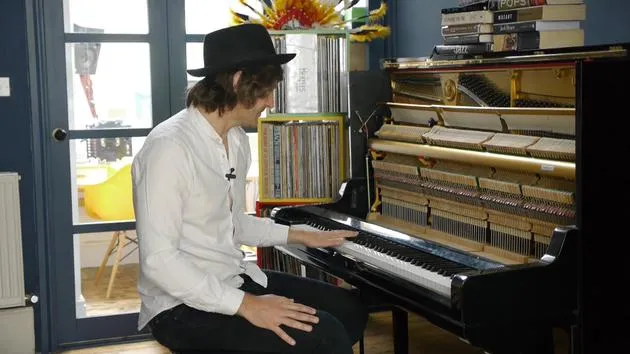
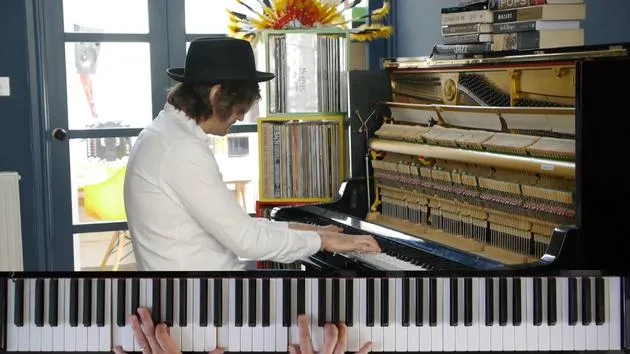
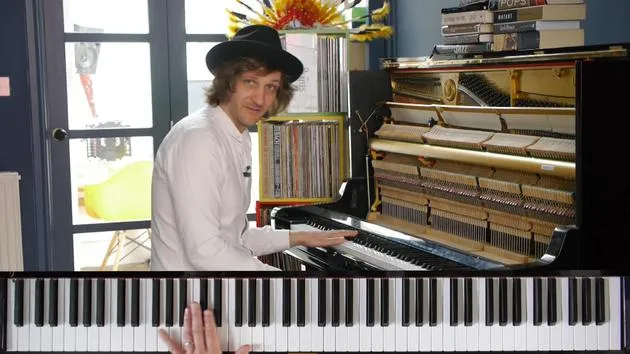
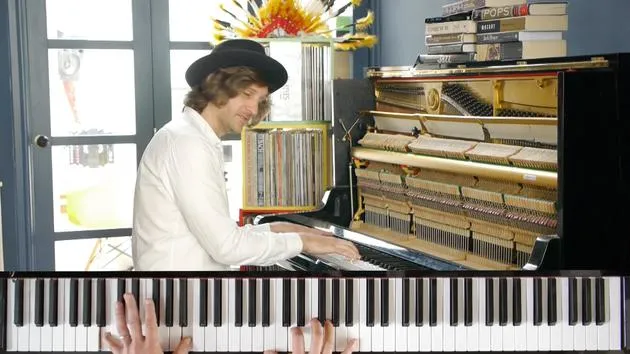
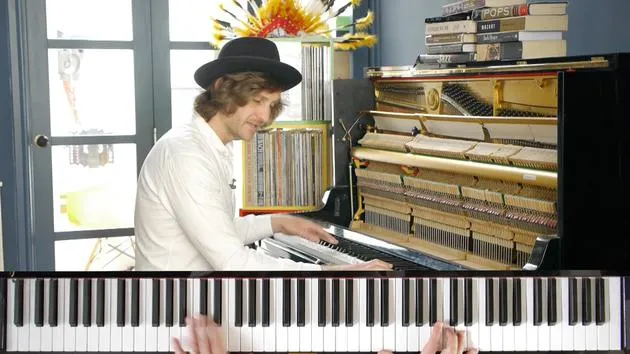
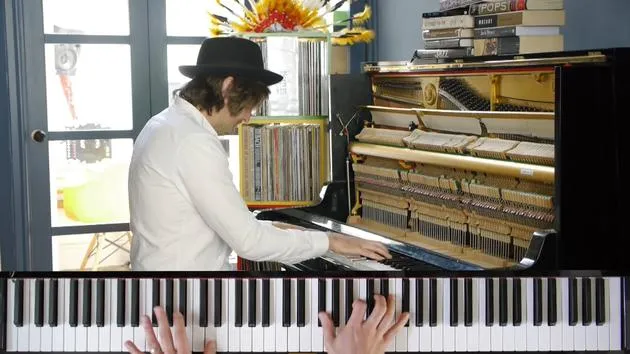
Transkript der Lektion
Exploring New Orleans Piano: The Influence of Jelly Roll Morton
So if you look at Jelly Roll Morton, who was one of the first musicians to really develop the New Orleans style of piano playing, we can hear these kind of anticipations of the bar happening all the time. This is definitely an influence of Afro-Hispanic music.
Anticipations in Jelly Roll Morton's Music
We get something like this, which he does at the end of "King Port Ostomp."
- In the left hand, he's really anticipating these beats:
- Not necessarily just the bar line, but other beats too.
So, let's slow it down a bit. This kind of anticipation is very much a step on from the ragtime of Scott Joplin, who was definitely paving the way in this direction. Joplin was ragging those melodies by adding syncopations, something they were doing in New Orleans as well.
-
Whereas Scott Joplin might do something like this (kind of straight), it feels like a left-right sequence:
"left, right, left, right, um, cha umcha." -
Jelly Roll would do something different in the left hand. For example:
"etc."
He's adding these anticipations which keep the music edgy and moving forward, which I find incredibly exciting.
Professor Longhair's Influence
We can see similar elements in the works of Professor Longhair. For example, in "Tipitina," he's really got this accented, pushing feel in the left hand:
1, 2, 3, 4.
- It has a strong sense of anticipation into the one, which is something that runs through much of the New Orleans musical output.
A lot of Professor Longhair's stuff is based on the rumba rhythm:
1, 2 (which has that very strong 2 and T).
You might get something like this, which is very strongly rooted in that kind of Caribbean spirit.
Similarities with Cuban Music
There are many things you can do with this rhythm that Professor Longhair uses.
- Looking at New Orleans piano, we identify all these similarities with Cuban music:
- Rhythmically
- Voicings
There's a common usage of voicings based on octaves and fifths in both musical traditions.
Dr. John's Gumbo
Another example of similarities between Cuban music and New Orleans piano can be found in Dr. John's Gumbo album.
- Listen to his version of "Junko Partner."
- There's a little break, a sax break after the first few verses, and behind it, Dr. John is playing these octave patterns that would sound perfectly at home on a Cuban record:
- These kinds of sounds and rhythms.
Conclusion
So, we see these similarities popping up all over the world of New Orleans piano.
Having briefly looked at this melting pot of New Orleans, particularly the marriage of African, European, and Hispanic culture, I think we can move on and look at some tunes to get you playing New Orleans piano!
40 Lektionen
2 Std. 57 Min. strukturierte Videolektionen
Erweiterte Videofunktionen
Verlangsamen, Passagen loopen, mitlesen
Handy, Tablet & Desktop
Üben, wo du willst
100 % Zufriedenheitsgarantie
30 Tage Geld-zurück-Garantie
Lern deinen Guru kennen
Lern deinen Guru kennen
Paddy Milner gilt als einer der besten Blues-Pianisten der Welt – derzeit ist er der Stammkeyboarder von Sir Tom Jones, nach mehreren Jahren an der Seite des großartigen, verstorbenen Jack Bruce –, aber er ist auch ein hervorragender eigenständiger Songwriter und ein unverwechselbarer Sänger. Lies einfach das Lob von Größen wie Dave Brubeck weiter unten! Sein Spiel war auf dem Soundtrack des Kinohits 'Rocketman' von 2019 zu hören.
Zweimal wurde er bei den British Blues Awards als bester Keyboarder ausgezeichnet, und als Gründungsmitglied der Ronnie Scott's Blues Explosion hat er eine langjährige Residency im weltberühmten Club Ronnie Scott's.
Seine aktuelle Band LONDONOLA spielt selbst geschriebene britische Musik mit einer kräftigen Portion New-Orleans-Geist, und sein gemeinsames Projekt JAWBONE geht seit der Veröffentlichung des gleichnamigen Debütalbums von Stärke zu Stärke.
- „Ich liebe es... da ist einer, der wirklich Klavier spielen kann" - Dave Brubeck
- „Ich kann es nur wärmstens empfehlen. Irgendwie fängt alles an, sich viel besser anzufühlen!" - Jack Bruce
- „Der beste Blues-Pianist Europas..." - Blues Access, USA
- „Beeindruckend und originell" - The Times
- „Blendend" - The Independent
In seinen Kursen zerlegt Paddy den authentischen Blues-Shuffle, Slow Blues, Boogie-Woogie, Rock 'n' Roll und das New-Orleans-Piano – bis hin zu drei klassischen Boogie-Woogie-Songs –, damit du diese Stile bei einem der Allerbesten des Fachs lernst.







