



Junco Partner - Schluss
Lesson time: (10min 14sec)
Der Schluss erweitert die Form mit einem Lauf abwärts, der in der parallelen Molltonart Em endet, über einer Basslinie in Dezimen.
Course preview
This lesson is part of the course Spiele authentisches New-Orleans-Piano
Watch a preview of the full course below.
Lesson transcript:
Lesson Recap: Exploring Extended Endings
In this lesson, we explored how to creatively end a piece of music rather than using a straightforward conclusion. Here's a breakdown of the concepts we discussed:
Ending the Demonstration
I decided to end with a few different chords instead of a classic straight ending. I opted to transition into the relative minor, E minor, as it's the relative minor of G, which is our key.
Chord Progression Exploration
Here's the progression we used:
- C# half diminished
- C minor
- G or B minor 7
- Bb diminished
- A7
- D7
- B7 over D#
- E minor
Left Hand Technique
In the left hand, I was focusing on:
- Playing it in tenths (or possibly not using tenths initially).
- Adding the seventh where suitable.
- Keeping those anticipations going through to A minor.
Right Hand Technique
For the right hand:
- I frequently used the note G, a common tone across the chords.
- This forms part of the 2-5-1 progression that is prevalent in jazz.
Example of 2-5-1 Progression
We examined the following:
- From E minor: D minor to G7
- Keeping the root on D, changing the middle note from A to B, with the A# incorporated.
- Transitioning back to G via F offers a nice sound:
- G → E7 → D7
Incorporating the sliding down technique from the major seventh to the dominant seventh adds texture.
Rhythmic Variations
At the end of the tune, we discussed a rhythm commonly used by artists like James Booker. This includes the well-known Woody Woodpecker quote to finish the piece.
Inspiration from Dr. John
It's worth noting that:
- Extended endings, while not exclusively a New Orleans practice, are beautifully executed by musicians like Dr. John.
- Great examples can be heard in his version of Cold Shot and Such a Night.
Key Takeaways
- Explore: Feel free to experiment with different keys and chord sequences.
- Funky Flow: Remember, this music is about groove; it has to be flowing and funky.
New Orleans music is rich in funk, and as the saying goes: "It don't mean a thing if it ain't got that swing."
This recap encapsulates the core of our lesson while ensuring it's clear and engaging for online readers.
About the instructor
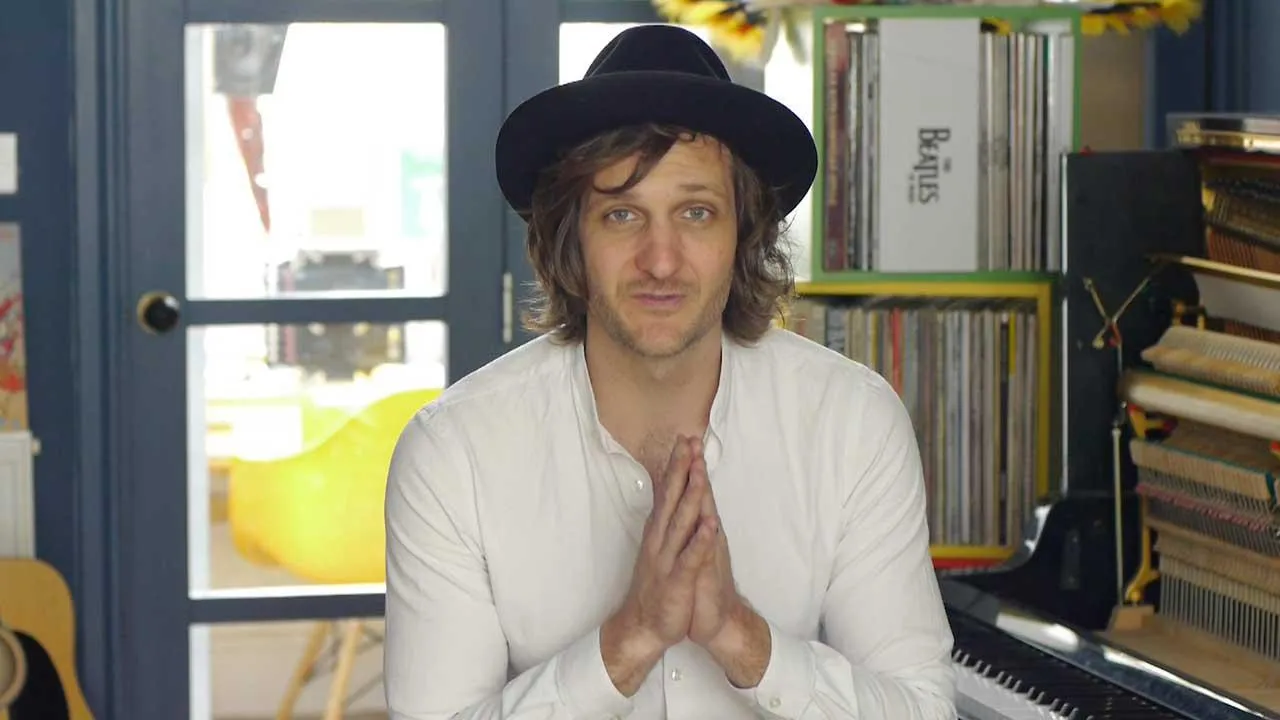
Paddy Milner gilt als einer der besten Blues-Pianisten der Welt – derzeit ist er der Stammkeyboarder von Sir Tom Jones, nach mehreren Jahren an der Seite des großartigen, verstorbenen Jack Bruce –, aber er ist auch ein hervorragender eigenständiger Songwriter und ein unverwechselbarer Sänger. Lies einfach das Lob von Größen wie Dave Brubeck weiter unten! Sein Spiel war auf dem Soundtrack des Kinohits 'Rocketman' von 2019 zu hören. Zweimal wurde er bei den British Blues Awards als bester Keyboarder ausgezeichnet, und als Gründungsmitglied der Ronnie Scott's Blues Explosion hat er eine langjährige Residency im weltberühmten Club Ronnie Scott's. Seine aktuelle Band LONDONOLA spielt selbst geschriebene britische Musik mit einer kräftigen Portion New-Orleans-Geist, und sein gemeinsames Projekt JAWBONE geht seit der Veröffentlichung des gleichnamigen Debütalbums von Stärke zu Stärke. „Ich liebe es... da ist einer, der wirklich Klavier spielen kann" - Dave Brubeck „Ich kann es nur wärmstens empfehlen. Irgendwie fängt alles an, sich viel besser anzufühlen!" - Jack Bruce „Der beste Blues-Pianist Europas..." - Blues Access, USA „Beeindruckend und originell" - The Times „Blendend" - The Independent In seinen Kursen zerlegt Paddy den authentischen Blues-Shuffle, Slow Blues, Boogie-Woogie, Rock 'n' Roll und das New-Orleans-Piano – bis hin zu drei klassischen Boogie-Woogie-Songs –, damit du diese Stile bei einem der Allerbesten des Fachs lernst. read more