



Linke Hand
Lesson time: (11min 46sec)
Die linke Hand von Junco Partner beruht auf einer typischen Grundton-Quint-Basis, die an eine Sousaphon-Linie in einer Marching Band erinnert. Paddy erklärt, wie Pianisten wie Jelly Roll Morton und James Booker sie mit Antizipationen belebten, die aus karibischen Einflüssen stammen. Die linke Hand vertritt am Ende die gesamte Rhythmusgruppe einer Marching Band, wobei das Sousaphon mit Bass- und Snaredrum kombiniert wird.
Course preview
This lesson is part of the course Spiele authentisches New-Orleans-Piano
Watch a preview of the full course below.
Lesson transcript:
Exploring the Left Hand Techniques
Let's start by looking at the left hand. What was I doing there? Essentially, I was outlining what is a kind of standard New Orleans thing to do:
- The root and fifth, maybe with some accents.
- We're talking about Caribbean influences and those anticipations.
This technique serves as a traditional kind of bass line that you might imagine a sousaphone playing in a marching band.
James Booker Influence
What I've done there, which is kind of based on a James Booker left hand, is:
- Filled that out with a left hand that functions almost like a combination of:
- Bass drum
- Kick drum
- Snare drum
The pattern resembles:
- Bass drum, snare drum, bass drum, snare drum.
Along with that, I've included a little left-hand line. So it could sound like this:
"Anticipations, which for me, directly come from the Jelly Roll Morton left hand patterns."
You can hear throughout Booker's music a significant Jelly Roll influence.
Chord Progressions
Moving up to the IV chord, the same pattern with the leading note remains:
- Back up to the G stays on G.
- Leading up to that D: 3, 4, 1, 2, 3, 4.
Again, we have those broken octaves anticipating the beats, which is very much a Jelly Roll technique:
- "3, 4, 1, 2."
The same thing applies to the V chord:
- This creates a heavy left hand with three things happening at once:
- Bass drum pattern
- Snare drum
- A little sousaphone part, a bass line.
Complex Bass Lines
Another technique used by Booker in Junko Partner involves a similar concept with a slightly different bass line:
- The bass line is quite complex here.
Practice Tips
When you're practicing, start slowly:
- Get it to a point where you're comfortable, even at a very slow tempo.
- Work out note by note what that is, then gradually increase the tempo until you reach full speed.
- Practice on the different chords.
Chord Transitions
There are ways to transition from Chord I to Chord IV:
- You could approach it with a leading line, something like this: 3, 4.
The bass line is doing something similar while maintaining that pattern.
- When returning to Chord I, consider doing something creative:
- Instead of going straight to Chord V, you can use a second inversion in the bass.
This makes the left hand interesting:
- It combines harmonic and rhythmic elements, driving the piece forward.
Jelly Roll Morton's Influence
This style resonates with what Jelly Roll Morton said about his piano playing. He wanted it to sound like a whole band, fulfilling the roles of the rhythm section by:
- Playing both bass lines and rhythmic parts.
- Adding little lines that could represent other instruments, like a trombone.
In the right hand, you'll have different elements:
- Imagine polyphonic lines, like a clarinet and a trumpet, playing together.
Summary of Left Hand Techniques
Throughout all of Morton's work, there's a complexity in the left hand. In Booker's style, you'll notice:
- Anticipatory runs leading up to different chords.
- Those unique accented runs which are a hallmark of New Orleans music.
"3, 4, 1" again emphasizes those anticipations in the left hand.
Additionally, pay attention to the rolls in the left hand that mimic a snare drum roll, something distinctly characteristic of New Orleans music.
This left-hand technique is valuable! If you can stretch to play those tones, it can sound quite nice.
Next, let's look at some other things I was doing with the right hand.
About the instructor
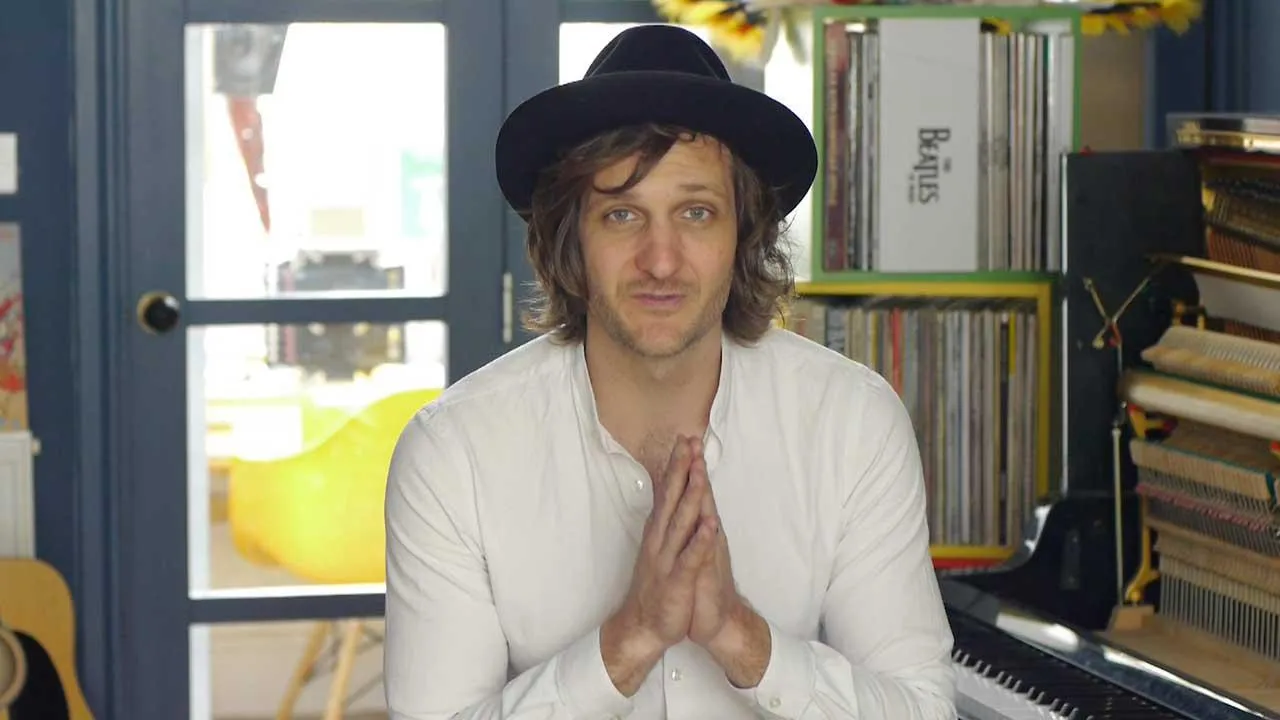
Paddy Milner gilt als einer der besten Blues-Pianisten der Welt – derzeit ist er der Stammkeyboarder von Sir Tom Jones, nach mehreren Jahren an der Seite des großartigen, verstorbenen Jack Bruce –, aber er ist auch ein hervorragender eigenständiger Songwriter und ein unverwechselbarer Sänger. Lies einfach das Lob von Größen wie Dave Brubeck weiter unten! Sein Spiel war auf dem Soundtrack des Kinohits 'Rocketman' von 2019 zu hören. Zweimal wurde er bei den British Blues Awards als bester Keyboarder ausgezeichnet, und als Gründungsmitglied der Ronnie Scott's Blues Explosion hat er eine langjährige Residency im weltberühmten Club Ronnie Scott's. Seine aktuelle Band LONDONOLA spielt selbst geschriebene britische Musik mit einer kräftigen Portion New-Orleans-Geist, und sein gemeinsames Projekt JAWBONE geht seit der Veröffentlichung des gleichnamigen Debütalbums von Stärke zu Stärke. „Ich liebe es... da ist einer, der wirklich Klavier spielen kann" - Dave Brubeck „Ich kann es nur wärmstens empfehlen. Irgendwie fängt alles an, sich viel besser anzufühlen!" - Jack Bruce „Der beste Blues-Pianist Europas..." - Blues Access, USA „Beeindruckend und originell" - The Times „Blendend" - The Independent In seinen Kursen zerlegt Paddy den authentischen Blues-Shuffle, Slow Blues, Boogie-Woogie, Rock 'n' Roll und das New-Orleans-Piano – bis hin zu drei klassischen Boogie-Woogie-Songs –, damit du diese Stile bei einem der Allerbesten des Fachs lernst. read more