



Was macht einen guten Hammond-Spieler aus?
Lesson time: (1min 58sec)
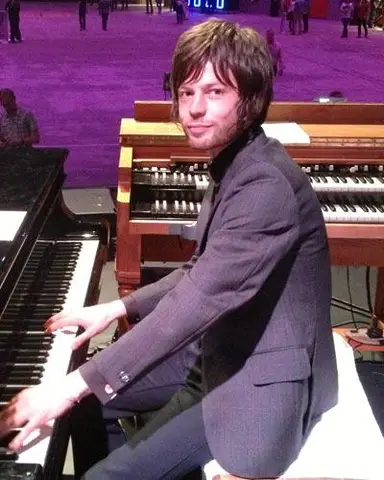
Joe Glossop erklärt, dass großartiges Hammond-Spiel damit beginnt, zu verstehen, wie sich die Rolle der Orgel von Klavier oder Keyboards unterscheidet, statt nachzubilden, was du schon kannst.
Course preview
This lesson is part of the course Authentische Hammond-Sprache für Rock und R&B
Watch a preview of the full course below.
Lesson transcript:
Understanding the Hammond Organ
I think what makes a good Hammond player is a fundamental understanding of the difference between keyboard instruments and a Hammond organ.
The Unique Role of a Hammond Player
It's the approach that differs your role in any outfit or context. Your contributions are quite different.
- Chorus vs. Pad:
- You can't lift a chorus with a pad on a piano.
- You just can't add the same things.
You've got to take on a different role and understand that role, rather than trying to recreate what you might already know on a piano or a keyboard.
A Fundamental Understanding
I believe it's that fundamental understanding that is essential.
- Not everyone should learn to play the Hammond organ.
- People who truly love it should pursue it.
- Hopefully, they'll gain the tools to really understand the instrument.
This understanding allows players to get the best out of the Hammond and utilize all the amazing sounds it can produce. I think people sometimes don't make the most of it when they lack this fundamental understanding.
The Inspiration Behind My Selections
All the tunes I've chosen, I selected because I love them. I have probably loved them for a long time.
- Inspiration:
- They are fundamental things that made me want to play.
- They continue to motivate me to play full-time.
This music is very much from the late 50s to the early 70s. The Hammond, really, can be traced back to Jimmy Smith, who is the obvious figure that popularized it in jazz before rock existed in the mid-50s.
Other influential artists include Bill Doggett and others before him.
The Evolution of Music
To summarize, I believe this music very much represents the style from the mid to late 50s until the early 70s. After that, synthesizers took over, and the Hammond organ gradually fell out of popularity.
About the instructor
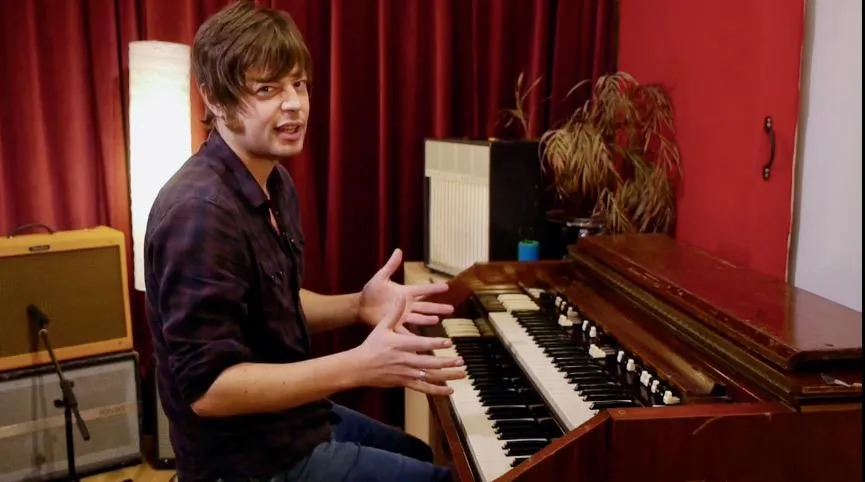
Joe Glossop ist ein Keyboarder aus Sheffield, der sich an der Hammond-Orgel einen Namen gemacht hat. Derzeit hat er den Orgelplatz in Tom Jones' Tourband inne und hat mit Van Morrison und James Hunter gespielt, ebenso an Klavier und Rhodes. Seine Kurse holen den echten Hammond-Sound aus jedem Keyboard heraus: die Zugriegel-Registrierung, das Leslie, den Walking Bass der linken Hand und das Begleit- und Solovokabular der Soul-Jazz-, Blues- und Rock-Orgeltraditionen, von Jimmy Smith bis Booker T. read more