Deep Purple - Hush

Mit
Joe GlossopNimm John Lords aggressiven, perkussiven Hammond-Orgel-Part in 'Hush' von Deep Purple auseinander, vom Staccato-Intro bis zum Refrain im Quintenzirkel.
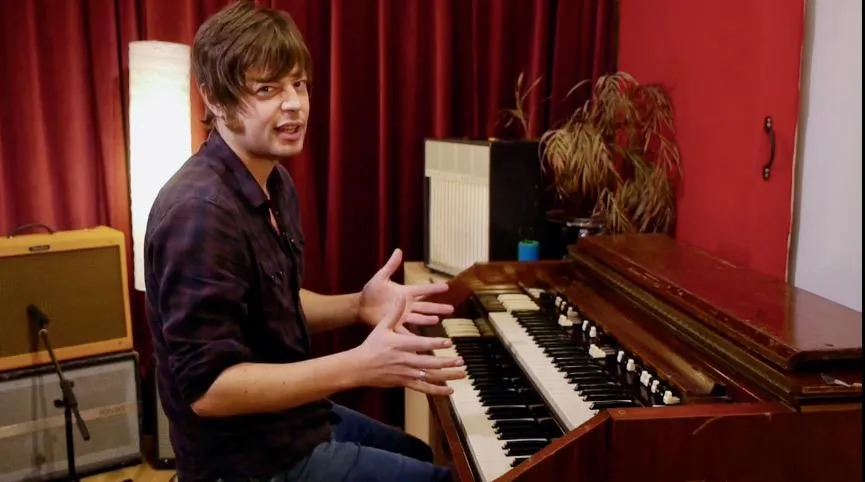
Das steckt im Kurs
21 Lektionen (1h 25m) · 1 gratis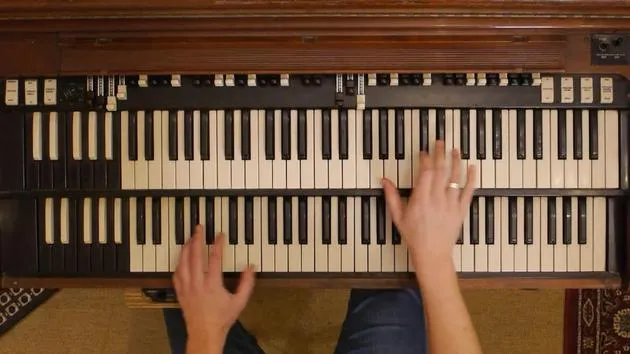
01. The Small Faces - Tin Soldier (Auftritt)
1:16
02. The Small Faces - Tin Soldier (Analyse)
7:03
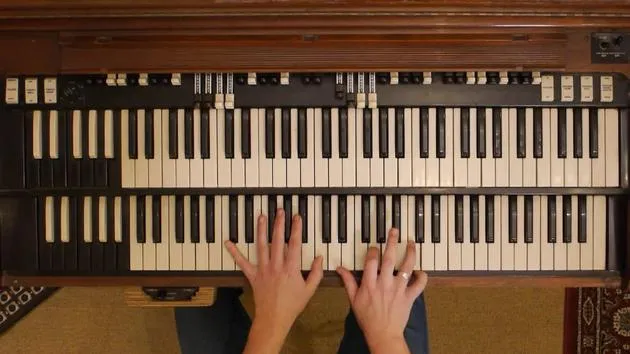
03. Deep Purple (John Lord) - Smoke On The Water (Aufführung)
1:02
04. Deep Purple (John Lord) - Smoke On The Water (Analyse)
8:38
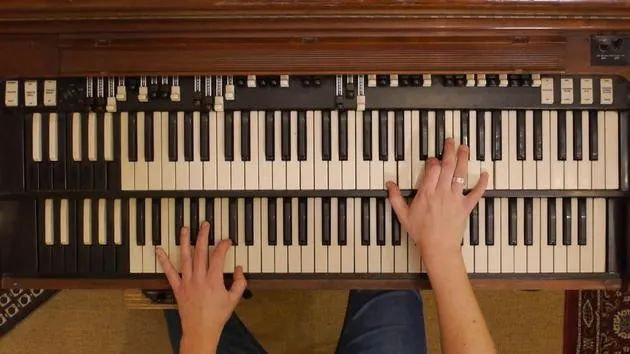
05. Allman Brothers - Whipping Post (Interpretation)
1:23
06. Allman Brothers - Whipping Post (Analyse)
8:39
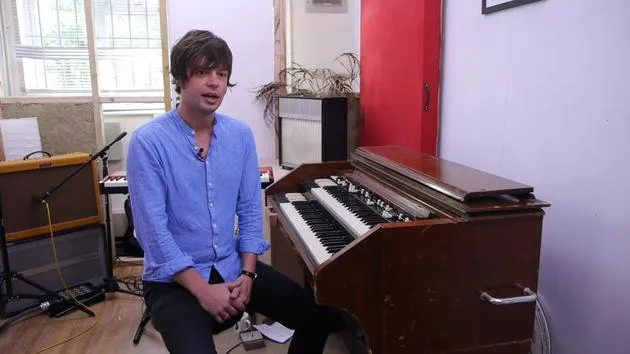
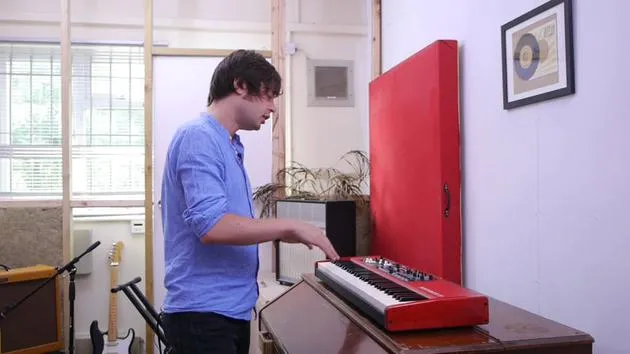
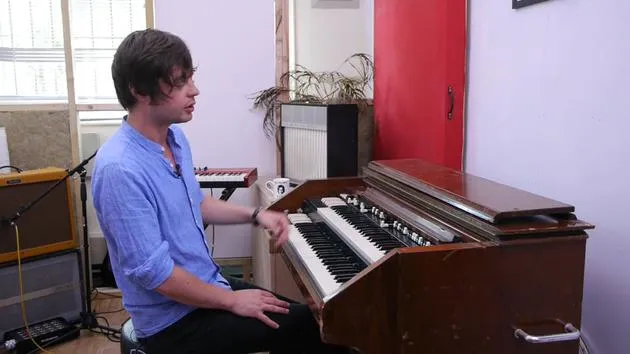
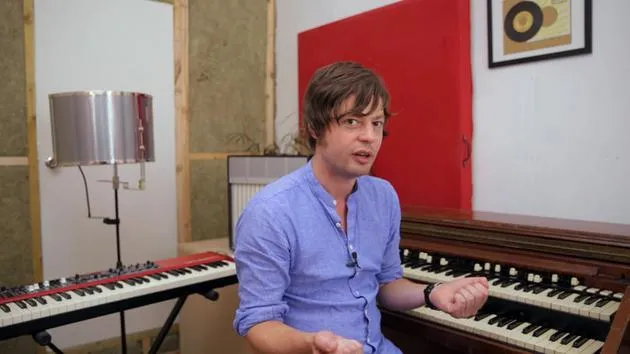

Transkript der Lektion
Music Lesson: Hush by Deep Purple
Introduction
Today, we're diving into "Hush" by Deep Purple, focusing on the iconic Hammond playing of John Lord.
Key Moments to Explore
The Intro
- The intro has a mysterious effect that may intrigue listeners.
- We've explored some of these techniques in a bluesy, soulful context, but Lord's approach here is more aggressive.
- There is a percussive element in the intro, using a full tone.
Technique:
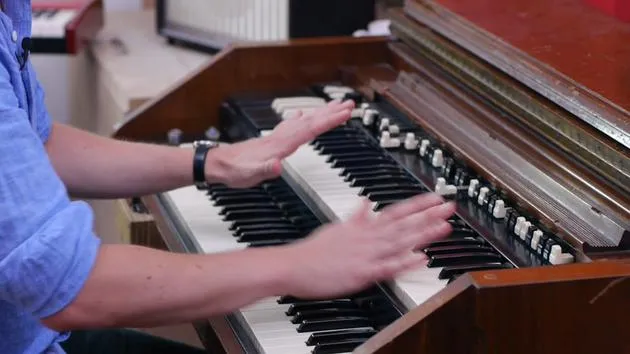
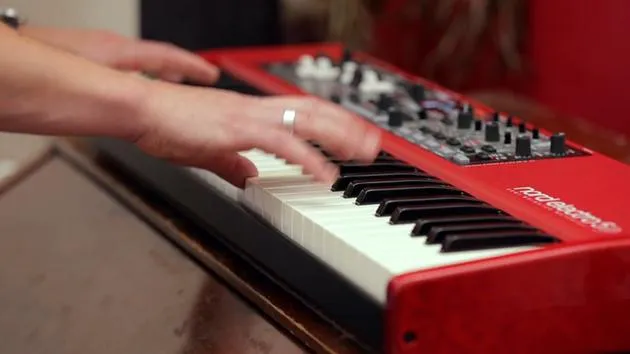
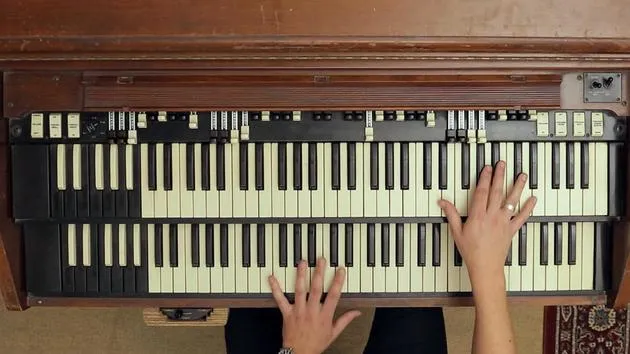
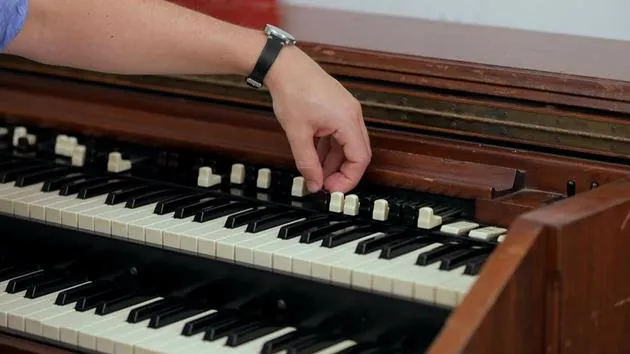
- Currently, I'm using a set of drawbars with the brake switch on.
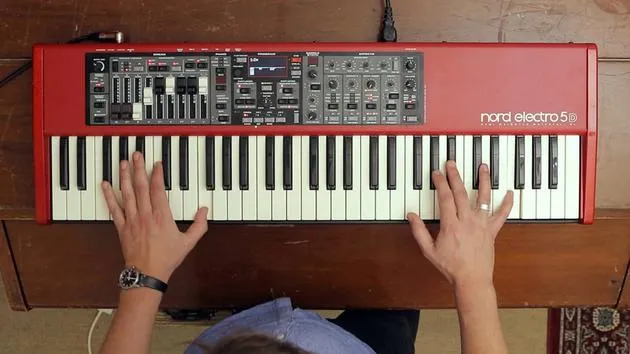
- If you have a Nord keyboard, set it to slow mode and engage the stop setting.
- The rhythm is left, right, left; this is how John Lord achieves the effect.
Sound Choices
- In a full rock context, a thicker, fuller sound works well.
- However, for a soul vibe, consider using a lighter tone to achieve a conga-like effect.
- Think of it as playing a conga part, focusing on effect rather than traditional notes and tones.
- The technique works well at fast tempos, but for slow tempos, ensure a direct sound. This is important because the phrases are played staccato.
Verse and Chorus
- The verse follows a classic 7 to 4 progression.
- The chorus features a cycle of fifths, reminiscent of the famous "Hey Joe":
- We're in C, so we start on the flat 6 (Ab).
Transition:
- Returning to the stop from the intro allows for a different approach and tone.
Playing Techniques
- A classic technique is holding the root note while playing other notes beneath it with the same hand.
- Don't feel obligated to always use the left hand; you can incorporate some percussive elements.
- The right hand carries most of the melodic responsibilities.
The Solo
- While I won't break down the solo note for note, it begins with powerful, high notes and a full sound.
- Lord employs classic trills using the 1 and 5.
- His playing leans heavily on the blues scale.
Aggressive Playing
- As the solo progresses, expect a percussive style with fast chord changes.
- His technique is about playing as fast as possible while maintaining a stiff arm posture, adding to the aggressive rock vibe.
Final Touches
- The solo is characterized by sweeping motions and holding high notes.
- It primarily features simple blues scale patterns, often dropping from the 7.
- The tone is further enhanced using a C3 vibrato, creating a compressed, in-your-face sound.
Conclusion
This analysis of "Hush" highlights John Lord's mastery of the Hammond and offers insights into creating that classic rock sound. Experiment with these techniques to bring your own flair to this legendary track!
21 Lektionen
1 Std. 25 Min. strukturierte Videolektionen
Erweiterte Videofunktionen
Verlangsamen, Passagen loopen, mitlesen
Handy, Tablet & Desktop
Üben, wo du willst
100 % Zufriedenheitsgarantie
30 Tage Geld-zurück-Garantie
Lern deinen Guru kennen
Lern deinen Guru kennen
Joe Glossop ist ein Keyboarder aus Sheffield, der sich an der Hammond-Orgel einen Namen gemacht hat. Derzeit hat er den Orgelplatz in Tom Jones' Tourband inne und hat mit Van Morrison und James Hunter gespielt, ebenso an Klavier und Rhodes. Seine Kurse holen den echten Hammond-Sound aus jedem Keyboard heraus: die Zugriegel-Registrierung, das Leslie, den Walking Bass der linken Hand und das Begleit- und Solovokabular der Soul-Jazz-, Blues- und Rock-Orgeltraditionen, von Jimmy Smith bis Booker T.