



Turnaround Variations

With
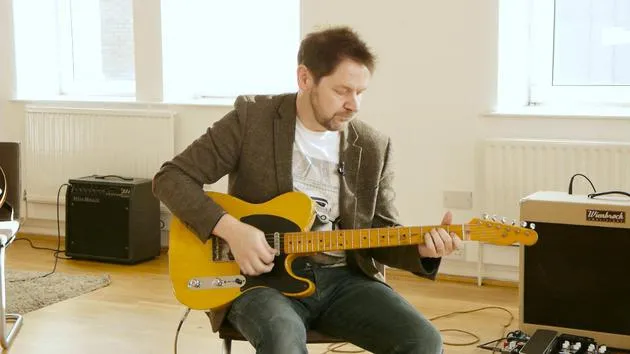
Ron SayerRon Sayer shows several ways to play the last two bars of a 12-bar blues, using 13th chords and other voicings to finish the turnaround.
What's in the course
12 lessons (1h 8m) · 1 free
01. Pentatonic And Blues Scale Shapes: A Review
Free lesson6:59
02. A Different Pentatonic Shape!
5:10
03. Adding Flat 5th, Major 6th To The Pentatonic Scale
3:45
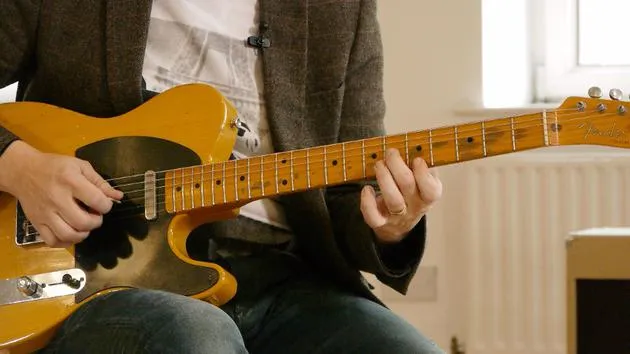
04. Mixing Major & Minor Pentatonics.
4:41
05. The Hybrid Blues Scale
4:26
06. Using double stops
6:35
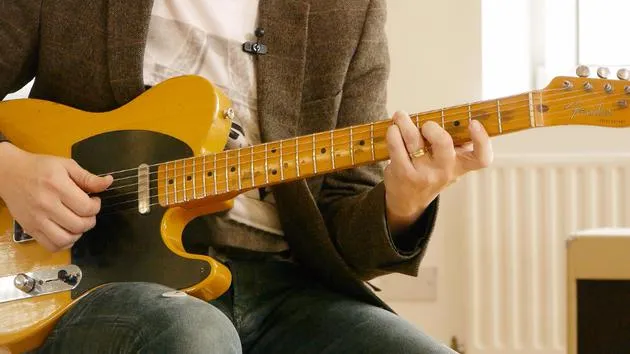
07. Double Stops with passing notes
4:18
08. Ways To Play: 7th Chords
6:26
09. Ways To Play: 9th Chords
4:49
10. Cool chords
10:42
11. Turnaround Variations
You are here5:25
12. BONUS RIFF: Learn how to play Pride & Joy by Stevie Ray Vaughan
5:30
Lesson transcript
Exploring Turnaround Endings in 12-Bar Progressions
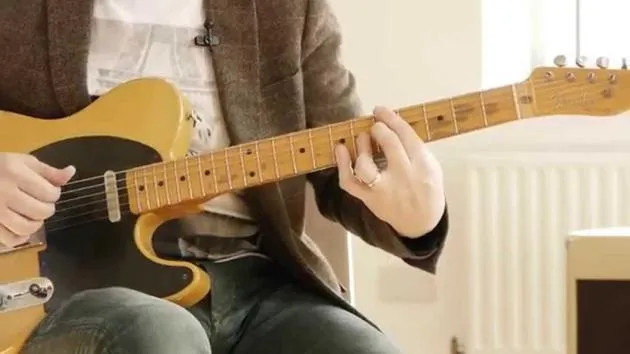
Hello! Hopefully, you've familiarized yourself with the 12 bars' worth of cool chords I showed you in the previous lesson. What I want to do, just to finish off this round, is look at ways you can play the last two bars of this turnaround. Essentially, it's nice to know varying ways of finishing off a 12-bar progression. So, we're going to have a look at that.
Recap of Initial Chords
Our initial 12-bar progression was using the following chords:
- A7
- C9
- B minor 11
- B flat 7 flat 5
Additional Turnaround Variations
We are going to explore four more ways of treating the last two bars.
Variation 1: 13th Chords
- A13 chord
- F sharp 13 chord
- B13 chord (a leap up)
- B flat 13 chord
This creates a nice and easy ending using all 13th chords, allowing you to move your hand down easily.
Next Option: Instead of going down to the F sharp 13 that we did last time, go up to the C13. This gives you another option for your turnaround. Mysterious, right?
Variation 2: Quick Changes
- A7
- F sharp 7
- F9 (with a C in the bass)
- Quick change from E7 sharp 9 flat 13 to B flat 13 chord.
Note: The only difference in this chord sequence is the root note. It starts on E, then shifts to B flat, with all the same notes involved.
You'll start with:
- A7
- F sharp 7
- F9
- Back to a 13
I'll do that one more time for you.
Variation 3: Chromatic Movement
This time, for our second variation, we'll:
- Go down to the F sharp
- Come back up chromatically to A
What we've done so far has always been quite slow.
Speed it Up!: You can obviously do this at a swing pace, playing through these variations a little faster.
Variation 4: Utilizing Bass Notes
You can also explore playing these variations at speed, which sounds quite good when you use the bass note.
Summary of Approach
The best way to approach these variations is to:
- Learn the 12-bar progression with the chords.
- Practice adding those different endings each time you play through it.
This will help you become comfortable with having some variations in your coda.
12 lessons
1h 8m of structured video lessons
Advanced video features
Slow down, loop a passage, follow along
Mobile, tablet & desktop
Practise wherever you are
100% satisfaction guarantee
30-day money-back guarantee
Meet your guru
Meet your guru
Ron Sayer is a guitarist's guitarist on the UK blues circuit and a mentor to players including Oli Brown and Sol Philcox. He has been nominated four times at the British Blues Awards - for the album 'Better Side', the single 'Don't Make Me Stay', and his co-writing on Oli Brown's 'Here I Am' - and has won Guitarist of the Year. In his courses he breaks down the phrasing, tone and feel behind electric blues lead playing.







