



Soma, Simon Troup (Lesson)
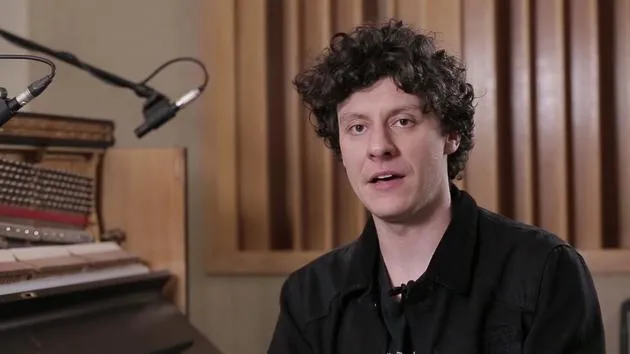
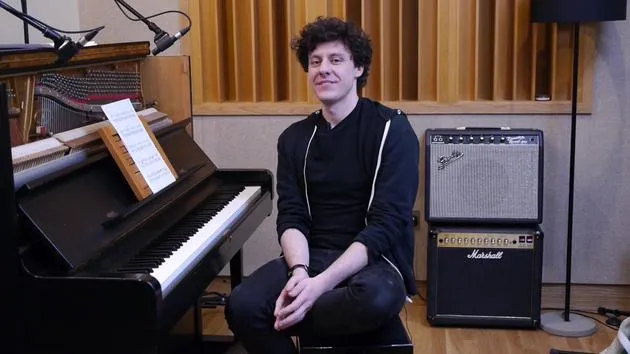
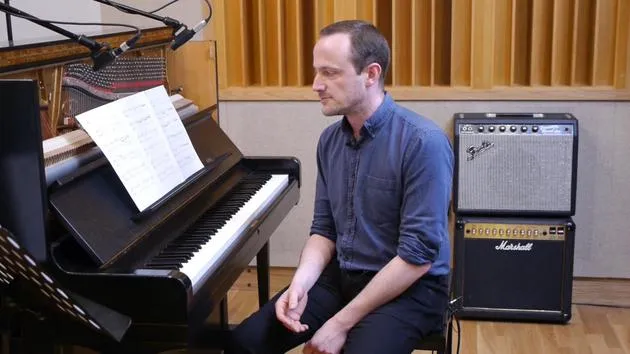
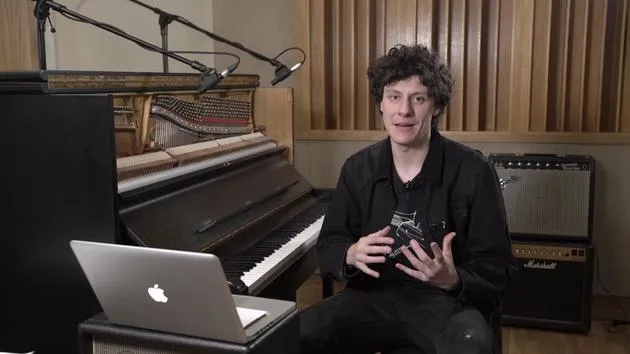
Ross Stanley walks through Soma by Simon Troup, a gentle, lyrical Grade 7 piece that pays homage to Jeff Beck and lives or dies on its phrasing.

What's in the course
29 lessons (2h 46m) · 1 free
01. Hard to Handle, The Black Crowes (Performance)
3:10
02. A Song For You, Ray Charles (Performance)
Free lesson4:30
03. Theme from Schindler's List, John Williams (Performance)
4:00
04. Natchez Trace, Glen Partridge (Performance)
2:56
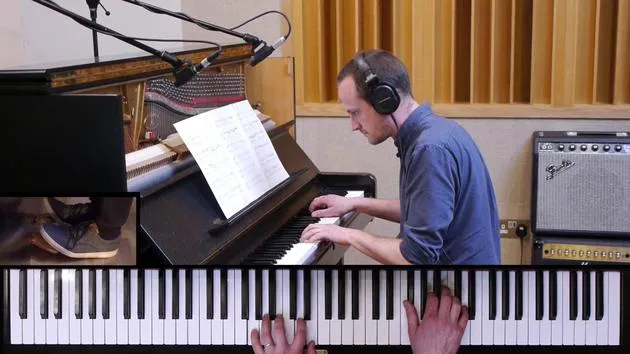
05. Soma, Simon Troup (Performance)
2:45
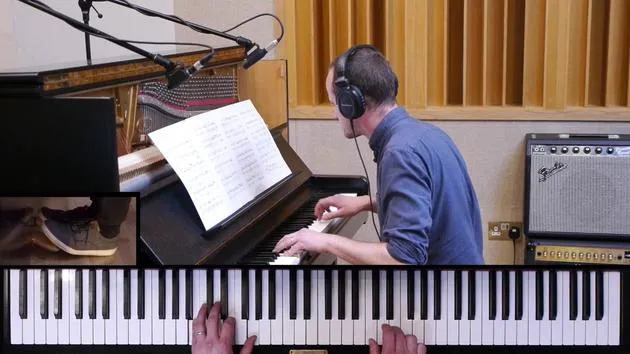
06. Times Square, Kit Morgan (Performance)
3:11
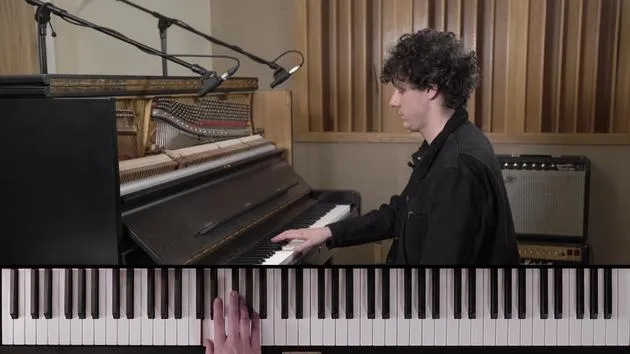
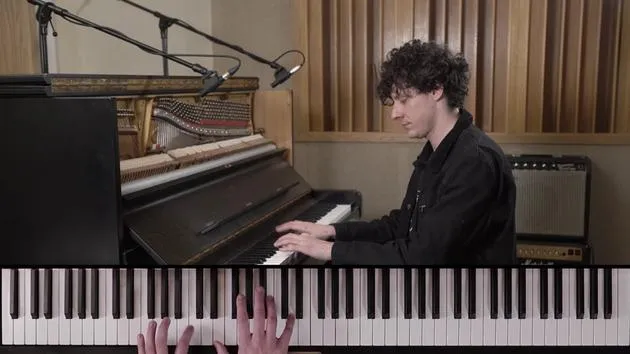
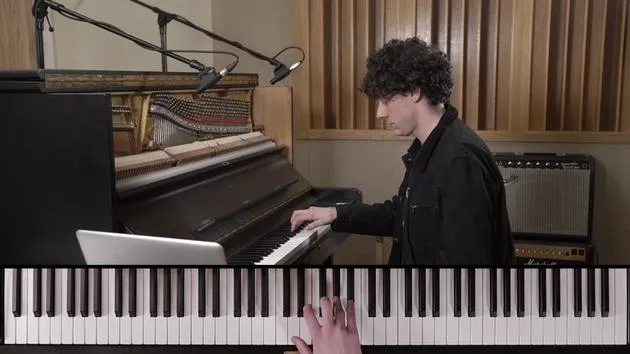
Lesson transcript
Music Lesson: Soma
Introduction to the Piece
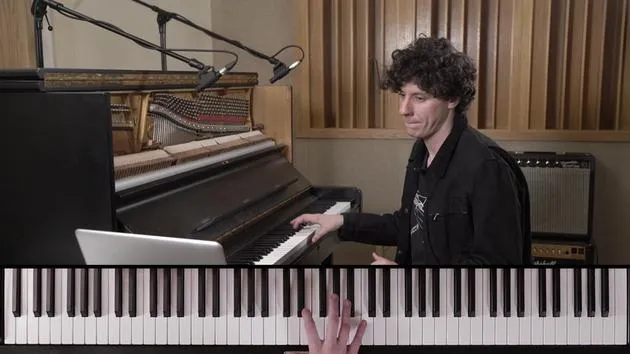
Soma is a really beautiful, lyrical composition. It is very gentle, pretty much all the way throughout. This piece pays homage to the music of the English rock guitarist Jeff Beck. Although classified as blues music, it embodies Jeff's unique style, which fuses different influences.
Influential Pianists to Explore
Here are a few pianists you might want to check out in this style:
- Richard Wright: A founder member of Pink Floyd.
- Rick Wakeman: Famous for being part of the seminal prog rock group, Yes.
- Jason Rubello: An amazing pianist who played with Sting for many years and featured on Jeff Beck's album, Live at Ronnie Scott's.
A Closer Look at the Piece
At first glance, the piece may look quite simplistic or straightforward, but it is a bit trickier to play. The first thing to note is the phrasing throughout the entire piece. Someone like Jeff Beck is an absolute master at phrasing, so you need to think of larger phrases rather than just smaller ones within each bar.
Smooth and Legato Playing
A large part of playing this piece is how smooth it needs to be, or, in classical terms, how legato you must play. Here are some key points to consider for smooth playing:
- Utilize the sustain pedal for seamless joins between notes.
- Be careful with the pedal; if overused, it can blur the notes together.
Demonstration of Pedal Use
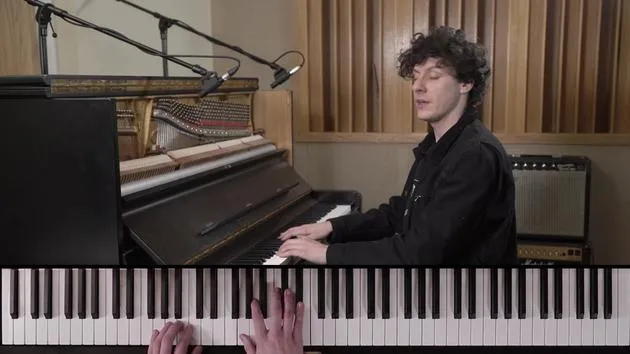
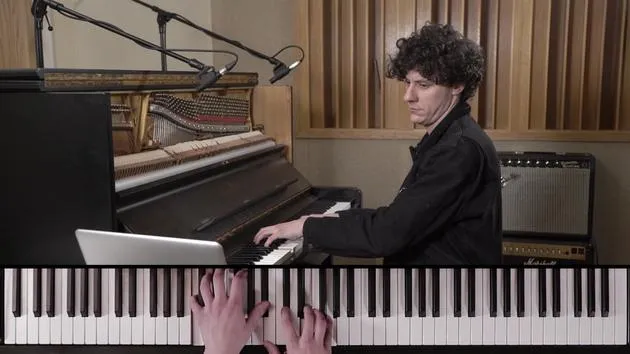
Let's look at how to use the sustain pedal:
-
Correct Use:
1, 2, 3, 4, 5, 6, 1, 2, 3, 4, 5, 6.
(As you can hear, everything's joined nicely, but each note is still distinct.) -
Avoiding Overuse:
2, 3, 4, 5, 6.
(In the second bar, ensure you clear the pedal before the second chord.)
Organ Fingering Technique
If you're familiar with classical organ playing, consider organ fingering, which is useful because there is no sustain pedal on a church organ. You would change fingers while holding down a note to smoothly jump to a different one. However, since we have the sustain pedal in this case, you don't need to focus on that particularly.
Time Signature Considerations
The piece is in 12/8, which can make it easy to get lost in the bar. Here are some suggestions:
- Break it into manageable chunks.
- Some may feel the pulse as a slow four, with four dotted quarter notes per bar, which you can further divide into three eighth notes.
Focus on Bars and Syncopation
- Pay special attention to Bar 13 in the B section, where the melody note lasts for four beats, making other notes syncopated.
- Grace notes, especially prevalent at the start of the B section, should fall just before the downbeat to highlight the main melody note that follows.
Practice Recommendations
- Bars 14 and 27: Practice with a metronome to handle the fast runs and accidental notes.
- C Section: Focus on sound production. This section allows for an exploration of tone, possibly incorporating the soft pedal to modify sound.
Rhythmic Complexity
In Bar 26, note that the first two dotted quavers fit over the space of three quavers. Utilize the 2 over 3 rhythmic device for ease of practice.
Final Thoughts
At the very end, in Bar 33, there is a ritardando (Rit), indicating a sudden slowing down of the piece. The penultimate bar can be played freely in your own time.
This is a lovely piece to play but requires thought and attention to detail. Getting used to the long bars of 12/8 will enhance your performance. Best of luck, and hope you enjoy it! See you for the next lesson.
29 lessons
2h 46m of structured video lessons
Advanced video features
Slow down, loop a passage, follow along
Mobile, tablet & desktop
Practise wherever you are
100% satisfaction guarantee
30-day money-back guarantee







