



Scales - Grade 7
Work through the Rockschool Grade 7 scales and arpeggios: four-octave shapes at brisk tempos, with tips on staying relaxed and building speed hands separately.
What's in the course
29 lessons (2h 46m) · 1 free
01. Hard to Handle, The Black Crowes (Performance)
3:10
02. A Song For You, Ray Charles (Performance)
Free lesson4:30
03. Theme from Schindler's List, John Williams (Performance)
4:00
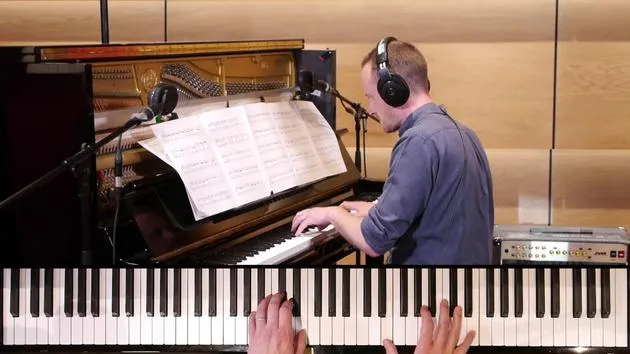
04. Natchez Trace, Glen Partridge (Performance)
2:56
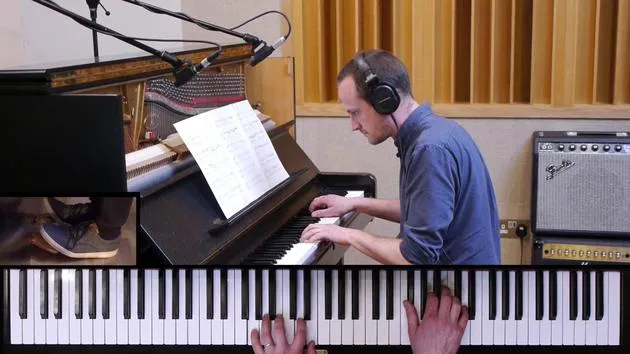
05. Soma, Simon Troup (Performance)
2:45
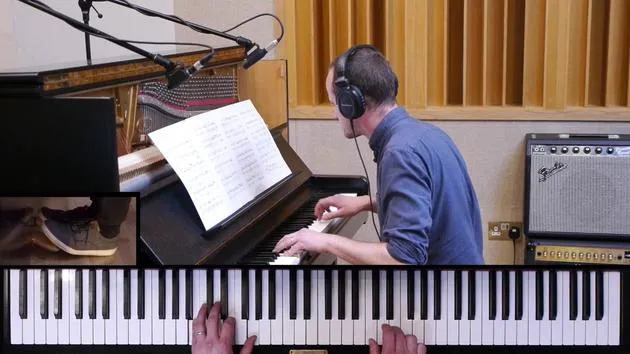
06. Times Square, Kit Morgan (Performance)
3:11
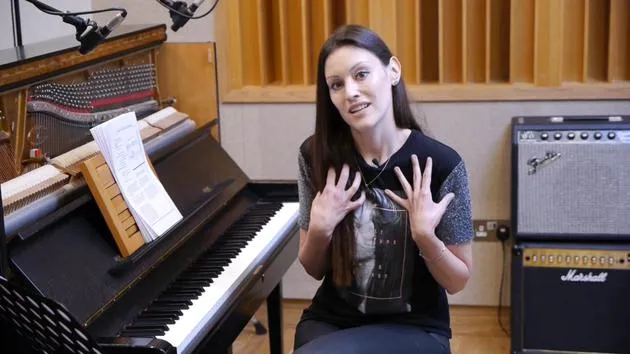
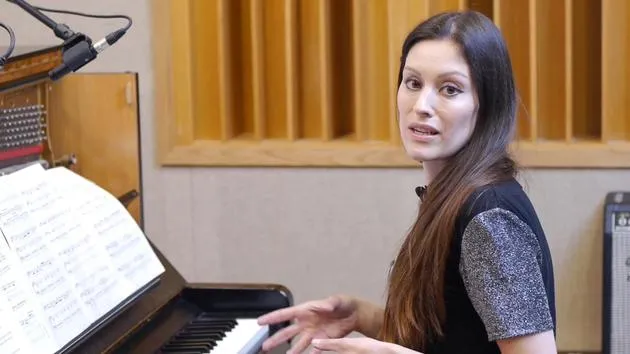
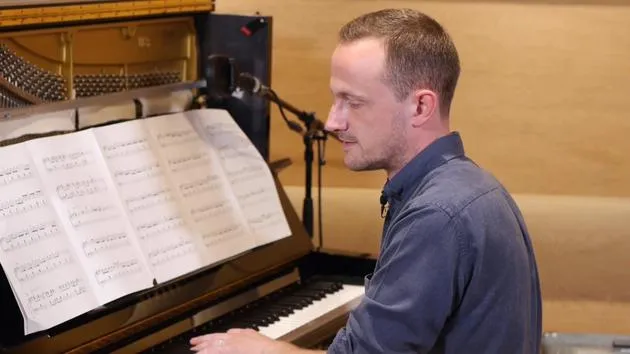
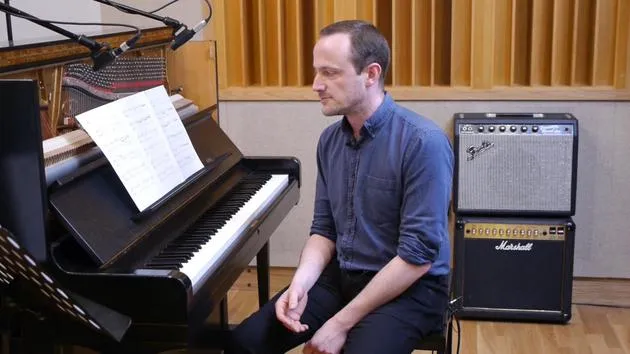
Lesson transcript
Rock School Grade Seven Technical Exercises
Introduction
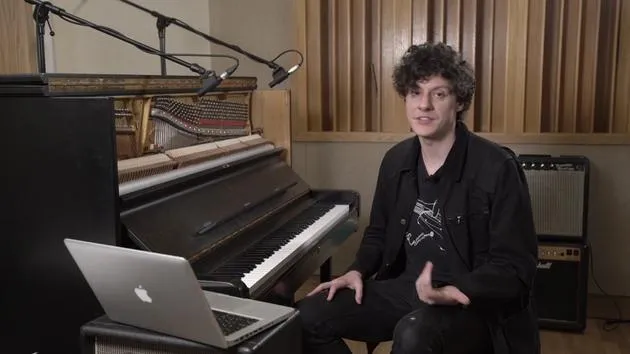
Hey, guys, and welcome to Rock School Grade Seven Technical Exercises. We're covering scales, arpeggios, and voicings today.
Scales Overview
Four Octaves
- We're dealing with four octaves here.
- Expect fast tempos , specifically, cross shapes of 160 BPM. These are pretty quick!
Relaxed Posture
- The important thing here is to have a nice relaxed posture.
- Be super chill when you sit at the piano.
Arm Position
- Keep your arms nice and relaxed, flowing up and down.
- If the tempos are too fast (which they probably will be at first), no worries!
- Slow it right down.
- Take your hand separately. It's all good.
Scale Details
Standard Scales
Most of the scales in Grade Seven are fairly standard. However, there are some slightly tricky keys:
- Six sharps
- Six flats
- Seven flats
Fortunately, many of them are scales we've already played before in lower grades, just enharmonically different.
For example:
- C flat is just B.
- So you've already played B. Great, we're halfway there!
Speed Difference
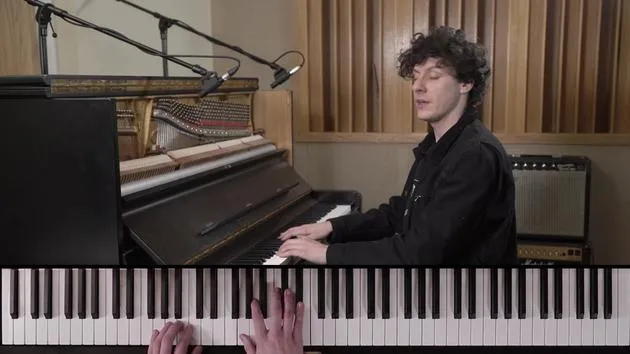
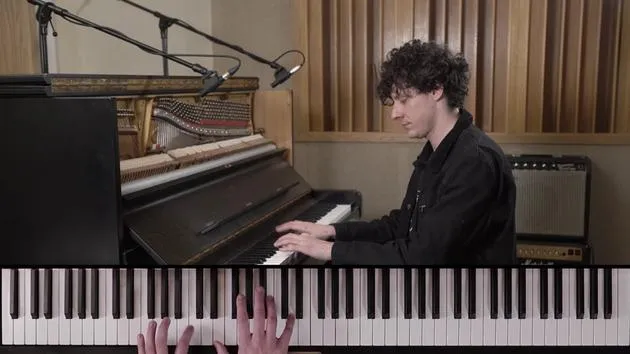
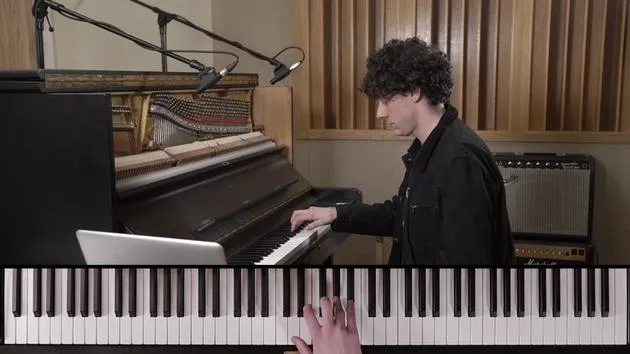
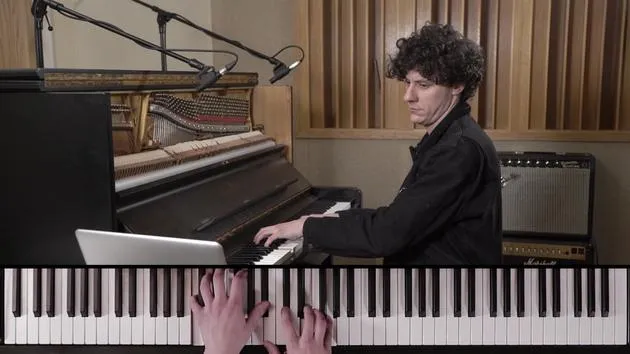
The main difference is the speed. To demonstrate that speed, I'm going to show you the C sharp major scale, which is number one in a straight style.
Challenging Scales
What makes these scales tricky is, of course, the speed, combined with unusual keys as well.
For example:
- C flat is B
- A sharp is B flat.
We've already played B flat minor, but this is a natural minor, using the Aeolian sound.
Understanding Aeolian Mode
- The Aeolian is the sixth mode of the major scale.
- The B flat natural minor is actually just D flat major but starting on B flat. So we've already gone halfway through.
Unique Scale: Whole Tone Scale
Most of these scales are fairly usual, except for one , the final one at number nine, which is a whole tone scale.
Whole Tone Scale Characteristics
- A whole tone scale means that the entire distance between every single note is a tone.
- Most scales have a mixture of tones and semitones; for example, a major scale goes tone, tone, semitone, tone.
- The whole tone scale progresses entirely in tones.
Sound and Usage
- It has a very dreamlike sound , think of it as what you hear during a dream sequence in films.
- It's very mysterious and augmented if you know your theory in harmony.
Practical Application in Jazz
This sound is often used in jazz improvisation when we're playing outside the strict harmony of what we're playing.
- It's a great way of passing between chords and sounds quite hip and avant-garde if you're interested in that sort of music.
The whole tone scale is a very, very useful thing to practice and play.
29 lessons
2h 46m of structured video lessons
Advanced video features
Slow down, loop a passage, follow along
Mobile, tablet & desktop
Practise wherever you are
100% satisfaction guarantee
30-day money-back guarantee







