



Advanced blues form
Take the 12-bar blues further, adding ii-V-I movements and turnarounds to build a more advanced, jazz-flavoured blues form at the piano.

What's in the course
29 lessons (2h 46m) · 1 free
01. Hard to Handle, The Black Crowes (Performance)
3:10

02. A Song For You, Ray Charles (Performance)
Free lesson4:30
03. Theme from Schindler's List, John Williams (Performance)
4:00
04. Natchez Trace, Glen Partridge (Performance)
2:56
05. Soma, Simon Troup (Performance)
2:45
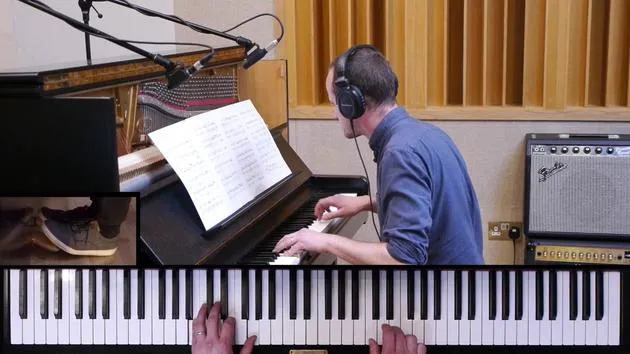
06. Times Square, Kit Morgan (Performance)
3:11







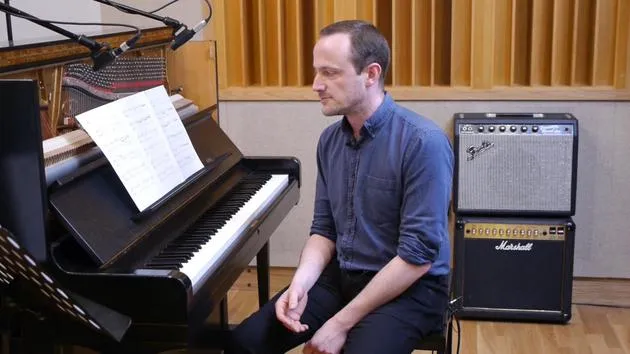


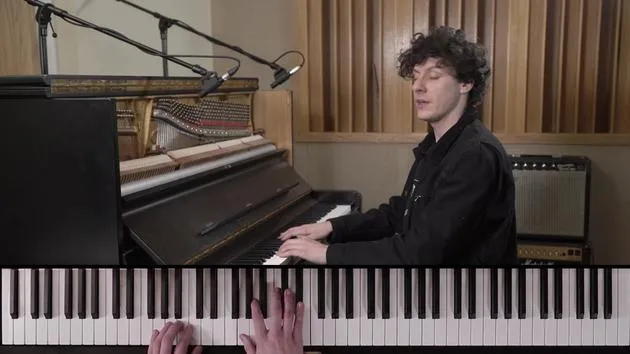
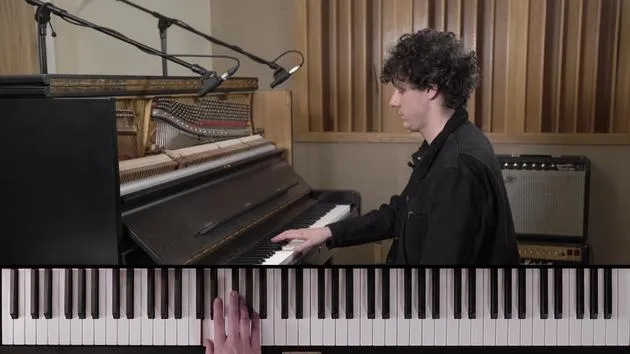
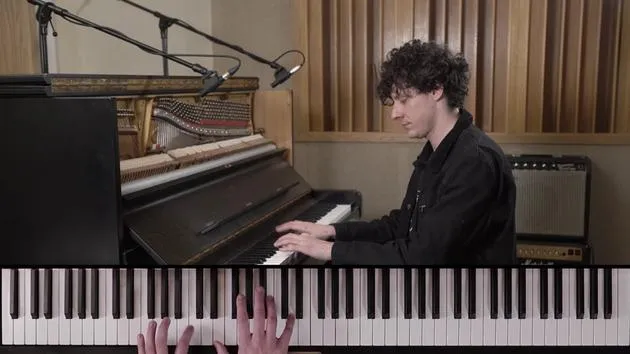

Lesson transcript
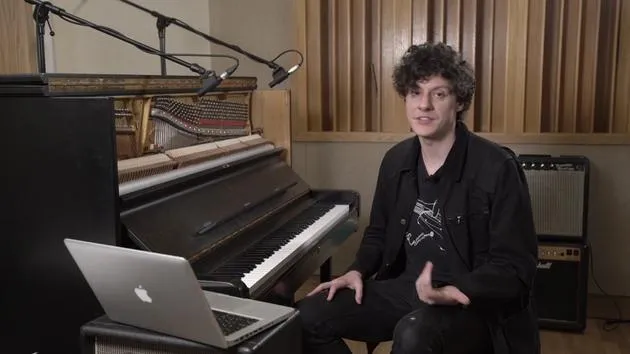
Advanced Blues Form Lesson
Recap of Previous Lessons
In the previous two videos, we explored:
- What the blues is:
- Basic form: Three chords of the blues
- Advanced form: Introducing more complex elements like the 2 and the 5 at the end of the sequence.
We also worked on developing:
- Chord tones
- The blues scale
Today's Objective
Today's lesson focuses on an even more advanced blues form.
Regular Blues Form
We've been playing the following form:
- 1
- 4
- 1
- 14 (sharp 4)
- Diminished
- 1
- 6
- 2
- 5
- 1
- 6
- 2
- 5
- 1
This advanced form will build on what we've learned, particularly in terms of two, five, ones, and turnarounds.
Turnarounds
At the end of the previous blues form, we encounter a turnaround:
- 1
- 6
- 2
- 5
We will incorporate these elements earlier in the blues progression as well.
New Progression Steps
-
Start on the 1:
Move to the 4, then back to the 1. -
Two-Five-One to B flat:
- Start: 1, 4, 1
- Transition: 2, 5, 1 to B flat.
-
Continuing the Progression:
- Diminished, then back to the 1.
- Transition to a 3-6: This involves the same pattern as the 2-5 but goes to the minor second.
In our case, the second of F is G. Use the II V pattern to reach there.
Using Major and Minor Chords
-
For Major chords:
- Use minor followed by dominant, followed by 1.
-
For Minor chords:
- Use a half-diminished chord.
- For example, the 2-5-1 to G is:
- A (half-diminished)
- D7 (dominant)
- G (major)
Final Four Bars
Now moving into the last four bars of the blues:
- Instead of just going directly to the G minor, we can introduce passing chords.
Passing Chords
We'll use:
- A to D
- Then we can head to A flat and D flat in between.
So, rather than moving directly from A to G to D, we will descend using the same pattern of minor 7 and dominant 7. This variation adds interest to the progression.
Conclusion
Remember, playing in a blues context generally follows this pattern:
- Blues Band: More straightforward.
- Jazz Context: Incorporating extra changes and harmonies adds more complexity and richness.
Developing Your Own Voice
As you continue this practice, keep in mind:
- The same form and the blues scale you've learned will still apply.
- Adding complexity enhances interest.
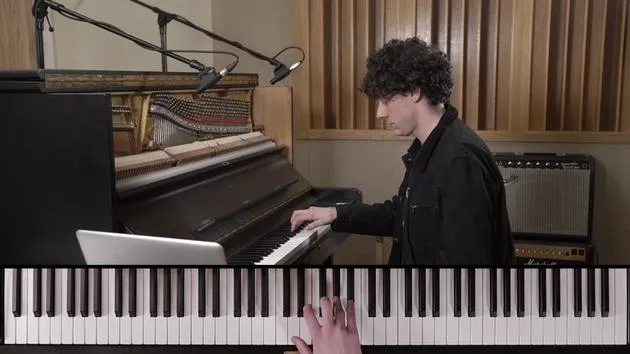
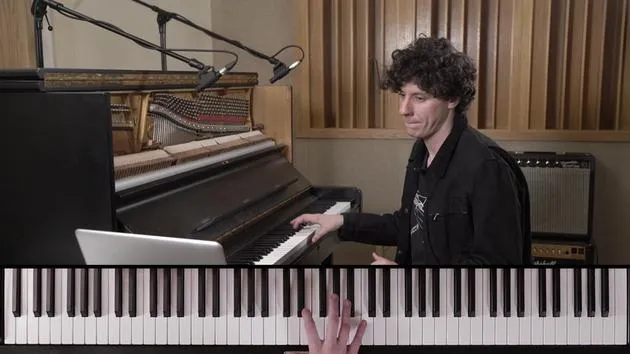
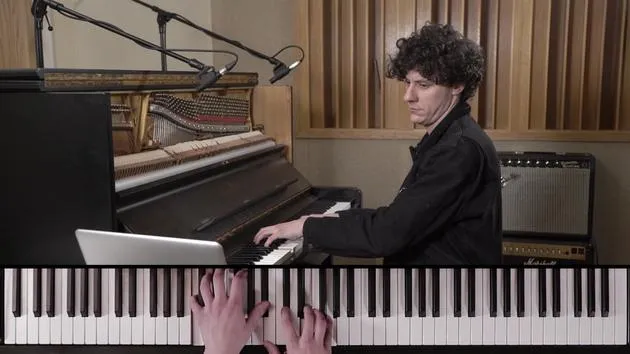
Let's elevate your skills! I will now play an improvisation, focusing on chord tones (root, third, fifth, and seventh of the blues form) while incorporating these additional elements.
29 lessons
2h 46m of structured video lessons
Advanced video features
Slow down, loop a passage, follow along
Mobile, tablet & desktop
Practise wherever you are
100% satisfaction guarantee
30-day money-back guarantee







