



Sitting with Your Guitar (Acoustic)

Lesson time: (3min 29sec)
Course preview
This lesson is part of the course Guitar Method: Rock & Pop
Watch a preview of the full course below.
Lesson transcript:
Acoustic Guitar Overview
As I mentioned earlier, there's also the acoustic guitar.
Body and Sound
- The body is a bit wider.
- It has a hole in the middle, which acts as our amplifier.
- This is where the sound comes out.
Everything else we spoke about is exactly the same:
- Frets
- Neck
- Tuning pegs
- Bridge
The only thing you won't find is volume and tone knobs. Since there's nothing the guitar is plugged into, we can play it exactly the same way.
Playing Technique
When pressing the notes down, you may need to be a bit firmer because:
- The strings are a bit stiffer.
- The tension is a bit harder.
But we play exactly the same as the electric guitar in terms of:
- How the frets work
- What the strings are called
- How we need to pluck it
Finger Pain and Adjustment
When you first start learning the guitar, the strings are quite hard, and your fingertips might start to hurt.
- The skin on your fingertips will harden over time.
- You'll get used to this feeling, and the pain will go away.
Tips for Learners
- Stick at it.
- Take it slowly.
- Take regular breaks if you need to.
- Keep coming back to these videos and progressing.
Sitting and Holding the Guitar
While I've got the acoustic out, let's look at how to sit and hold the guitar.
- Feet - A shoulder width apart.
- Guitar Position - Rest the acoustic or electric guitar on your right leg (if you're right-handed).
- Arm Position -
- Your right arm, holding the pick, comes over the body.
- Try to rest the corner of the guitar inside your elbow.
- Bring it into your chest, with your elbow towards the end of the guitar's body.
Posture
- My shoulders are nice and relaxed.
- I have a straight back while sitting.
- Avoid hunching over the guitar; it doesn't lead to good technique and can result in a sore back.
Left Hand Technique
When using your left hand:
- Come underneath the neck of the guitar.
- Avoid using your thumb just yet; rest your fingers on top of the strings.
Your thumb can come over when gripping the guitar‚ it can be in the middle, but avoid placing it at the very bottom, as it makes it quite a struggle to play.
Neck Positioning
- Keep the guitar on the top half of the neck.
- We will be looking at power chords eventually.
- Notice that your thumb may come up over the neck; this is totally normal.
Grip and Comfort
Your grip will vary with the guitar:
- When I started playing, my grip was very tight.
- As I progressed, it softened.
- Trust that your fingers will push in hard enough; you don't have to squeeze as hard.
Finding Your Style
- Some guitarists have a tight grip, while others prefer a loose grip.
- It's about what feels comfortable to you.
At the start, you might feel a strain on your hand, but give it a few weeks, or even a few months, and you'll start to loosen up.
Pain Management
If you feel pain in your fingertips or hand:
- Take a quick break.
- Consider coming back the next day or an hour later.
Remember, when starting out with the instrument, you don't want to overplay or overstress yourself.
Conclusion and Course Structure
For the rest of this course, I'll be using the electric guitar.
- Don't worry if you don't have one; the acoustic works the same way.
- While I will be discussing pedals and amp settings, these won't apply to you just yet, but it's useful knowledge for the future when you might get an electric guitar.
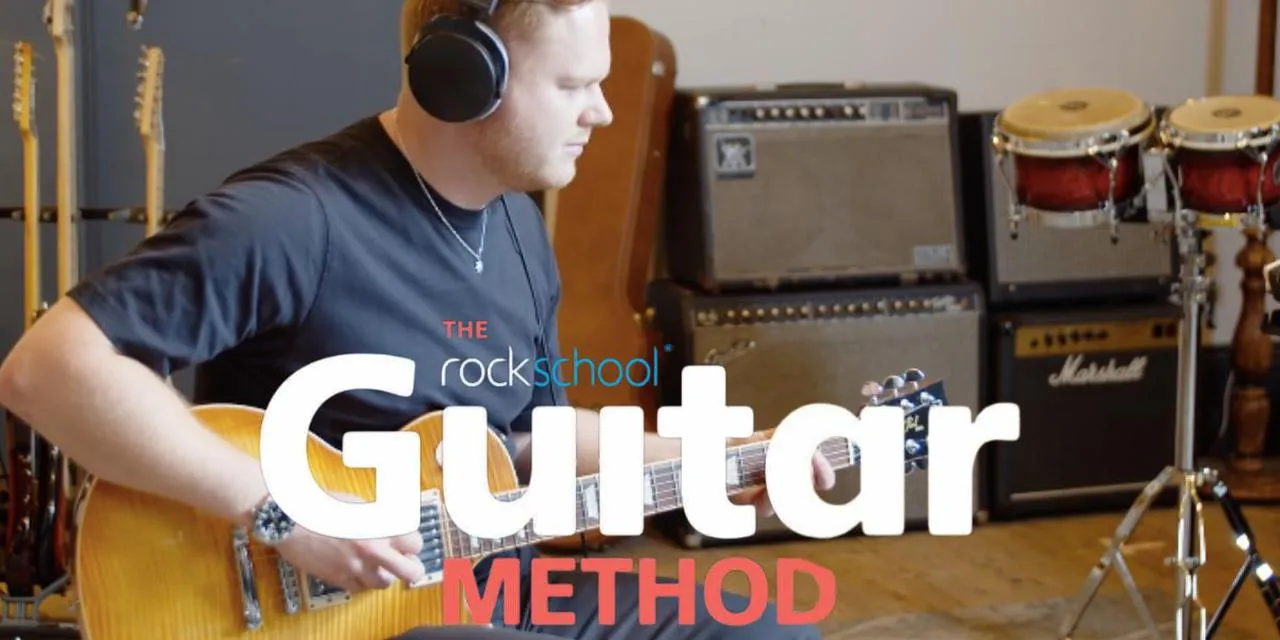
About the instructor
Tommy Webb is a London-based guitarist who completed a BA(Hons) Degree in guitar at the Academy of Contemporary Music in Guildford, studying under Sandy Beales (One Direction, Wheatus) and Nicolas Meier (Jeff Beck). His own playing moves freely across rock, pop, indie, hip-hop, country and metal - the exact ground his guitar methods cover. Tommy has worked with a wide range of artists and bands across the country, including Jarki Monno and Indira May, sharing stages and sessions with guitarists Paul Murray (Jess Glynne, Zak Abel) and Adam Chetwood (Paolo Nutini, Mark Ronson), and drummers Alex Woodward (Black Honey), Luke Robinson and “Bambi Music” (N-Dubz, Lethal Bizzle, Wretch 32, Tinie Tempah). On stage, he has performed at the Jazz Cafe opening for soul singer Jocelyn Brown, plus venues and festivals including Ronnie Scott's, Troy Bar, The Watford Colosseum, Camden Assembly, Kensington Roof Gardens, Notting Hill Arts Club, Meraki Festival and Sundown Festival. On record and radio, Tommy has played live sessions for BBC Three Counties Introducing, Vibe FM and Pulse 88, with tracks featured on BBC Radio 1 and Radio 2. He has recorded at studios including South Lanes Brighton, Hempstead Road and Titan Studios with producers such as Steph Carter (Gallows, Lyoness) and TMS / Froe Barnes (Lewis Capaldi, Dua Lipa). In his guitar methods, Tommy passes all of that working-musician know-how on to you - teaching the techniques, tones and feel behind real styles, from rock and pop to indie, hip-hop, country and metal, so you can play the music you actually love. read more