



Third band - analysis
With
Paddy Milner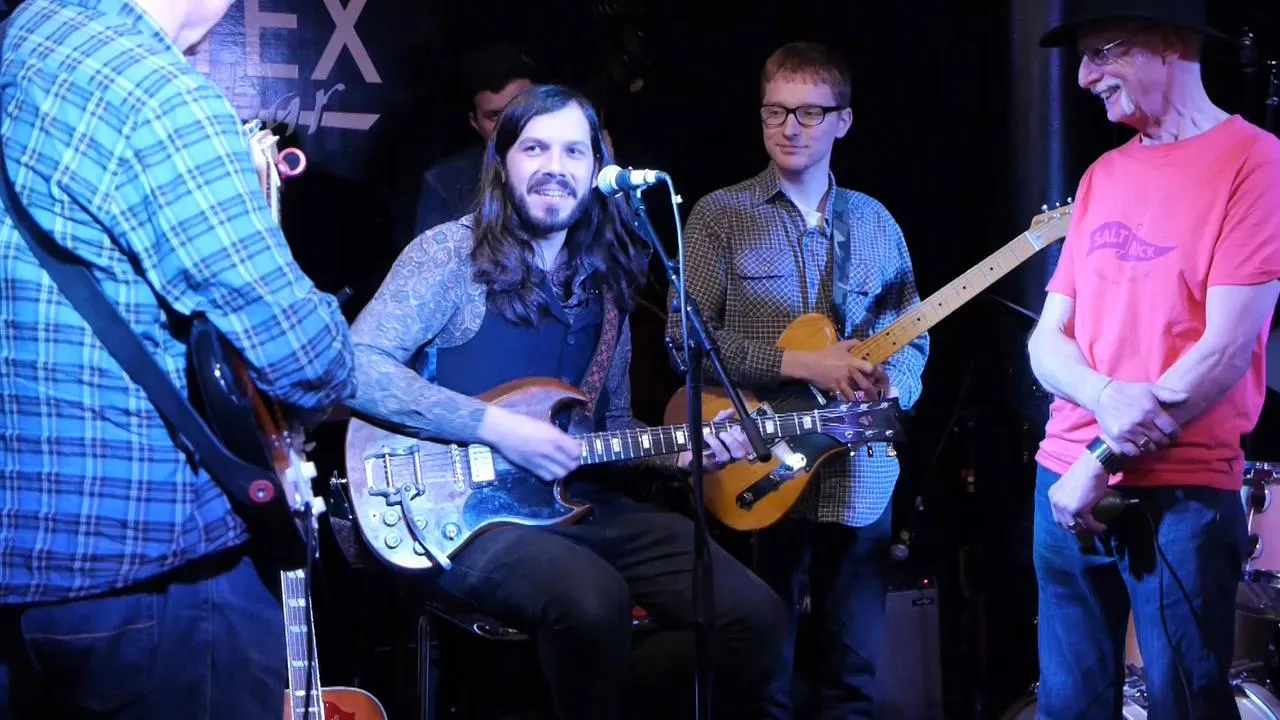
What's in the course
16 lessons (2h 45m) · 1 free
01. Performance of Tom Waits - Way Down In The Hole
3:33

02. First band - performance
6:38
03. First band - analysis
17:28
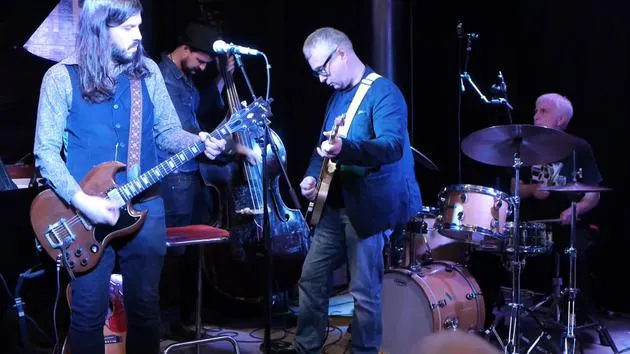
04. Second band - performance
3:27
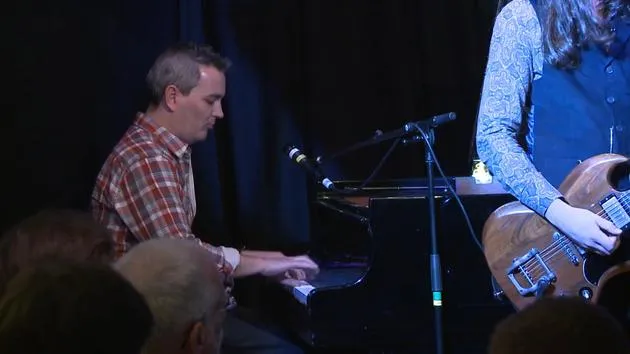
05. Second band - analysis
13:09
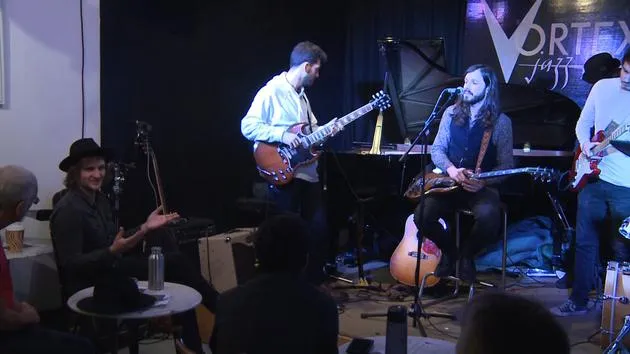
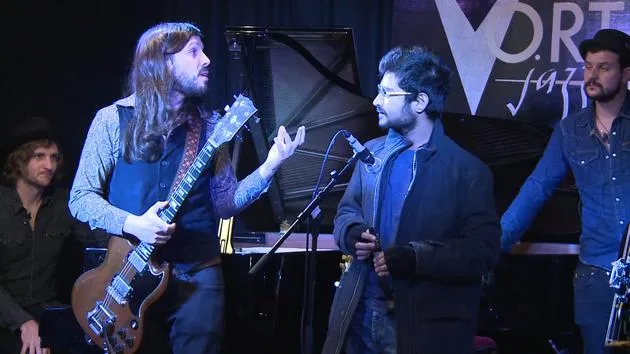
06. Third band - performance
7:28
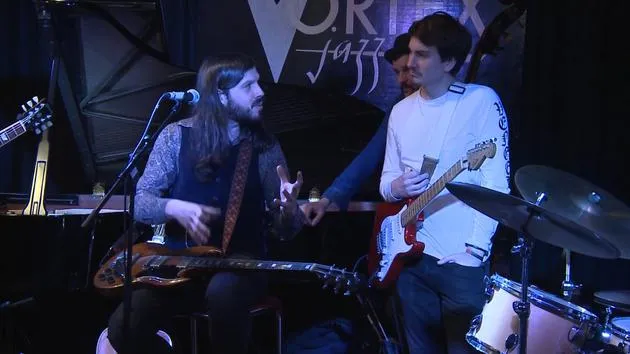
07. Third band - analysis
You are here6:27
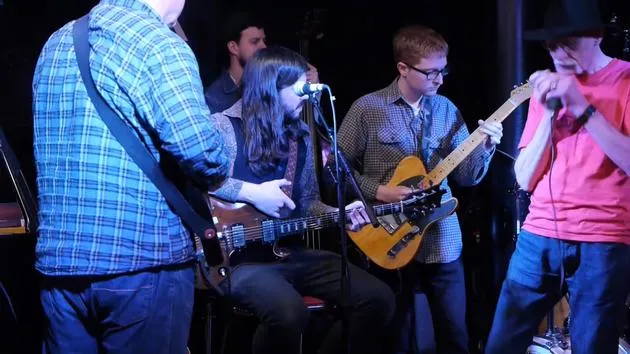
08. Fourth band - performance
4:37
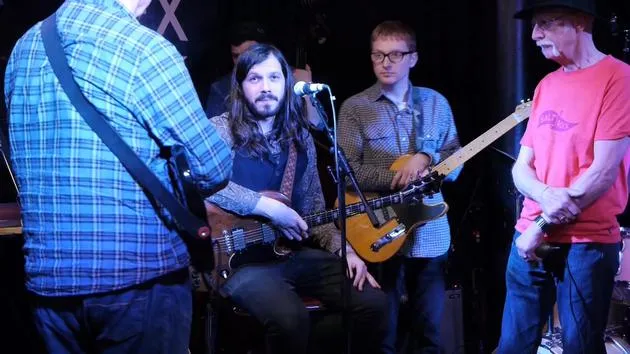
09. Fourth band - analysis
4:24
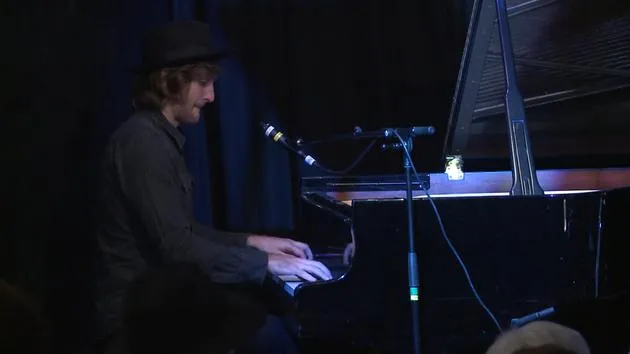
10. Performance - Mardi Gras
7:56
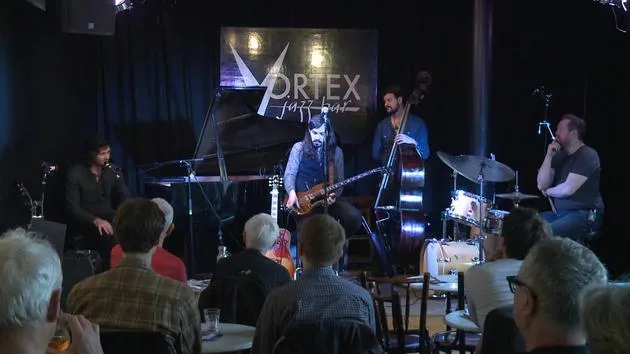
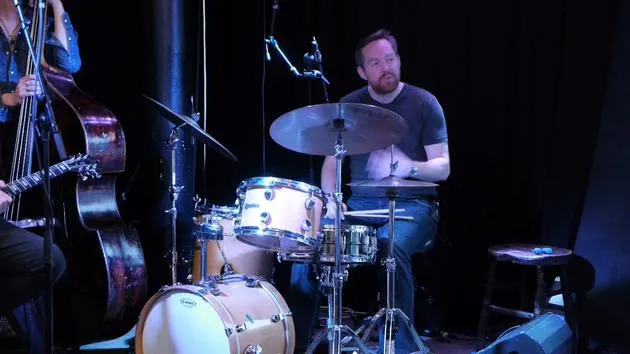

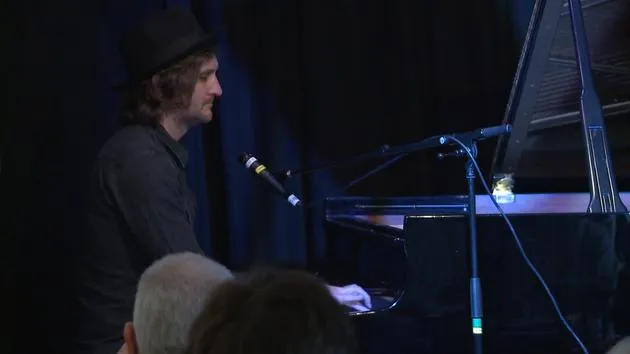
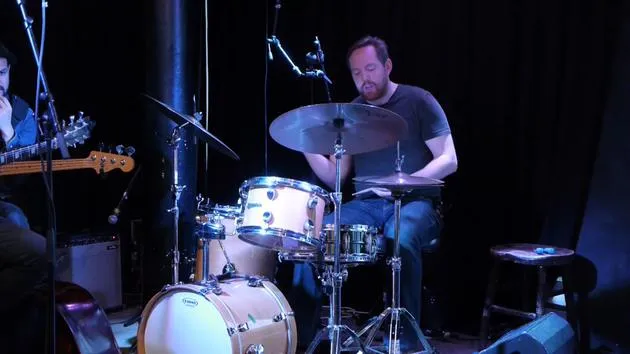

Lesson transcript
Music Lesson
Fantastic playing!
Yeah, lovely. I felt like we were getting somewhere, but it's cool, just a big... like that, you know?
Interesting Points
It's an interesting point actually. Earlier, we were having this conversation while having a coffee. As a bass player, you can take your time to see what's going on with everyone.
- Observation: Watching from the back, it felt like you could have been like, "I'm not done."
- Confidence: If it's your moment and you've got something to say, you're not done saying it. Regardless of what everyone else thinks, take another chorus and stick to your guns.
Musical Dialogue
Likewise, I thought you could have gone on because we were doing that big pedal we talked about. And then it dropped when Marcus said, "I did the introduction trick." I think I'm used to people doing quite short solos.
- Question: What band are you playing with?
On Mistakes
Another thing is that mistakes don't really matter; it's how you recover from them.
- In fact, that was one thing that stood out. Maybe you picked up on it too: there was a great little guitar moment where you went for a line and just hit maybe a semitone below it, then adjusted it.
- Suggestion: If you had done that again, it would have been really hip. Like they say, "If you make a mistake, do it again."
That was my favorite part of your solo because I knew you were playing something you heard rather than something you learned.
- It wasn't that everything else sounded like licks, but up there, you got to a place where you liked the sound but weren't exactly sure where it finished.
- You went a semitone too low, but there's no problem with that because it was music, you weren't playing a pre-learned lick; it was just a lovely little phrase.
Embrace the Mistakes
As Pad said, just play it again. Even louder; more attitude! Because you know what it is, you can work it into something else.
- Fun Aspect: It's quite fun when that happens. If the intention is there, the notes don't matter.
- Quote from Teacher: "If you're not placing it in the right place and it's the wrong note, then everything's wrong."
One of my percussion teachers once told me, "On the timpani, don't worry about the note, just hit it at the right time. At least you're doing half the things right."
Ending Discussion
So, should we talk about the ending? Marcus clearly said, "I'm going to cue the ending now."
- I decided to take the lead on that because we hadn't clearly established who was leading. The arm went up just before the first hit.
A lot of the time, there'll be a big bar and then we do the ending. But that's not always the case.
- Important Point: Always have your eyes up when the ending is cued. That's not the end; it's just the beginning of the ending.
- There are many things that could happen here.
We played the ending last night, and I'll be queuing that all the time, wanting the band to hit it with me. We hadn't rehearsed the ending, but I feel like it's obvious enough to know.
Key Moment
There's usually a big moment for the ending. When you're leading the band, all the information is up with you.
- On that ending, there's really no excuse for not having your eyes on the band leader.
As Pat said, it's the bit the audience takes away with them.
- Note: This one is slightly different because the first stop is on the E flat, which is like the flat six rather than the five.
That's what made you call the second one.
- Extra Chord: Yes, I know what you mean, adding the extra chord on the five gives it more. Otherwise, it's quite an odd stop.
Again, there shouldn't be any excuse for not catching that second one. I noticed that once you hit that ending cue, you put your head down and were looking at what you were doing rather than looking up at the band.
- Result: That might be why you missed his second cue. But it's alright; just keep your heads and ears up at all moments.
Observation of Performances
It's good to watch some of these older blues guys, like B.B. King. Their arms are always up, and they're conducting the band, it's all happening in those old videos.
- The more you watch them, the more you learn the hallmarks of how people cue an ending.
- There are very few different ways of doing it. Guitar players usually cue with the headstock.
Unless you're playing in Pat's Zydeco Band, then you might need to deal with the leg!
- Final Thought: There's not really many variations in how someone's going to cue an ending, is there?
Yes, that's the thing, 12-bar drums. It's quite obvious that everyone will probably go with it, so it's likely alright to pile in.
- However, still, I might not just because there are different ways to end. I want to ensure that I pile in on the one everyone knows, or it could just get a bit cluttered otherwise.
But maybe if it's a bit quicker, just lay off. There's a shuffle back going on in that one.
16 lessons
2h 45m of structured video lessons
Advanced video features
Slow down, loop a passage, follow along
Mobile, tablet & desktop
Practise wherever you are
100% satisfaction guarantee
30-day money-back guarantee
Meet your guru
Meet your guru
Paddy Milner is recognised as one of the leading blues piano players in the world - he is currently keyboard player of choice for Sir Tom Jones, following several years with the late, great Jack Bruce - but he is also a superb original songwriter and a distinctive singer. Just read the praise from the likes of Dave Brubeck below! His playing was featured on the soundtrack for the hit 2019 film 'Rocketman'.
He has twice won the award for Best Keyboard Player in the British Blues Awards, and he holds a long-standing residency as a founder member of the Ronnie Scott's Blues Explosion at the world-renowned Ronnie Scott's club.
His current group LONDONOLA plays homegrown British music with a strong dose of New Orleans spirit, and his collaborative group JAWBONE goes from strength to strength following the release of their self-titled debut album.
- "I love it... there's a guy who can really play the piano" - Dave Brubeck
- "I highly recommend it. Somehow things start to feel much better!" - Jack Bruce
- "The best blues piano player in Europe..." - Blues Access, USA
- "Impressive & original" - The Times
- "Dazzling" - The Independent
Across his courses, Paddy breaks down authentic blues shuffle, slow blues, boogie-woogie, rock 'n' roll and New Orleans piano - right down to three classic boogie-woogie songs - so you can learn these styles from one of the very best in the business.







