



Second band - analysis
With
Paddy Milner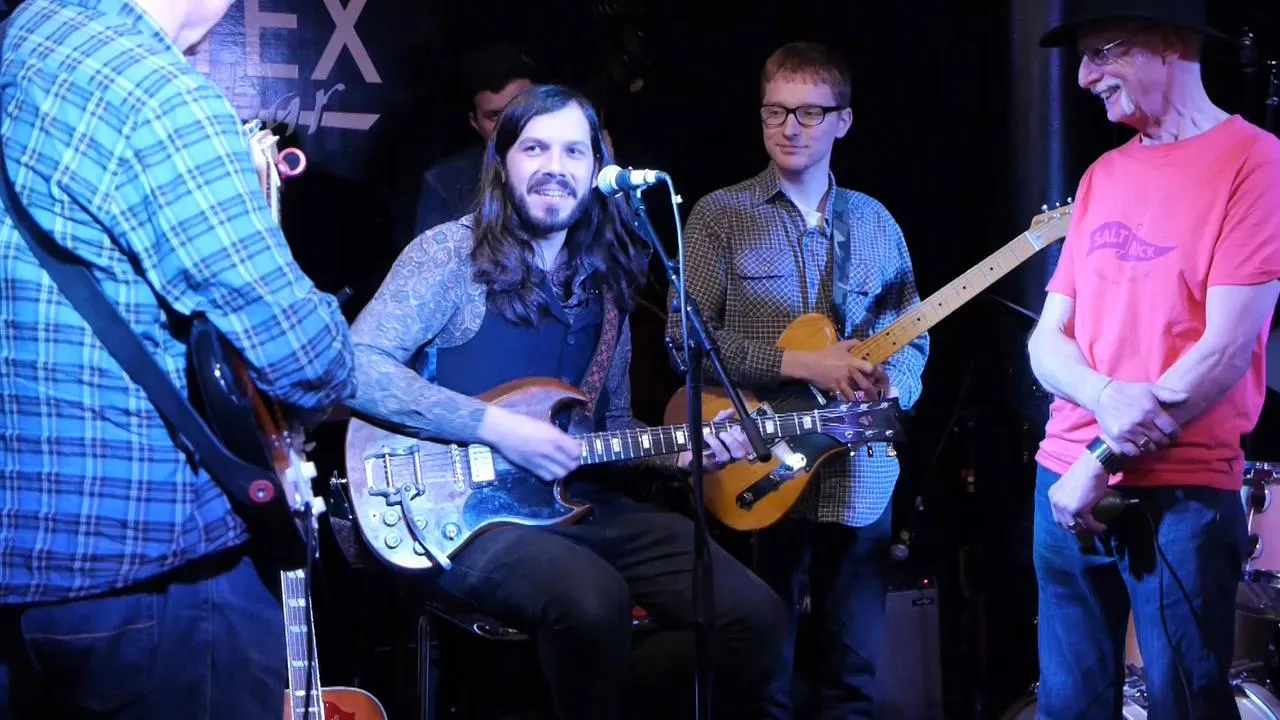
What's in the course
16 lessons (2h 45m) · 1 free
01. Performance of Tom Waits - Way Down In The Hole
3:33

02. First band - performance
6:38
03. First band - analysis
17:28
04. Second band - performance
3:27
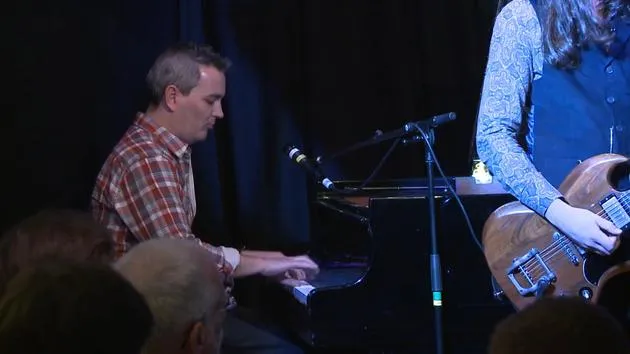
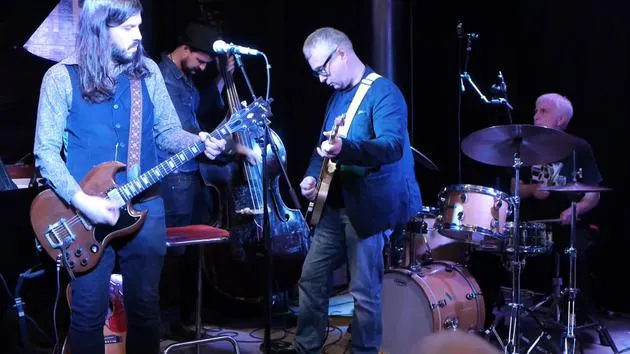
05. Second band - analysis
You are here13:09
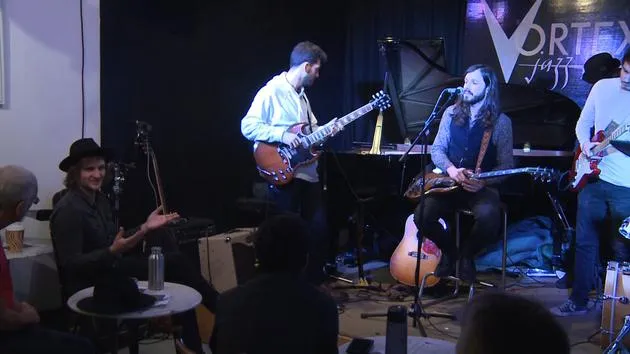
06. Third band - performance
7:28
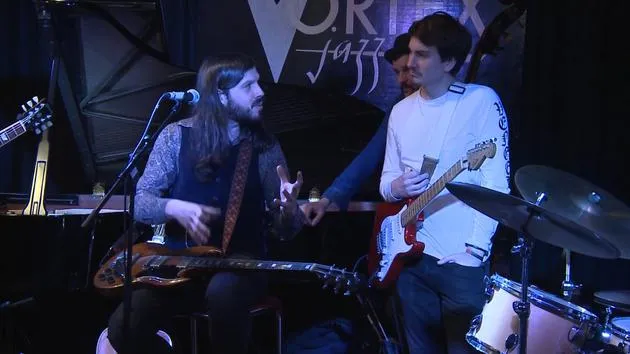
07. Third band - analysis
6:27
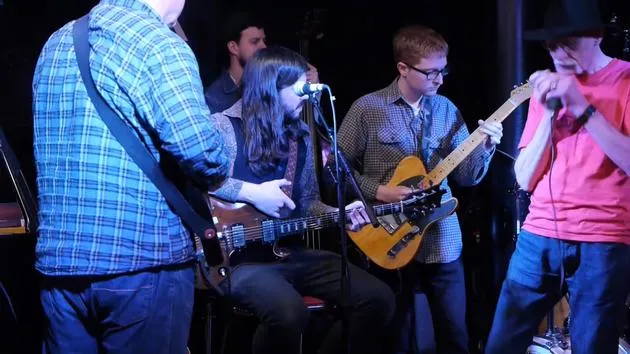
08. Fourth band - performance
4:37
09. Fourth band - analysis
4:24
10. Performance - Mardi Gras
7:56

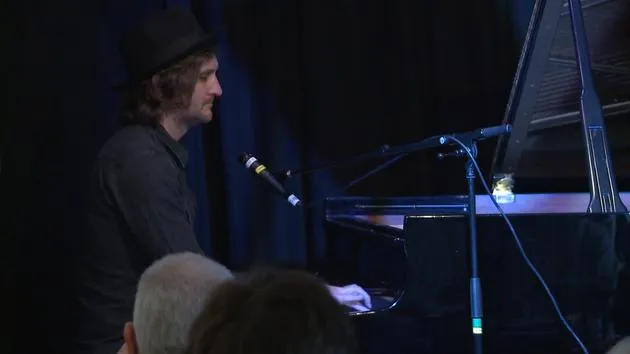
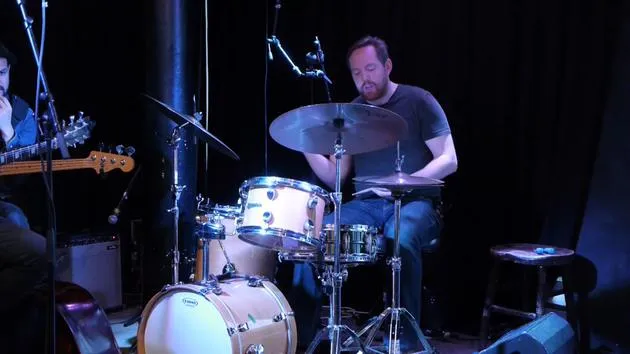

Lesson transcript
Music Lesson Feedback
Introduction
"Yeah, nice one. Nice playing. Yeah, nice. That's great. I guess, yeah."
Communication on Stage
-
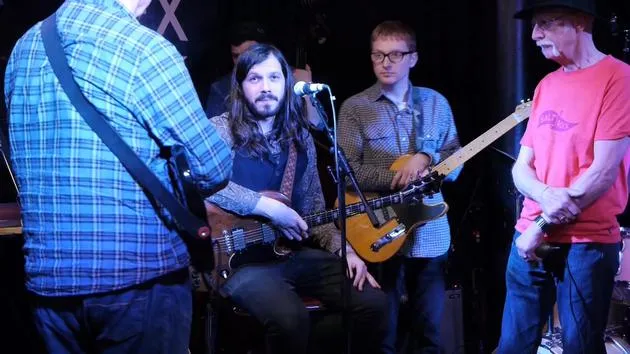
Clear Signals: It's great that you gave Dave a clear nod for his solo, but at the end, I didn't see such a clear signal. I caught the signal, but I was watching and wasn't sure if that was a signal for the ending or if you were going to take another solo.
-
Importance of Clarity: It was just a sort of head-up like "something's going to happen," but I wasn't quite sure. Fred obviously didn't catch the signal, which is why we had the minor car crash. This is cool because we've all been involved in them, and we have a gig tonight where there will be plenty.
-
Ending Signals: A lot of the time we have the hand going up. The hand goes up because I'm used to playing on my own. To fill everything in, I don't have a free hand. However, when you are playing with a band, you're able to leave some of that space.
Suggestions for Improvement
-
Be More Clear: It's important to be a bit clearer, especially with the ending signals.
-
Playing Style Considerations: When playing this shuffle blues style, the piano does carry on. There is a left-hand thing that runs through it, but don't be afraid to take your hand off at the end of the tune for a couple of beats. It won't lose too much.
-
Stage Awareness: On a stage where it's not easy to see everyone, communication matters. On a big stage, you could be at the front, and everyone's eyes are on you, but if you're in the corner, you need to compensate a little bit.
Personal Experience
"I used to play in a zydeco band that had a lot of accordion because the accordion player liked to play all the way to the end."
-
At the end of every tune, he would do a massive kick, like John Cleese, to indicate the end. It happened about 17 times in the evening, but it helped clarify the signal.
-
Ending Dynamics: A big clear signal is what you need. There's nothing worse than ending wrong. If you end badly, the audience doesn't have their cue to clap, but if you go "bosh," then they know they're in.
Dynamics and Volume
-
Starting Dynamics: There's an interesting dynamic that I felt. You started playing hard from the top when you brought it in. That's cool if that's the vibe, but if you start really hard, then how can you pull back later?
-
Self-Mixing: If you go in loud, someone might think they should match that volume, which can lead to issues. Pat was saying something about self-mixing because when someone solos, or you're going to solo, if you're already up here in volume, it can be tough.
-
Adjust Volume as Needed: It might help to start a bit lighter so you can build up. This can be a nervous situation, and you may not normally do this.
Performance Reflection
-
Introduction Clarity: That introduction was totally crystal clear. It might have been good just to say, "I'll do four bars, guys," to avoid confusion if someone jumps in.
-
Facing the Audience: It's helpful to face the audience while playing a guitar solo to send a clearer message.
Solo Performance
-
Great Questions and Answers: Your solo was great, well-structured and had form.
-
Rhythmic Locking: Pay attention to locking into the underlying feel, especially that 12/8 shuffle. Avoid rushing through phrases; take your time and really sit on the groove.
Jam Sessions
-
New Musicians: It's always challenging in jam sessions because you're not aware of how others will play. Your rhythm section choice is crucial; focus on the relationship with the drums.
-
Listening and Matching: Everything you play should complement the drums. Listen to where the drums are at and make sure your part matches that.
Final Thoughts
"With all this information now, we want to hear it all in practice, boys!"
-
Stick with the same guitar part and jump in with Fred. It was nice to hear the balance in that performance.
-
Solo Development: Fred, great job on developing your solo toward the high bit at the end. It added a nice dynamic.
-
Last Solo Excitement: In your last solo, staying up could have added even more excitement. Don't be afraid to hold on to one idea for a bit longer.
"Fantastic, guys. Should we do a couple more? Let's hear it!"
- Conclusion: "Round of applause for these boys, though. Come on now!"
16 lessons
2h 45m of structured video lessons
Advanced video features
Slow down, loop a passage, follow along
Mobile, tablet & desktop
Practise wherever you are
100% satisfaction guarantee
30-day money-back guarantee
Meet your guru
Meet your guru
Paddy Milner is recognised as one of the leading blues piano players in the world - he is currently keyboard player of choice for Sir Tom Jones, following several years with the late, great Jack Bruce - but he is also a superb original songwriter and a distinctive singer. Just read the praise from the likes of Dave Brubeck below! His playing was featured on the soundtrack for the hit 2019 film 'Rocketman'.
He has twice won the award for Best Keyboard Player in the British Blues Awards, and he holds a long-standing residency as a founder member of the Ronnie Scott's Blues Explosion at the world-renowned Ronnie Scott's club.
His current group LONDONOLA plays homegrown British music with a strong dose of New Orleans spirit, and his collaborative group JAWBONE goes from strength to strength following the release of their self-titled debut album.
- "I love it... there's a guy who can really play the piano" - Dave Brubeck
- "I highly recommend it. Somehow things start to feel much better!" - Jack Bruce
- "The best blues piano player in Europe..." - Blues Access, USA
- "Impressive & original" - The Times
- "Dazzling" - The Independent
Across his courses, Paddy breaks down authentic blues shuffle, slow blues, boogie-woogie, rock 'n' roll and New Orleans piano - right down to three classic boogie-woogie songs - so you can learn these styles from one of the very best in the business.







