



Left Hand - The Engine

With
Paddy MilnerPaddy Milner breaks down the driving left-hand 'engine' of Meade Lux Lewis's 'Honky Tonk Train Blues' - the boogie pattern in G that powers the whole tune.

What's in the course
35 lessons (2h 23m) · 1 free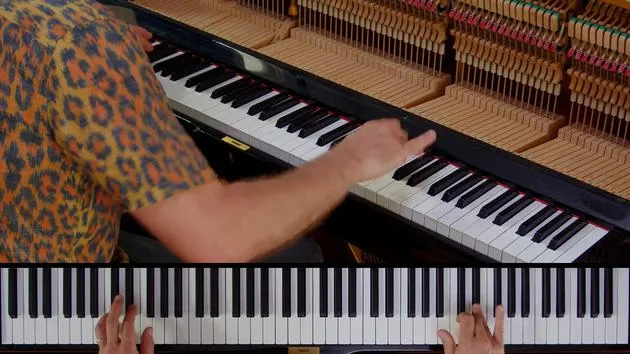
01. Dive Bomber (Pete Johnson) - piano performance by Paddy Milner
3:00
02. Intro to the piece
Free lesson5:30
03. First chorus
6:09

04. Second chorus
1:49
05. Next section
2:36
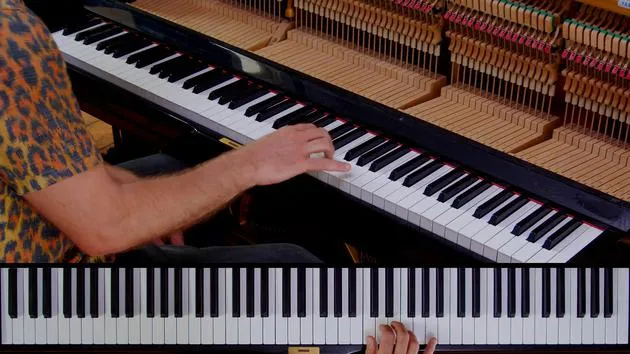
06. Turnaround
0:49
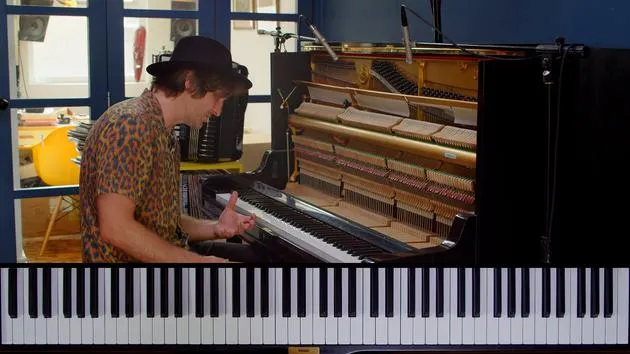
07. First break
4:17
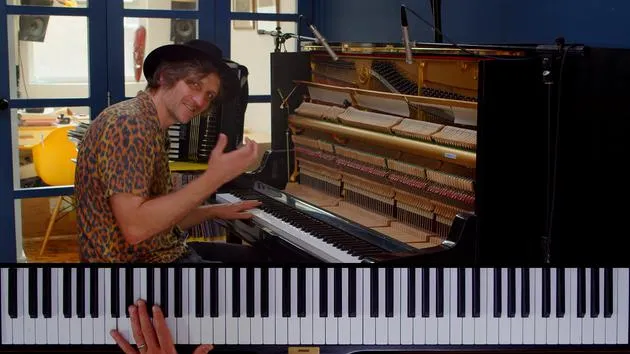
08. Single note line
2:26
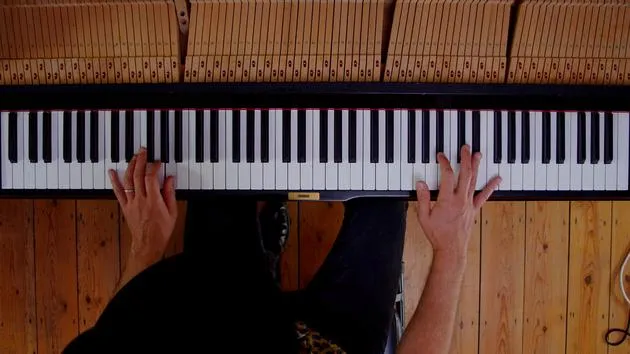
09. Next chorus
2:43
10. Next break
4:25
11. Next chorus
5:15
12. Chord IV riff
2:04
13. High section
8:24

14. Last chorus
5:00
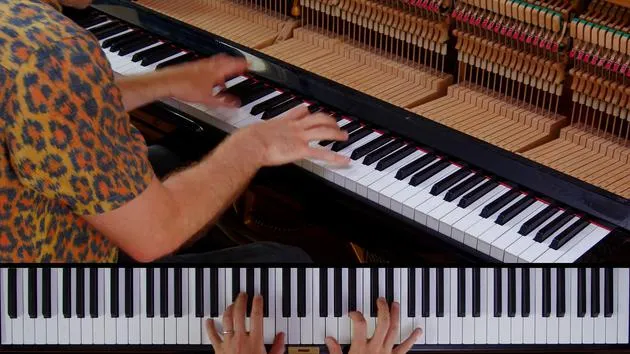
01. Honky Tonk Train Blues (Meade Lux Lewis) - piano performance by Paddy Milner
3:01
02. The Intro - All Aboard!
2:56
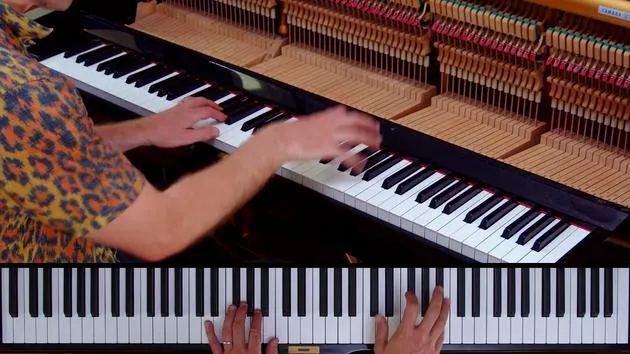
03. Left Hand - The Engine
You are here4:03
04. First chorus and turnaround
8:11
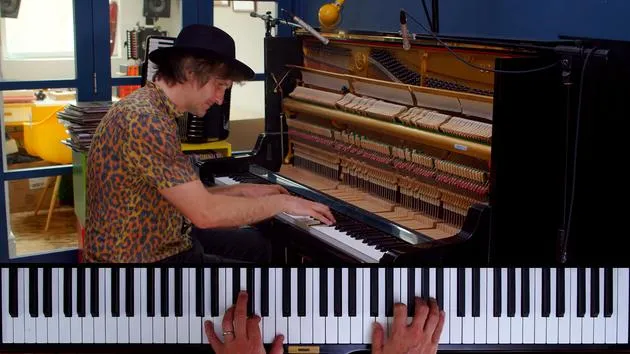
05. Second chorus - 3 2 Polyrythm
1:54
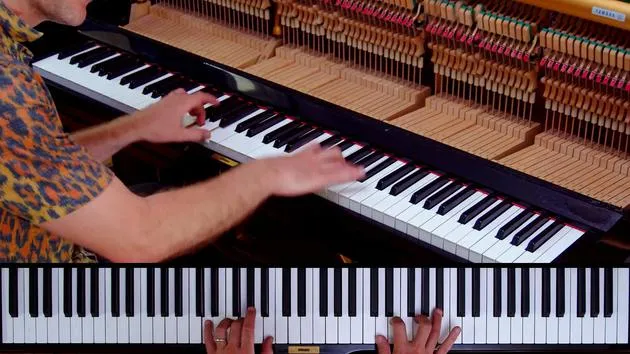
06. Third chorus - Train whistle trill
4:44
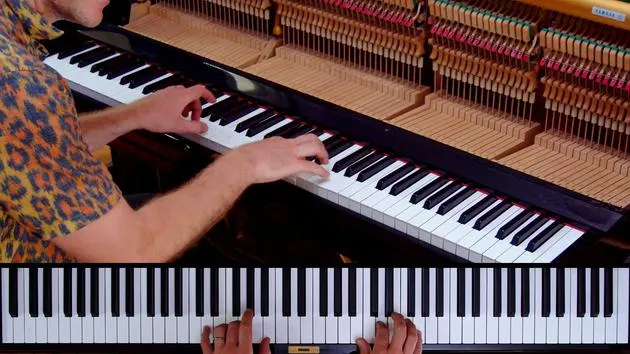
07. Fourth chorus - Repeated triplets
2:56

08. Sixth chorus - Em G6 harmony
7:03
09. Seventh chorus
2:33
10. Eighth chorus
2:51

11. Last chorus ending - Coming into the station
2:28




Lesson transcript
Understanding the Left Hand
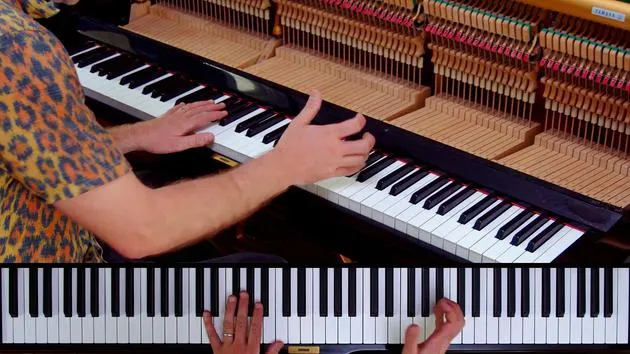
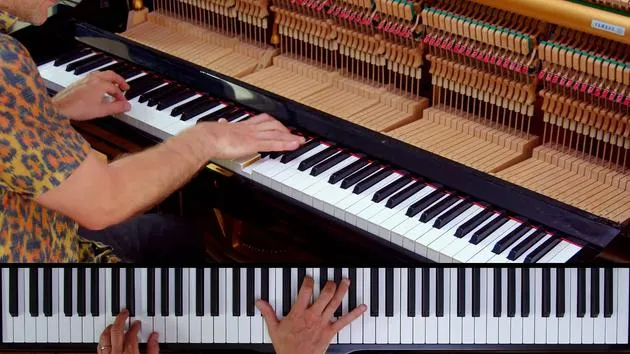
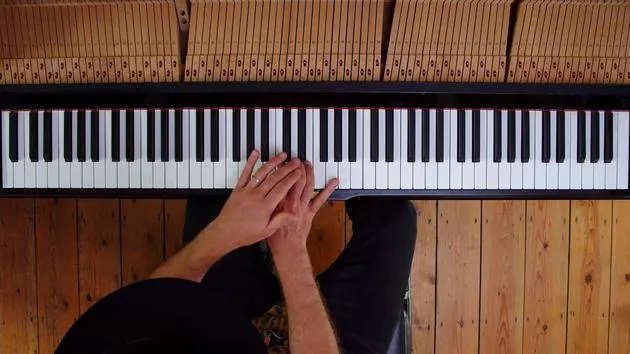
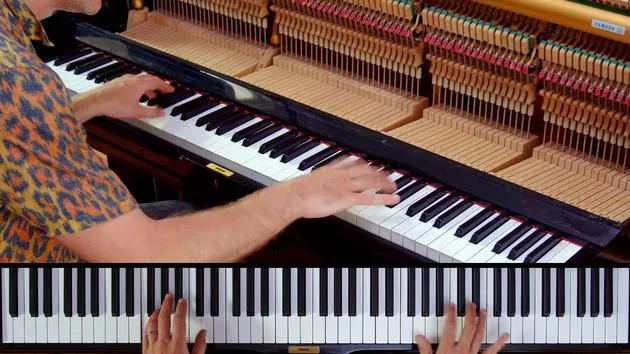
So, let's look at that left hand. This is, you know, the most important thing in this tune, and it's a tough one.
The Feel of the Tune
- The whole tune is kind of played with a dotted feel.
- Milux Lewis plays everything pretty accurate; he really nails the riffs he's doing.
- It's all very purposeful and intentional, creating that big sound.
Listening Tips
If you really listen to the recording and slow it down, something I recommend doing when transcribing difficult sections, you'll notice that he doesn't always play those notes together. There are points where he alternates, creating a dynamic feel.
- Main Feel: It has that constant driving sort of eighths.
- Variations: There are different weights to how he's playing it, making it good to aim for throughout the piece. However, as you'll find out, that is really tough.
Chord Structure
These are the notes anyway:
-
On the Chord 1, we're in the key of G, which is slightly unconventional.
- It's going between the tonic and the dominant (the 1 and the 5).
- It also has the fifth at the bottom of the voicing, which is quite unusual since most boogies generally have the root at the bottom.
-
When you go to the Four Chord (C), remember we're still in the key of G.
- It also has that fifth at the bottom.
-
The only one that's different is the Chord 5, which is kind of in root position.
Practicing the Left Hand
This left hand is difficult mainly because of the stamina you need to get through the whole tune.
- Practice Strategy: Start at a slower tempo, practicing through the entire 12-bar sequence until it feels comfortable under your fingers.
- Duration: Keep going around it for 5 minutes, 10 minutes, or even half an hour, until your muscle memory is solid.
Maintaining Flexibility
- Try and keep your wrist as flexible as possible.
- Avoid using your whole arm and back, as this can make it tough to maintain momentum.
Good luck with that left hand; you're going to need it!
35 lessons
2h 23m of structured video lessons
Advanced video features
Slow down, loop a passage, follow along
Mobile, tablet & desktop
Practise wherever you are
100% satisfaction guarantee
30-day money-back guarantee
Meet your guru
Meet your guru
Paddy Milner is recognised as one of the leading blues piano players in the world - he is currently keyboard player of choice for Sir Tom Jones, following several years with the late, great Jack Bruce - but he is also a superb original songwriter and a distinctive singer. Just read the praise from the likes of Dave Brubeck below! His playing was featured on the soundtrack for the hit 2019 film 'Rocketman'.
He has twice won the award for Best Keyboard Player in the British Blues Awards, and he holds a long-standing residency as a founder member of the Ronnie Scott's Blues Explosion at the world-renowned Ronnie Scott's club.
His current group LONDONOLA plays homegrown British music with a strong dose of New Orleans spirit, and his collaborative group JAWBONE goes from strength to strength following the release of their self-titled debut album.
- "I love it... there's a guy who can really play the piano" - Dave Brubeck
- "I highly recommend it. Somehow things start to feel much better!" - Jack Bruce
- "The best blues piano player in Europe..." - Blues Access, USA
- "Impressive & original" - The Times
- "Dazzling" - The Independent
Across his courses, Paddy breaks down authentic blues shuffle, slow blues, boogie-woogie, rock 'n' roll and New Orleans piano - right down to three classic boogie-woogie songs - so you can learn these styles from one of the very best in the business.







