



Sección hablada

Con
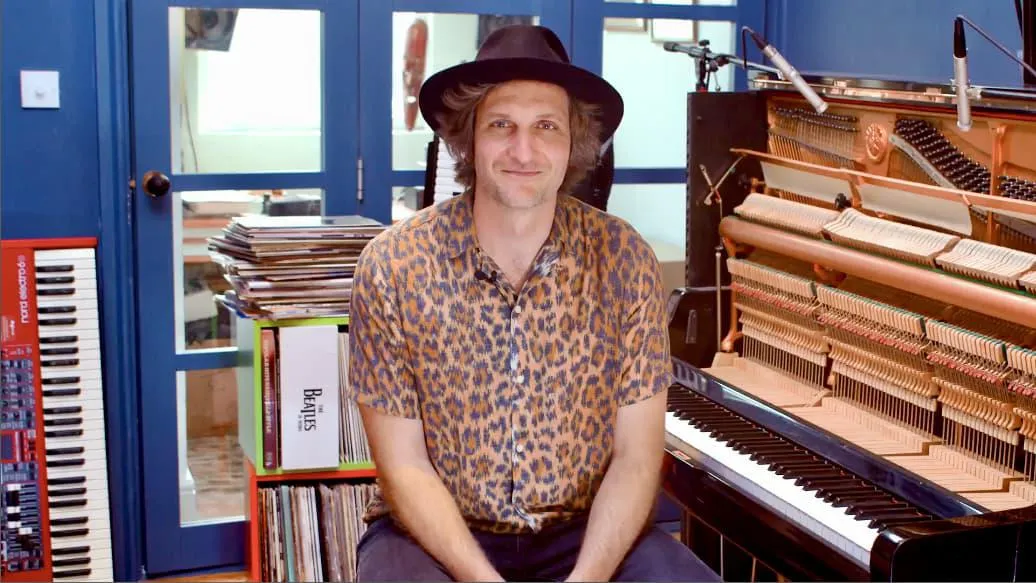
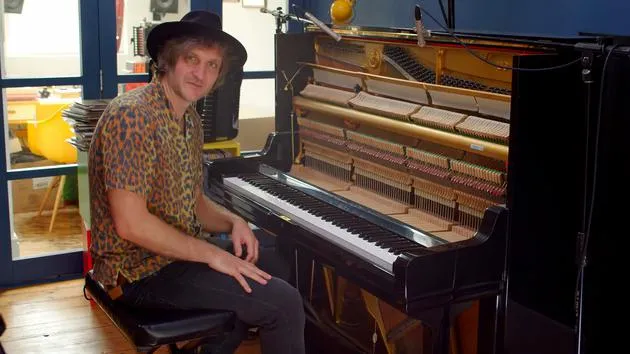
Paddy MilnerPaddy Milner enseña la sección 'hablada' de Pinetop's Boogie Woogie, donde mantienes un vamp constante grooveando bajo las llamadas habladas de Pinetop.
Qué incluye el curso
35 lecciones (2h 23m) · 1 gratis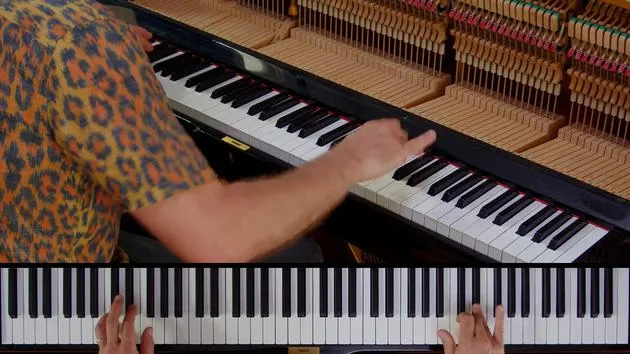
01. Dive Bomber (Pete Johnson) - interpretación al piano por Paddy Milner
3:00
02. Introducción a la pieza
Lección gratis5:30
03. Primer estribillo
6:09

04. Segundo chorus
1:49
05. Siguiente sección
2:36
06. Turnaround
0:49
07. Primer break
4:17
08. Línea de una sola nota
2:26
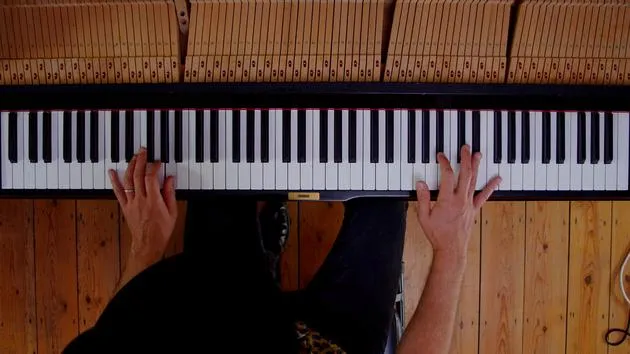
09. Siguiente chorus
2:43
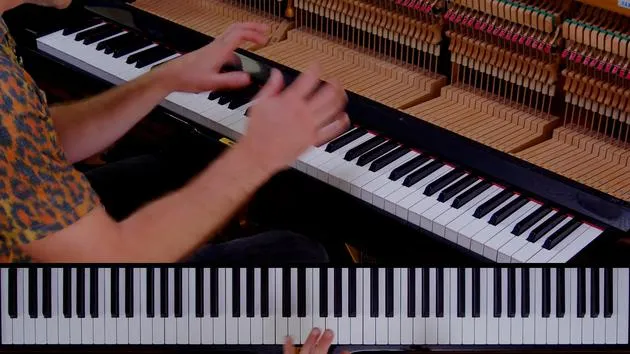
10. El siguiente break
4:25
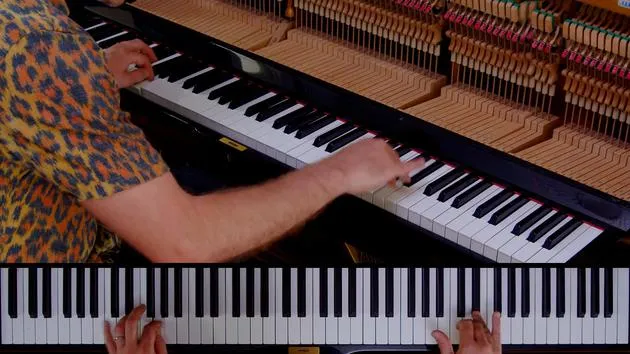
11. El siguiente estribillo
5:15
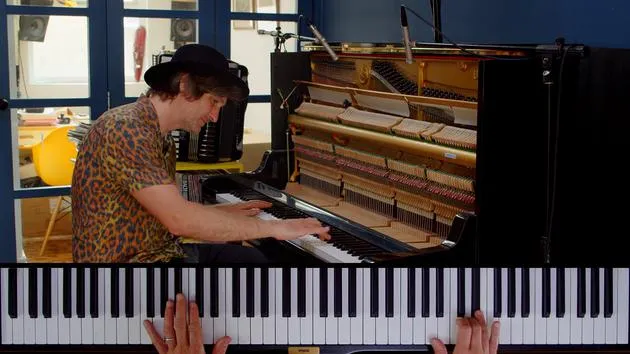
12. Riff del acorde IV
2:04
13. Sección aguda
8:24
14. Último estribillo
5:00

01. Honky Tonk Train Blues (Meade Lux Lewis) - interpretación al piano por Paddy Milner
3:01
02. La intro - ¡Todos a bordo!
2:56
03. La mano izquierda - El motor
4:03
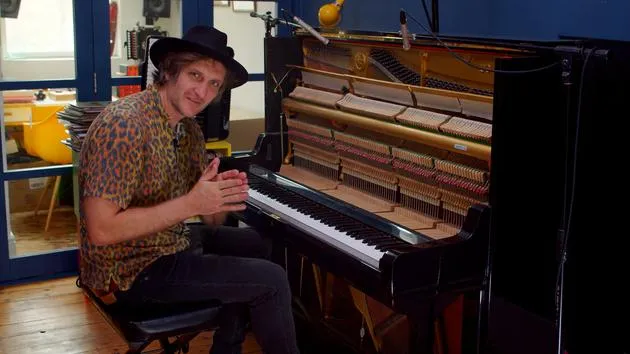
04. Primer chorus y turnaround
8:11
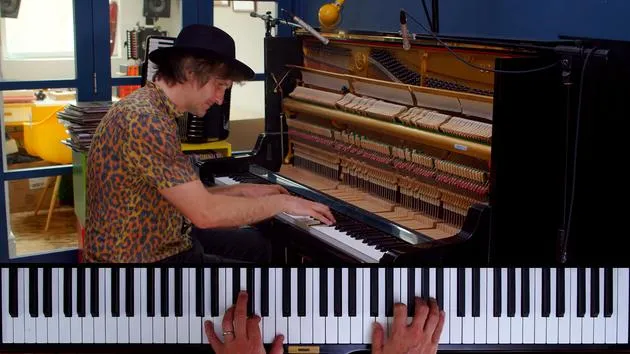
05. Segundo chorus - Polirritmia 3 contra 2
1:54
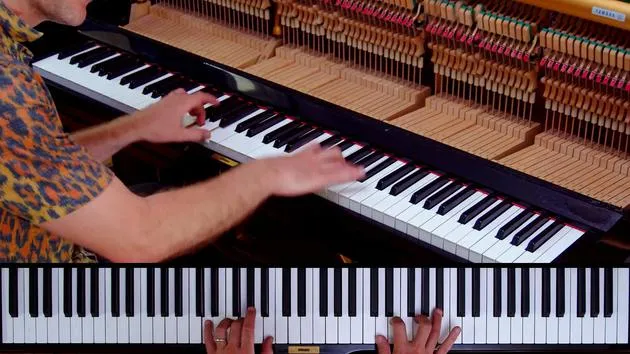
06. Tercer chorus - Trino de silbato de tren
4:44

07. Cuarto chorus - Tresillos repetidos
2:56

08. Sexto chorus - armonía Em G6
7:03
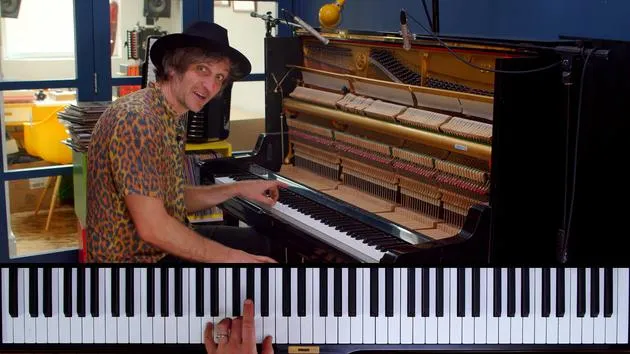
09. Séptimo chorus
2:33
10. Octavo chorus
2:51

11. Final del último chorus - Llegando a la estación
2:28
01. Pinetop's Boogie Woogie (Pinetop Smith) - interpretación al piano por Paddy Milner
3:45
02. Intro y mano izquierda
3:54
03. Mano derecha
3:34
04. Chorus n.º 2
4:28
05. Sección hablada
Estás aquí6:35
06. Primer break
3:37
07. Siguiente sección
3:08

08. El siguiente riff
7:17
09. Sección siguiente
6:41

10. Final
3:38
Transcripción de la lección
Pinetop's Boogie Woogie: Understanding the Groove
Right, so let's move on to this next section. This is where Pinetop is kind of talking or shouting over the top.
"Want y'all to know this is Pinetop's boogie woogie."
Setting the Scene
Imagine this in a crowded bar. Pinetop has to shout over the noise of laughter, dancing, and probably an argument happening somewhere. He is trying to get everyone's attention.
- Vamp: Underneath, there's a vamp going on, which is just a nice groove that people can dance to if they want.
- Purpose: It's all about laying down the groove while people are listening to what he's instructing them to do on top.
The whole point of this is that it is a dance, and he's telling people how to dance, when to dance, and when to take a pause.
Musical Structure
- Rhythm: This is played quite straight; it's not a dotted rhythm. The chords are quite fat sounding.
- Chords: It's difficult to tell on the recording whether he's playing a full sixth chord with that voicing or if he's sometimes omitting the G note.
C Major Triad
- The chord is built on a sixth chord. For example, you have a C major triad, and the A is the sixth note:
- 1, 2, 3, 4, 5, 6.
- He adds that to the chord to beef it up a little bit.
Inversions and Variations
- It sounds like he's using an inversion here. When it goes to the F chord, he flattens the E to an E flat, which turns the C6 chord into an F9 chord.
- An F9 would normally have F, A, C, E flat, and G.
- Turning that C6 into a C minor 6 allows it to function as an F9 chord with the ninth at the top and bottom.
You might hear him play different variations:
- Sometimes dropping the G but keeping the A.
- Returning back to the C6.
Transition to G7 and F9
Then he will play:
- G7
- F9
- Back to C6
It can be difficult to hear the exact inversions he's playing, but there's a cool vamp going on beneath his talking and shouting on top.
"Get that nice and solid."
This is the kind of groove that you should be able to listen to all night without getting bored of it, similar to any happening hip-hop or funk beat.
Instructions for Dancers
In those two choruses of the vamp, Pinetop gives instructions to the dancers on how to dance and when to dance.
- He says:
- "Hold yourself to get ready to stop."
- "When I say stop, do not move a peg," meaning leg.
- "When I say get it, do the boogie woogie," which refers to a particular kind of dance at the time.
Musical Announcements
Musically, there's a little announcement of what's coming up.
- In the second chorus of the vamp:
- We go to the F chord, and then back to the C.
- Then there's a kind of diminished chord which transitions to chord V, something different from the vamp.
Understanding the Diminished Chord
If you're not familiar with how a diminished chord is constructed:
- It's made up of minor thirds and is a symmetrical chord.
- You have a minor third, then another minor third, then another minor third, returning to the tonic at the octave.
This resolves nicely , or leads nicely , to the dominant seventh on the G.
The Dance Break
Finally, we have the break where the dance stops and starts again.
"So we got this diminished chord and then we're into the break."
This concludes the overview of the groove and rhythm that Pinetop is using in his boogie woogie.
35 lecciones
2h 23m de lecciones en vídeo estructuradas
Funciones de vídeo avanzadas
Ralentiza, repite un pasaje, sigue la partitura
Móvil, tablet y ordenador
Practica donde quieras
Garantía de satisfacción 100%
30 días de garantía de devolución
Conoce a tu gurú
Conoce a tu gurú
Paddy Milner está reconocido como uno de los mejores pianistas de blues del mundo: actualmente es el teclista de confianza de Sir Tom Jones, tras varios años con el gran y ya desaparecido Jack Bruce, pero también es un magnífico compositor original y un cantante con personalidad propia. ¡Basta con leer los elogios de figuras como Dave Brubeck que aparecen más abajo! Su forma de tocar apareció en la banda sonora de la exitosa película de 2019 'Rocketman'.
Ha ganado dos veces el premio al Mejor teclista en los British Blues Awards, y mantiene una residencia de larga trayectoria como miembro fundador de la Ronnie Scott's Blues Explosion en el mundialmente famoso club Ronnie Scott's.
Su grupo actual LONDONOLA toca música británica de cosecha propia con una buena dosis de espíritu de Nueva Orleans, y su grupo colaborativo JAWBONE va de fuerza en fuerza tras la publicación de su álbum de debut homónimo.
- "Me encanta... hay un tipo que sabe tocar de verdad el piano" - Dave Brubeck
- "Lo recomiendo encarecidamente. ¡De algún modo las cosas empiezan a sentirse mucho mejor!" - Jack Bruce
- "El mejor pianista de blues de Europa..." - Blues Access, EE. UU.
- "Impresionante y original" - The Times
- "Deslumbrante" - The Independent
A lo largo de sus cursos, Paddy desglosa el auténtico shuffle de blues, el slow blues, el boogie-woogie, el rock 'n' roll y el piano de Nueva Orleans -incluidas tres canciones clásicas de boogie-woogie- para que aprendas estos estilos de uno de los mejores del oficio.







