



Intro y mano izquierda

Con
Paddy MilnerPaddy Milner presenta Pinetop's Boogie Woogie y enseña la intro más la rodante parte de mano izquierda que se convirtió en el sonido característico del boogie-woogie.

Qué incluye el curso
35 lecciones (2h 23m) · 1 gratis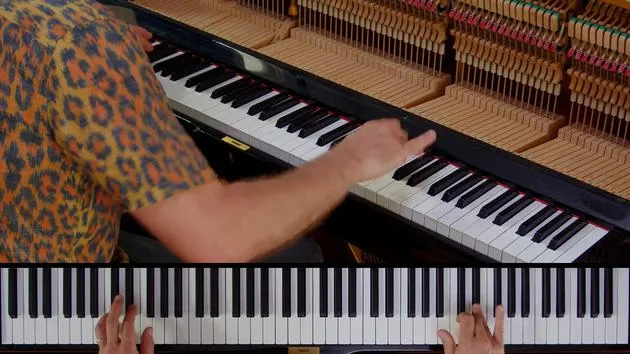
01. Dive Bomber (Pete Johnson) - interpretación al piano por Paddy Milner
3:00
02. Introducción a la pieza
Lección gratis5:30
03. Primer estribillo
6:09

04. Segundo chorus
1:49
05. Siguiente sección
2:36
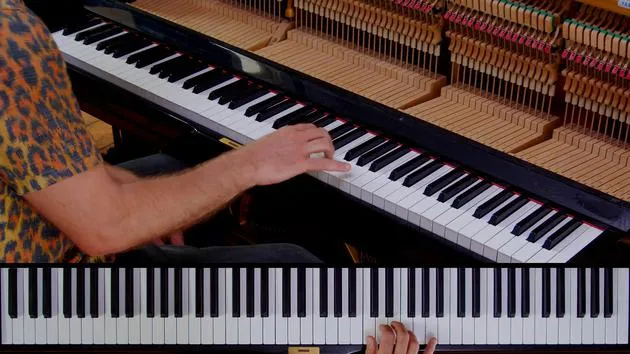
06. Turnaround
0:49
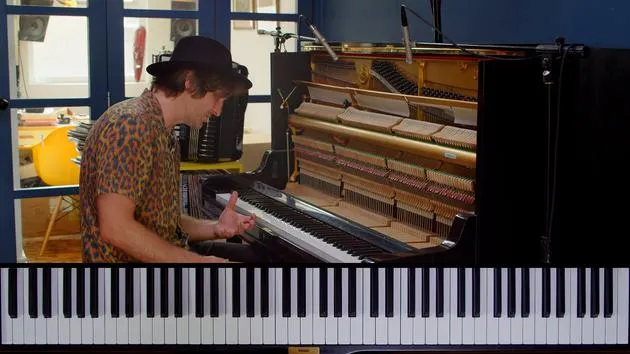
07. Primer break
4:17
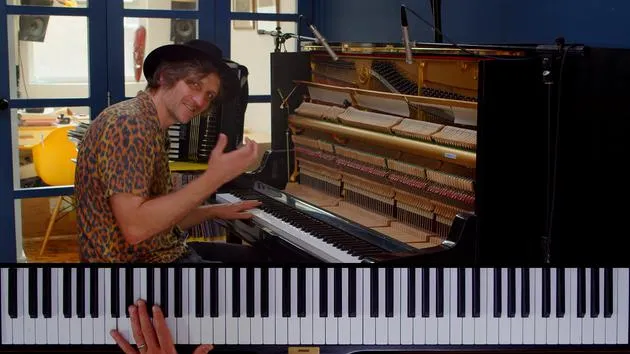
08. Línea de una sola nota
2:26
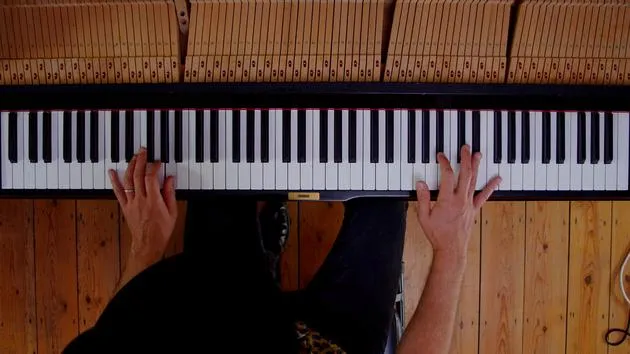
09. Siguiente chorus
2:43
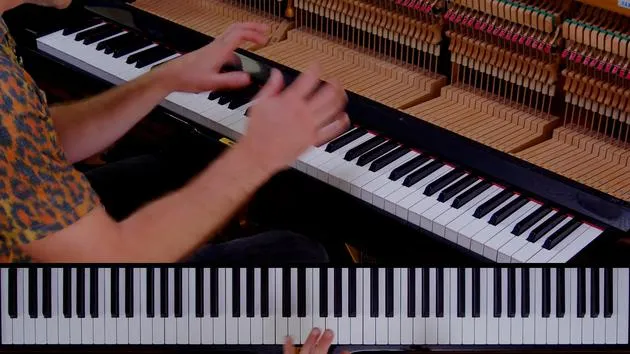
10. El siguiente break
4:25
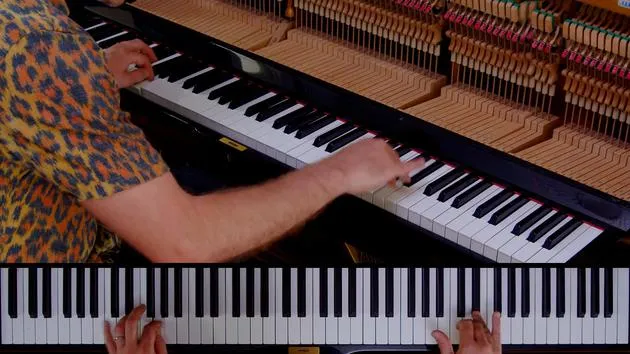
11. El siguiente estribillo
5:15
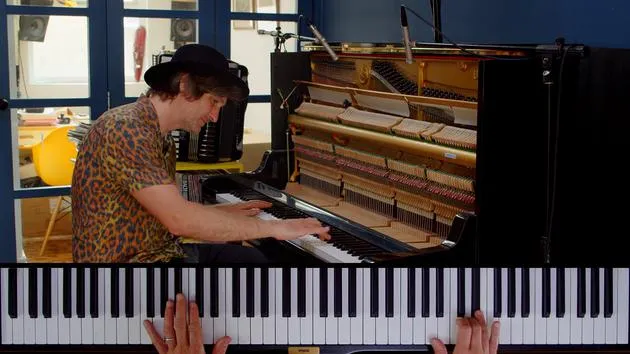
12. Riff del acorde IV
2:04
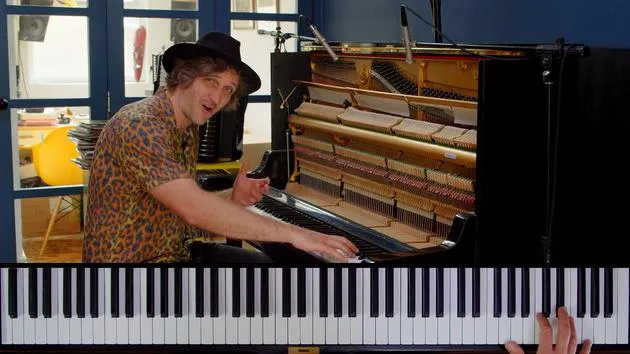
13. Sección aguda
8:24

14. Último estribillo
5:00

01. Honky Tonk Train Blues (Meade Lux Lewis) - interpretación al piano por Paddy Milner
3:01
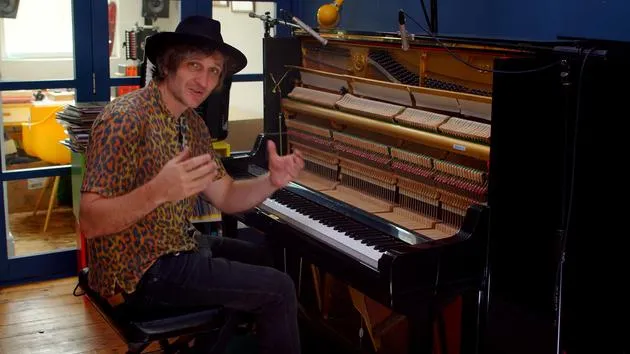
02. La intro - ¡Todos a bordo!
2:56
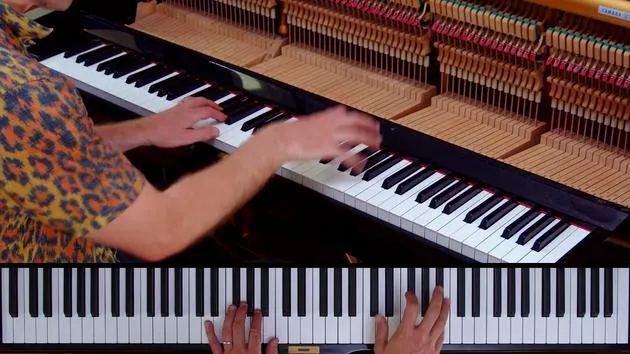
03. La mano izquierda - El motor
4:03
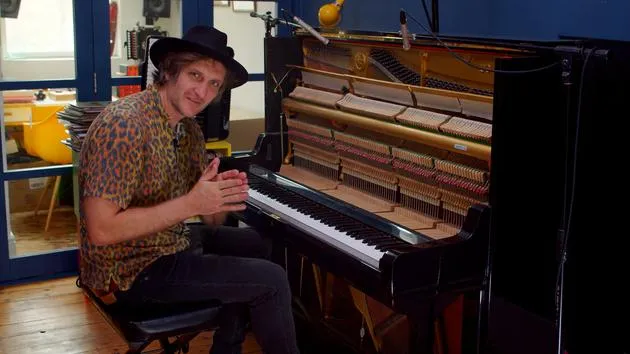
04. Primer chorus y turnaround
8:11
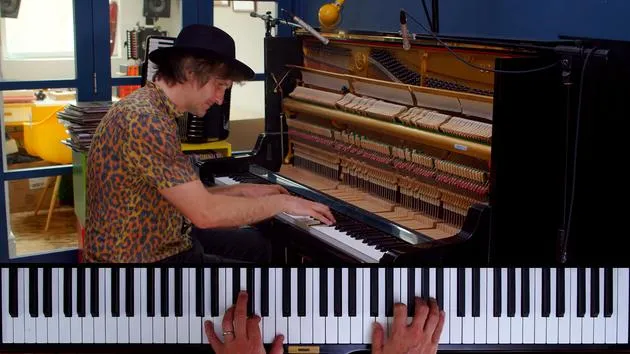
05. Segundo chorus - Polirritmia 3 contra 2
1:54
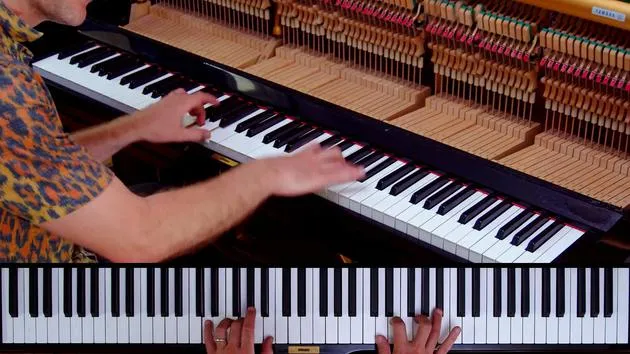
06. Tercer chorus - Trino de silbato de tren
4:44
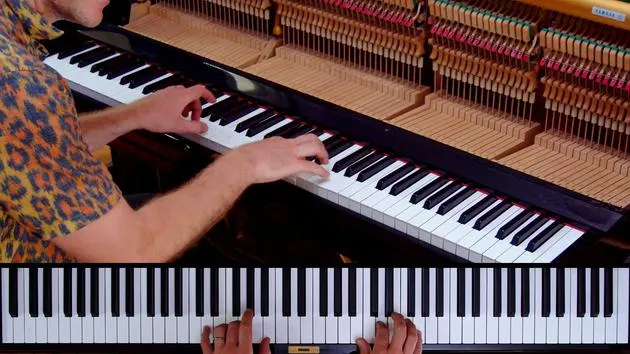
07. Cuarto chorus - Tresillos repetidos
2:56

08. Sexto chorus - armonía Em G6
7:03
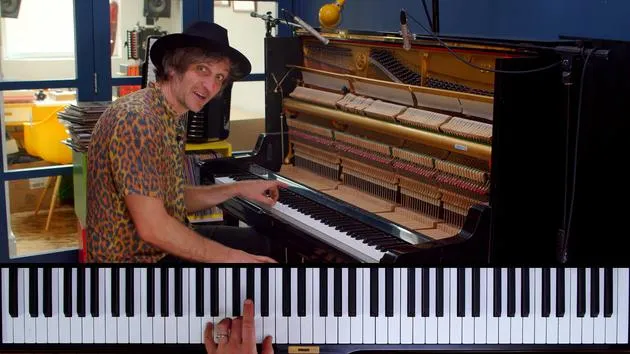
09. Séptimo chorus
2:33
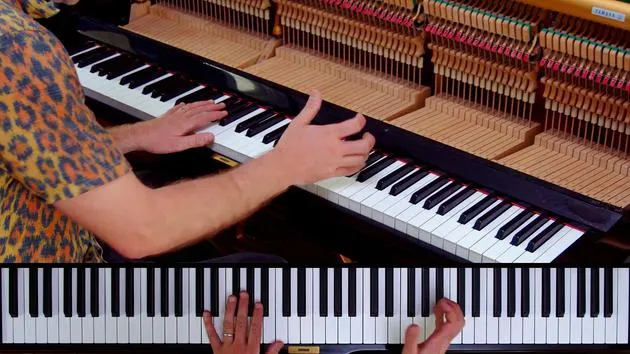
10. Octavo chorus
2:51

11. Final del último chorus - Llegando a la estación
2:28
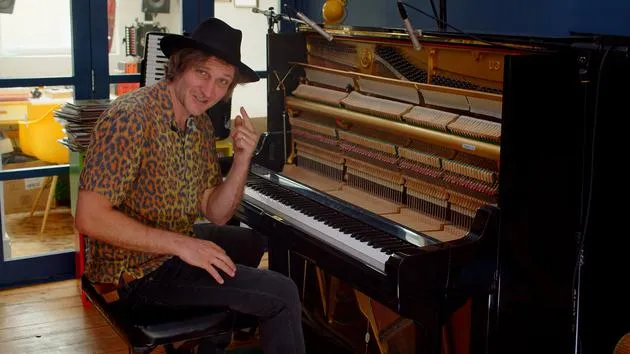
01. Pinetop's Boogie Woogie (Pinetop Smith) - interpretación al piano por Paddy Milner
3:45

02. Intro y mano izquierda
Estás aquí3:54

03. Mano derecha
3:34
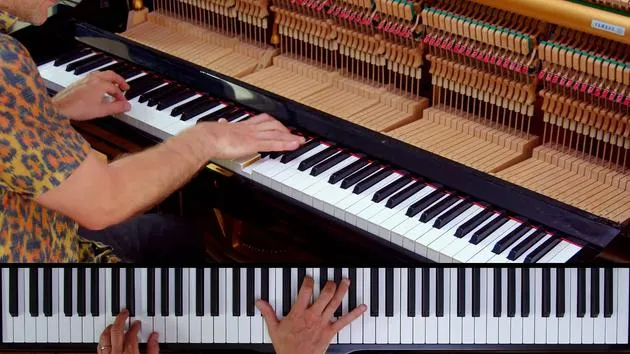
04. Chorus n.º 2
4:28
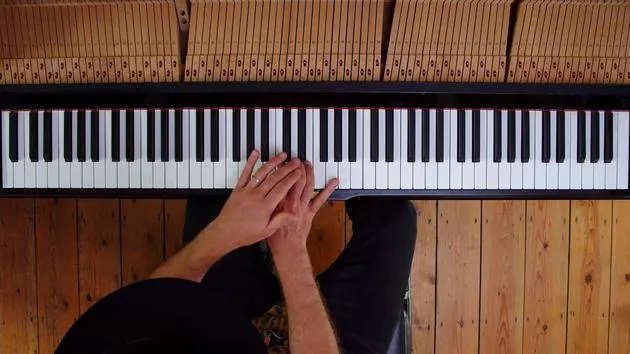
05. Sección hablada
6:35
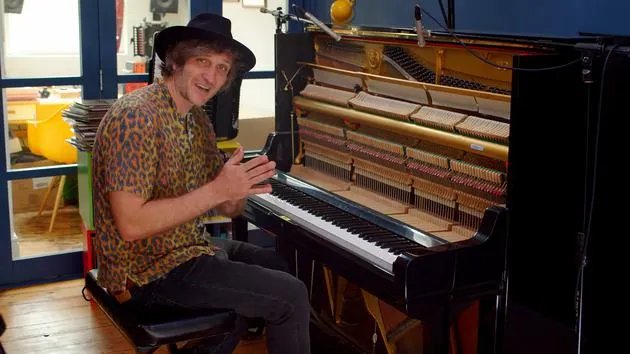
06. Primer break
3:37
07. Siguiente sección
3:08

08. El siguiente riff
7:17
09. Sección siguiente
6:41
10. Final
3:38
Transcripción de la lección
The Left Hand Part from Pinetop's Tune
All right, let's look at the left hand part that Pinetop uses in this tune. This left hand part is really defining and important for the history of boogie woogie as well.
Historical Significance
- This was a hit record,
- It was bought and heard by lots of people.
- This left hand part became synonymous with boogie woogie.
Characteristics of Pinetop's Playing
Pinetop doesn't play exactly the same way every bar. As he plays along, you'll notice:
- Lots of different subtle variations
- It's not something he's consciously thinking about; it's just how it bounces along.
As long as there's that constant eighth note (or quaver) rhythm going through it, that's all good.
Practice Tips
If you're struggling to play at that tempo, consider the following:
- Reduce the tempo: Practice at a slower pace.
- Use a metronome: This really helps to identify where you're speeding up and slowing down.
- Start with the metronome at a slower tempo.
- Get it comfortable under your fingers.
- Gradually increase the tempo until you can play at full speed.
Fingering Techniques
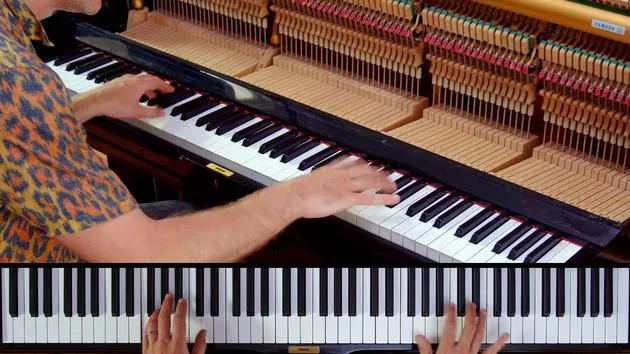
In terms of fingering, you have options:
- Third to Second Finger: You can use these fingers to play.
- Fourth Finger: Alternatively, you could use just your fourth finger.
For more power, you might find it easier with the middle finger, which helps accentuate Beat 2, adding to the swing of the groove.
Demonstration
I'll play the left hand around once, just as I naturally feel it, so you can hear how it swings.
Listening Focus
Also, pay attention to the rhythm:
- Notice how this is swung.
- Consider how dotted it is and how straight it feels.
Boogie woogie is relatively straight compared to other tunes like "Honky Tonk Train Blues," which has much more dotted feel.
Make sure you listen closely to how Pinetop plays this tune.
Closing Remarks
So here we go, round the 12-bar structure, just the left hand. Listen for those slight variations within that 12-bar sequence.
35 lecciones
2h 23m de lecciones en vídeo estructuradas
Funciones de vídeo avanzadas
Ralentiza, repite un pasaje, sigue la partitura
Móvil, tablet y ordenador
Practica donde quieras
Garantía de satisfacción 100%
30 días de garantía de devolución
Conoce a tu gurú
Conoce a tu gurú
Paddy Milner está reconocido como uno de los mejores pianistas de blues del mundo: actualmente es el teclista de confianza de Sir Tom Jones, tras varios años con el gran y ya desaparecido Jack Bruce, pero también es un magnífico compositor original y un cantante con personalidad propia. ¡Basta con leer los elogios de figuras como Dave Brubeck que aparecen más abajo! Su forma de tocar apareció en la banda sonora de la exitosa película de 2019 'Rocketman'.
Ha ganado dos veces el premio al Mejor teclista en los British Blues Awards, y mantiene una residencia de larga trayectoria como miembro fundador de la Ronnie Scott's Blues Explosion en el mundialmente famoso club Ronnie Scott's.
Su grupo actual LONDONOLA toca música británica de cosecha propia con una buena dosis de espíritu de Nueva Orleans, y su grupo colaborativo JAWBONE va de fuerza en fuerza tras la publicación de su álbum de debut homónimo.
- "Me encanta... hay un tipo que sabe tocar de verdad el piano" - Dave Brubeck
- "Lo recomiendo encarecidamente. ¡De algún modo las cosas empiezan a sentirse mucho mejor!" - Jack Bruce
- "El mejor pianista de blues de Europa..." - Blues Access, EE. UU.
- "Impresionante y original" - The Times
- "Deslumbrante" - The Independent
A lo largo de sus cursos, Paddy desglosa el auténtico shuffle de blues, el slow blues, el boogie-woogie, el rock 'n' roll y el piano de Nueva Orleans -incluidas tres canciones clásicas de boogie-woogie- para que aprendas estos estilos de uno de los mejores del oficio.







