



Final
Lesson time: (3min 38sec)
Course preview
This lesson is part of the course Aprende tres clásicos del boogie-woogie
Watch a preview of the full course below.
Lesson transcript:
Music Lesson
So after. Now shake that thing.
So we're back onto that idea.
I think he may have been aiming for that E flat, but on the recording, I hear that he's just hitting a knee twice. That's neither here nor there, but I think that's kind of what happened.
Last Chorus
Okay, so those are all things that we've heard before.
And then for the very last chorus, which is kind of the peak of the tune, this is where the sort of climax of the dancing would happen, he plays this right up at the top of the register, which we haven't been to before.
High Register
- He saved that high register bit for the end of the tune.
- This is where the frenzy would be happening.
There's more triplets in there as well, adding a level of complexity and intensity to it.
New Material
He also brings in this little chromatic thing, which he hasn't done before in the tune.
- There's this kind of new material for the ear to listen to.
- That little bit adds variety and interest.
Then, we have a kind of strange ending. It's not at the end of the 12-bar form.
Ending
He does it after coming down from the F chord.
- I'm not sure why that is.
- Maybe the idea of the 12-bar form hadn't fully crystallized at that point.
- Or maybe it's because the recording had to be a certain length before they ran out of wax on the cylinder or something.
I'm not exactly sure what the recording process was.
Anyway, he finishes it sort of halfway through the 12-bar, not at the end of the 12-bar.
And then, there is a very simple turnaround ending, just very simple. There's no big flourish, none of that. No, just very simple.
Conclusion
So there you go. That is pretty much as far as I could work it out from the record, what Pine Top Smith played on his 1928 recording.
So, yeah, good luck playing it! I hope these tips have helped.
And as always with this music, which is improvised music, take these ideas and do your own things with them.
About the instructor
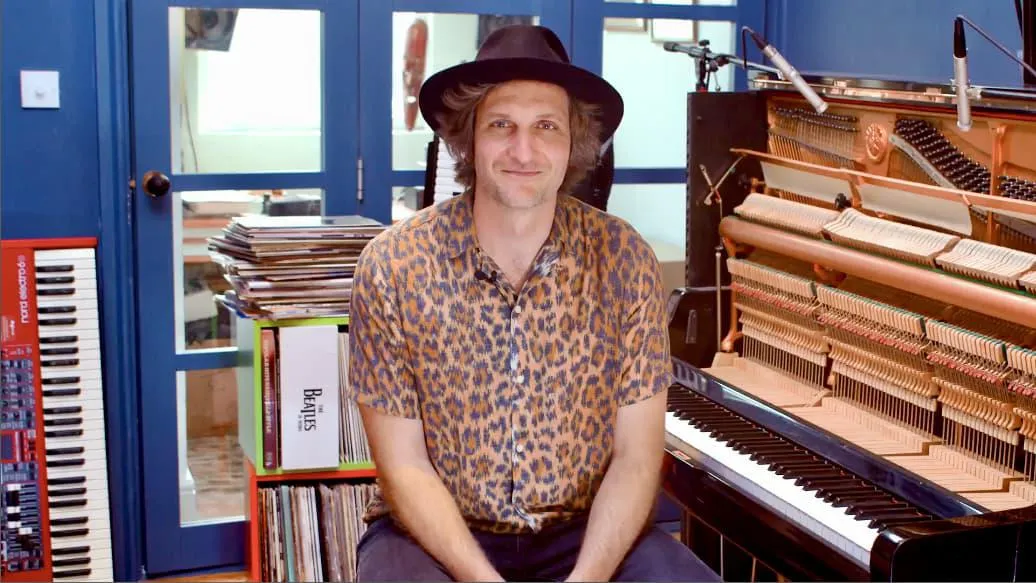
Paddy Milner está reconocido como uno de los mejores pianistas de blues del mundo: actualmente es el teclista de confianza de Sir Tom Jones, tras varios años con el gran y ya desaparecido Jack Bruce, pero también es un magnífico compositor original y un cantante con personalidad propia. ¡Basta con leer los elogios de figuras como Dave Brubeck que aparecen más abajo! Su forma de tocar apareció en la banda sonora de la exitosa película de 2019 'Rocketman'. Ha ganado dos veces el premio al Mejor teclista en los British Blues Awards, y mantiene una residencia de larga trayectoria como miembro fundador de la Ronnie Scott's Blues Explosion en el mundialmente famoso club Ronnie Scott's. Su grupo actual LONDONOLA toca música británica de cosecha propia con una buena dosis de espíritu de Nueva Orleans, y su grupo colaborativo JAWBONE va de fuerza en fuerza tras la publicación de su álbum de debut homónimo. "Me encanta... hay un tipo que sabe tocar de verdad el piano" - Dave Brubeck "Lo recomiendo encarecidamente. ¡De algún modo las cosas empiezan a sentirse mucho mejor!" - Jack Bruce "El mejor pianista de blues de Europa..." - Blues Access, EE. UU. "Impresionante y original" - The Times "Deslumbrante" - The Independent A lo largo de sus cursos, Paddy desglosa el auténtico shuffle de blues, el slow blues, el boogie-woogie, el rock 'n' roll y el piano de Nueva Orleans -incluidas tres canciones clásicas de boogie-woogie- para que aprendas estos estilos de uno de los mejores del oficio. read more