



Bonus - Open voicings
With
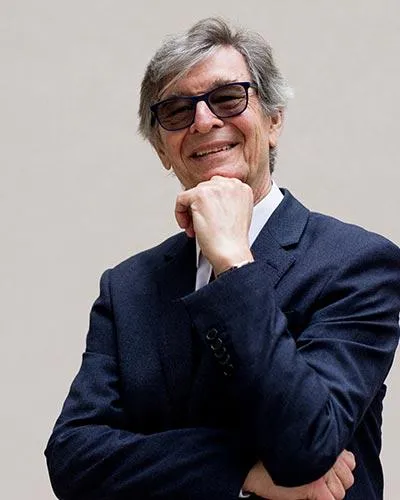
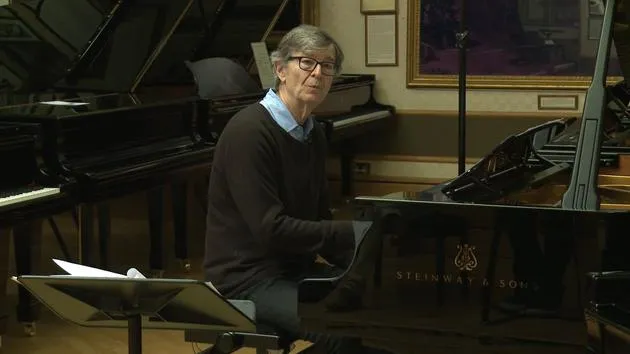
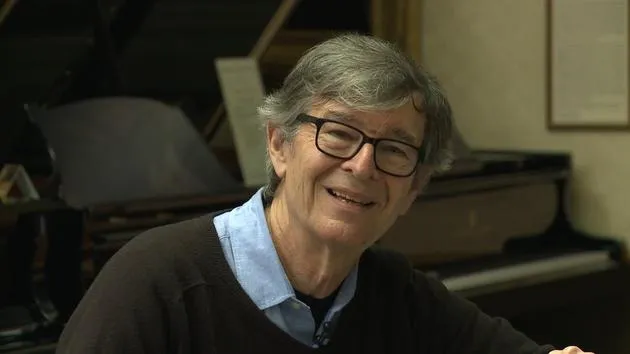
Darius Brubeck"Open Voicing" is the way in which the notes of chords are assigned across a range wider than one octave. Darius explains how to use voicing to make your part stands out as something different, as a distinct voice that adds something to the melody - ie. not the same as the melody or underlying harmony.
What's in the course
11 lessons (1h 48m) · 1 free
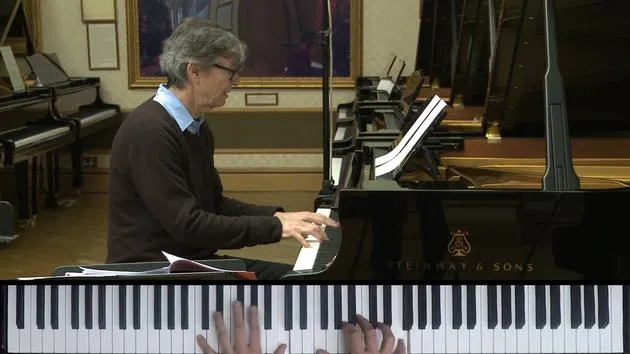
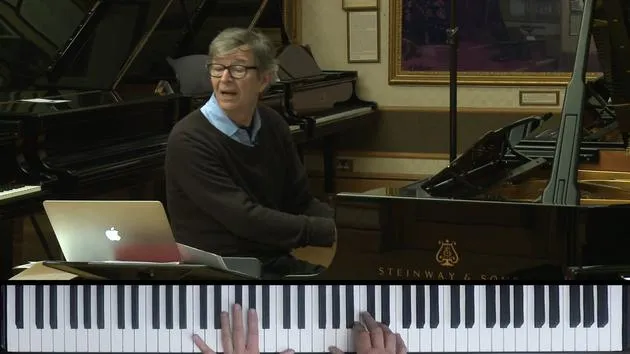
Lesson transcript
Open Voicings and Chord Extensions
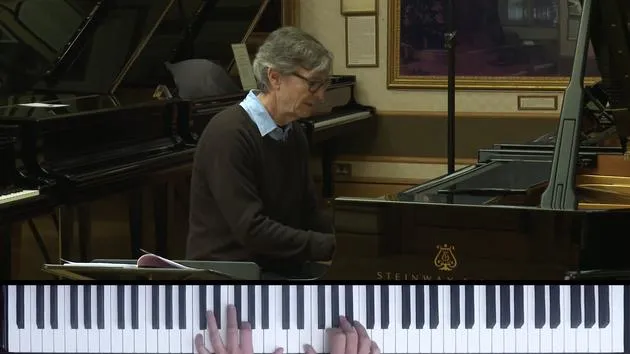
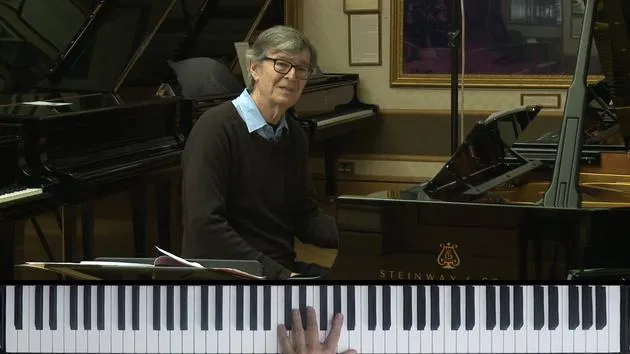
Open voicings involve a simple yet effective technique. Here's how it works:
- Take a close position chord.
- Move the first note above the root up to the top.
As a result, you create an interval larger than an octave, in fact, it's a tenth. This produces a nice, sonorous sound, with the tenth enclosing both the fifth and the seventh.
Chord Extensions
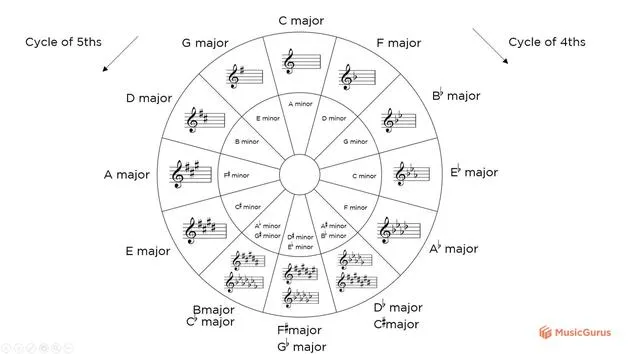
I've written it out for you in two keys. When chords have numbers in them, they indicate extensions. While these extensions are not always stylistically appropriate, they offer significant opportunities for enhancing the harmonic context of any melody.
Consider this: Melody notes may not always coincide with the notes in the chord. Thus, you are inherently hearing extensions.
Harmonizing Melody Notes
- Extensions can provide a means to harmonize melody notes that are present.
- They can also make harmonies more interesting and supportive.
Whether you're playing in a band situation, arranging for a horn section, or creating your own keyboard parts, understanding this concept is crucial. Your part should stand out as something distinct, adding a different voice that doesn't just duplicate the melody or the underlying harmony.
Musical Context
All styles of music effectively utilize this technique. For example, think of artists like Hendrix, James Brown, or Earth, Wind and Fire, each excels in this area. Any music with a strong blues foundation will inherently use a lot of chord extensions.
Thus, chord extensions are not merely an esoteric corner of the harmonic world reserved for jazz musicians; they are an everyday element of a musician's vocabulary.
11 lessons
1h 48m of structured video lessons
Advanced video features
Slow down, loop a passage, follow along
Mobile, tablet & desktop
Practise wherever you are
100% satisfaction guarantee
30-day money-back guarantee
Meet your guru
Meet your guru
Darius Brubeck is a noted jazz pianist and educator. He has released numerous albums as a leader, toured internationally with his own groups, and collaborated with his brothers on Brubecks Play Brubeck.
Darius has served as a Fulbright visiting professor in Romania and Turkey. He initiated the first degree course in jazz offered by an African university, at the University of KwaZulu-Natal in South Africa, where he taught until 2005.
Darius often collaborates with Mike Rossi, saxophonist and Professor of Music at the University of Cape Town. Mike's achievements include numerous recordings and international stage appearances as leader, soloist, and sideman with Tony Bennett, Dave Liebman, Winston Mankunku Ngozi, George Russell, Clark Terry and Alessio Menconi, among others.
With Darius as your guide, you'll get straight to the "good stuff". In Harmony 101 he demystifies jazz harmony so you can start putting it to use fast, and in Mastering Odd Times he breaks down how to play and improvise confidently in unusual time signatures.







