



Rhythm & Strumming
With
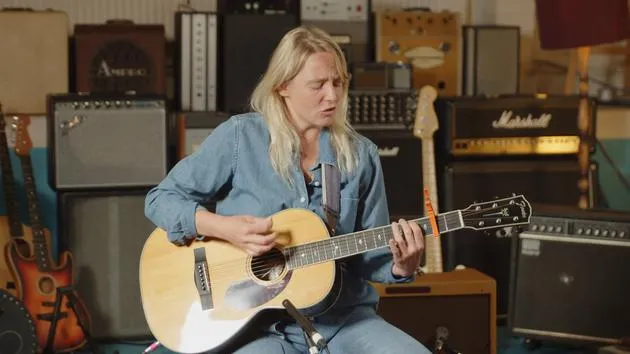
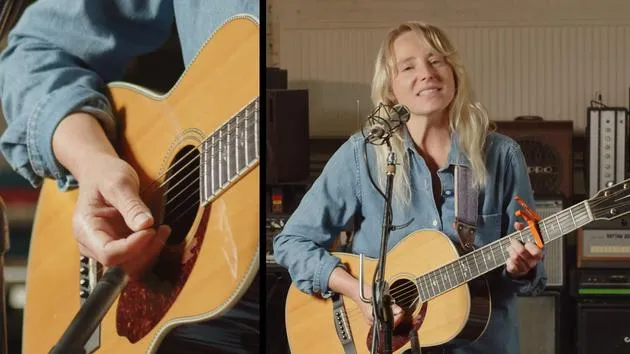
LissieLissie shares the strumming patterns she relies on, from simple down-up grooves to harder, more aggressive rhythms for rock covers.

What's in the course
25 lessons (1h 37m) · 1 free
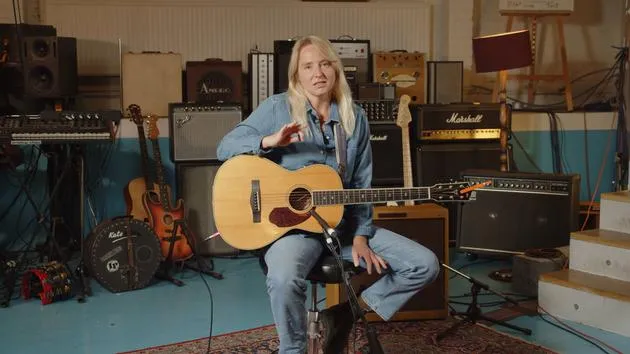
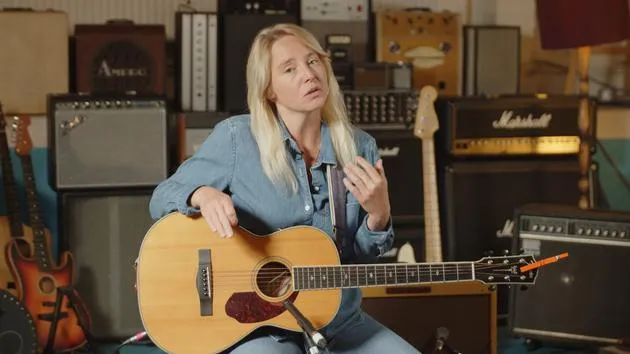






Lesson transcript
Guitar Strumming Techniques and Rhythm
For a long time, I actually never played the guitar with a pick. When it comes to rhythm, I don't really think about it much. You know, I've played with bands, and it just kicks in. I can jump right in.
Strumming Patterns
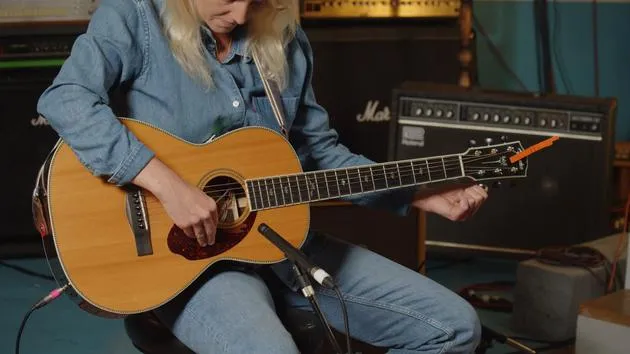
Here are a few common ways I approach strumming:
-
Basic Strumming:
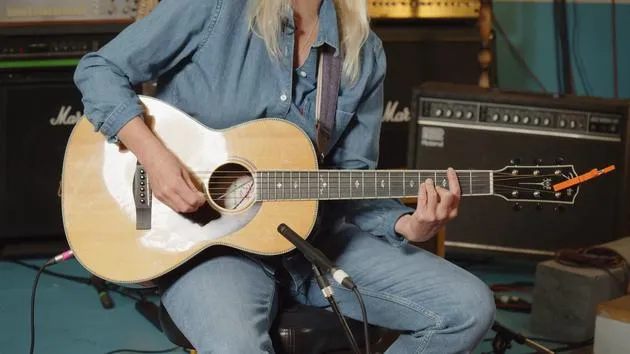
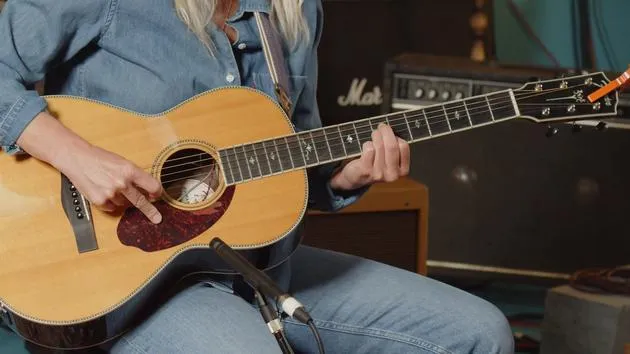
- Down, up, down.
- This is how I typically play the guitar.
-
Aggressive Strumming for Rock Covers:
- Down, down, down, down.
- This feels a little more aggressive and tough.
-
Sweet and Straightforward Strumming:
- Down, up and down.
- Down, down and down, up.
- This is my sweet spot.
Sometimes, I'll do really simple picking, which depends on what the song calls for.
Communicating with the Band
When I think of rhythm and how to communicate with my band based on my records and songs, I consider:
- The Personality of the Song:
- Is it rough, sweet, thoughtful, pensive, or romantic?
I can't pinpoint exactly how I label my playing, but I know that staying in sync is key.
Staying in Lock with the Beat
As long as you're in lock with:
- The beat (BPM)
- If the band is playing
- Or if you have a metronome going
When you're locked into the song, how you strum will relate to the attitude and personality of the music.
Responding to Live Energy
There might be nights when the band's playing, and the energy in the room is particularly good. For instance:
- If the lead guitarist is ripping a solo, it might feel like a hype night.
- In those moments, I respond to their energy.
As the song builds and stretches, I may switch up my strumming based on the intensity of what's happening.
Variability Within a Song
Within one song, I often use several different strumming patterns or approaches.
- Chorus vs. Verse:
- The approach may vary:
- The chorus might have a more intense strumming pattern.
- The verse could be more subdued.
- The approach may vary:
In conclusion, rhythm and strumming patterns are very much a reaction to the energy of the moment and the dynamics of the song!
25 lessons
1h 37m of structured video lessons
Advanced video features
Slow down, loop a passage, follow along
Mobile, tablet & desktop
Practise wherever you are
100% satisfaction guarantee
30-day money-back guarantee
Meet your guru
Meet your guru
Lissie is a folk-rocker who grew up in Rock Island, Illinois, near the Mississippi River, speaking her mind and writing songs from an early age. Fans first fell in love with her voice on the five-song EP 'Why You Runnin'', produced by Bill Reynolds of Band of Horses, which Paste Magazine ranked among its Eight Most Auspicious Musical Debuts.
In 2010, her first full-length album 'Catching A Tiger' unassumingly established Lissie as a global voice. Stateside praise was matched in the UK with acclaim from the BBC, Evening Standard, Uncut and The Independent, who described it as "as refreshing a slice of pop as these jaded ears have heard in years." The album went on to sell 300,000 copies worldwide - 100,000 of them in the UK, where it was certified Gold.
Highlights along the way:
- Nominated for Best Breakthrough Act at the Q Awards, and tapped by VH1 as a "You Oughta Know" artist
- Festival sets at Glastonbury, Hard Rock Calling, Latitude, Secret Garden Party and Bestival
- TV appearances including Later with Jools Holland and Sunday Brunch
- Screen roles in Loudermilk and David Lynch's Twin Peaks, where NME praised her "intense" performance closing the episode with the Stevie Nicks-esque 'Wild West': "Rock Island's most exciting troubadour more than earned her Lynch-commissioned screen time."
- 'Carving Canyons' (out September 16), her first full-length album since the UK Top 10 'Castles' in 2018
In her guitar course, Lissie shares the chords, strumming and songwriting instincts behind her songs - everything you need to start playing like Rock Island's finest troubadour.







