



Introduction to the course
With
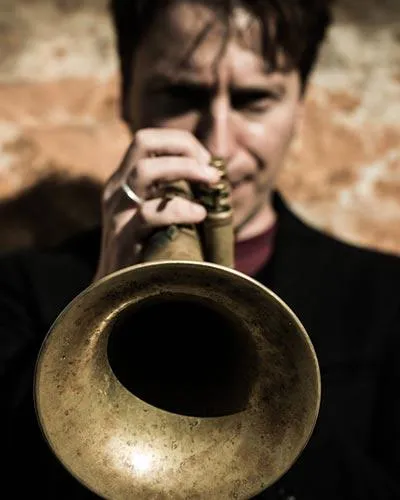
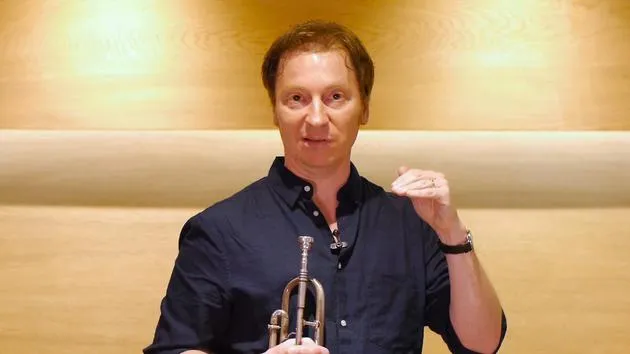
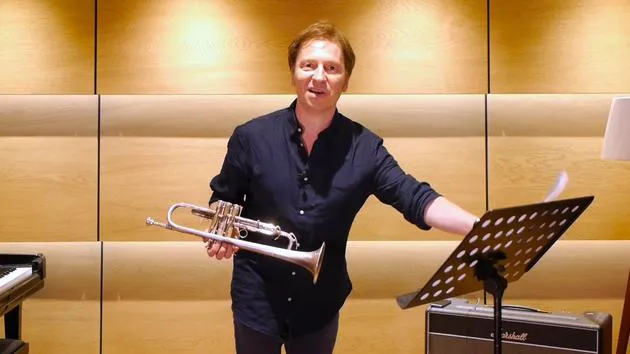
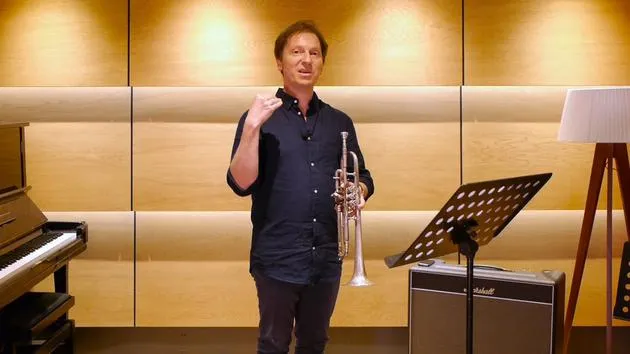
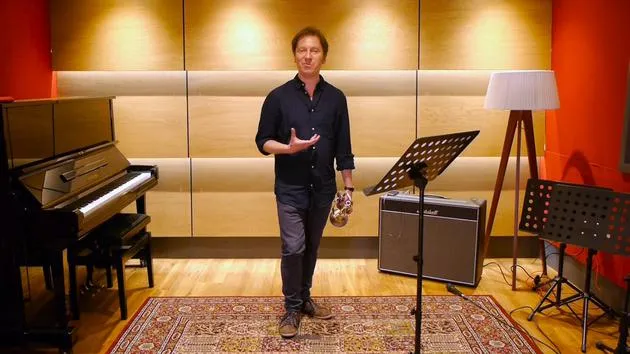
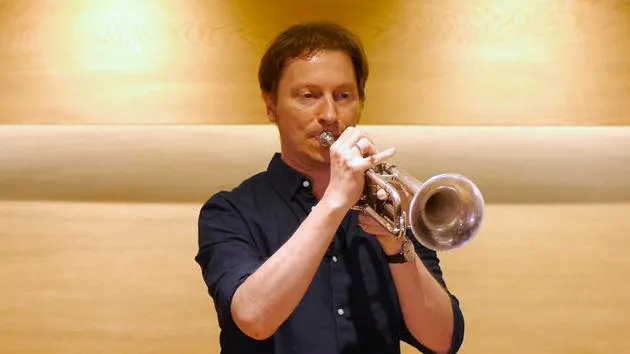
Gerard PresencerGerard Presencer introduces his internal approach to the trumpet, focusing on what happens inside the mouth to build endurance and flexibility across the whole range.
What's in the course
12 lessons (1h 49m) · 1 free
Lesson transcript
Developing a Supportive Technical Approach to Playing the Trumpet
To develop a supportive technical approach to playing the trumpet, there are several strategies we can explore. Over the course of the 10 lessons that we're going to have, I will ask you to try a few physical things that focus on the preparation of playing the trumpet rather than the actual playing itself. This will help us create consistency, so that when you go for a high note, you don't have to change how you play externally compared to how you would for a low note.
Consistent Register Approach
- We will work on creating one register and one approach to playing the trumpet up and down.
- The only difference between a low note, high note, or medium note will be what's happening inside your mouth.
Robot Arms Concept
A key concept I like to work on with students is the idea of robot arms.
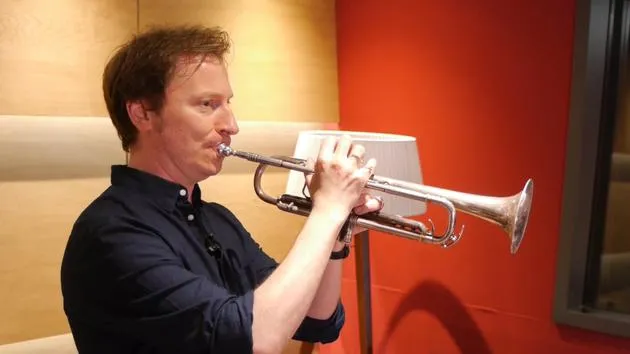
- What this entails: When you go to play, do it without outside manipulation of your face.
- This method minimizes unnecessary movement as you prepare to play.
- When taking the trumpet off your face, keep the same approach, your airstream should be what produces the note, not your embouchure.
1, 2, 3 Placement
We will also discuss the 1, 2, 3 placement:
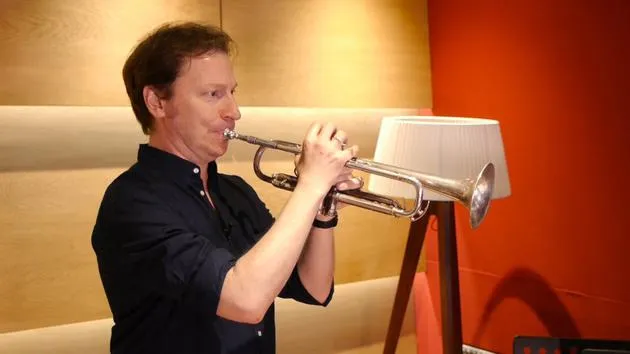
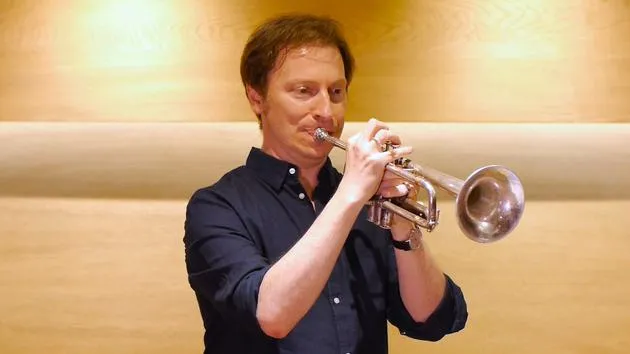
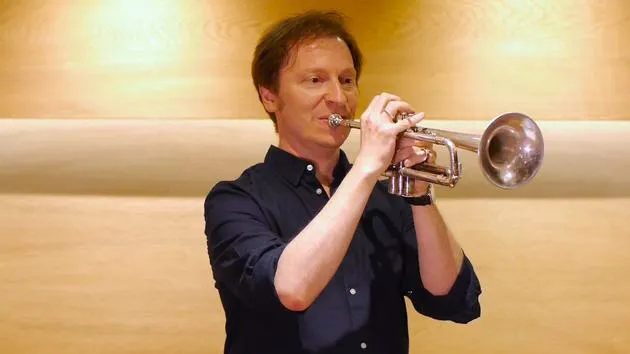
- Put the trumpet on your face.
- Take a breath through your nose.
- Play the note.
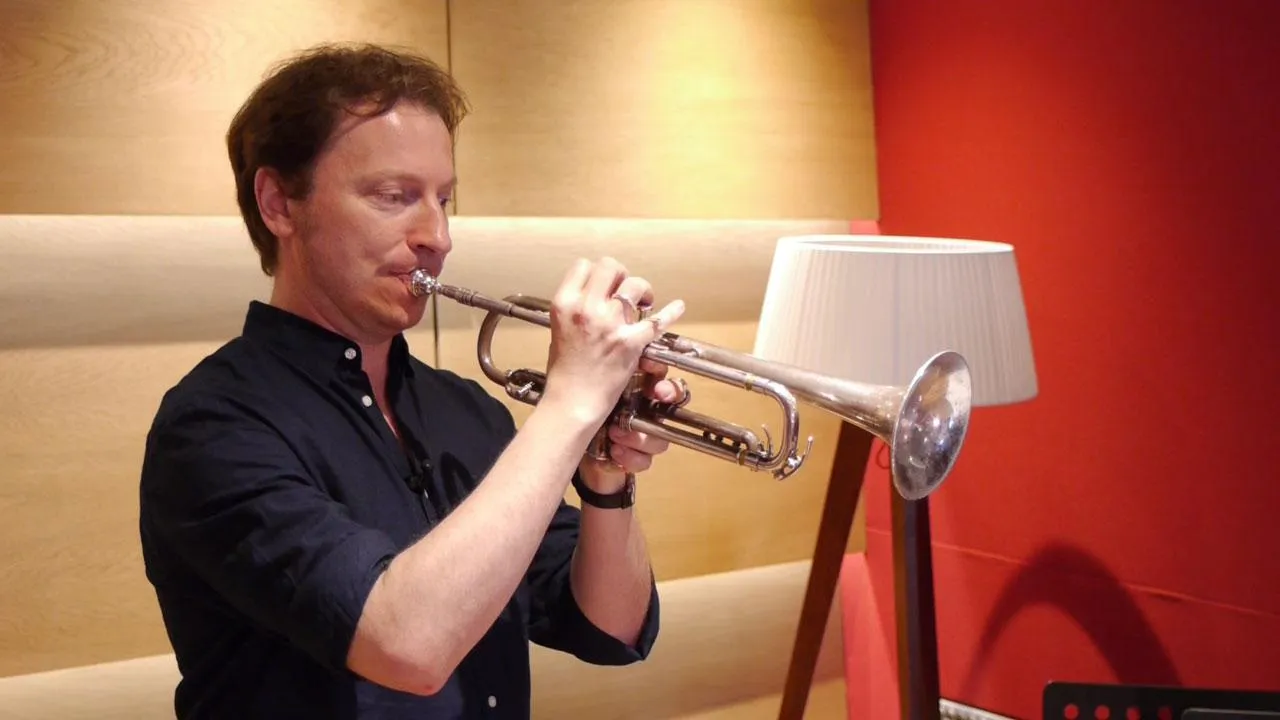
Make sure you do not put your finger down for the note until you are playing it. For example, if I'm going to play a bottom A flat, I would do it as follows, and then off. I will also practice this with a top C.
Focusing on the Bell
Another exercise relates to looking at your bell:
- This is particularly important when playing staccato exercises.
- Focusing on the center of your bell keeps the trumpet stable, especially when playing fast staccato passages.
Crescendo on Descent
We will cover how to crescendo when descending an arpeggio:
- Instead of backing off on the descent, we'll get louder.
- This practice prepares you to have more control during a descent, reducing the likelihood of crashing down and losing control.
Internal Approach to Trumpet Playing
Throughout these lessons, we will focus on the internal approach to trumpet playing, discussing:
- The development of strength and control within your mouth.
- Recognizing that each player has a different embouchure; what's happening inside your mouth is crucial, even if it's not visible.
Air Stream Control
- The trumpet is functioning best when it acts as a legato airstream machine.
- Regardless of the music style (e.g., playing short notes in a pop band), maintain a steady stream of air.
The Role of Warm-Up
An important feature of our lessons will be understanding that:
- Warming up isn't about duration; it's about the quality of what you do.
- Some warm-up exercises may not sound like music, but they are essential for getting your technique to work effectively.
Focused Warm-Up
- Be conscious of what you're trying to develop during your warm-up.
- As a professional, knowing how to warm up efficiently in limited time is crucial.
Enhancing Muscle Control
Finally, developing trumpet approach and technique should not be seen as simply "pumping iron".
- It's about developing muscle control and strength through control.
- The more familiar you become with the trumpet and your internal processes, the easier playing will become.
By following this process of development, you will become a more efficient, relaxed version of yourself as a trumpet player. Embrace this journey and enjoy the learning!
12 lessons
1h 49m of structured video lessons
Advanced video features
Slow down, loop a passage, follow along
Mobile, tablet & desktop
Practise wherever you are
100% satisfaction guarantee
30-day money-back guarantee
Meet your guru
Meet your guru
Over the past 25 years Gerard Presencer has carved out a formidable reputation as one of the most respected trumpeters on the European scene. He exploded onto the international scene aged 18, when US3 asked him to play the solo part on Blue Note's Cantaloupe Island (re-imagined as Cantaloop Flip-Fantasia), which became one of the biggest selling jazz records of the 1990s. Since then he has performed with a who's who of international jazz artists, and continues to push himself and his instrument, moving outside his comfort zone in order to develop as a player and writer.
In other genres, Gerard has recorded as a session musician with artists such as Sting, Jamiroquai, Zero 7, James Brown, Ray Charles, Joni Mitchell and Jonny Greenwood.
Gerard has also been an essential member of Charlie Watts' various jazz groups over the last 25 years, touring the world and releasing several albums with the jazz-loving Stone.
As an educator, Gerard was Head of Jazz Studies at the Royal Academy of Music in London from 1999 to 2010, and is currently Head of the Brass Department at the Jazz Institut in Berlin. In this course he shares his internal approach to playing the trumpet - the mental and physical habits behind a great sound - so you can develop tone, control and musicianship from the inside out.







