



Fast flex exercice
With
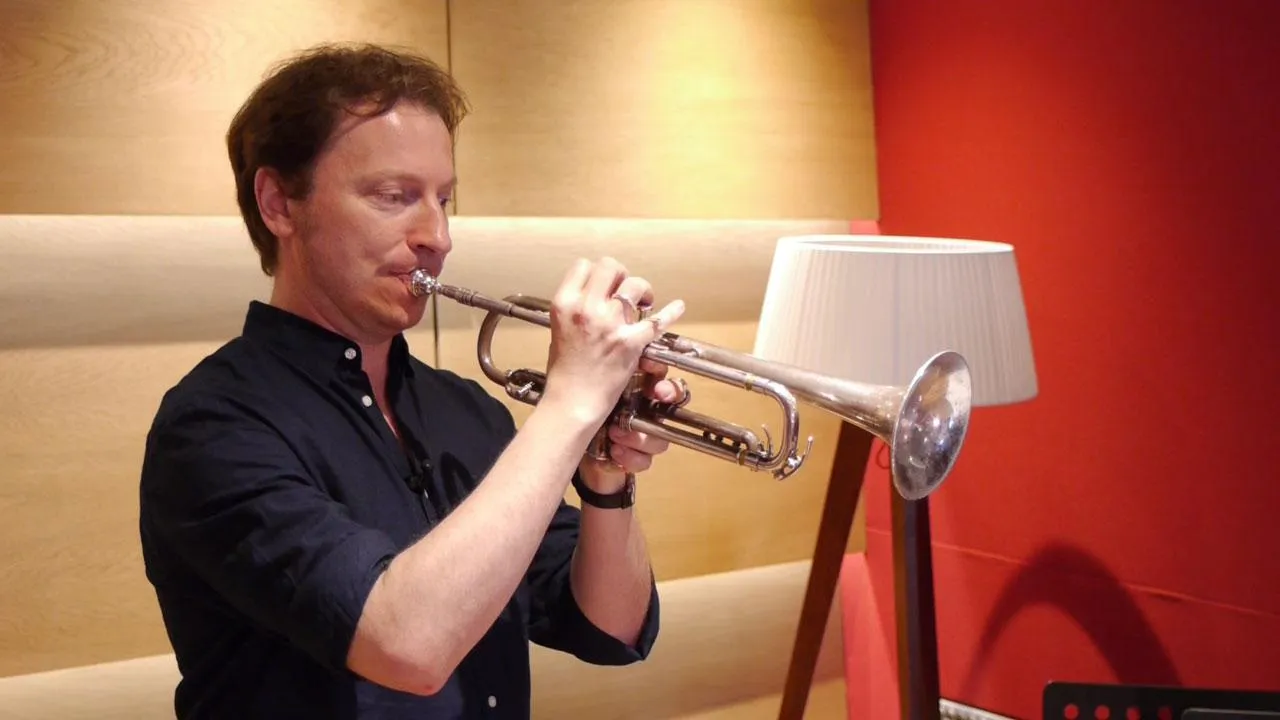
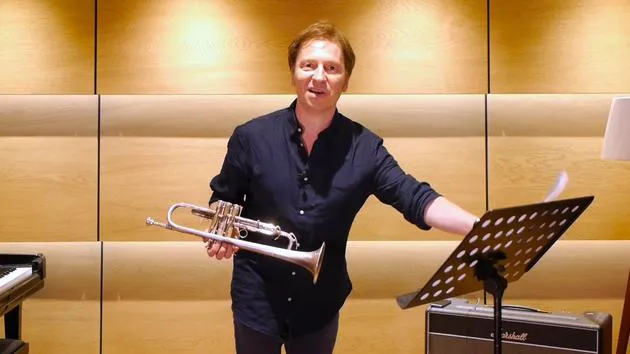
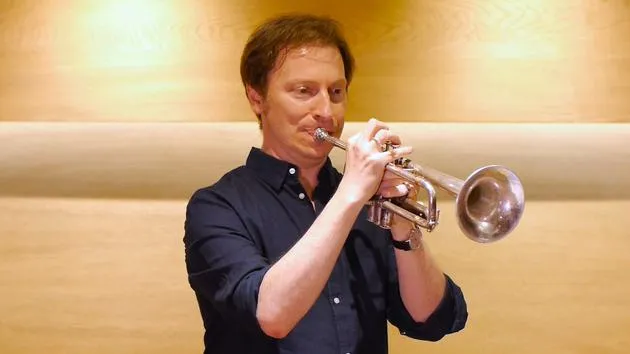
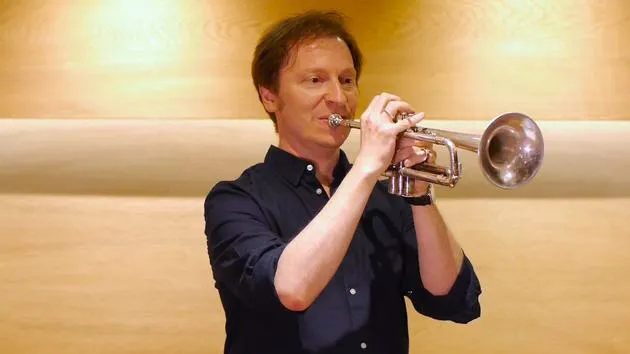
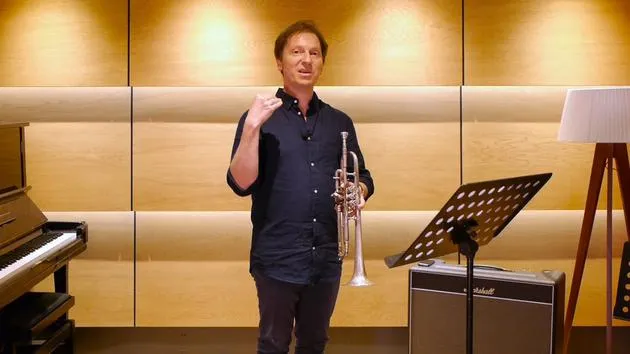
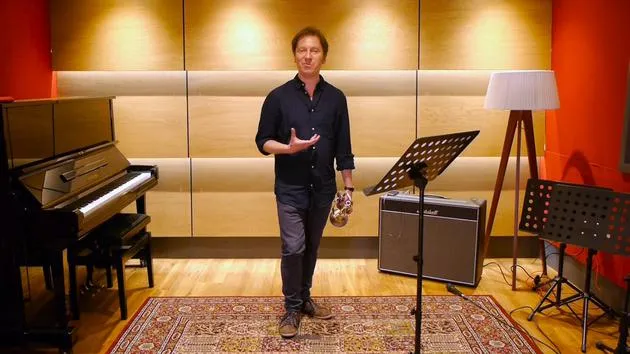
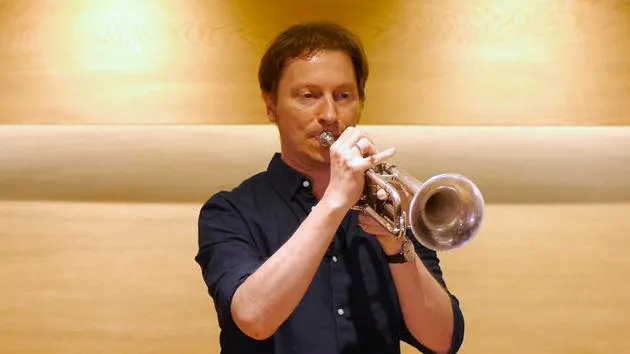
Gerard PresencerWhat is important in developing and practicing a good technical approach is to mix it up. This exercise builds upon the multi-vitamin and will give you the opportunity to jump between registers, playing loud and soft, using legato and staccato all in the same exercise.
What's in the course
12 lessons (1h 49m) · 1 free
Lesson transcript
Music Lesson: Technical Approaches
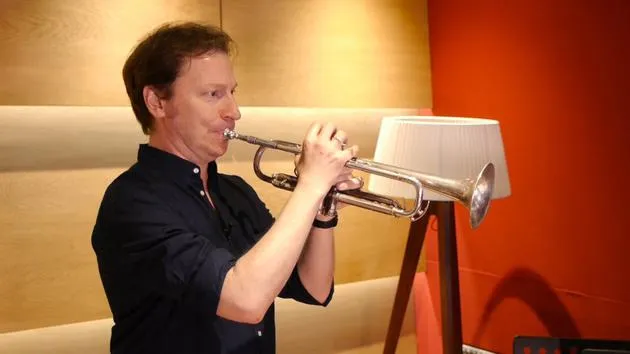
In this next exercise, we're moving on from the multivitamin in a similar vein. We feel it's important to develop a good technical approach, and practicing different techniques is crucial to that.
Mixing Techniques
- Jumping Between Registers
- Playing Loud and Soft
- Using Legato and Staccato
All these elements will be incorporated into the same exercise.
Key Concepts to Remember
-
Staccato Focus:
- When performing staccato, pay attention to the central bell part.
- This applies to legato as well.
-
Exercise Goals:
- Start by playing legato to familiarize yourself with the constant air stream and central tongue position.
- Control pitch in coordination with the speed of the air.
-
Articulation:
- Mix in short staccato.
- Define staccato using your central tongue position instead of the tip.
Remember: Legato is king! Often in pop or big band music, the single tongue is more crucial than the air.
Exercise Demonstration
-
Start playing entirely legato.
- Maintain consistent air speed and a slight crescendo on descents.
- Play at a moderate pace for better comfort.
-
Repeat the exercise.
- This time, play the descending moving arpeggios with short staccato.
- Notice how focusing on the center of your bell aids in your playing.
-
Keeping It Light:
- If you need to take a breath, do not do so in tempo.
- It might sound in tempo but it's not, so breathe then resume as if starting anew.
Opposite Technique Application
- Play the top static C arpeggio staccato while the moving one becomes legato.
Observation:
- While doing legato on the moving arpeggio, you may need to slow down a bit on the 5:1 and descent to achieve a comfortable crescendo.
Flexibility Exercise
- Add an extra note on the top (up to an E), traveling a tenth in range.
Final Steps
-
Practice Variations:
- Continue with legato on the top and staccato on the bottom.
- Finally, try staccato at the top and legato on the bottom.
-
Troubleshooting:
- If staccatos don't come out, repeat between the C and the bottom F sharp until successful.
- Focus on airflow, keeping it short without over-tensing.
Self-Development
- These exercises are designed for you to troubleshoot your own technical development.
- Each version of the same exercise will present different issues to address.
Takeaway:
- Speed things up or slow things down as needed.
- Always remember to focus on airspeed and a fluid tongue motion.
Good luck, and start listening to yourself as I would if I were in the room with you!
12 lessons
1h 49m of structured video lessons
Advanced video features
Slow down, loop a passage, follow along
Mobile, tablet & desktop
Practise wherever you are
100% satisfaction guarantee
30-day money-back guarantee
Meet your guru
Meet your guru
Over the past 25 years Gerard Presencer has carved out a formidable reputation as one of the most respected trumpeters on the European scene. He exploded onto the international scene aged 18, when US3 asked him to play the solo part on Blue Note's Cantaloupe Island (re-imagined as Cantaloop Flip-Fantasia), which became one of the biggest selling jazz records of the 1990s. Since then he has performed with a who's who of international jazz artists, and continues to push himself and his instrument, moving outside his comfort zone in order to develop as a player and writer.
In other genres, Gerard has recorded as a session musician with artists such as Sting, Jamiroquai, Zero 7, James Brown, Ray Charles, Joni Mitchell and Jonny Greenwood.
Gerard has also been an essential member of Charlie Watts' various jazz groups over the last 25 years, touring the world and releasing several albums with the jazz-loving Stone.
As an educator, Gerard was Head of Jazz Studies at the Royal Academy of Music in London from 1999 to 2010, and is currently Head of the Brass Department at the Jazz Institut in Berlin. In this course he shares his internal approach to playing the trumpet - the mental and physical habits behind a great sound - so you can develop tone, control and musicianship from the inside out.







