



Two tones on leadpipe & Airspeed warmup
With
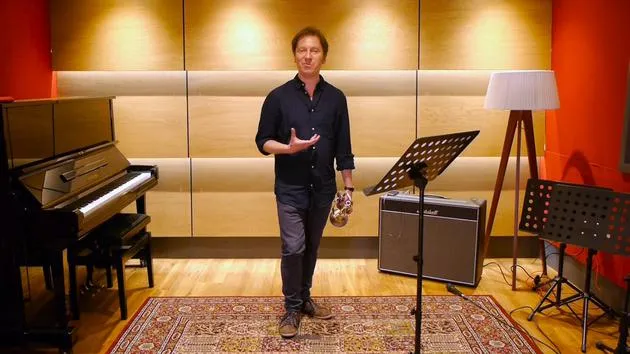
Gerard PresencerGerard Presencer's go-to warm-up the moment he opens the case, a Bill Adam-inspired leadpipe and airspeed exercise that isn't meant to sound pretty.
What's in the course
12 lessons (1h 49m) · 1 free
Lesson transcript
Trumpet Warm-Up Routine
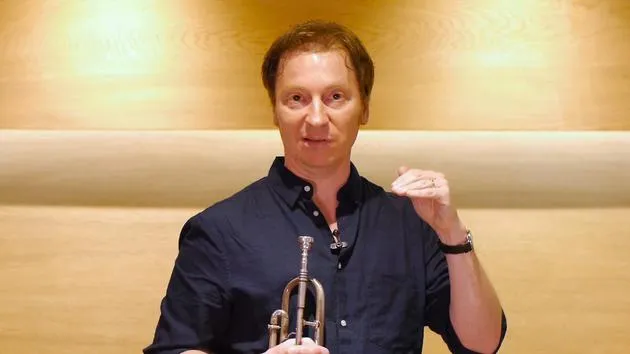
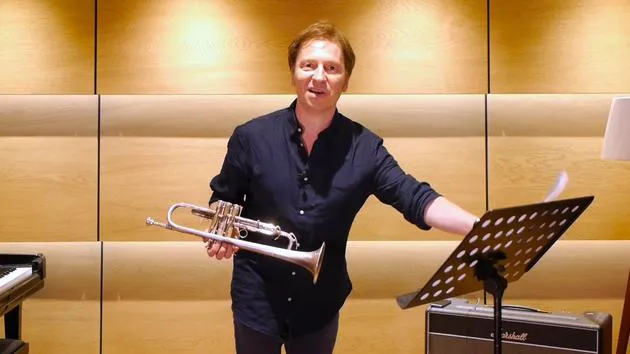
So what's the first thing you do when you get the trumpet out of the case? There are many different things I've done over the course of my playing life, but recently, I discovered the work of the great trumpet teacher from Indiana University, Bill Adam. This is probably the most unsubtle warm-up I've ever done.
Initial Thoughts
I went camping last year for months and couldn't bring my trumpet with me. When I got back, I had a gig within four or five days. I did this exercise, and I got my chops back very quickly. Now, I've built this into my routine; it is always the first thing I do when I play.
The Lead Pipe Exercise
Here's a straightforward concept:
-
Lead Pipe Preparation
- Take out your lead pipe. You can take it out all the way or just push it in slightly, ensuring it won't fall out if not well-greased.
-
Play Two Notes
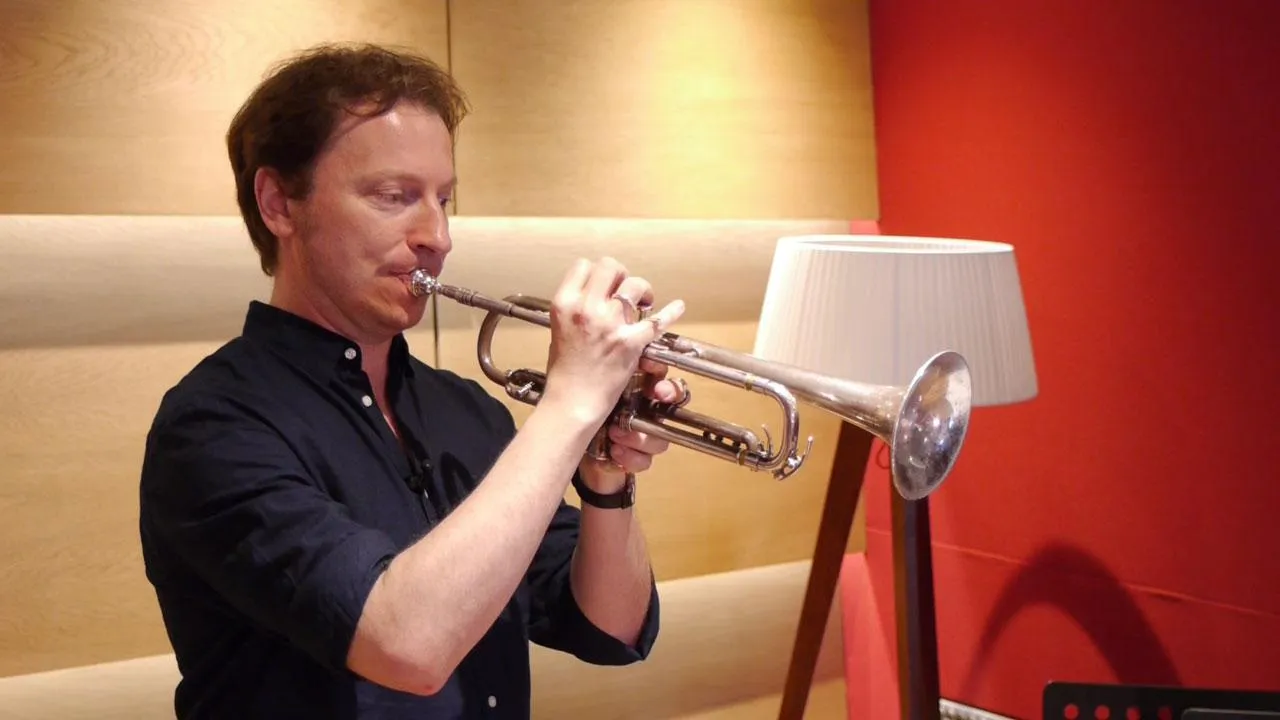
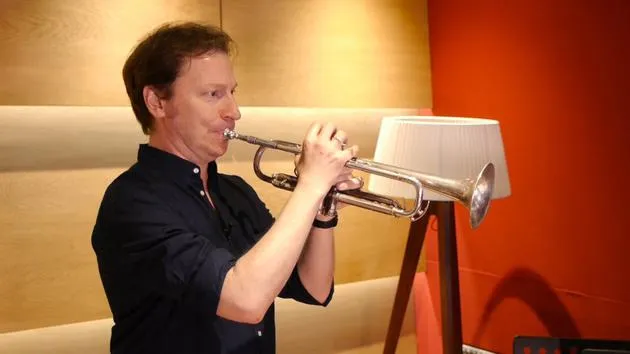
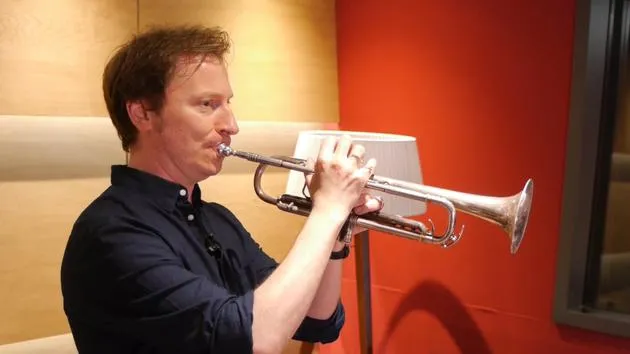
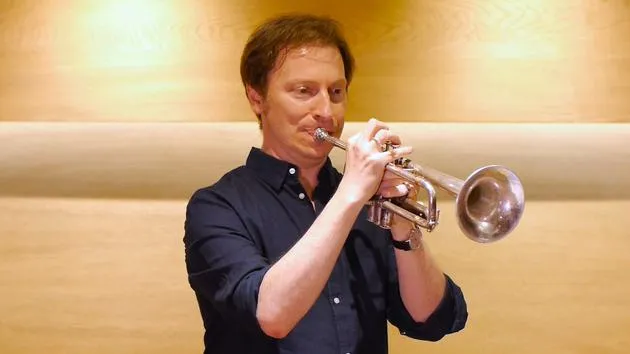
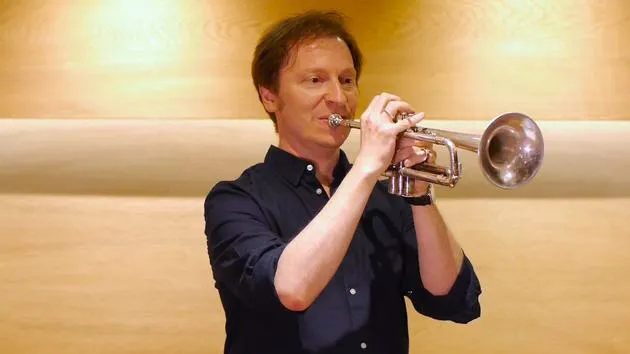
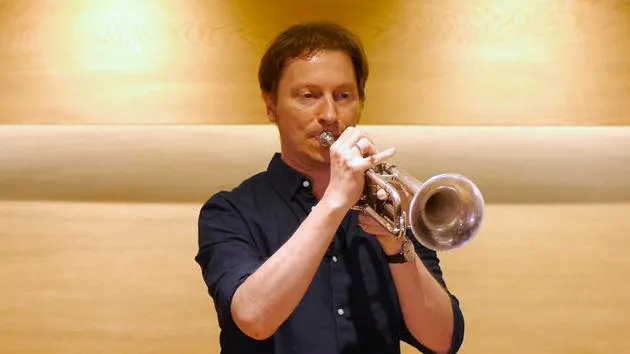
- I use my 1, 2, 3 approach to place the trumpet on my face.
- Start at a medium range, blowing a mezzo forte note.
- Perform a slow glissando until you feel the bell vibrate. This gives you a different sound, listen for it when I do it.
-
Strong Note Play
- Once I feel that vibrating bell pitch, I take the trumpet off and replace it with the 1, 2, 3 placement.
- Then, I play that pitch as loud as I can.
To demonstrate:
- [Plays the note]
That's the note I'm going to come back to. And that's it. That's the first thing I've done in my playing day.
Benefits of the Exercise
I believe I might already be warmed up; that's how useful it is! It's nice not to have to focus on making a nice sound or thinking about music immediately. When playing the trumpet, it just gets you blowing and flowing with the airstream in an unashamed way.
Embracing the Loudness
- Embrace the loudness, it's just air.
- You're not hurting yourself; it's just airstream.
- Fast air brings your chops together beautifully, and it feels good.
Ascending on the Trumpet
Now for the next thing I do, which combines a few techniques. To ascend on the trumpet:
-
Speed Up Your Air
- Gradually increase your air stream with a crescendo.
-
Tongue Position
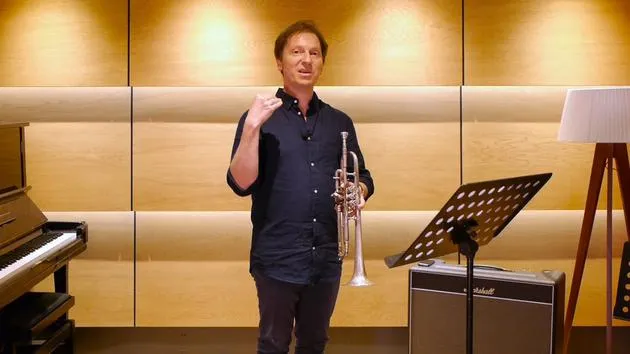
- As I speed up the air, my central tongue position gradually gets pushed forward. I visualize this with my hand.
-
Note Transition
- Start on a note, and as the crescendo develops, getting louder and faster, the tongue's forward motion leads to a detuning of the note that eventually pops up to the next note.
- I do this from middle C to G and then from G to C.
Important Points
- Observe your 1, 2, 3 placement to start from a quiet note and build up the volume.
- This is the very first thing I do every day after the two tones previously mentioned.
Practicing Together
Don't worry about sounding nice, it doesn't matter. Emulate my technique to an extent, but feel free to adjust the lengths of your crescendos.
Exercise Procedure
- We'll go down in half steps.
- I'll play the exercise first, and then you follow.
- Starting Key: C
- [I play the exercise]
- Now it's your turn!
Final Notes on Technique
At the end of this exercise, I want you to notice that when I play the C, I speed up the airstream much faster than the previous crescendos.
- This approach helps your tongue position move forward quickly.
- It's crucial to note that this process is independent of the external sound; it's all about the speed of the air.
Remember:
- The exercise can sound rough; this is part of the process.
- You should not consciously decide when your tongue moves forward or when the note goes up. Accepting this will improve your playing.
Conclusion
It's great to play loudly and quietly during these warm-ups. If you can manage good dynamic range, even in simple exercises, you're developing a controlled approach to trumpet playing and letting your air play for you.
Good luck!
12 lessons
1h 49m of structured video lessons
Advanced video features
Slow down, loop a passage, follow along
Mobile, tablet & desktop
Practise wherever you are
100% satisfaction guarantee
30-day money-back guarantee
Meet your guru
Meet your guru
Over the past 25 years Gerard Presencer has carved out a formidable reputation as one of the most respected trumpeters on the European scene. He exploded onto the international scene aged 18, when US3 asked him to play the solo part on Blue Note's Cantaloupe Island (re-imagined as Cantaloop Flip-Fantasia), which became one of the biggest selling jazz records of the 1990s. Since then he has performed with a who's who of international jazz artists, and continues to push himself and his instrument, moving outside his comfort zone in order to develop as a player and writer.
In other genres, Gerard has recorded as a session musician with artists such as Sting, Jamiroquai, Zero 7, James Brown, Ray Charles, Joni Mitchell and Jonny Greenwood.
Gerard has also been an essential member of Charlie Watts' various jazz groups over the last 25 years, touring the world and releasing several albums with the jazz-loving Stone.
As an educator, Gerard was Head of Jazz Studies at the Royal Academy of Music in London from 1999 to 2010, and is currently Head of the Brass Department at the Jazz Institut in Berlin. In this course he shares his internal approach to playing the trumpet - the mental and physical habits behind a great sound - so you can develop tone, control and musicianship from the inside out.







