



Leçon 1 avec David Henzie-Skogen
Lesson time: (14min 43sec)
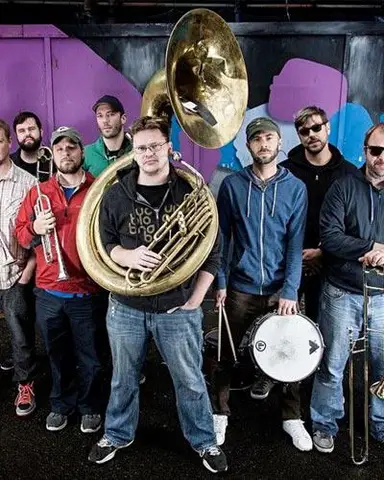
David Henzie Skogen, percussionniste du Youngblood Brass Band, te montre les bases d'un groove de brass band de La Nouvelle-Orléans.
Course preview
This lesson is part of the course Musicalité et improvisation en brass band avec Youngblood
Watch a preview of the full course below.
Lesson transcript:
New Orleans Brass Band Groove Lesson
Introduction
Hey, everybody. I'm David Henzey Scogan with Youngblood Brass Band. I play snare drum in the group, do all the studio engineering and production, and write some of the music.
Today, I want to discuss a simple technique related to one of the standard New Orleans grooves for brass band music.
Key Considerations
- Flexibility in Playing: This is not the only way to play the groove. It's just one of the approaches I think about and teach.
- Frequently Asked Questions:
- What kind of sticks do you use?
- What kind of drum head is that?
- What kind of drum is that?
I believe these questions might be better off not asked. Your job as a musician is to use the gear available to you to make it sound good and uniquely yours.
"I've seen people play amazing gigs on cardboard boxes and terrible gigs with great gear."
Gear Preferences
- Drums: We play Mayfax drums.
- Stick: We use Vic Firth drumsticks.
The Groove Explained
Standard New Orleans Brass Band Groove
- This groove uses the snares off, with your role being similar to that of playing conga drums.
- The pattern resembles what in Cuban music is called Tumbao, where:
- Every beat two: Play a rim click.
- Every beat four: Play two tom notes.
The root of the groove is essentially 2, 3, 4, 1, repeated continuously.
Though that's the basic structure, there are many variations and grace notes to explore.
Example Groove in Action
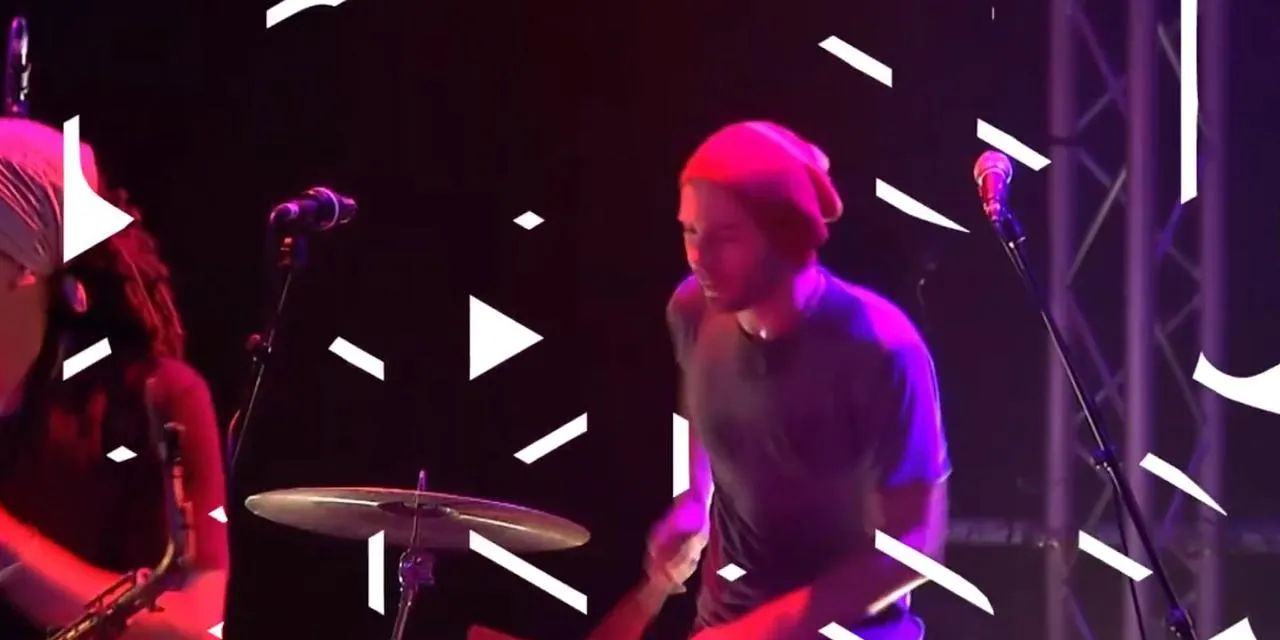
You can see this in action in a Youngblood Brass Band video from the Rock and Solex Festival.
"Look up 'Rock and Solex Youngblood' on YouTube. The groove appears at 32 minutes and 30 seconds in a cover of a Rebirth Brass Band song called 'Why You Worry About Me.'"
Playing the Groove
- Keep your hands in motion, applying a straight eighths pattern with your right hand leading.
- Variations include:
- Using dead strokes on lower notes.
- Incorporating rolling techniques or open diddles.
- Playing triplet bass figures.
Dynamics and Technique
The key to the groove is the ability to transition between loud and soft notes effortlessly:
- Loud Note: Throw it down and let the impact be absorbed through your arm.
- Soft Note: Maintain a relaxed grip; don't squeeze the stick.
"The biggest thing is going loud note to soft note in a relaxed manner."
Important Musicianship
Developing the ability to control dynamics without tension is crucial for drummers. This can significantly affect how you feel the groove and the overall music's timing.
- Aim for:
- Soft note, loud note rhythm (repeat).
Collaboration and Space
Playing in a group is different from playing solo.
- Listening and Communication: It's vital to communicate with the bass drum and snare drum, creating musical spaces.
- Creating Space: Sometimes intentionally leaving beats open to let others fill that space is essential.
"True grooving is about being able to let your fellow musicians influence how the groove feels."
Conclusion
This lesson presents a standard brass band groove. Remember:
- There are many ways to achieve this style, and it's essential to sit in the groove for as long as possible.
Final Thoughts
Just because the music is jazz-influenced doesn't mean it's swung all the time. A lot of grooves, like the one in "Brooklyn" by Jumbled, benefit from a more straightforward approach rather than a fully swung interpretation.
"Everything really funky is somewhere in between."
Resources
- Check out the Rock and Solex video at 32:30 for a live example.
- For more information, visit:
Have a wonderful day, guys!
About the instructor
Youngblood Brass Band fusionne les cuivres sans concession de La Nouvelle-Orléans avec l'énergie et le lyrisme du hip-hop. Issu de Madison, Brooklyn, Minneapolis et Chicago, ce groupe de dix musiciens tourne dans le monde entier depuis 2000 et a collaboré avec des artistes tels que Questlove et Talib Kweli. Il est tout aussi à l'aise à mener une fanfare sur ses propres compositions qu'à faire la tête d'affiche d'un festival de punk. Sur MusicGurus, ils décomposent leur son mêlant La Nouvelle-Orléans et hip-hop : comment ils composent et arrangent pour les cuivres, le vocabulaire rythmique et harmonique qui relie le tout, et comment jouer une ligne de cuivre au sein d'une section soudée, y compris les parties complètes de leur morceau 'Brooklyn'. read more