



Déchiffrage avec la méthode "KAT TRAP"
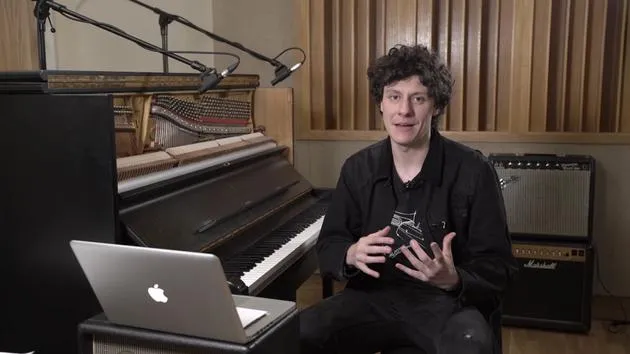
James partage sa méthode 'KAT TRAP' pour le déchiffrage, un élément clé de l'examen du Grade 6 et une compétence essentielle pour les pianistes de pop, de jazz et de studio.
Le contenu du cours
28 leçons (2h 28min) · 1 gratuites
01. Peel Me A Grape, Diana Krall (Interprétation)
Leçon gratuite6:26
02. Defying Gravity, Wicked (Interprétation)
2:30
03. The Way It Is, Bruce Hornsby (Interprétation)
5:12
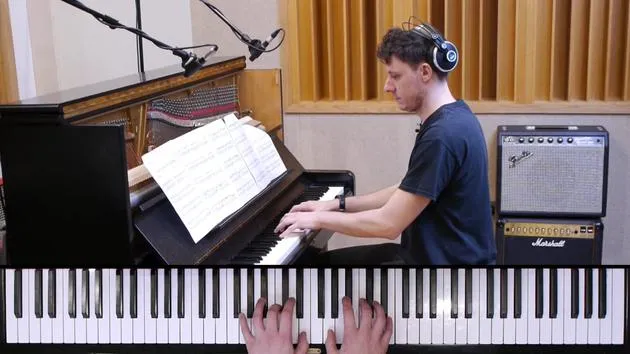
04. Favela, Noam Lederman (Interprétation)
2:45
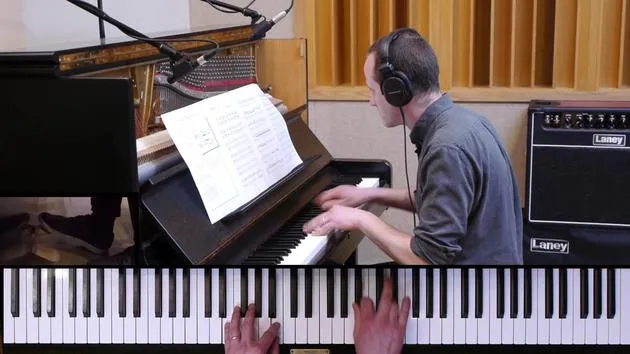
05. Mohair Mountain, Joe Bennett & Kung Fu Drummer (interprétation)
3:03
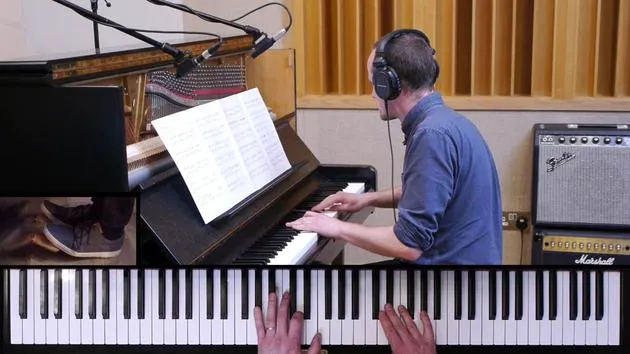
06. Blue Espresso, Deirdre Cartwright (interprétation)
2:38
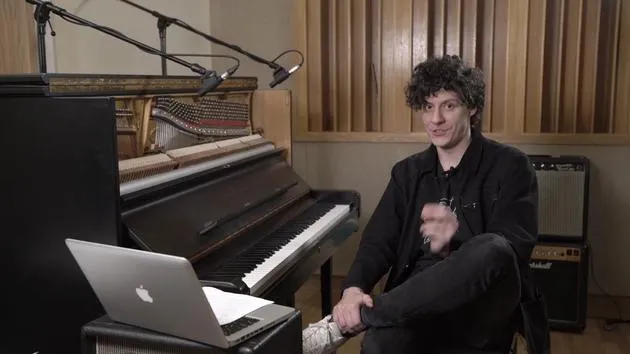
01. Déchiffrage avec la méthode "KAT TRAP"
Tu es ici9:04
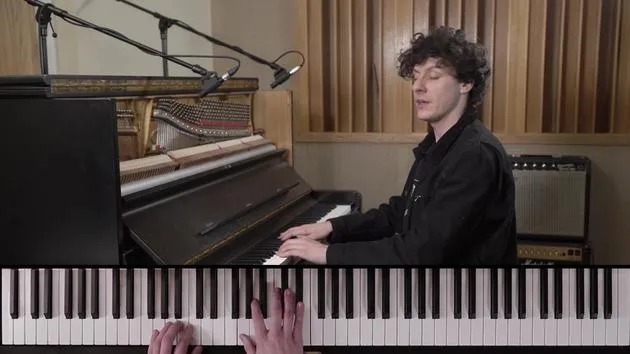
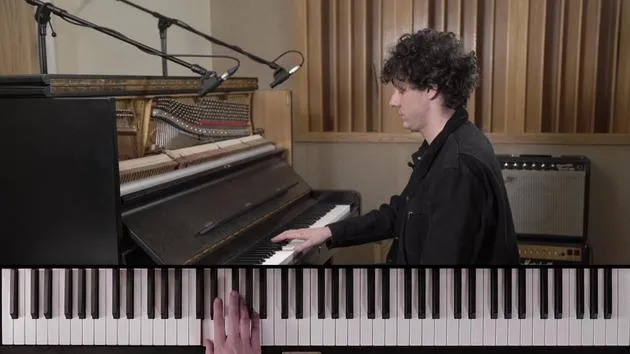
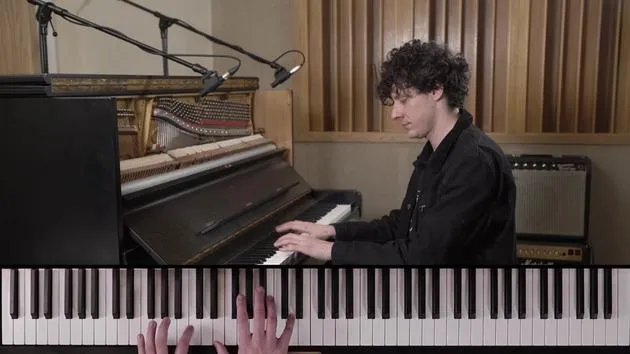
Transcription de la leçon
Sight Reading for Pianists
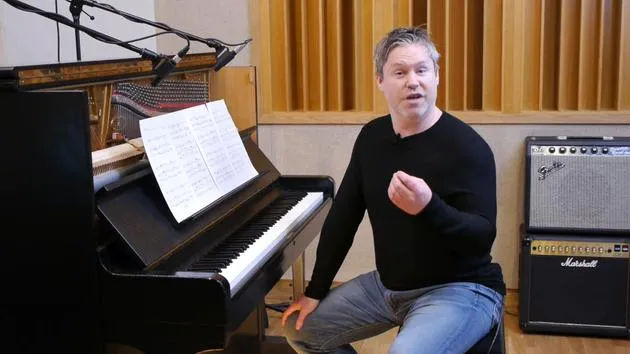
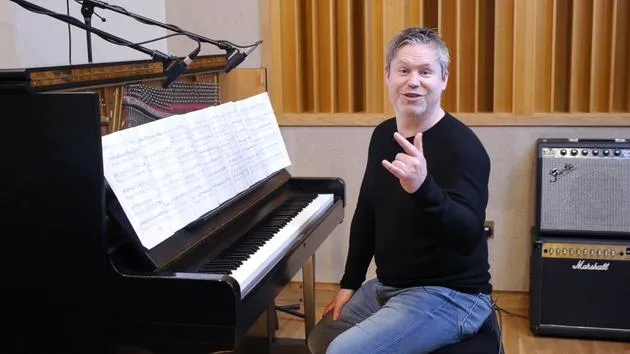
Hey guys, it's James here. I'm going to talk to you briefly about sight reading, which is a part of the Rock School exams and also a very important aspect of being a performing pianist.
Why Sight Reading Matters
Pianists in the rock, pop, jazz, and funk worlds often don't have as strong sight reading skills as our classical music counterparts. However, even though much of the music we play is based on ear training, it's crucial to develop sight reading skills. If you're aiming for a career in music theatre, big band music, or session work, sight reading will be an essential skill you'll need in your daily life.
When you show up to rehearsals with your bandmates, having strong sight reading skills can:
- Make learning complicated pieces quicker
- Reduce time spent figuring things out
- Allow more time for playing and enjoying the music
Looking back, I realized I came to sight reading quite late. I struggled with it at a young age and wished I had developed these skills much earlier. Although you can improve your sight reading at any age, starting young and early in your music development will make playing music in the future more satisfying.
Challenges of Piano Sight Reading
The most challenging aspect of piano sight reading is that we have two staves to read from. This makes it more complex than sight reading on other instruments. With chords and different lines occurring across these two staves, there's contrary motion and counterpoint chords, all of which can complicate the process.
Tips for Effective Sight Reading
The trick, like with all piano music, is to take it slow. Sight reading is an incremental process:
- Start off simply
- Gradually increase complexity
If you're going through the Rock School grades, each step will present its own challenges, and by the end, you'll find you can sight read most music fairly easily.
The CAT TRAP Method
I've provided a formula in the attached PDF called CAT TRAP. This acronym outlines the seven key things to look out for when you're about to sight read a piece of music:
-
C - Key
- What key are we in?
- Is it F, C, G major, G minor, or E minor?
- Understanding the clef and key signature is crucial for determining accidentals.
-
A - Articulation
- What is the phrasing of the piece?
- Are there staccato lines, tenuto lines, or slurs?
- In rock or pop music, these articulations may often not be notated, but they are essential for delivering the music correctly.
-
T - Tempo
- How fast is the piece?
- A piece at 50 BPM sounds entirely different from one at 120 BPM.
- Be mindful of tempo guidance to ensure the proper delivery.
-
T - Time Signature
- This determines how many beats are in a bar.
- A lot of rock music is in 4/4, but you might encounter 3/4, 5/4, or even 7/4.
- Subdivision is essential for playing music within the bars accurately.
-
R - Repeats
- Look for repeated sections indicated by dots on the lines.
- If you miss a repeat, it can affect the entire piece.
-
A - Accidentals
- These are the sharps or flats not found in the key signature.
- Always be aware of them as missing them can dramatically alter the music's sound.
-
P - Patterns
- Recognize shapes formed by chords and notes.
- Familiar patterns make recognition quicker, allowing you to move smoothly through the piece.
Finally, and most importantly, don't panic. Sight reading may feel challenging, but it's an incredibly useful skill for any aspiring musician.
Conclusion
Sight reading doesn't have to be intimidating. Start with pieces that are a little more difficult than you're used to and gradually work up. It's similar to lifting weights, begin with manageable weights and build your strength over time.
Remember the CAT TRAP approach:
- Key
- Articulation
- Tempo
- Time Signature
- Repeats
- Accidentals
- Patterns
- Don't Panic
You'll get there eventually!
28 leçons
2h 28m de leçons vidéo structurées
Fonctions vidéo avancées
Ralentissez, bouclez un passage, suivez la partition
Mobile, tablette et ordinateur
Pratiquez où vous voulez
Satisfaction garantie à 100 %
Garantie remboursement 30 jours







