



Arpèges - Grade 6
Travaille les arpèges de piano de Grade 6, y compris les paires enharmoniques comme F# et G♭ majeur et les positions plus délicates de C13♯11 et C7♭5♭9, avec des conseils de doigté.

Le contenu du cours
28 leçons (2h 28min) · 1 gratuites
01. Peel Me A Grape, Diana Krall (Interprétation)
Leçon gratuite6:26
02. Defying Gravity, Wicked (Interprétation)
2:30
03. The Way It Is, Bruce Hornsby (Interprétation)
5:12
04. Favela, Noam Lederman (Interprétation)
2:45
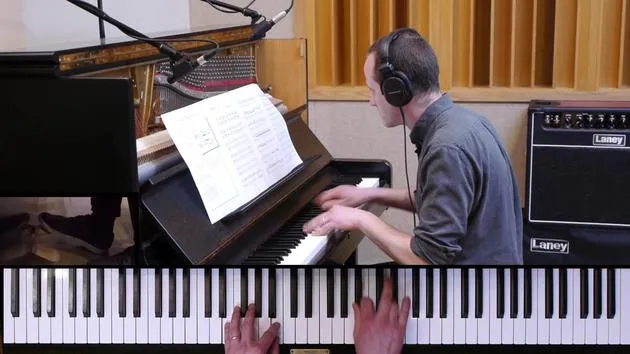
05. Mohair Mountain, Joe Bennett & Kung Fu Drummer (interprétation)
3:03
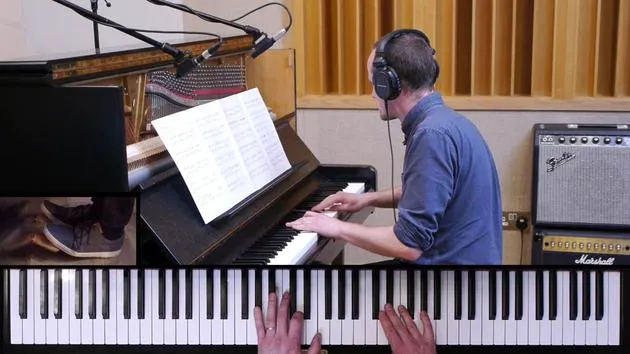
06. Blue Espresso, Deirdre Cartwright (interprétation)
2:38


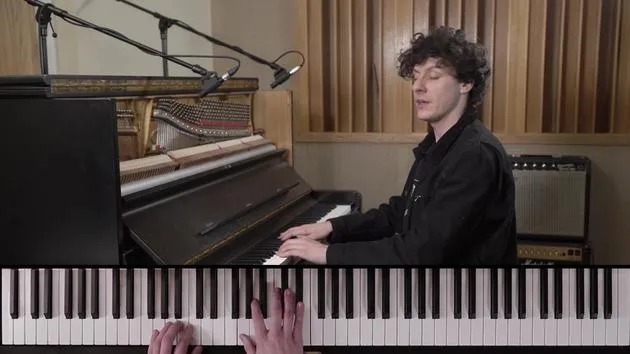
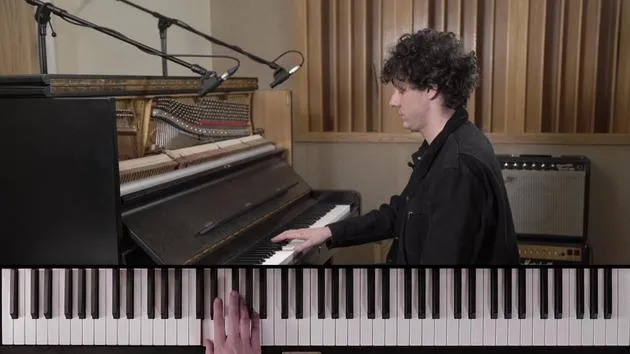
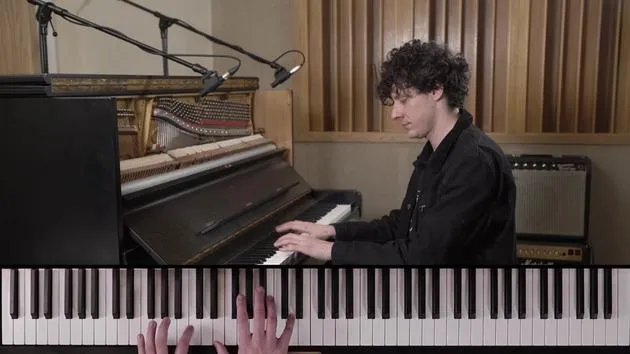
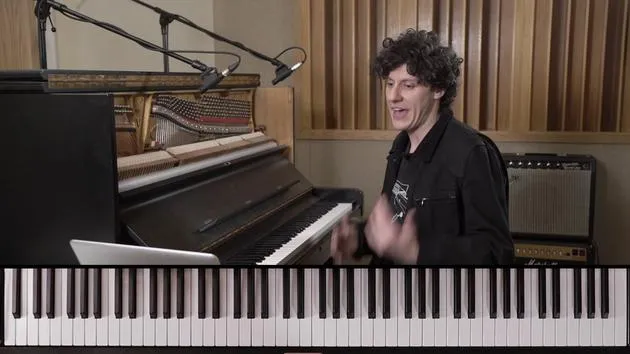
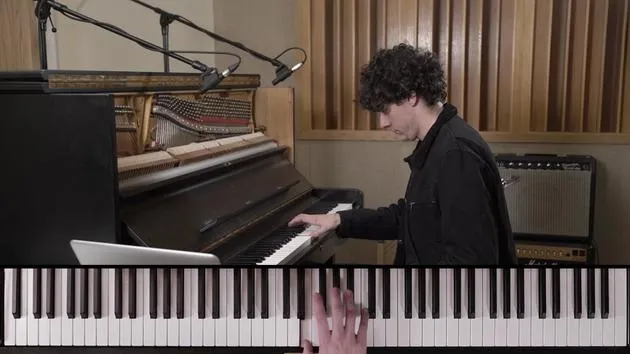
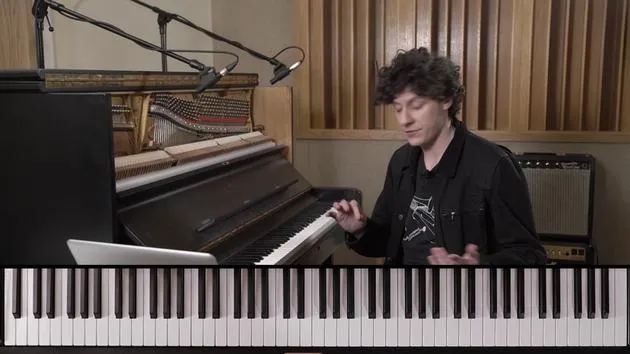
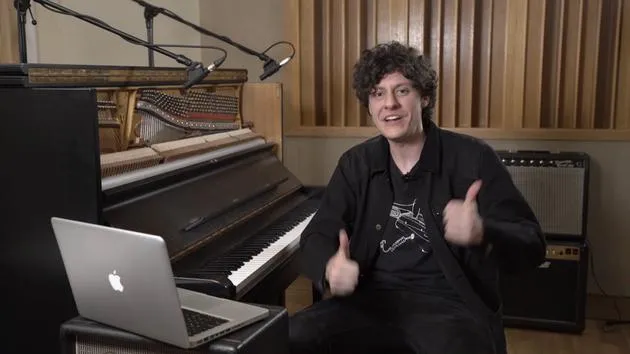
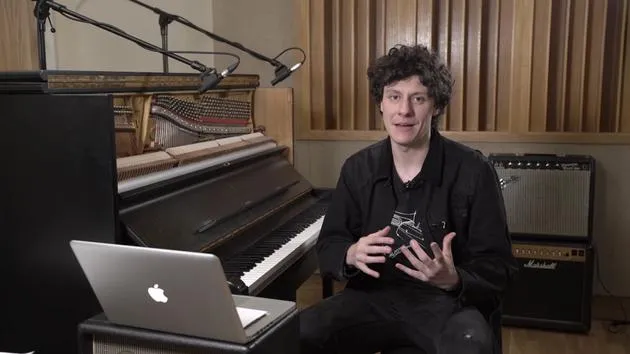
Transcription de la leçon
Lesson on Arpeggios
Enharmonic Equivalents
Now onto arpeggios. We have these enharmonic equivalents:
- F sharp major and G flat major
- D sharp minor and E flat minor
They are the same scale and the same arpeggio. So, again, don't worry too much. For all intents and purposes, they're the same thing. They should all be fairly straightforward.
Yes, there are lots of sharps and flats, but they're fairly easy to understand.
Focus on Arpeggios
I've got two arpeggios here that I want to talk about, which are the 5 and 6 of the exercises:
- C13 sharp 11
- C7, 5, 9 arpeggio
Now, all this sounds quite complicated and confusing, but remember:
"You're only really one note, one step away from familiarity you've had before."
Understanding C13 sharp 11
- C13 is basically just adding the sixth, which is essentially the 13.
- If you add it up, that's 6 and that's 13, same note, just phrased differently.
The reason why you call it a C13 and not a C6 is because a C13 implies that you have the dominant 7th and the 9th, as well as the 6th or the 13th.
This includes the sharp 11, which gives it the Lydian dominant sound.
- It has a very bright and quite dark sound at the same time.
- This arpeggio spans less than two octaves but ends on the A, which is a bit unusual for an arpeggio, so just watch out for that.
Fingering Tips
There isn't really any strict fingering for this.
- I quite like to bend my third finger over, as you might have seen from the video.
- The fingering that's written here is also just as good.
There are no hard and fast rules when it comes to fingering, but really, you want to make sure that you have enough room for your fingers at the end.
- For standard arpeggios, the 5:3:1 is normally a good shape.
- However, with extra notes, you'll often have to put the fourth finger in there, which can sometimes complicate things.
The Final Arpeggio: C7,5,9
Now, the final arpeggio is the C7, 5, 9.
This is also known as an altered chord.
- Altered chords are technically when everything's all flattened but still produce the same sound.
- When you have an arpeggio, the sharp 9 and the sharp 5 act as the flat 6 and flat 4.
This might sound a bit confusing, but it's just the enharmonic equivalence concept, which is crucial for grade six.
So, if we have a C7 sharp five, sharp nine, this is a great shape known as the altered sound.
- The sharp 9 and the sharp 5 are included within the sound, so it doesn't matter how you think about it too much.
"Flat, sharp, whatever. All you need to know is that the Sharp 9 and 5 are also the same sound as an altered."
Summary
This is the sharp five arpeggio, and understanding its equivalences is essential for mastering arpeggios. Happy practicing!
28 leçons
2h 28m de leçons vidéo structurées
Fonctions vidéo avancées
Ralentissez, bouclez un passage, suivez la partition
Mobile, tablette et ordinateur
Pratiquez où vous voulez
Satisfaction garantie à 100 %
Garantie remboursement 30 jours







