



Favela, Noam Lederman (Leçon)

Le contenu du cours
28 leçons (2h 28min) · 1 gratuites
01. Peel Me A Grape, Diana Krall (Interprétation)
Leçon gratuite6:26
02. Defying Gravity, Wicked (Interprétation)
2:30
03. The Way It Is, Bruce Hornsby (Interprétation)
5:12
04. Favela, Noam Lederman (Interprétation)
2:45
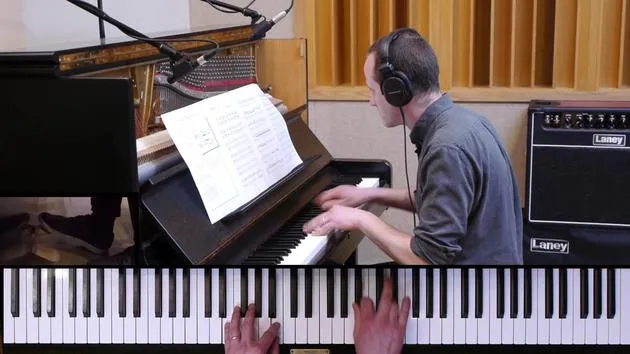
05. Mohair Mountain, Joe Bennett & Kung Fu Drummer (interprétation)
3:03
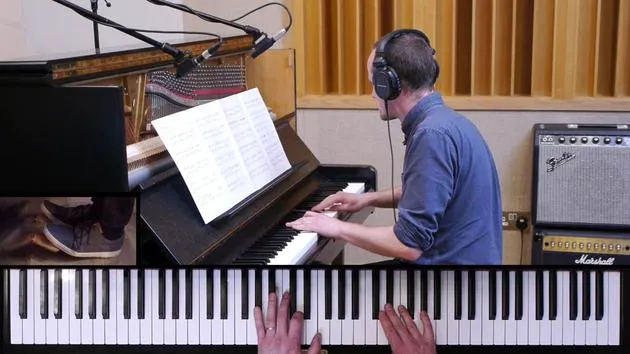
06. Blue Espresso, Deirdre Cartwright (interprétation)
2:38
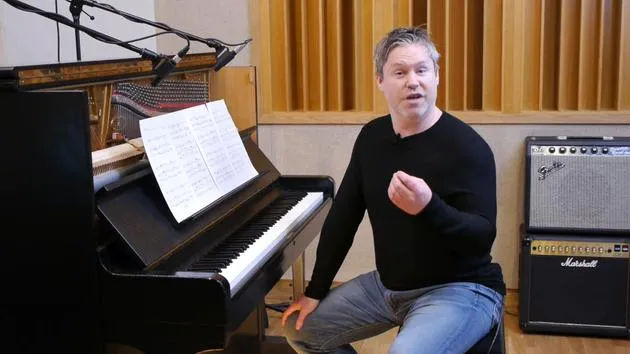
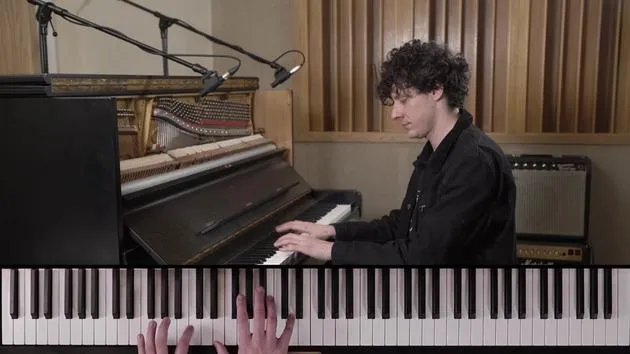
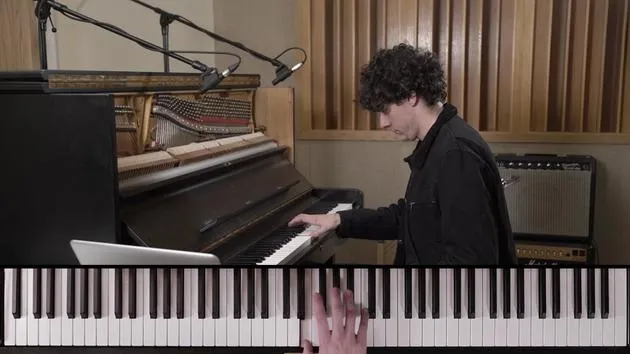
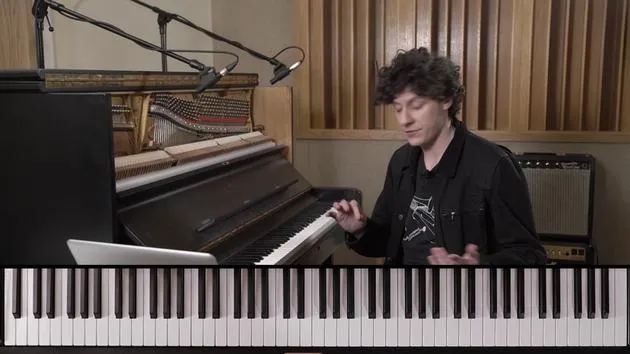
Transcription de la leçon
Music Lesson: Rock School Grade Six ? Favela
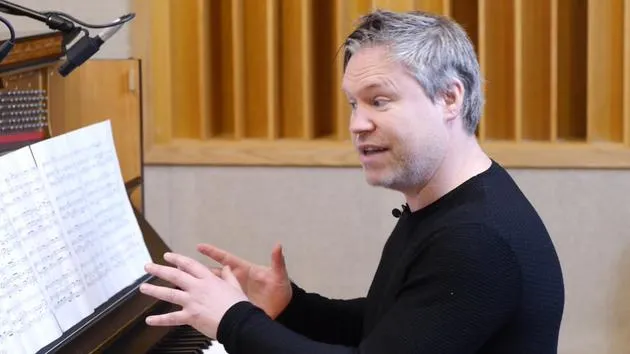
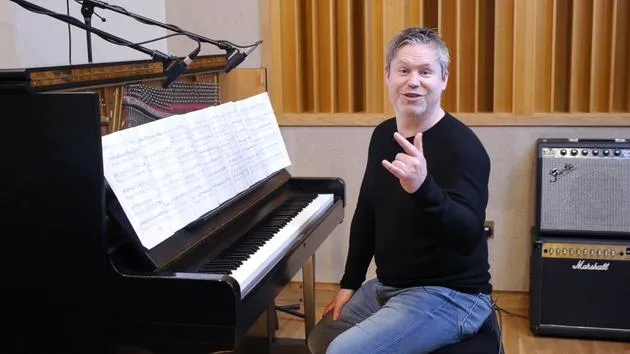
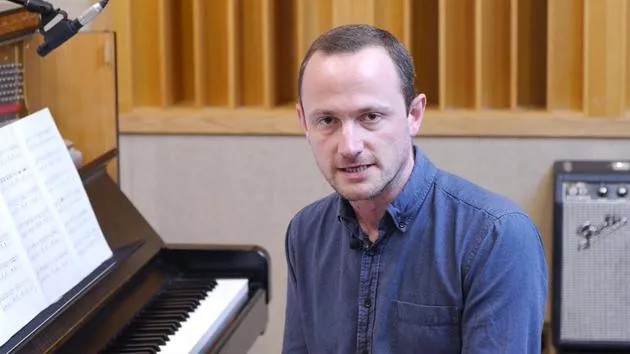
Hey, how's it going? I'm James, and today we're looking at a rock school grade six piece called Favela.
Overview
This piece is in a samba style, so think of it as kind of bossanova samba, up tempo!
Influential Artists
We'll be exploring artists like Joao Gilberto, as well as more laid-back styles from Astrid Gilberto and Stan Getz.
- Key Characteristics:
- Rhythmic
- Percussive
- Foot-tapping
If you have any interest at all in Latin music, you're going to have a great time playing this piece!
The Role of the Piano
Being a piano player in this kind of music involves a very responsible role. Often, we play:
- Accompaniment parts
- Chords on top
In this piece, however, we get to be a part of the band.
Understanding Montuno
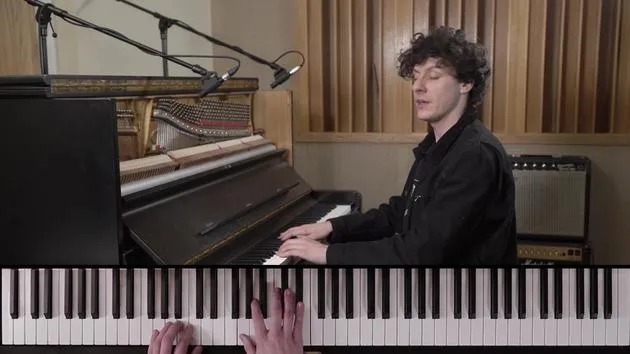
In sections like B, we have what's called a montuno.
- Definition: A montuno is a riff or a pattern common in lots of Latin music, typically involving broken chords and arpeggios.
For example:
- A minor chord with a classic chromatic descending line:
- A
- A flat
- G
- F sharp
This is an iconic sound you might have recognized in salsa music.
Tips for Learning Montunos
- Practice Flexibility: You can mix up the patterns as you improve your Latin chops. If you're preparing for an exam, focus on what's on the page, but use this as a foundation for your creativity.
Musical Structure
Opening Lines
The style of this piece features a simple hook to attract interest.
- Volume Control: Don't play too loudly at the start; save the big hits right afterwards.
From bar five, when the whole band plays, go for it! This acts as the main rhythmic identifier of the piece, appearing at the very end as well.
Important Note: These sections act like brackets, announcing the start and end of the piece, so really hit them in!
Transitioning
Once we move past the opening, maintain the same dynamics when transitioning. It may not sound as loud because of the broken chords, but the same principle applies.
Section C - Melody
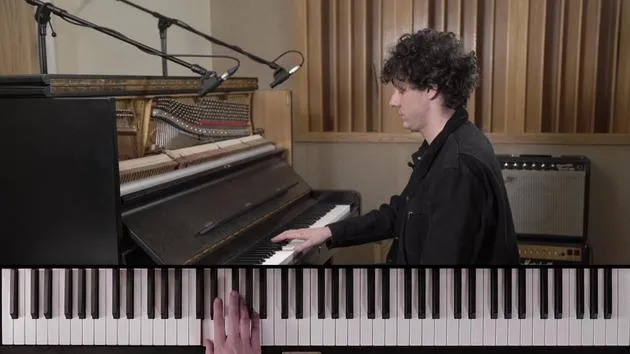
Moving on to the C section, this is where the piano takes the melody.
- Harmony Changes: Starting from bar 15, we get a samba-like rhythmic accompaniment in the left hand, maintaining this throughout the C and solo sections.
Practice Suggestions
- Learn slowly and aim for "autopilot."
- The left hand rhythm remains consistent, allowing concentration on the right hand melody.
- Ensure the right hand sings over the dense chords; it should sit slightly higher.
Piano Solo at D
The solo at D is short, only 16 bars, but it contains a lot of information, making it quite tricky.
Left Hand Consistency
- Left hand rhythm stays mostly the same.
- A significant change occurs at bar 33.
Navigating Big Leaps
Pay attention to large jumps, especially from bar 28 to 29, which can be challenging.
Grace Notes
With grace notes, use either:
- Proper fingering (2, 3)
- Sliding technique (often used by Cuban and Brazilian players)
Focus on Style Over Perfection
Techniques can vary; pick the one that delivers the sound you want.
Caution at Bar 33
Keep an eye on the leap in the right hand at bar 33 as it coincides with a left-hand change.
Tempo Management
The piece's tempo is 109, but practicing at 70-75 bpm helps build familiarity before increasing speed.
Moving to Section E - Breakdown
Section E is a breakdown, common in salsa and samba, where the music subsides after the climax of the solo.
- Start quietly with the left hand, allowing it to sound softer due to a lack of accompaniment.
Building Dynamics
Gradually increase the volume right up to the climax at bar 57, paralleling the melody played by the horns in the backing track.
Important Aspect: Listen closely to the track to mimic articulation, particularly on staccato notes.
Conclusion
Finally, we reach the end of the piece, using similar hits as at the beginning to signal closure.
Final Tips
- Play loudly for an exciting finish.
- Focus on getting the left hand on autopilot.
- Practice the montunos and ensure the melody sounds crisp.
Remember, learning solos from others helps develop your improvisation skills. This is a fantastic piece to explore Latin music, and I hope you enjoy every moment playing it. Good luck!
28 leçons
2h 28m de leçons vidéo structurées
Fonctions vidéo avancées
Ralentissez, bouclez un passage, suivez la partition
Mobile, tablette et ordinateur
Pratiquez où vous voulez
Satisfaction garantie à 100 %
Garantie remboursement 30 jours







