



Vibrato
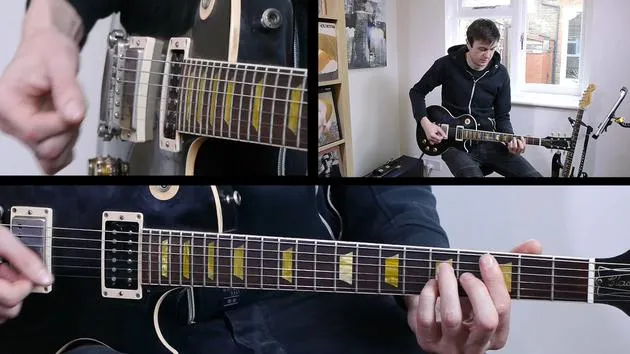
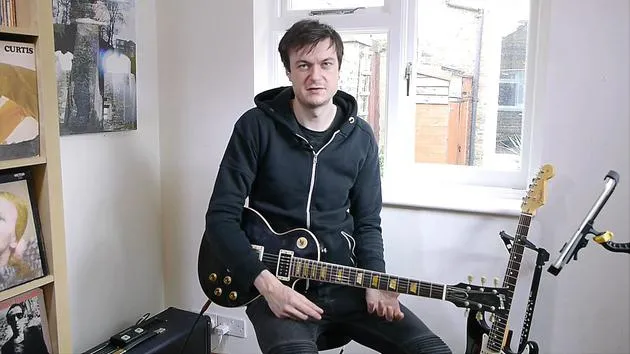
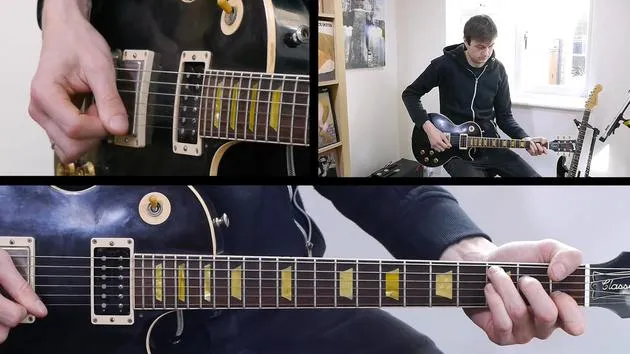
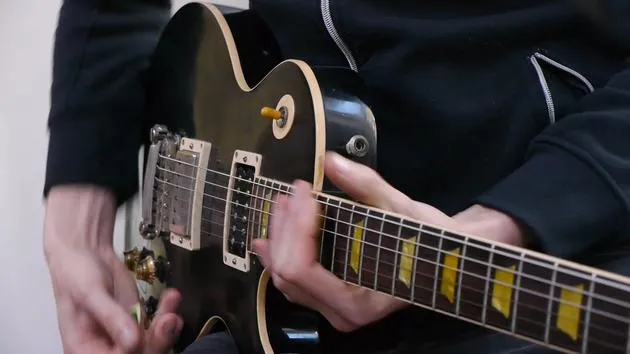
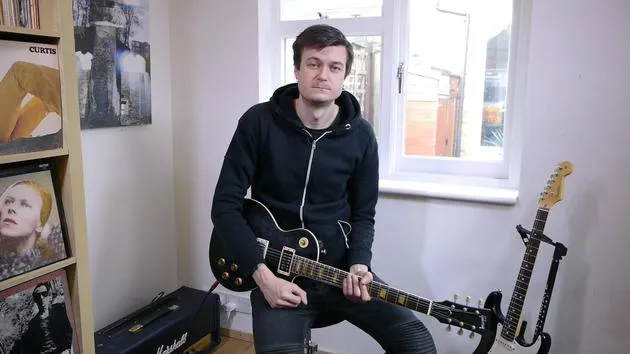
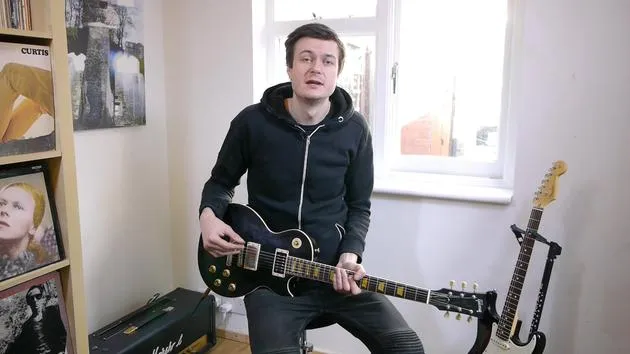
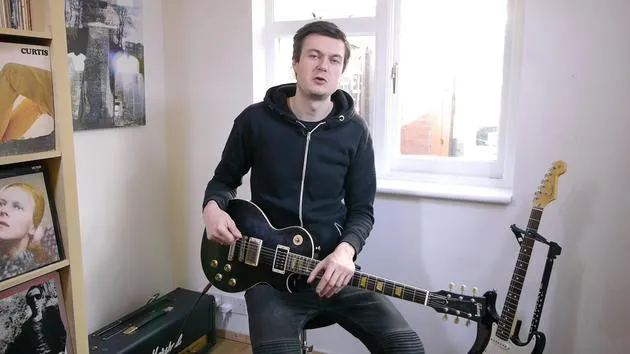
James Barratt décompose le vibrato à la guitare - où le placer sur les notes tenues, et comment varier sa vitesse et son amplitude façonne l'expression.
Le contenu du cours
43 leçons (3h 55min) · 1 gratuites
01. Introduction aux approches de l'improvisation
1:00
02. Embellir une mélodie
5:36
03. Défi : envoie ta mélodie
0:26
04. Accords de septième
6:38
05. Composer ton solo
8:53
06. Grattage avancé et ornementations
5:40
07. Comping sur différents styles musicaux
8:36
08. Extensions supplémentaires et accords sus
4:19
09. Mélanger comping rythmique et mélodique
4:24
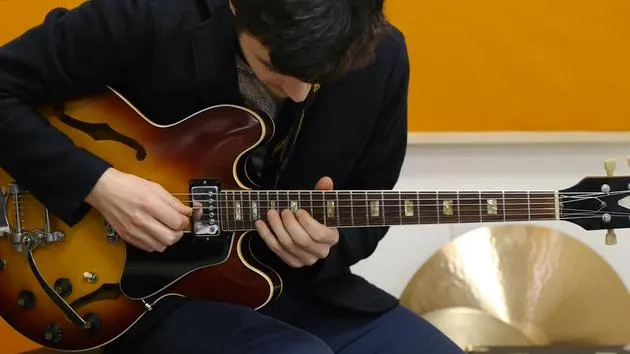
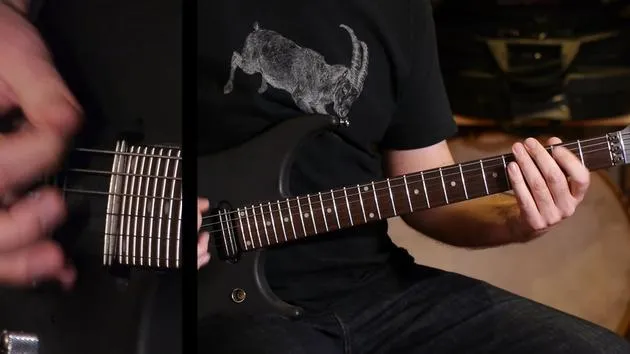
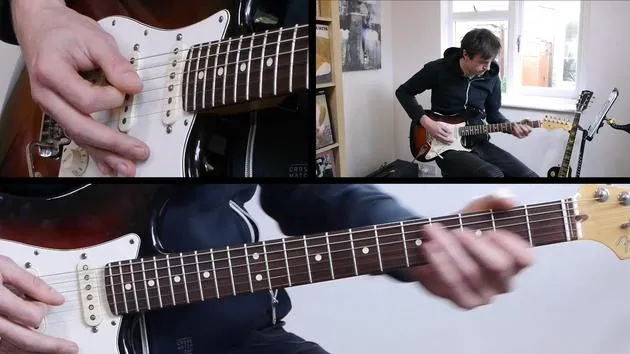

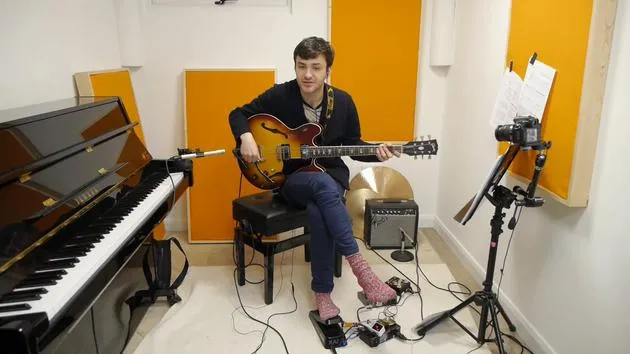
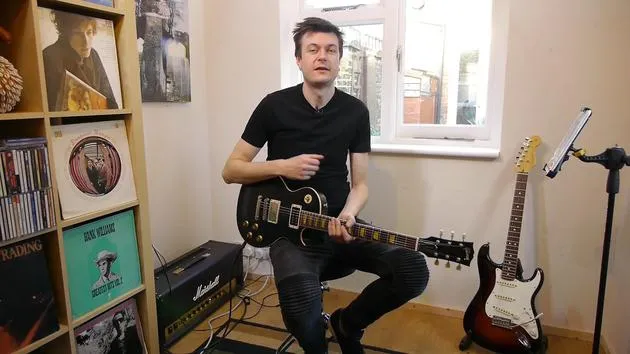
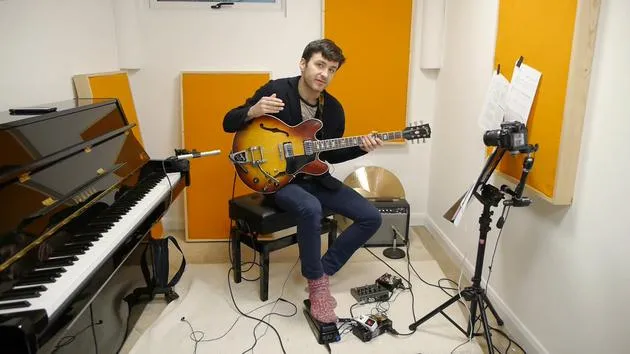
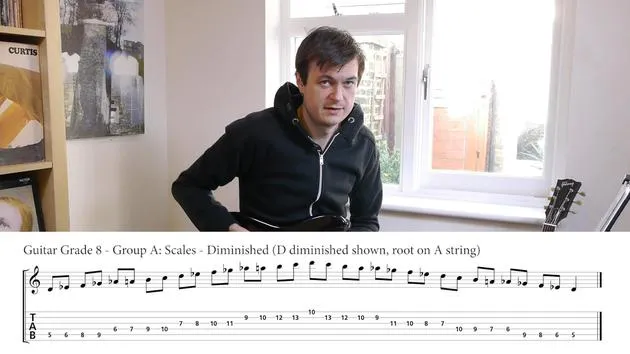
Transcription de la leçon
Mastering Vibrato: An Expressive Guitar Technique
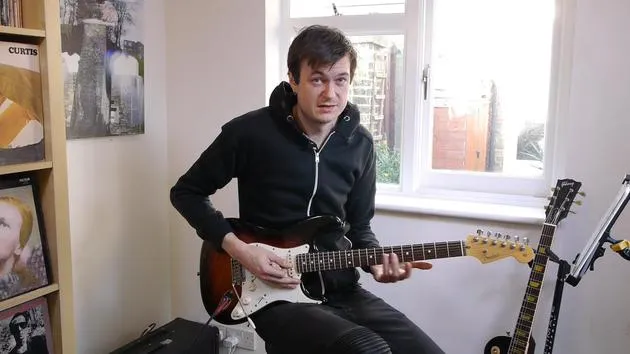
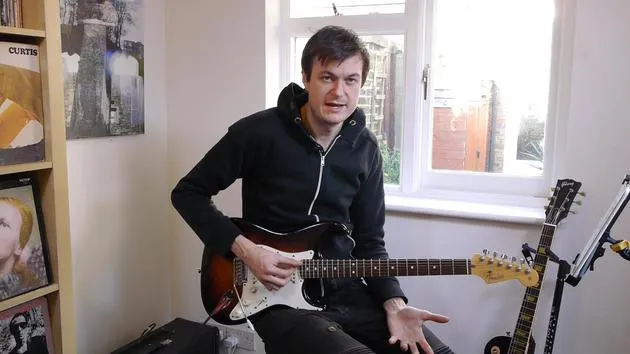
Okay, so I'd like to talk to you now about one of perhaps the most expressive techniques that guitar has to offer: vibrato.
Where to Apply Vibrato
Firstly, let's discuss where you might apply vibrato within a melody.
- Usually, you would apply it over a sustained note.
- For busy melodies with lots of quickly passing notes, applying vibrato to every note isn't necessary.
Vibrato shines when you allow a note to ring out and breathe for a moment. You can finesse it with some shine at the end of the note.
Example:
- A simple phrase might sound like this:
- [Insert example melody here]
Important Note:
- I'm not applying vibrato to every note ? that would sound terrible and might not be quick enough.
Timing and Application
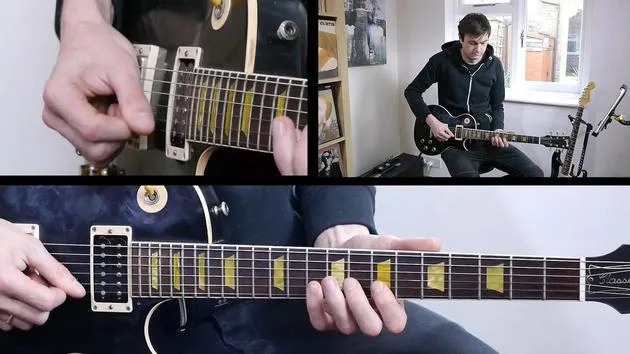
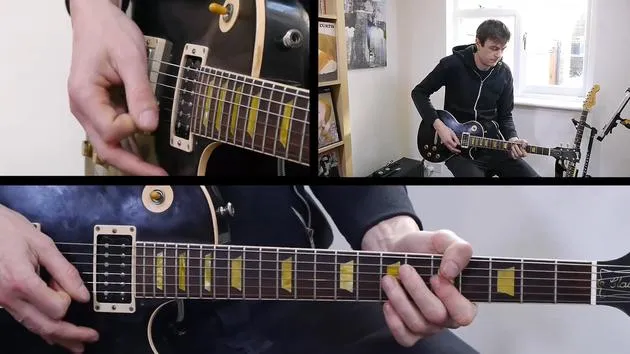
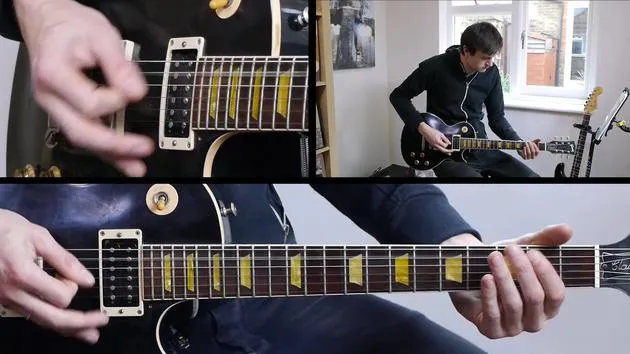
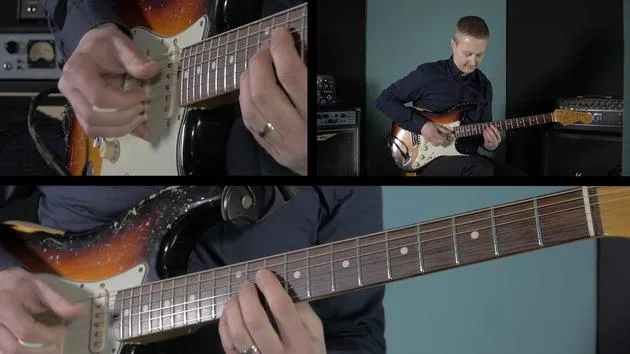
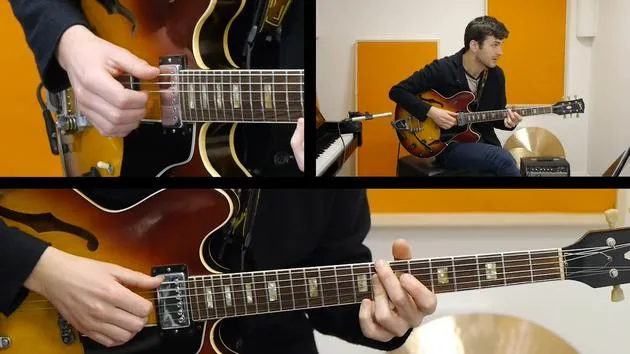
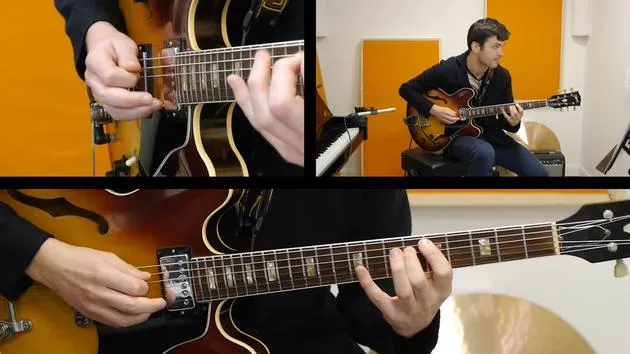
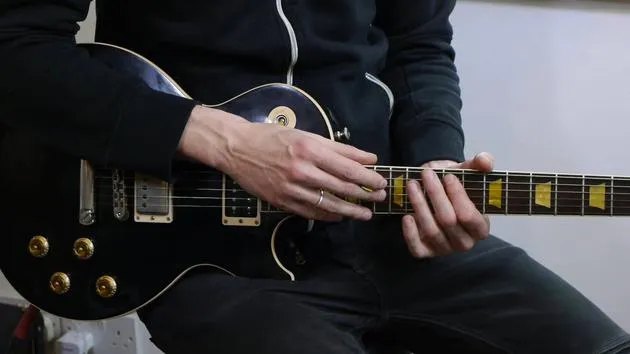
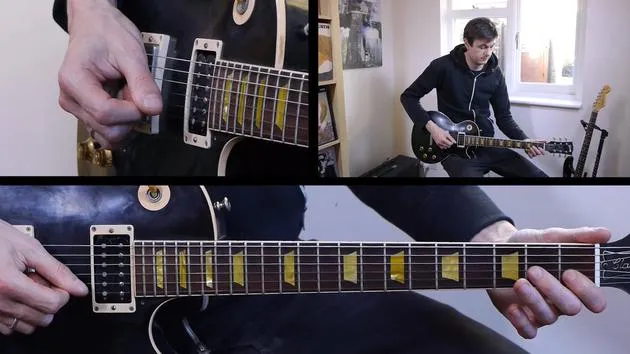
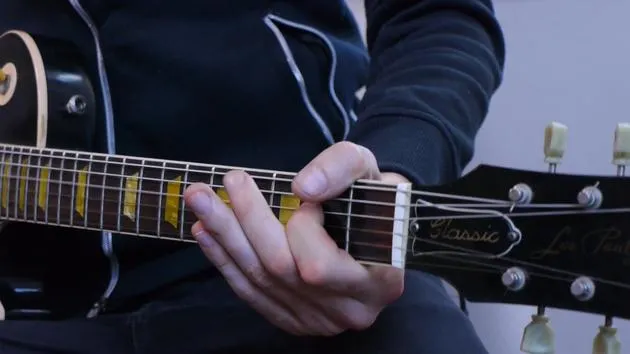
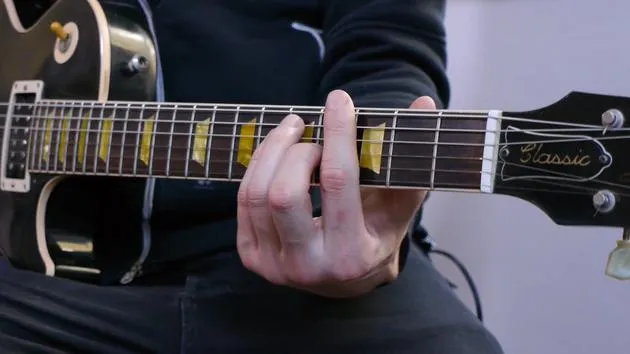
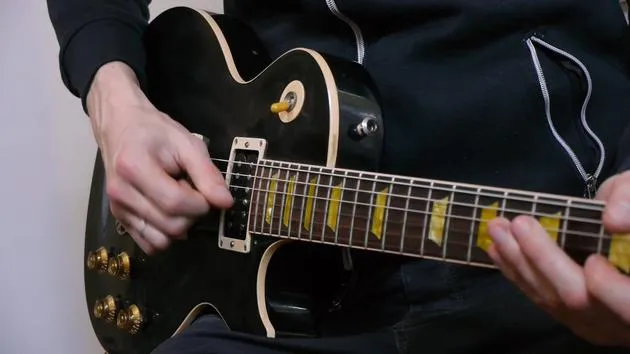
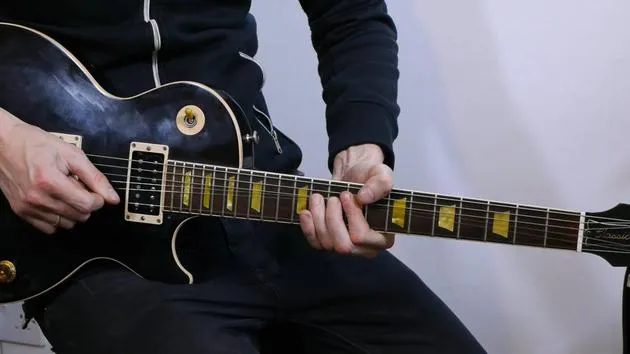
- Often, you'll pick your moment at the end of a phrase. For instance, I'm applying vibrato there with my first finger only.
Considerations for Adding Vibrato:
When working on your vibrato, keep these factors in mind:
- Style of the piece
- Tempo of the piece
- Feel of the piece
For example:
- In a chilled-out slow ballad, it wouldn't make sense to apply a huge aggressive vibrato. Instead, aim for something more subtle and refined.
Varying Your Vibrato
You can vary:
- Speed of your vibrato: How fast or slow you vibrate the string.
- Width of your vibrato: How far you displace the string during the process.
Examples:
- Zak Wylde: Known for his huge vibrato in metal.
- Chilled-out blues: Requires something more restrained.
Personal Touch
- Everyone's vibrato is slightly different, making it a unique aspect of your playing. Spend time working on your vibrato to reflect your personality.
Techniques to Experiment With
-
Circular Vibrato:
- Some players use a circular motion for a subtle effect.
-
Classical Approach:
- Move your finger from side to side, going with the grain of the string for a subtle vibrato.
-
Anchoring:
- For wider vibrato, anchor your finger and use your wrist to generate energy.
Common Misconception:
- A common misconception is that you need to vibrate both ways. You don't!
Demonstration:
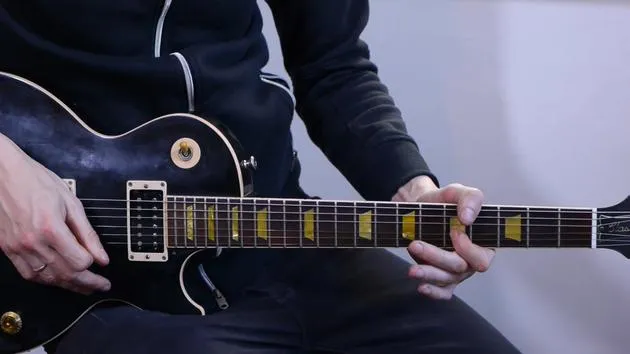
- When I play this note:
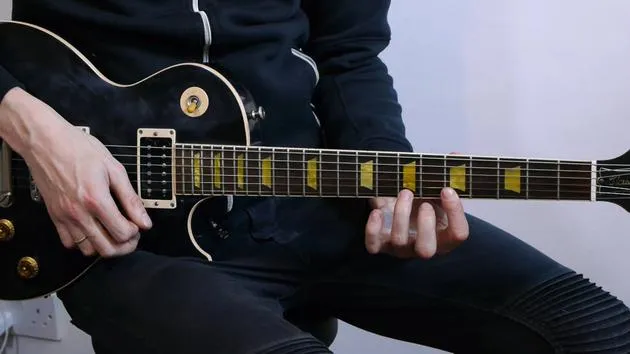
- My vibrato goes toward the floor and returns to center.
- It's not a circular motion from floor to ceiling and back.
Tips for Direction:
- It's my preference to go towards the floor with my first finger. Experiment with different speeds and widths.
Timing Your Vibrato Application
Pay attention to when you introduce vibrato to the note.
Listen to the Difference:
- First example: Vibrato starts immediately after the last note.
- Second example: Let the note breathe for half a second before applying vibrato.
Sounds better:
- 2, 3, 4 or...
Conclusion
- Letting the note breathe before the vibrato can enhance the pitch.
Additional Tips
-
Width, Speed, and Timing:
- These are three important parameters to experiment with when applying vibrato.
-
Finger Usage:
- You can use any finger for vibrato.
- For more width and control, treat it like a bend by supporting the leading finger with another finger behind it.
Example:
- Playing the same note with your third finger while using another finger for support can provide more control.
- Using a Quieting Finger:
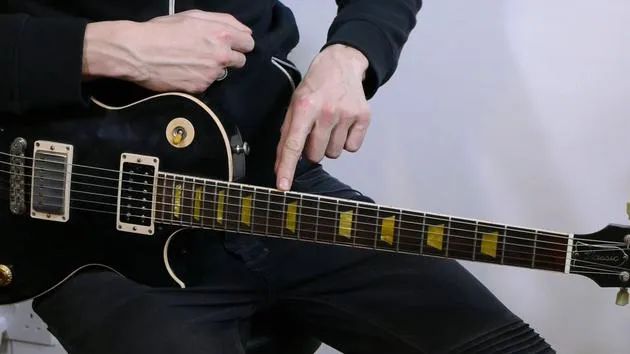
- Lay your first finger across the strings for added quietness, especially with overdrive.
In Summary:
- Vibrato is an expressive tool worth incorporating into your playing as soon as possible.
- Regardless of your current skill level, vibrato can elevate your performance significantly.
So do check it out!
43 leçons
3h 55m de leçons vidéo structurées
Fonctions vidéo avancées
Ralentissez, bouclez un passage, suivez la partition
Mobile, tablette et ordinateur
Pratiquez où vous voulez
Satisfaction garantie à 100 %
Garantie remboursement 30 jours







