



Tapping
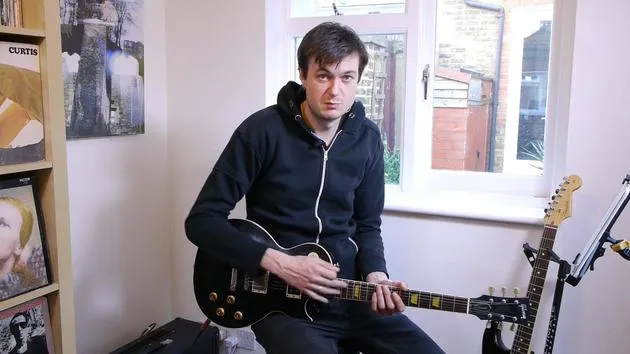
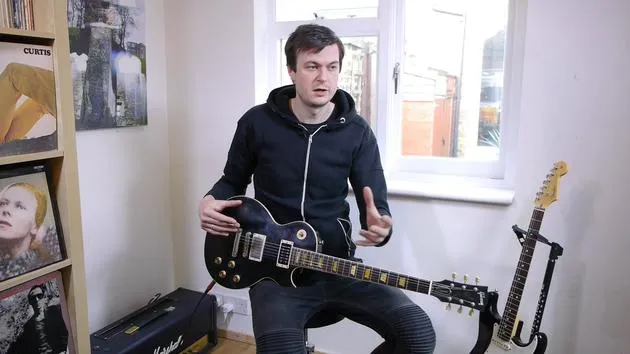
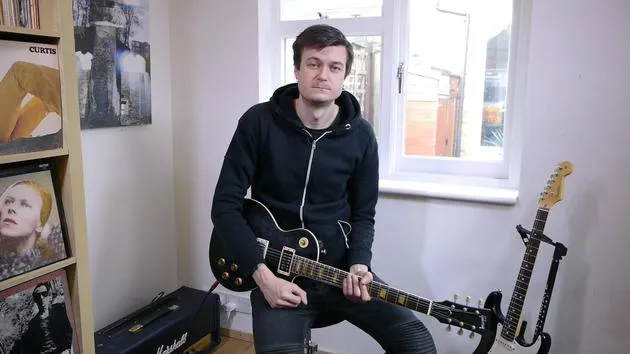
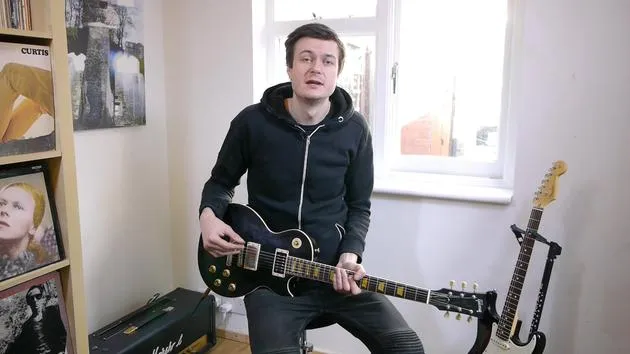
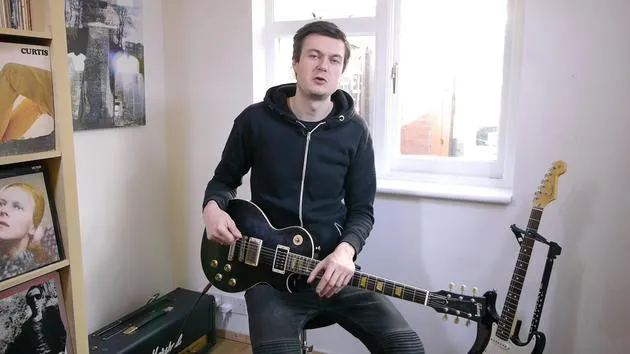
James Barratt décompose le tapping à la guitare - la technique à la Van Halen qui permet d'atteindre de larges intervalles - à l'aide de phrases courantes sur une seule corde.

Le contenu du cours
43 leçons (3h 55min) · 1 gratuites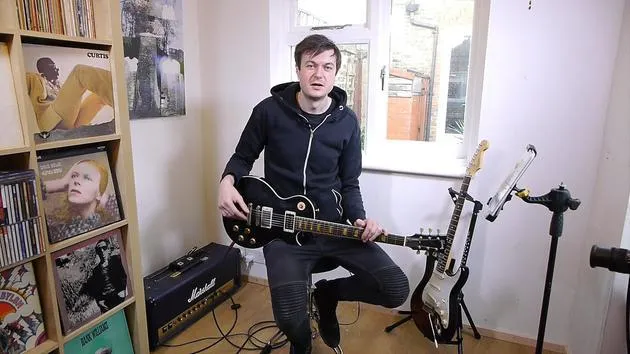
01. Introduction aux approches de l'improvisation
1:00
02. Embellir une mélodie
5:36
03. Défi : envoie ta mélodie
0:26
04. Accords de septième
6:38
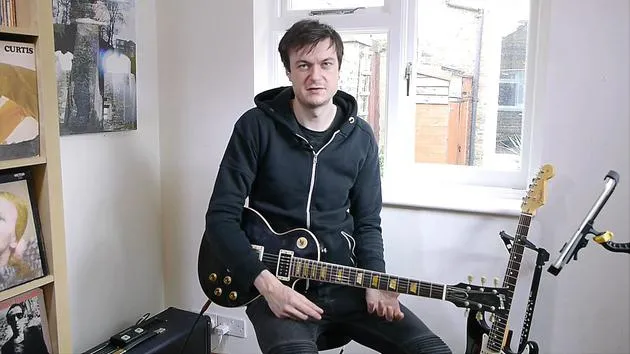
05. Composer ton solo
8:53
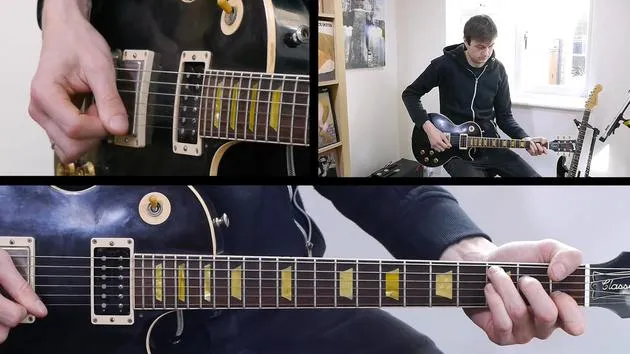
06. Grattage avancé et ornementations
5:40
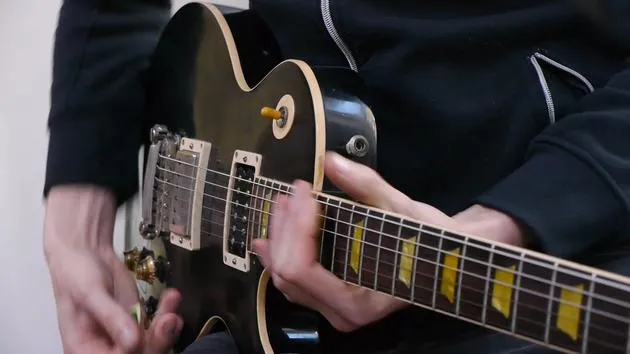
07. Comping sur différents styles musicaux
8:36
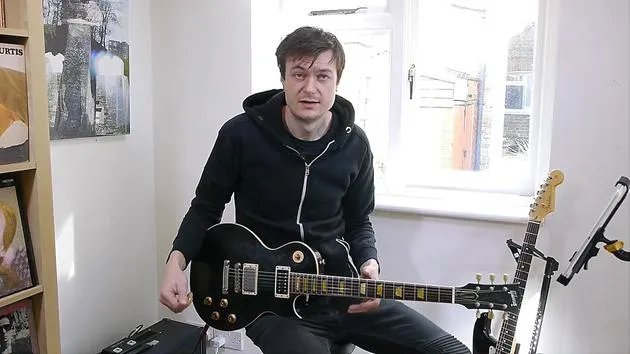
08. Extensions supplémentaires et accords sus
4:19
09. Mélanger comping rythmique et mélodique
4:24

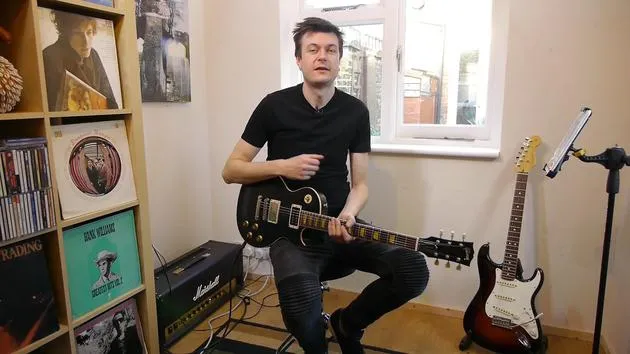
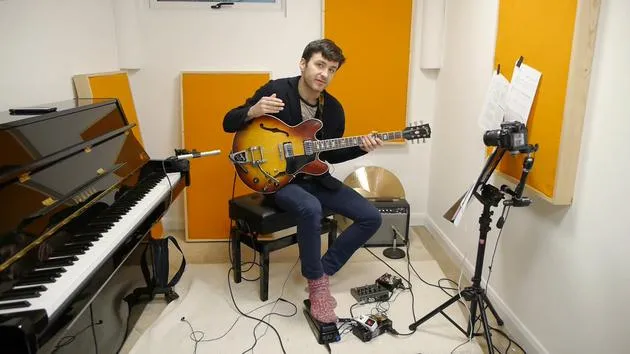
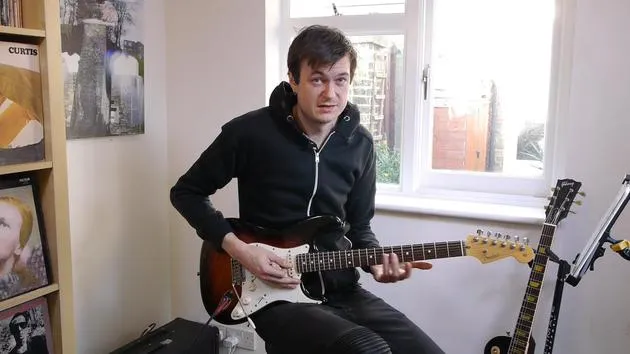
Transcription de la leçon
Tapping Technique: A Detailed Overview
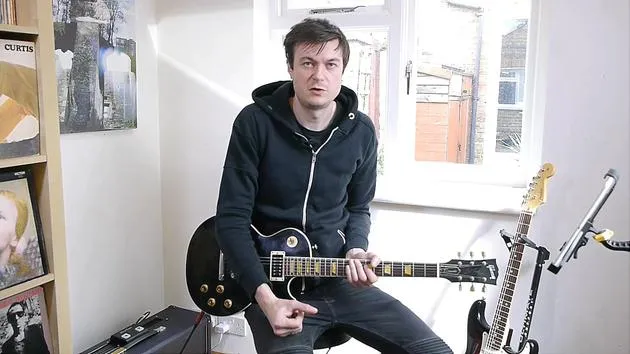
Okay then, so let's check out tapping technique now in a little bit more detail.
What is Tapping?
Tapping is a really distinctive-sounding technique. If you're into bands like Van Halen, then you've heard it all over the place. It's prevalent in:
- Extreme bands
- Any rock bands from the 80s with flashy solos
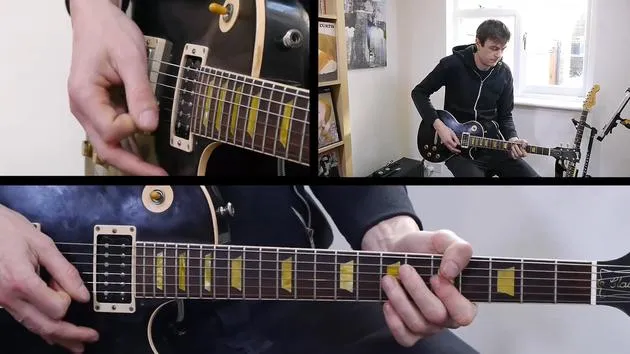
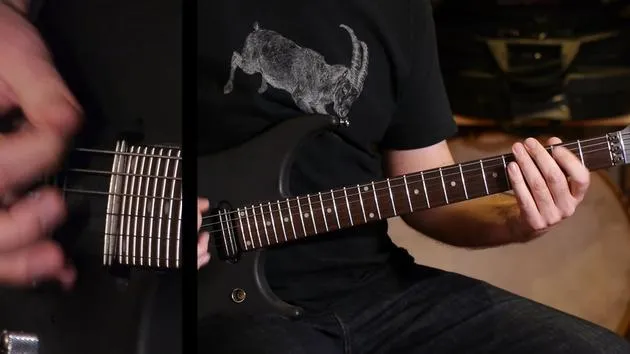
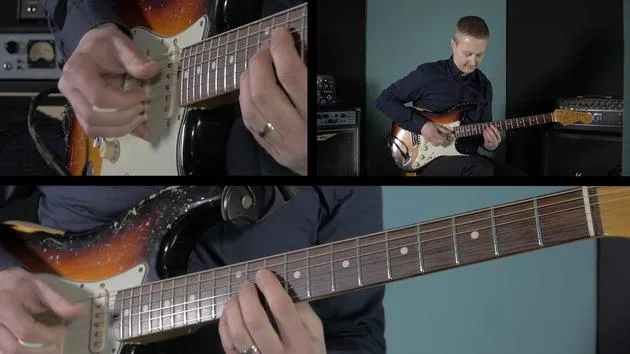
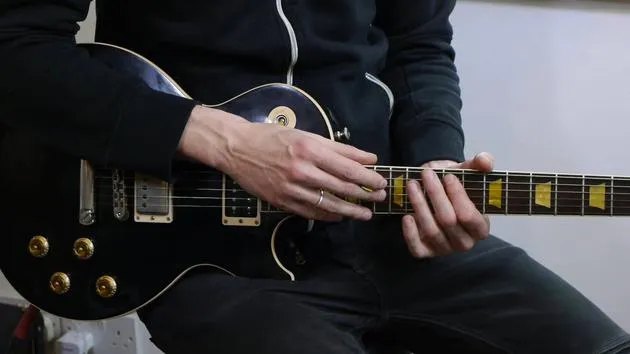
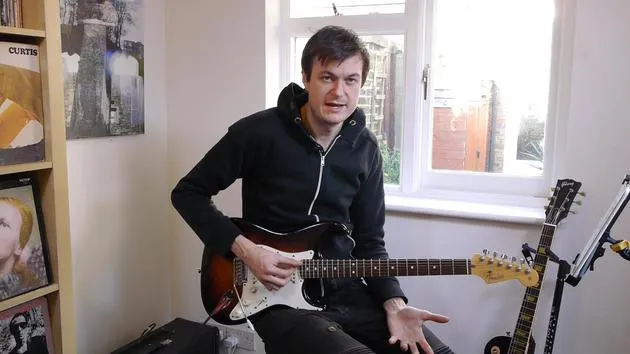
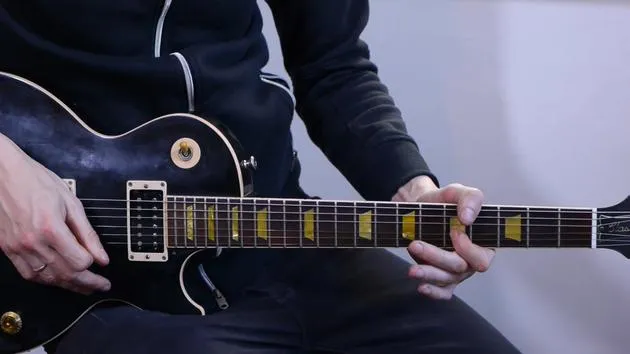
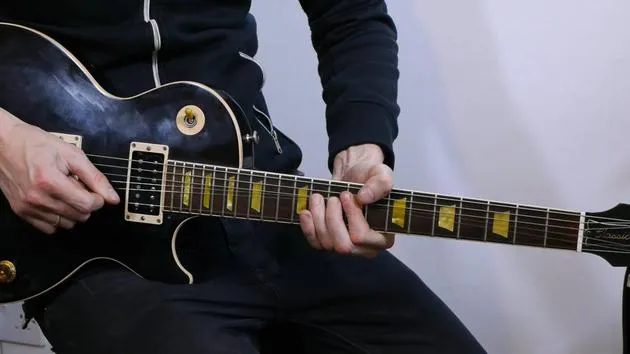
One cool aspect of tapping is that it allows us to achieve really wide intervals on the guitar. For instance, my left hand could be fretting down here while I use my right hand to attack the highest note on the guitar, achieving a huge interval.
Common Tapping Phrases
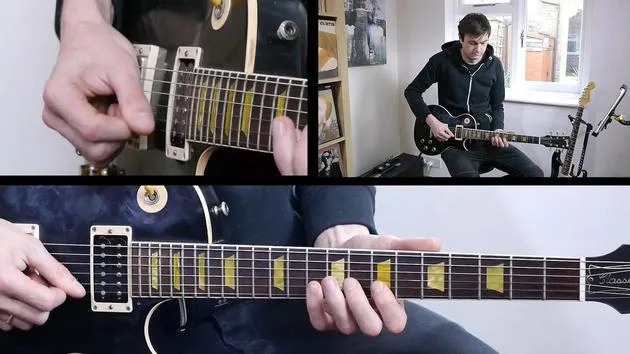
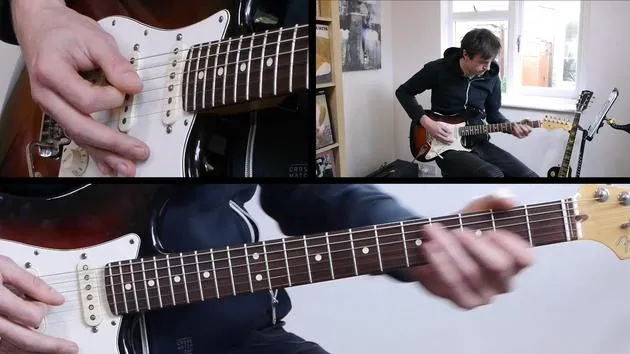
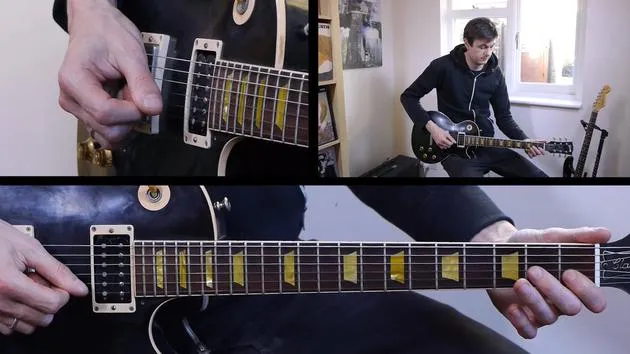
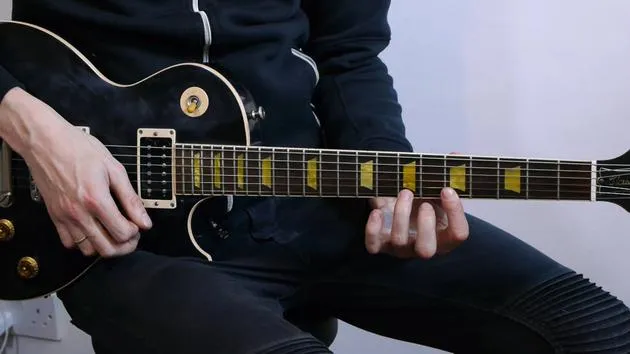
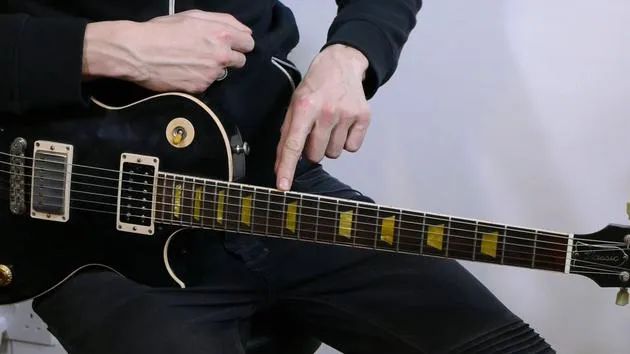
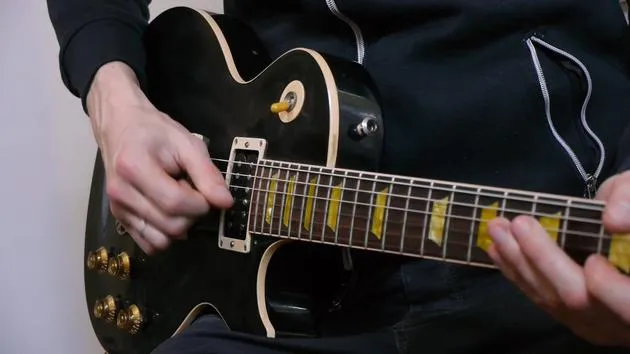
The examples I'm going to show you are just some common tapping phrases that you might come across. We're going to look at it on a single string. I use my middle finger to tap the fretboard with my right hand. Some players tuck their pick into their middle finger to use their first finger, which is fine if you're comfortable getting that down quickly.
Transitioning Between Techniques
Think about the transition from picking to tapping:
- I hold my pick with my first finger and thumb.
- To switch to tapping with my first finger, I need to change fingers and get my tapping finger ready.
However, I prefer to keep holding my pick normally and tap with my middle finger. You can experiment with these options, the technique is flexible. There are players who use multiple fingers simultaneously for right-handed tapping, so be as creative as you like.
My Personal Preference
As someone who doesn't do vast amounts of tapping, my personal preference is to use my little finger. It allows for smooth transitions between picking and tapping.
The Tapping Phrase
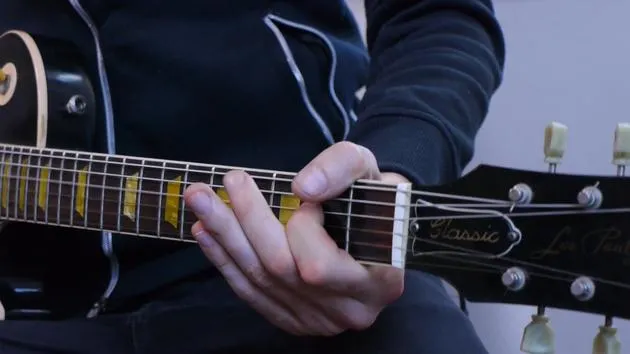
The phrase we're going to look at begins with a tapped note on the 12th fret of the B string.
Keeping the Lower Strings Quiet
It's important to keep all the lower strings quiet. You can:
- Use your palm resting on the lower strings if you intend to stay on one string.
Tapping Exercise Steps
-
Hammer-On
- Using your right hand, hammer on to the 12th fret.
-
Pull-Off
- With your first finger ready at the 5th fret, pull off to that note using your right hand.
This technique requires a lot of effort on the right hand. Think of it as trying to achieve a siren effect with equal volume between any two notes on the guitar. You want:
- A powerful hammer-on
- A clean pull-off with no strings ringing out unwantedly.
Example of Controlling Sound
I use my first finger to keep the E string quiet and my palm to mute the lower strings, ensuring that all I hear is the B string.
Adding Progressions
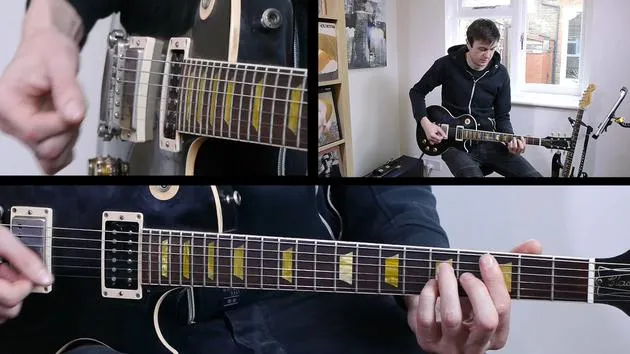
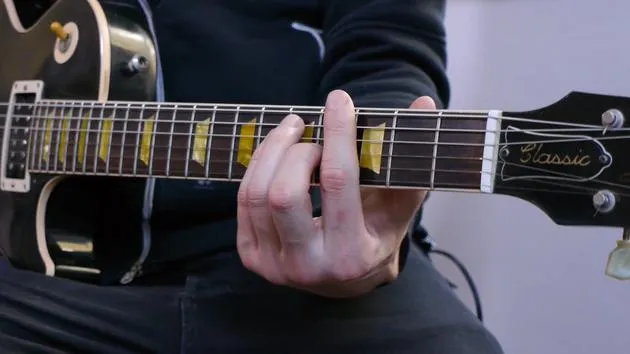
A really common progression to add is a hammer-on with the left hand, resulting in a repeat sequence:
- Tap with the right
- Pull off to the first finger
- Hammer on with the third finger
You can achieve impressive speed with practice. It feels natural to gradually speed up because it's such a tactile technique, giving a real sense of deliberate rhythm.
Grouping Notes
When playing, we create groups of three:
- Rhythmic Count: 1, 2, 3 | 1, 2, 3
- Counting in Beats: ...2 and a 3 and a 4 and a | 1 and a 2 and a 3 and a 4 & a.
To make a four-note grouping (more of a semi-quaver feel), we can change the order slightly:
- Tap first
- Pull off to the third finger on 8
- Pull off to the first finger on 5
- Hammer on again
Ensuring Clean Sound
Slow down the exercise to check if all notes are of equal volume and if there are no strings ringing out undesirably. If those strings aren't muted, you would hear an underlying ringing sound.
Cleaning Up the Sound
It's crucial to lock down those unwanted strings to allow the intended notes to sound clean, especially in a rock context.
Conclusion
So, that's tapping in a nutshell! I hope you enjoy this technique. You'll find it featured in lots of songs in the Rock School series. Have fun with it, and let's take a look at the next technique!
43 leçons
3h 55m de leçons vidéo structurées
Fonctions vidéo avancées
Ralentissez, bouclez un passage, suivez la partition
Mobile, tablette et ordinateur
Pratiquez où vous voulez
Satisfaction garantie à 100 %
Garantie remboursement 30 jours







