



Grattage avancé et ornementations
James Barratt t'enseigne des techniques rythmiques clés qui amélioreront ton accompagnement.

Le contenu du cours
43 leçons (3h 55min) · 1 gratuites
01. Introduction aux approches de l'improvisation
1:00
02. Embellir une mélodie
5:36
03. Défi : envoie ta mélodie
0:26
04. Accords de septième
6:38
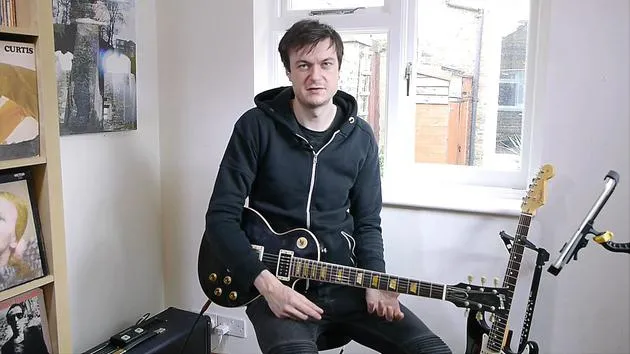
05. Composer ton solo
8:53
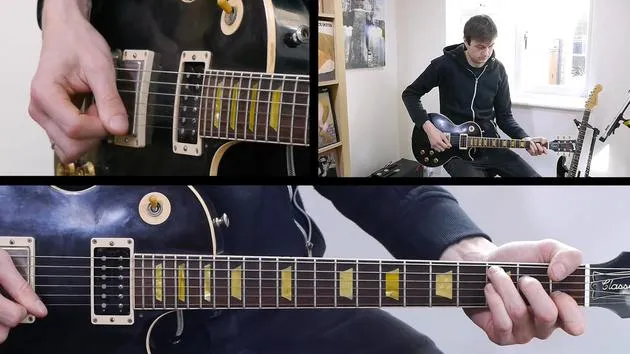
06. Grattage avancé et ornementations
Tu es ici5:40
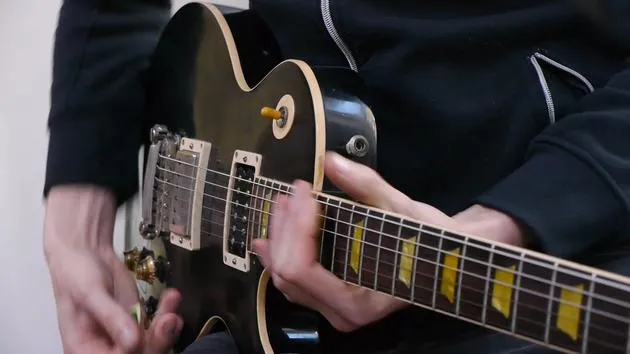
07. Comping sur différents styles musicaux
8:36
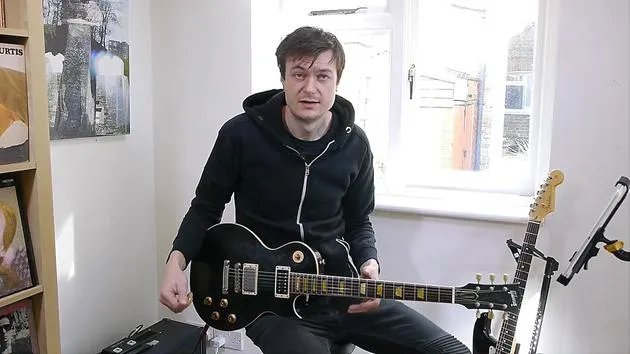
08. Extensions supplémentaires et accords sus
4:19
09. Mélanger comping rythmique et mélodique
4:24


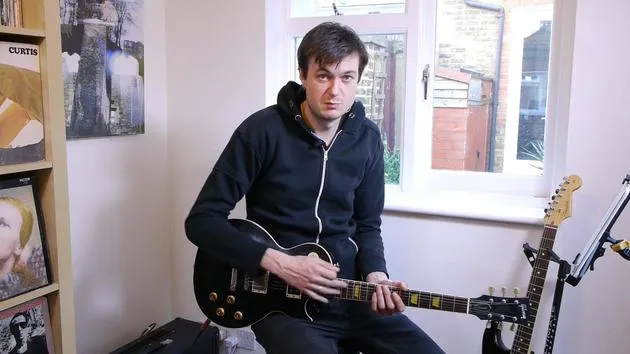
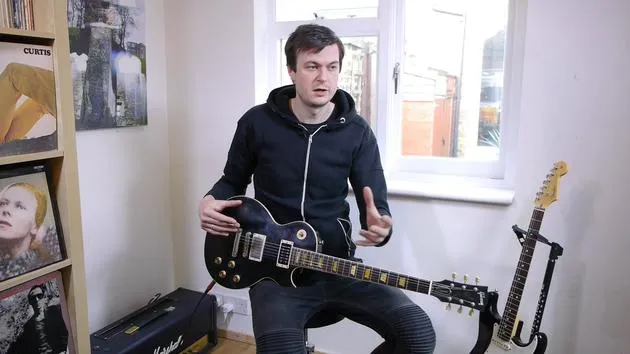
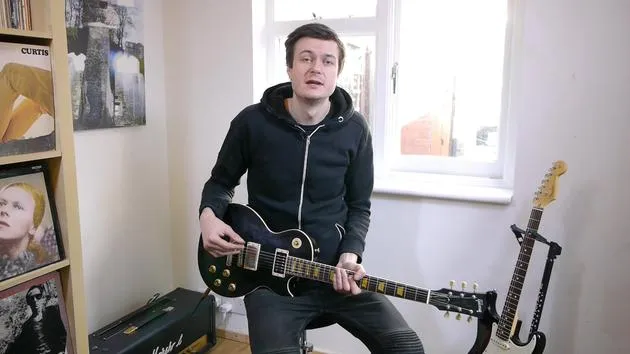
Transcription de la leçon
Enhancing Strum Patterns
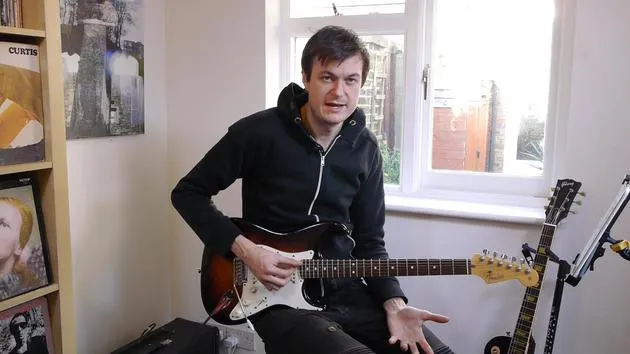
Okay, so moving on from strum patterns, let's take things up a notch and think about how we can make these even more interesting.
Variation in Strumming
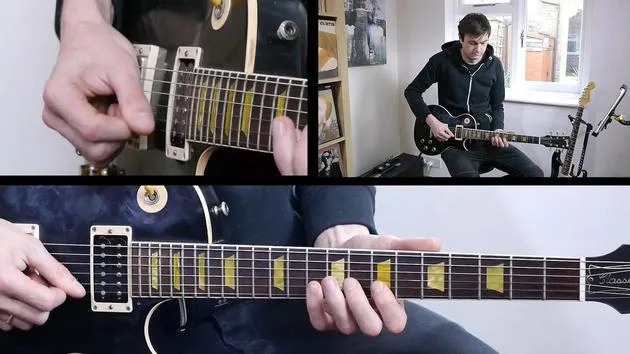
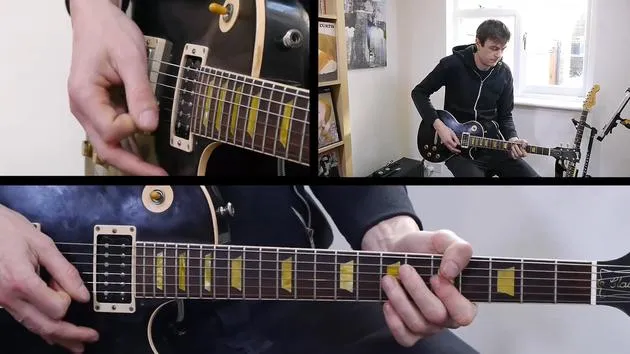
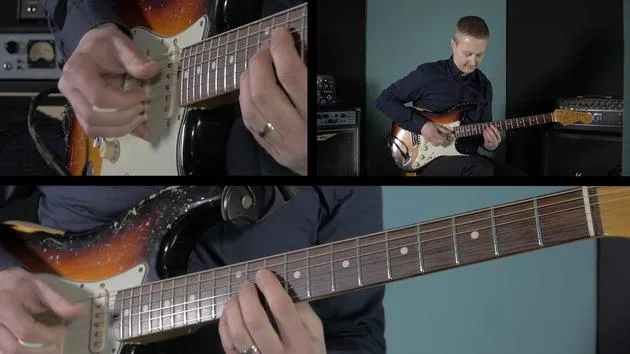
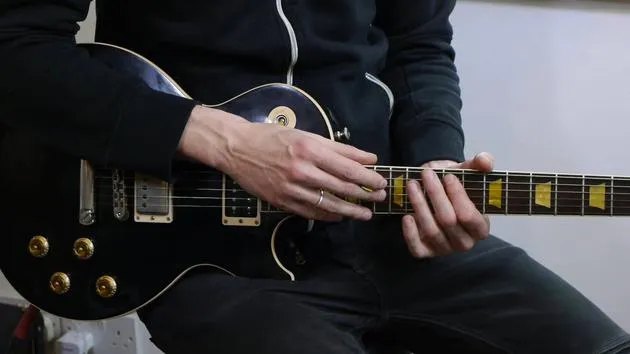
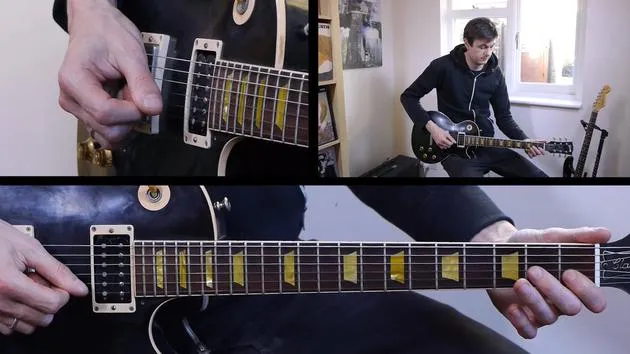
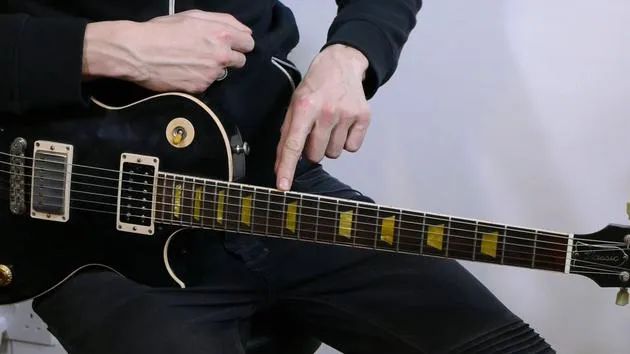
One way to easily achieve this, without adding any new notes to the chords, is by varying your strumming technique. You can combine strumming the chord with single notes from within the chord, creating a sort of arpeggio effect.
Example on G Chord
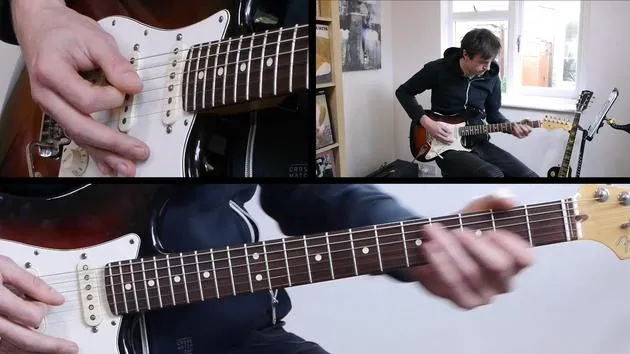
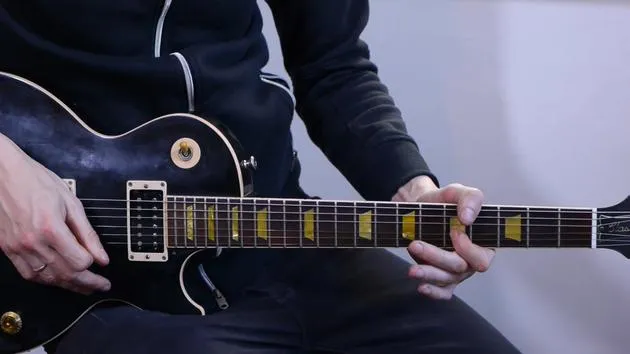
Let's look at a simple example on the G chord:
1, 2, 3, 4.
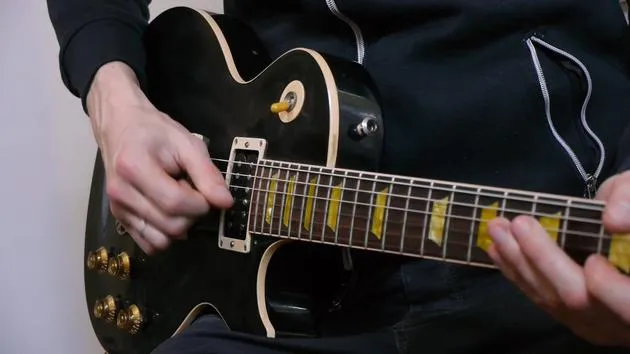
- What I'm demonstrating here is an eighth-note rhythm pattern.
- I'm combining individual notes of my chord with chord accents and a little arpeggio on top.
You could reverse the order of these actions, there's no problem there.
Key Takeaway: You can hear the dynamic achieved by this approach. It results in a musical rhythm guitar part with nice movement, rather than just strumming chords aggressively. While there's nothing wrong with blasting away at a chord, this method introduces a refreshing bit of movement.
Applying to Chord Changes
Now, let's apply this same strum pattern to some different chords:
2, 3, 4.
This "carbon copy" strum pattern sounds really musical, even with different chords.
Important Note on Strum Patterns
What you may have noticed is the following:
- Even though it is an eighth-note pattern, the strum pattern has completely changed because it's now dictated by the direction of the notes in the sequence.
- There's not really a right or wrong way here.
Suggestion: Aim for a strong downstroke on beat one.
In the example mentioned, I ended up with three upstrokes in a row, which aligns with the direction of my picking hand travel. This allows me to return to the bass note for beat one.
- Two full strums on the chord.
- Bass note on its own.
- A little arpeggio on top, which involves three upstrokes, leading back to the bottom string.
Taking It Further: C Major Chord
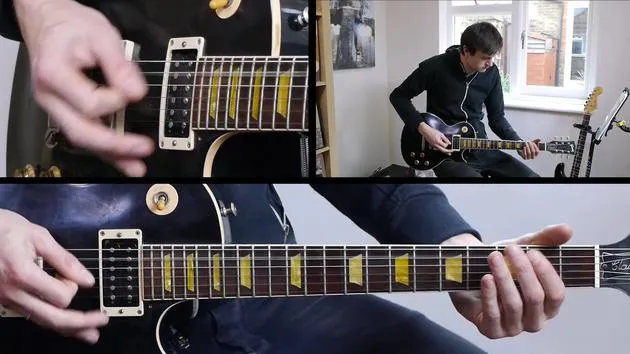
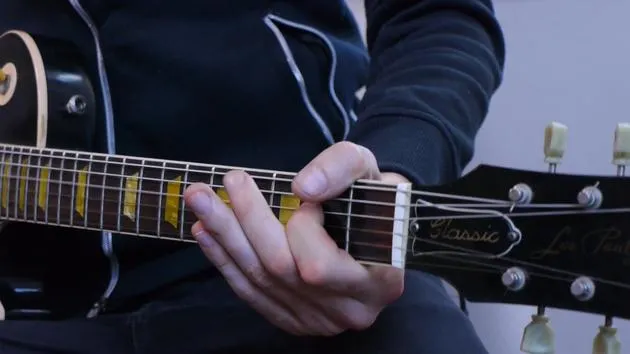
Let's take this one step further by demonstrating it with a C major chord.
Embellishment Technique
Here's a simple embellishment you can use:
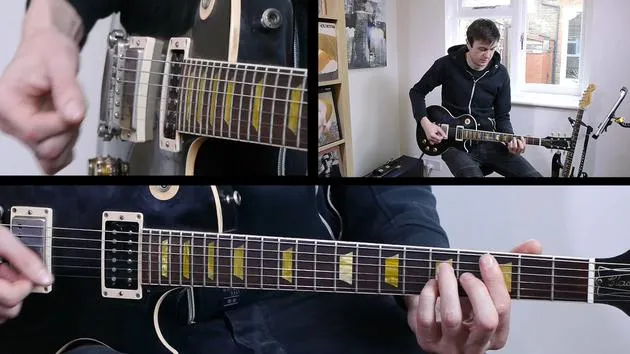
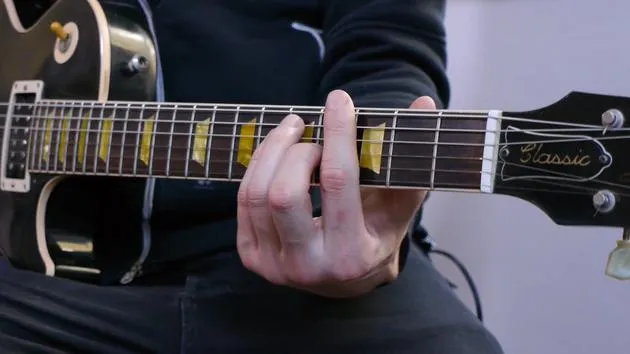
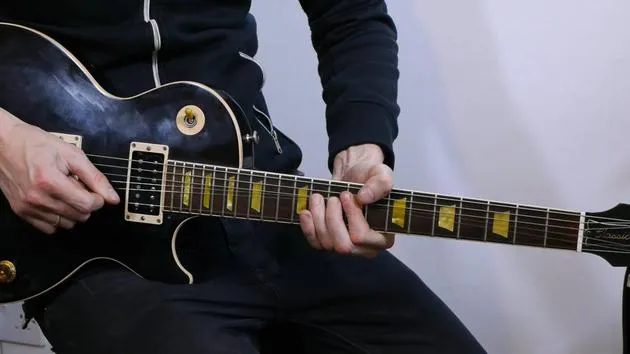
- Remove your second finger from the C major chord to create a suspended second chord.
- As soon as you strum it, hammer on the second finger back down.
This variation adds movement to your chord changes. Instead of just a straightforward strum, it sounds like this:
- You can apply this technique to various chords, even on minor chords.
Example on A Minor Chord
- For instance, you could use this technique with the A minor chord, applying it in the middle of the chord.
- You could also do it with two notes.
This technique is a simple way to inject life into a basic strum pattern or chord progression.
Incorporating Arpeggios
You can incorporate these techniques within the arpeggio concept discussed earlier.
Here's another example using A minor:
Again, these embellishments make a relatively simple chord progression sound more musical.
Picking Patterns
Because of the arpeggios featured in the last example, my picking pattern will change based on the direction of the arpeggio.
- Keep in mind that if you incorporate single notes, there's no need to stick rigidly to the down, up, down, up pattern for the chord-based eighth-note patterns we discussed initially.
- Feel free to vary your picking patterns to whatever feels comfortable.
Try It Out!
Why not experiment with the examples on the PDF? Test out those couple of ideas.
Feedback Opportunity: If you'd like to video your practice, send it in for feedback. It would be great to see what you're working on!
43 leçons
3h 55m de leçons vidéo structurées
Fonctions vidéo avancées
Ralentissez, bouclez un passage, suivez la partition
Mobile, tablette et ordinateur
Pratiquez où vous voulez
Satisfaction garantie à 100 %
Garantie remboursement 30 jours







