



Introduction aux basses et conseils de pratique
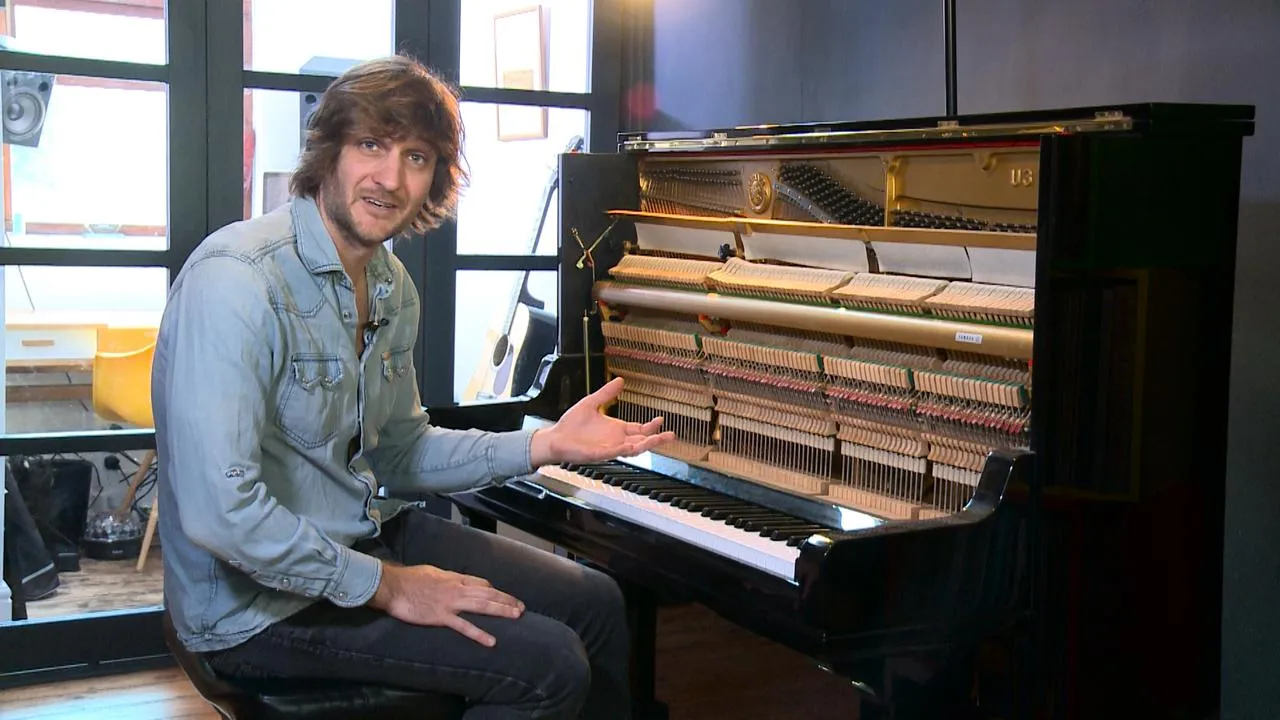
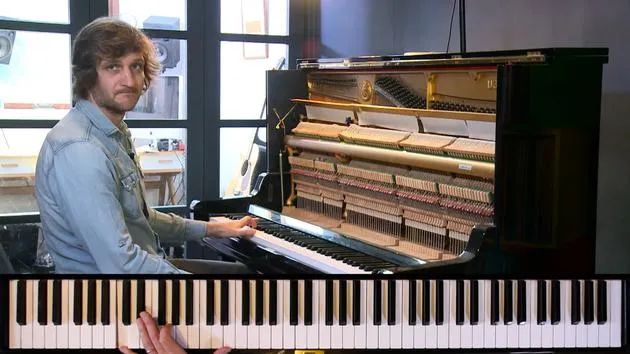
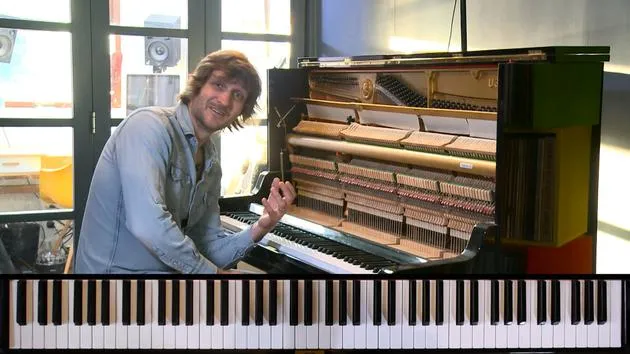
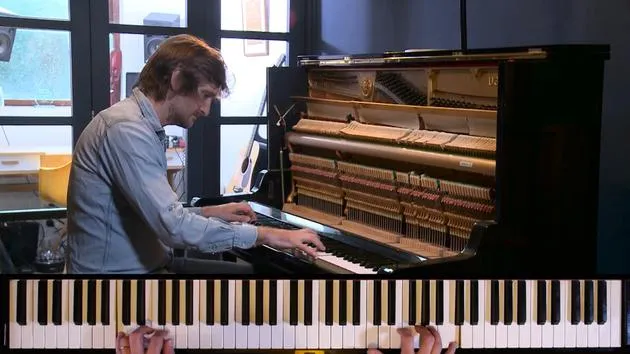
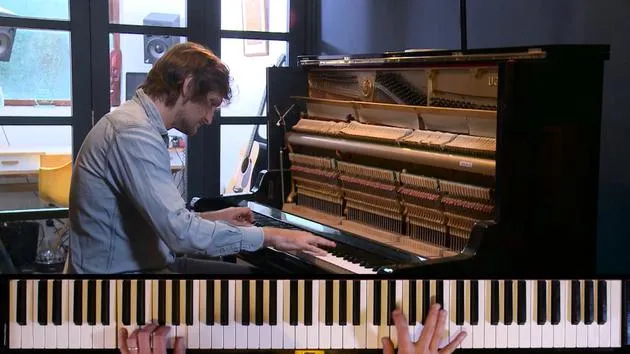
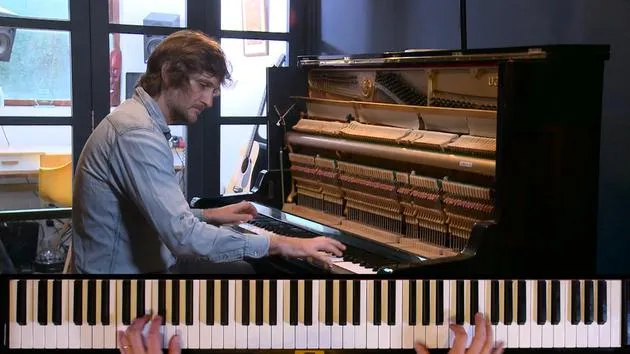
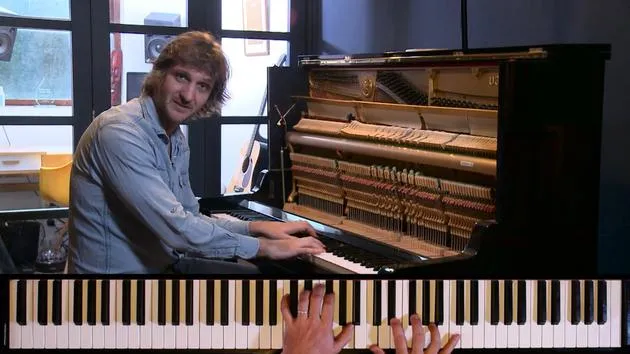
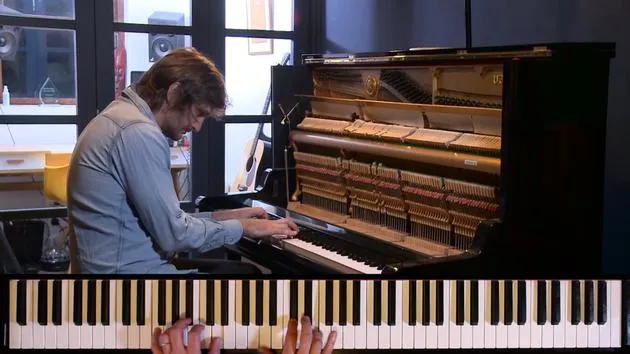
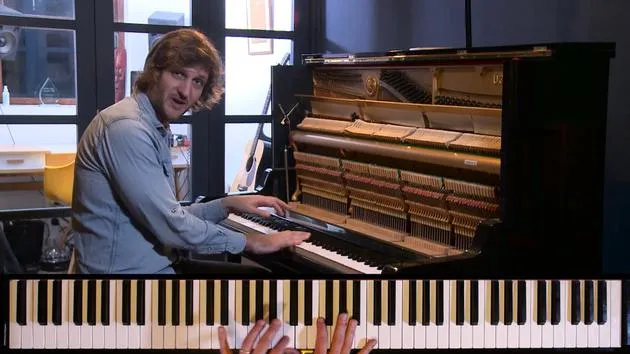
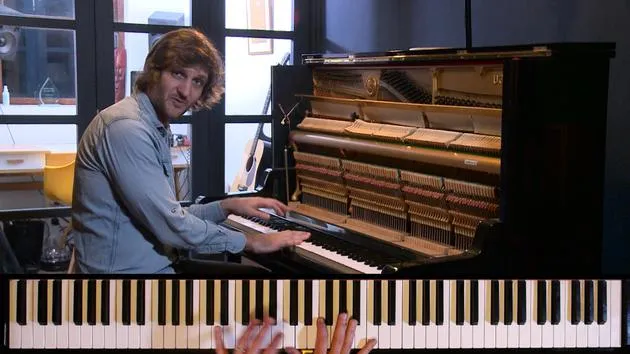
Paddy Milner présente les lignes de basse de la main gauche au cœur du boogie-woogie, en commençant dans la tonalité de Do et en montrant comment les transposer en Fa et Sol sur la forme de 12 mesures.
Le contenu du cours
24 leçons (2h 1min) · 2 gratuites
01. Introduction aux basses et conseils de pratique
Tu es ici2:23
02. Construire des basses boogie
Leçon gratuite6:22
03. Développer davantage les basses
8:57
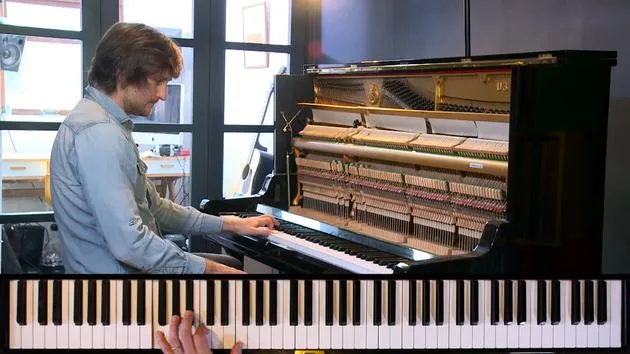
04. Basses mineures
3:02
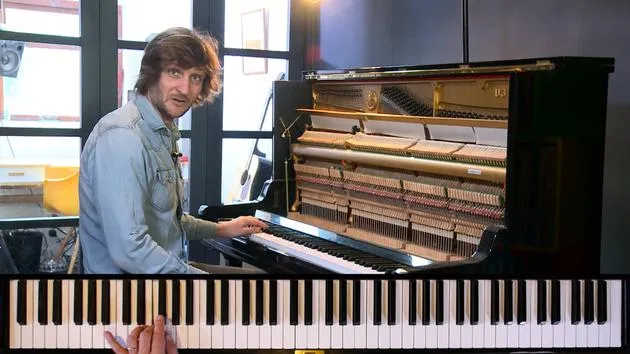
05. Walking Basses
7:05

06. Faire preuve de créativité avec les basses à huit par mesure
5:33
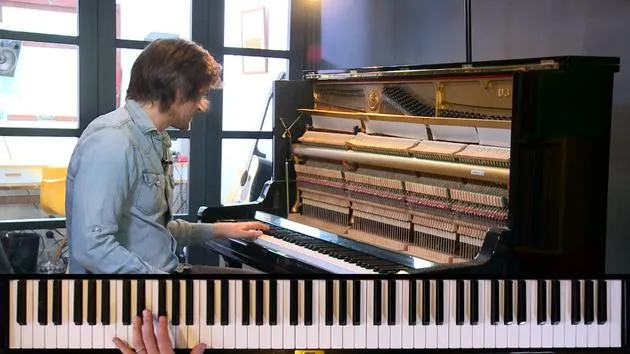
07. Basses latines à la manière de Jimmy Yancey
2:07
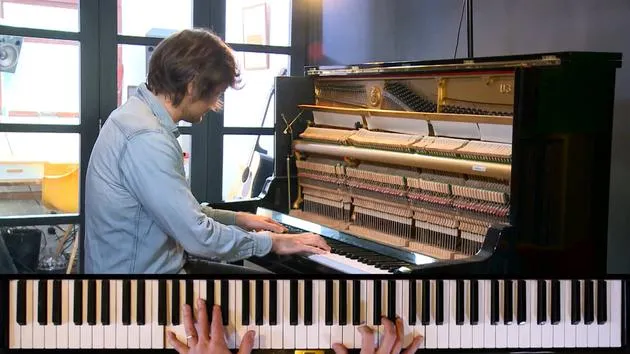
08. Développe tes propres basses - Idées rythmiques
6:04
09. Développer tes propres basses - Idées harmoniques et étude de Suitcase Blues
8:08
Transcription de la leçon
Exploring Left-Hand Basses
We're going to look at tons of left-hand basses, focusing on:
- Common Boogie Woogie Basses
- Creative Ways to Develop Your Own Basses
After all, those original basses came from somewhere; they didn't just appear by magic. It's always good to move the music forward and do your own thing with it.
Basses in the Key of C
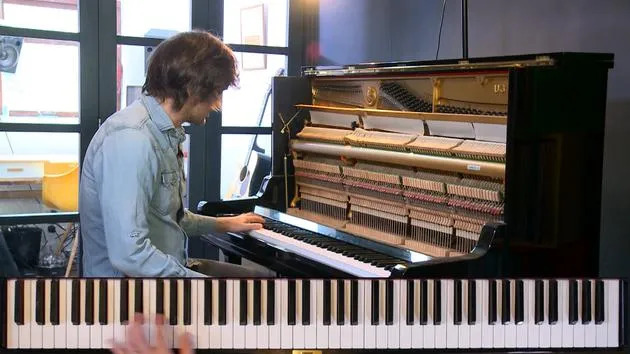
What we're going to do is look at basses in the key of C. I will provide you with some bass lines. While I won't always show you these on the different chords within the key of C, you need to be able to transpose the basses from the chord of C to the other chords in the 12-bar structure, which would be F and G.
Transposing Basses
I suggest trying to play these basses in as many keys as possible. I have actually written all these bass lines down in the accompanying PDF, so they're all available for you to check out.
The Importance of Practice
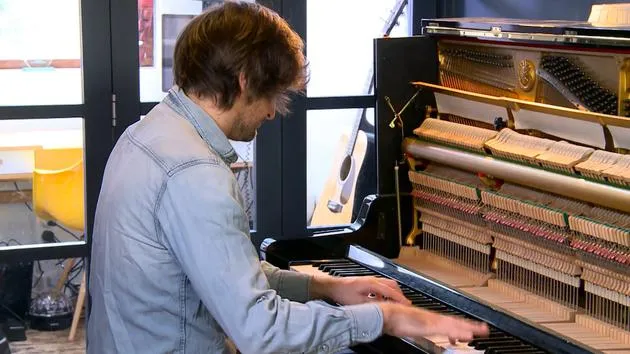
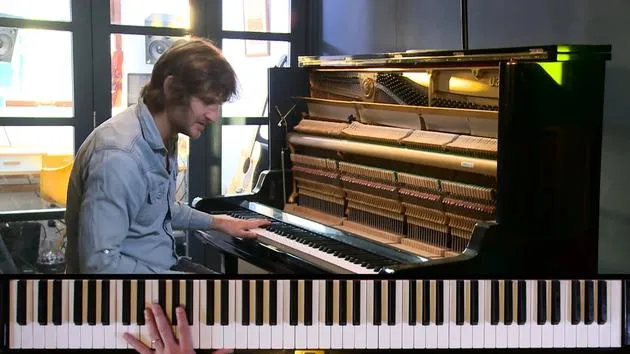
Now, we need to talk about the practice of these basses. It's very important that you get your left hand as solid as possible, and I'm afraid that just comes with repetition.
Developing Independence
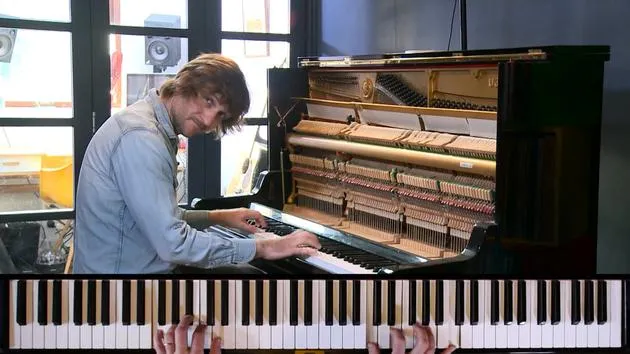
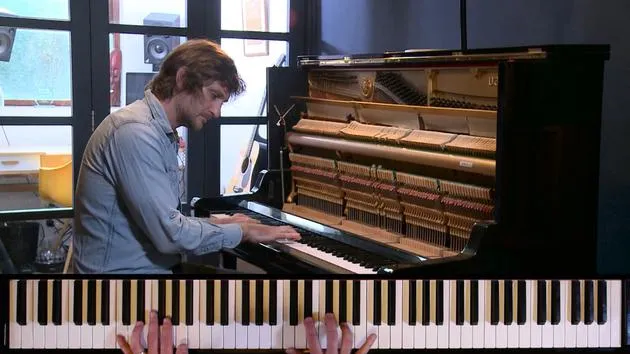
You have to be able to play these bass lines while your right hand can be independent. As a fun analogy, think of it like scratching your head or rubbing your tummy!
Smooth Chord Changes
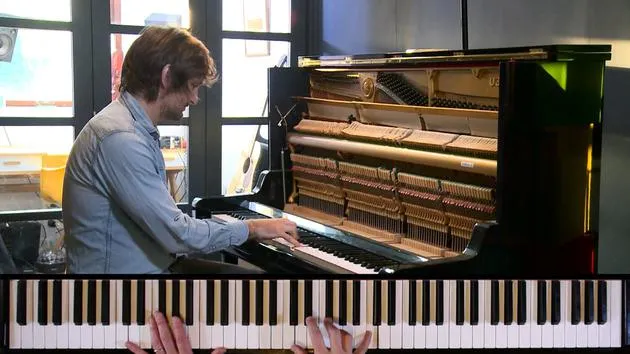
A common place where people get stuck is during the chord changes. They might have the bass going great, but when it comes to changing chords, they hesitate and then fall back in.
To improve this, getting those chord changes as smooth as possible is vital. Here are some tips:
- Think Ahead: Anticipate where your hand needs to go.
- Moving up to G
- Coming down to F
- Returning to C
Try to achieve fluency, even if that means literally going around the same 12-bar progression with just the left hand for 15, 20 minutes, or even half an hour, until it feels totally comfortable and natural.
It's so important for this style!
24 leçons
2h 1m de leçons vidéo structurées
Fonctions vidéo avancées
Ralentissez, bouclez un passage, suivez la partition
Mobile, tablette et ordinateur
Pratiquez où vous voulez
Satisfaction garantie à 100 %
Garantie remboursement 30 jours
Rencontrez votre guru

Rencontrez votre guru
Paddy Milner est reconnu comme l'un des meilleurs pianistes de blues au monde : il est actuellement le claviériste attitré de Sir Tom Jones, après plusieurs années aux côtés du grand et regretté Jack Bruce, mais c'est aussi un superbe auteur-compositeur original et un chanteur au timbre singulier. Il suffit de lire les éloges de personnalités comme Dave Brubeck ci-dessous ! Son jeu figure sur la bande originale du film à succès 'Rocketman' (2019).
Il a remporté à deux reprises le prix du Meilleur claviériste aux British Blues Awards et occupe de longue date une résidence en tant que membre fondateur du Ronnie Scott's Blues Explosion au club mondialement réputé Ronnie Scott's.
Son groupe actuel LONDONOLA joue une musique britannique maison teintée d'une bonne dose d'esprit de La Nouvelle-Orléans, et son projet collectif JAWBONE va de succès en succès depuis la sortie de son premier album éponyme.
- « J'adore... voilà un gars qui sait vraiment jouer du piano » - Dave Brubeck
- « Je le recommande vivement. D'une certaine manière, tout se met à aller beaucoup mieux ! » - Jack Bruce
- « Le meilleur pianiste de blues d'Europe... » - Blues Access, USA
- « Impressionnant et original » - The Times
- « Éblouissant » - The Independent
Au fil de ses cours, Paddy décortique l'authentique shuffle de blues, le slow blues, le boogie-woogie, le rock 'n' roll et le piano de La Nouvelle-Orléans - jusqu'à trois grands classiques du boogie-woogie - pour que vous appreniez ces styles auprès de l'un des tout meilleurs du métier.







