



Fin

Avec
Paddy Milner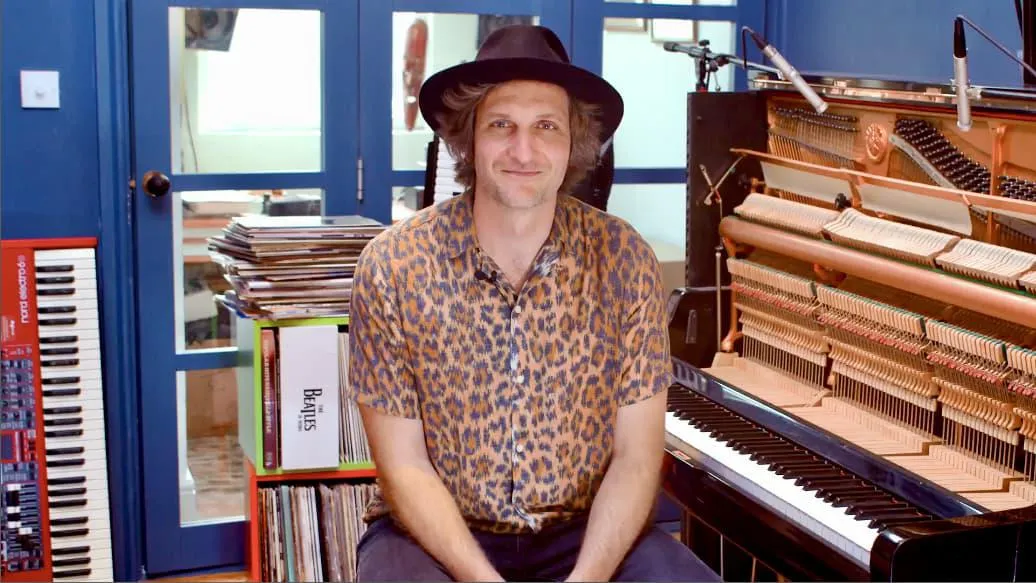
Le contenu du cours
35 leçons (2h 23min) · 1 gratuites
01. Dive Bomber (Pete Johnson) - interprétation au piano par Paddy Milner
3:00
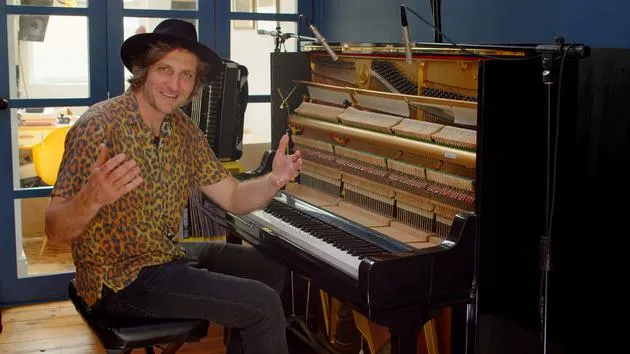
02. Introduction au morceau
Leçon gratuite5:30
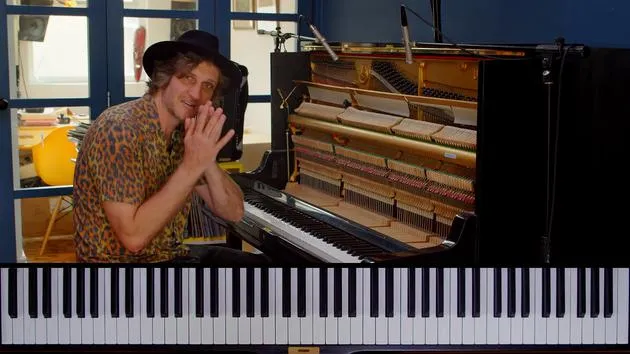
03. Premier refrain
6:09
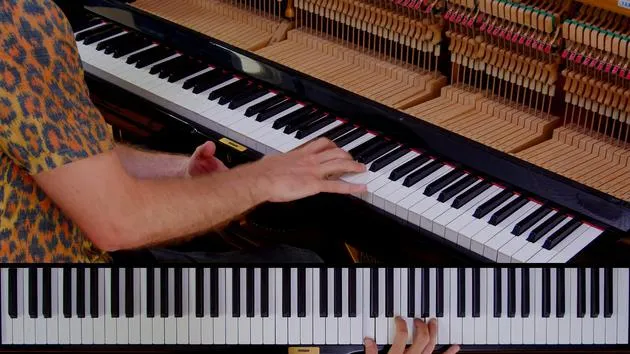
04. Deuxième chorus
1:49
05. Section suivante
2:36
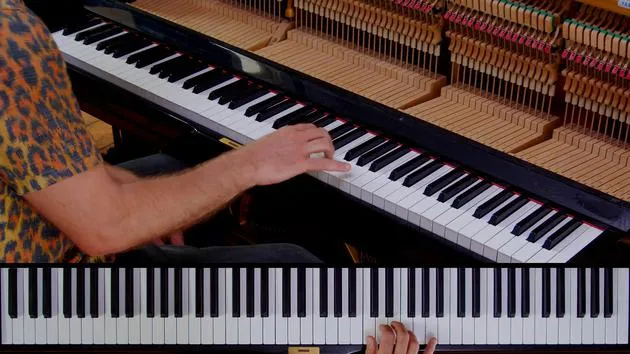
06. Turnaround
0:49
07. Premier break
4:17
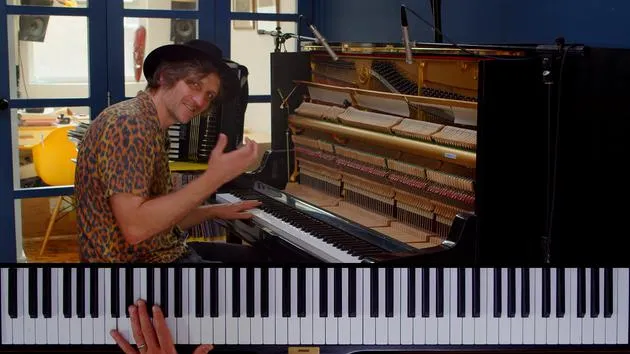
08. Ligne en notes seules
2:26
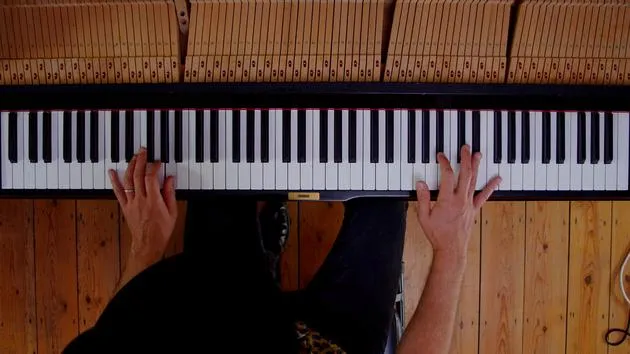
09. Chorus suivant
2:43
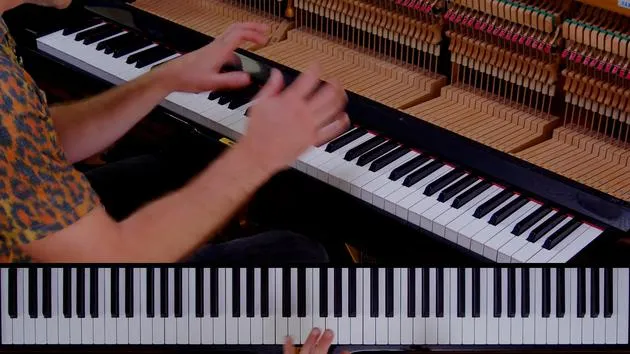
10. Le break suivant
4:25
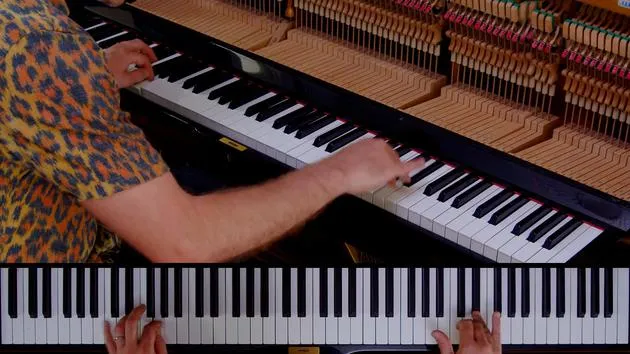
11. Le chorus suivant
5:15
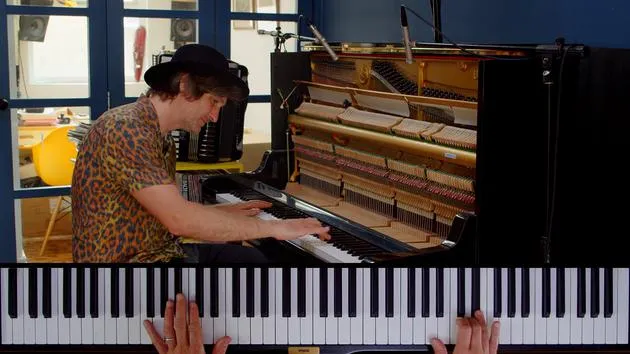
12. Riff de l'accord IV
2:04
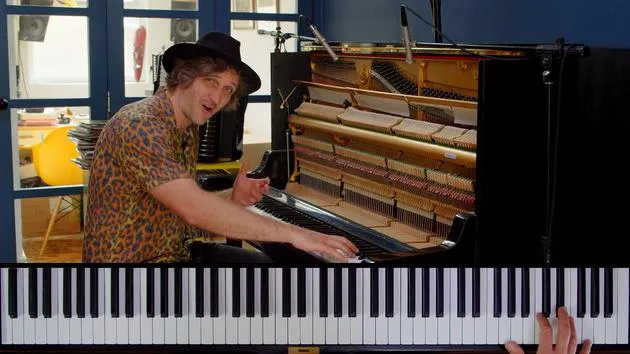
13. Section aiguë
8:24
14. Dernier refrain
5:00
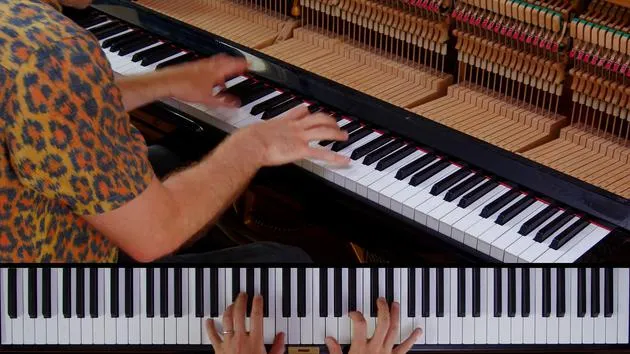
01. Honky Tonk Train Blues (Meade Lux Lewis) - interprétation au piano par Paddy Milner
3:01
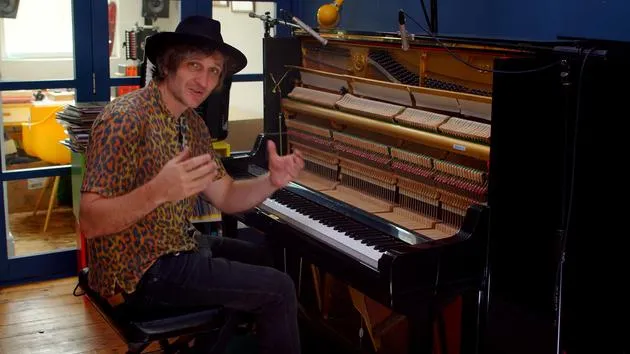
02. L'intro - En voiture !
2:56
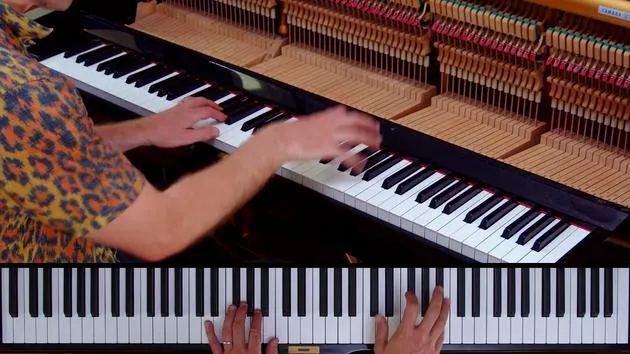
03. La main gauche - Le moteur
4:03
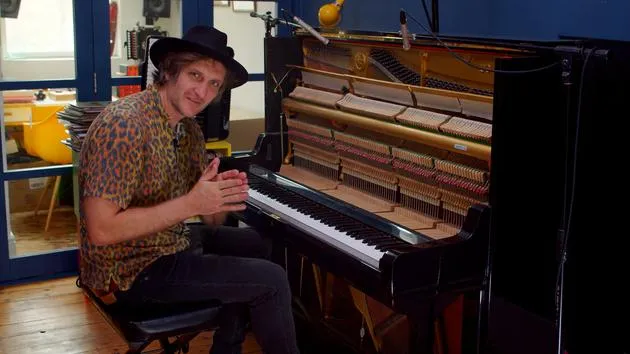
04. Premier chorus et turnaround
8:11
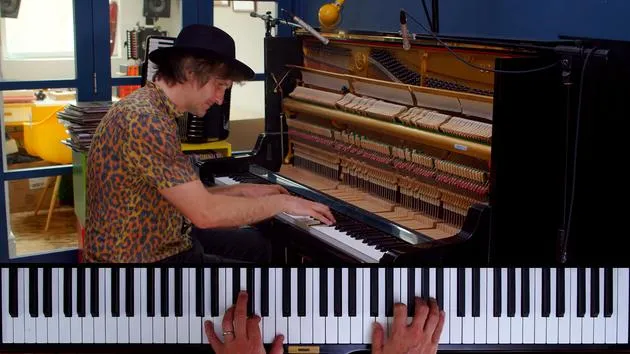
05. Deuxième chorus - Polyrythmie 3 contre 2
1:54
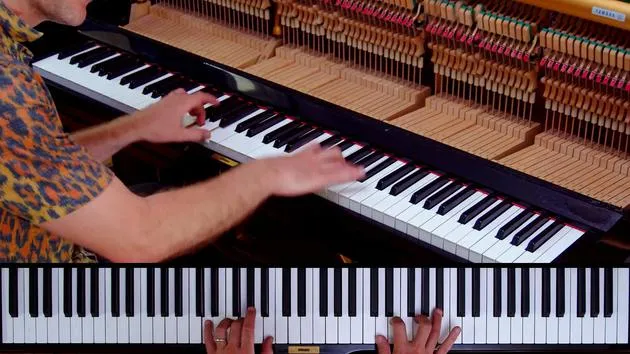
06. Troisième chorus - Trille de sifflet de train
4:44
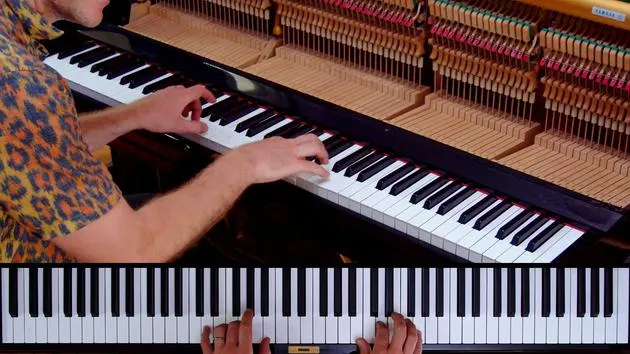
07. Quatrième chorus - Triolets répétés
2:56
08. Sixième chorus - harmonie Em G6
7:03
09. Septième chorus
2:33
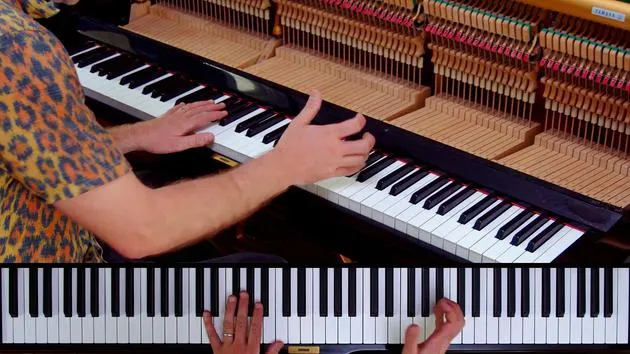
10. Huitième chorus
2:51
11. Fin du dernier chorus - Arrivée en gare
2:28
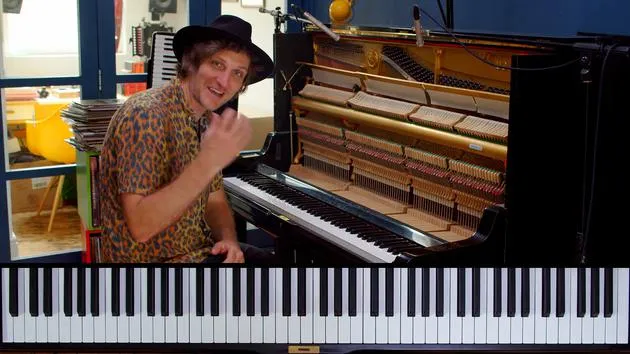
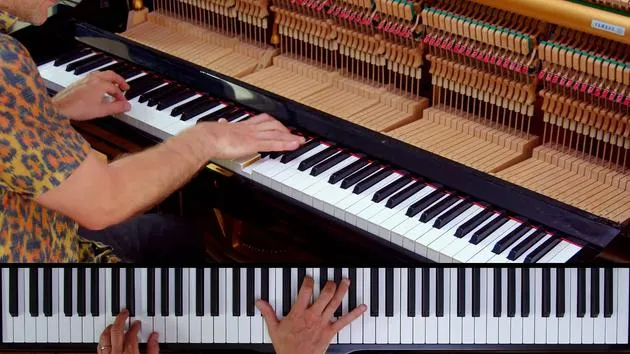
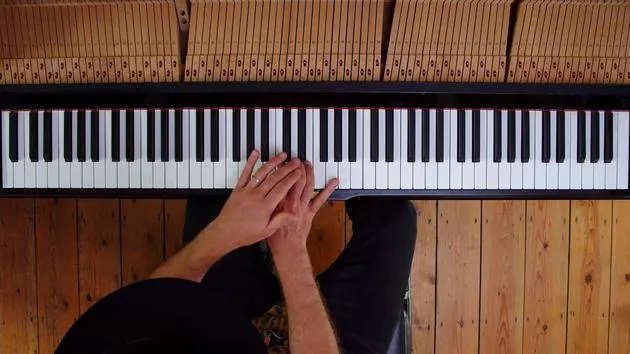
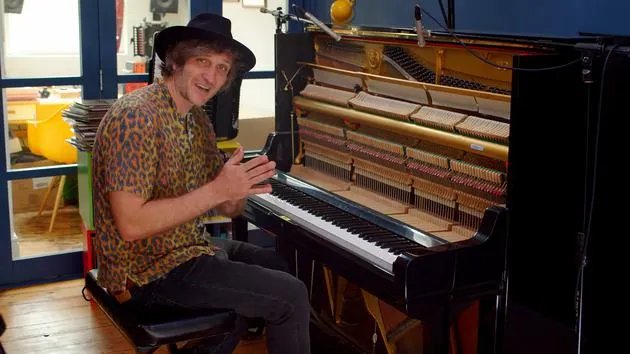
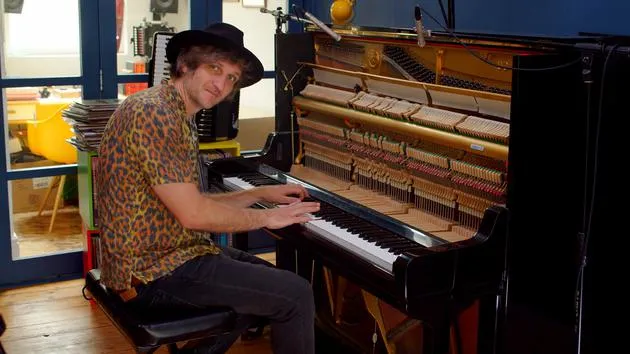
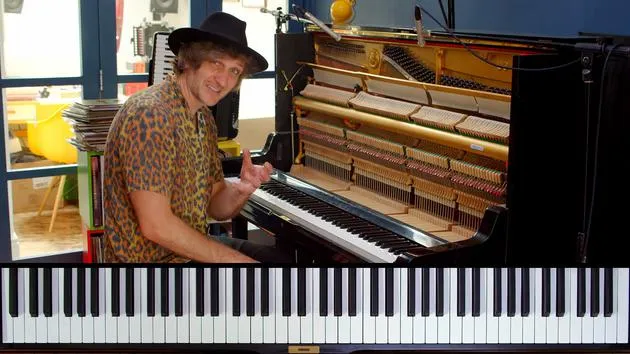
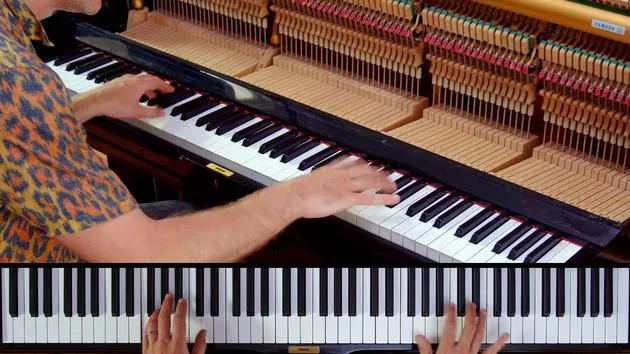
Transcription de la leçon
Music Lesson
So after. Now shake that thing.
So we're back onto that idea.
I think he may have been aiming for that E flat, but on the recording, I hear that he's just hitting a knee twice. That's neither here nor there, but I think that's kind of what happened.
Last Chorus
Okay, so those are all things that we've heard before.
And then for the very last chorus, which is kind of the peak of the tune, this is where the sort of climax of the dancing would happen, he plays this right up at the top of the register, which we haven't been to before.
High Register
- He saved that high register bit for the end of the tune.
- This is where the frenzy would be happening.
There's more triplets in there as well, adding a level of complexity and intensity to it.
New Material
He also brings in this little chromatic thing, which he hasn't done before in the tune.
- There's this kind of new material for the ear to listen to.
- That little bit adds variety and interest.
Then, we have a kind of strange ending. It's not at the end of the 12-bar form.
Ending
He does it after coming down from the F chord.
- I'm not sure why that is.
- Maybe the idea of the 12-bar form hadn't fully crystallized at that point.
- Or maybe it's because the recording had to be a certain length before they ran out of wax on the cylinder or something.
I'm not exactly sure what the recording process was.
Anyway, he finishes it sort of halfway through the 12-bar, not at the end of the 12-bar.
And then, there is a very simple turnaround ending, just very simple. There's no big flourish, none of that. No, just very simple.
Conclusion
So there you go. That is pretty much as far as I could work it out from the record, what Pine Top Smith played on his 1928 recording.
So, yeah, good luck playing it! I hope these tips have helped.
And as always with this music, which is improvised music, take these ideas and do your own things with them.
35 leçons
2h 23m de leçons vidéo structurées
Fonctions vidéo avancées
Ralentissez, bouclez un passage, suivez la partition
Mobile, tablette et ordinateur
Pratiquez où vous voulez
Satisfaction garantie à 100 %
Garantie remboursement 30 jours
Rencontrez votre guru
Rencontrez votre guru
Paddy Milner est reconnu comme l'un des meilleurs pianistes de blues au monde : il est actuellement le claviériste attitré de Sir Tom Jones, après plusieurs années aux côtés du grand et regretté Jack Bruce, mais c'est aussi un superbe auteur-compositeur original et un chanteur au timbre singulier. Il suffit de lire les éloges de personnalités comme Dave Brubeck ci-dessous ! Son jeu figure sur la bande originale du film à succès 'Rocketman' (2019).
Il a remporté à deux reprises le prix du Meilleur claviériste aux British Blues Awards et occupe de longue date une résidence en tant que membre fondateur du Ronnie Scott's Blues Explosion au club mondialement réputé Ronnie Scott's.
Son groupe actuel LONDONOLA joue une musique britannique maison teintée d'une bonne dose d'esprit de La Nouvelle-Orléans, et son projet collectif JAWBONE va de succès en succès depuis la sortie de son premier album éponyme.
- « J'adore... voilà un gars qui sait vraiment jouer du piano » - Dave Brubeck
- « Je le recommande vivement. D'une certaine manière, tout se met à aller beaucoup mieux ! » - Jack Bruce
- « Le meilleur pianiste de blues d'Europe... » - Blues Access, USA
- « Impressionnant et original » - The Times
- « Éblouissant » - The Independent
Au fil de ses cours, Paddy décortique l'authentique shuffle de blues, le slow blues, le boogie-woogie, le rock 'n' roll et le piano de La Nouvelle-Orléans - jusqu'à trois grands classiques du boogie-woogie - pour que vous appreniez ces styles auprès de l'un des tout meilleurs du métier.







