



Le riff suivant

Avec
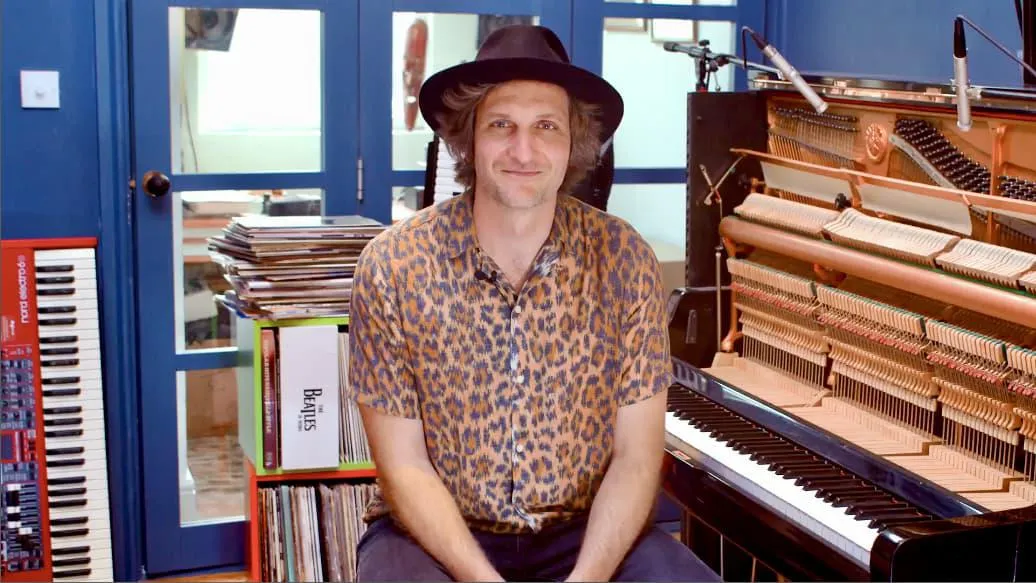
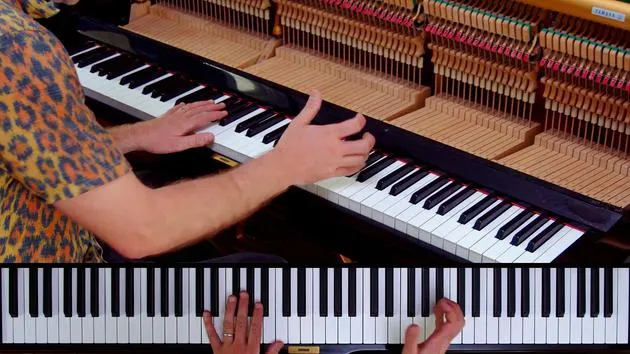
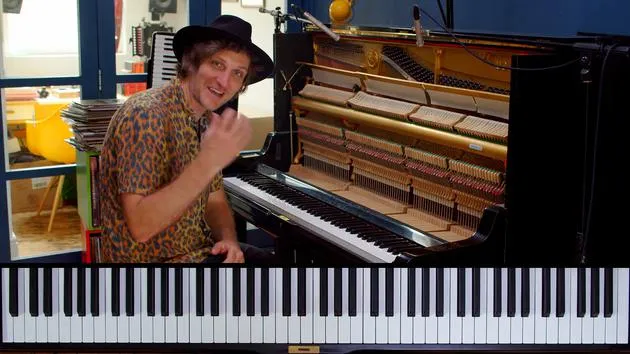
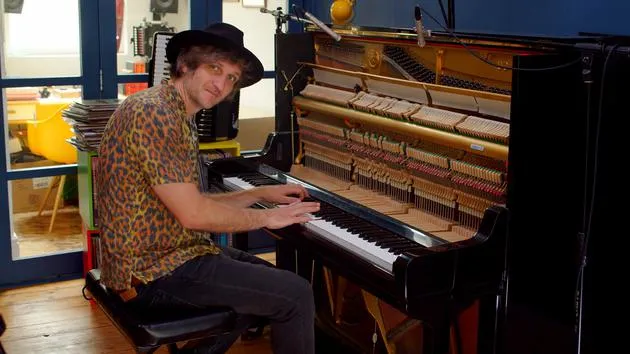
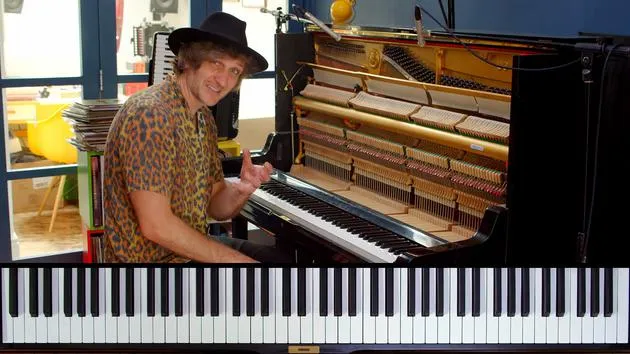
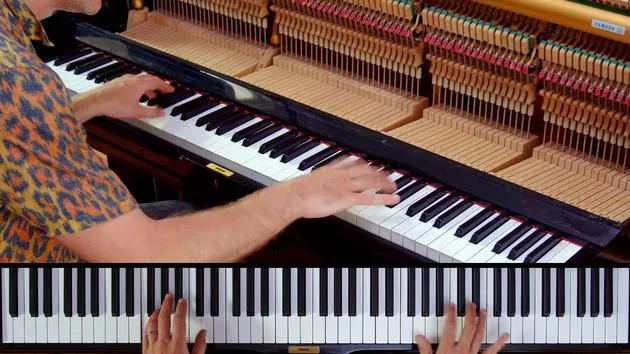
Paddy MilnerPaddy Milner décortique le riff suivant de Pinetop's Boogie Woogie, en glissant de Si bémol à Si sur la grille de 12 mesures, et le frottement majeur-mineur qui lui donne sa couleur blues.
Le contenu du cours
35 leçons (2h 23min) · 1 gratuites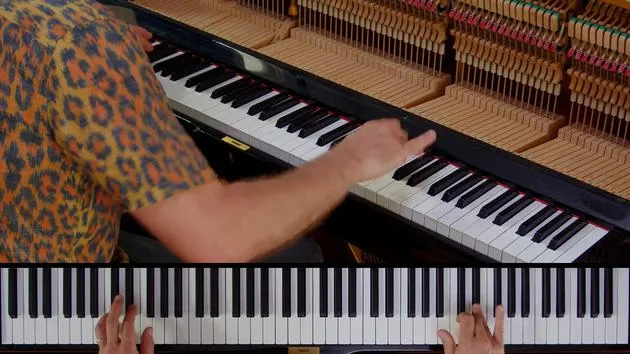
01. Dive Bomber (Pete Johnson) - interprétation au piano par Paddy Milner
3:00
02. Introduction au morceau
Leçon gratuite5:30
03. Premier refrain
6:09
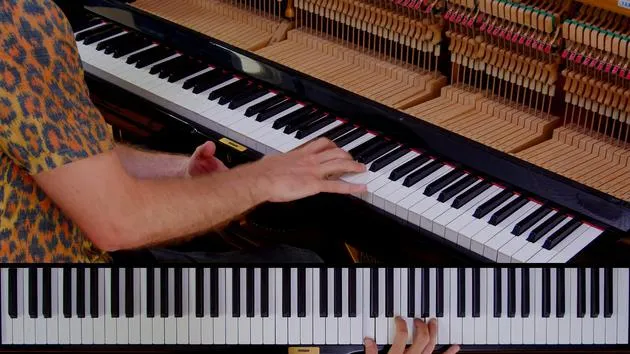
04. Deuxième chorus
1:49
05. Section suivante
2:36
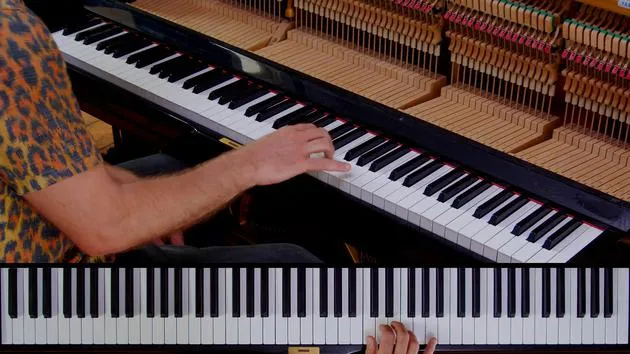
06. Turnaround
0:49
07. Premier break
4:17
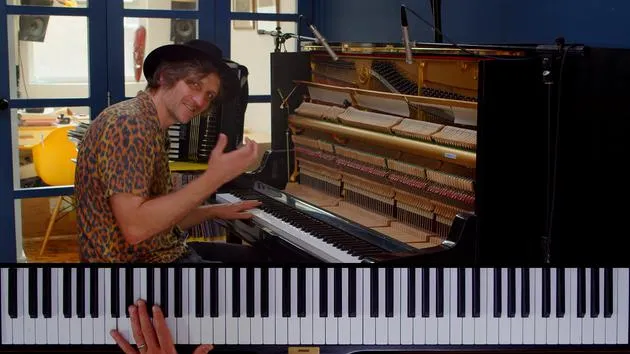
08. Ligne en notes seules
2:26
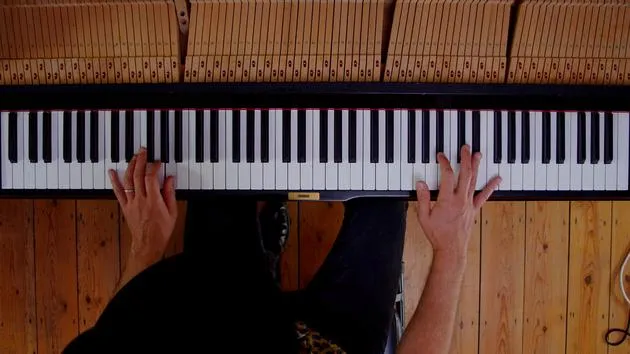
09. Chorus suivant
2:43
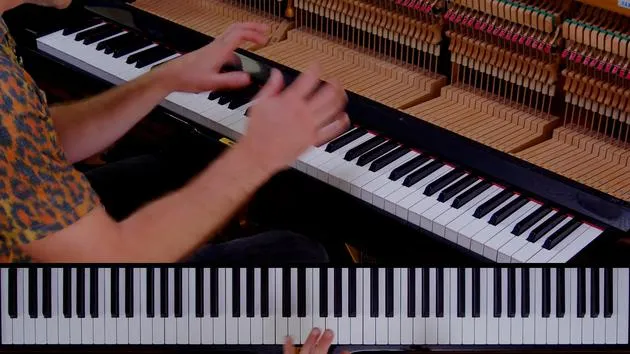
10. Le break suivant
4:25
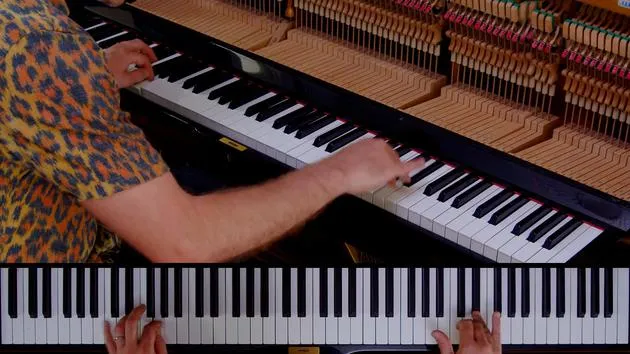
11. Le chorus suivant
5:15
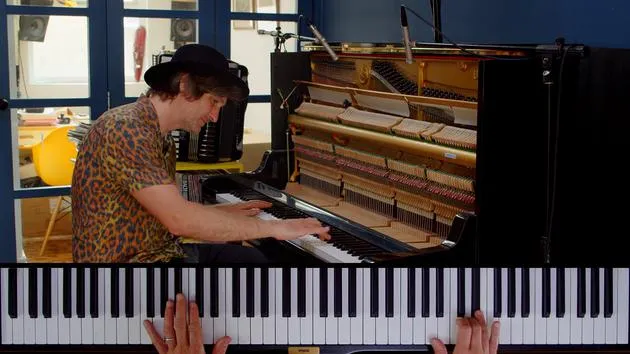
12. Riff de l'accord IV
2:04
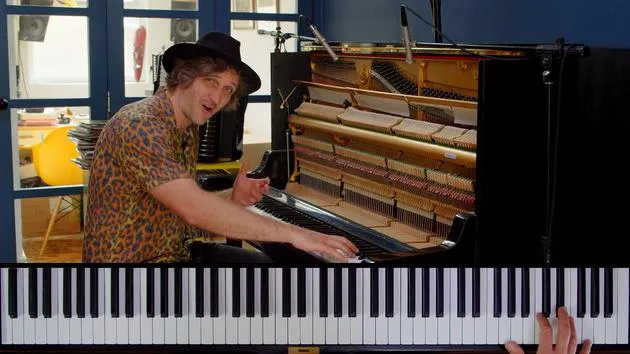
13. Section aiguë
8:24
14. Dernier refrain
5:00
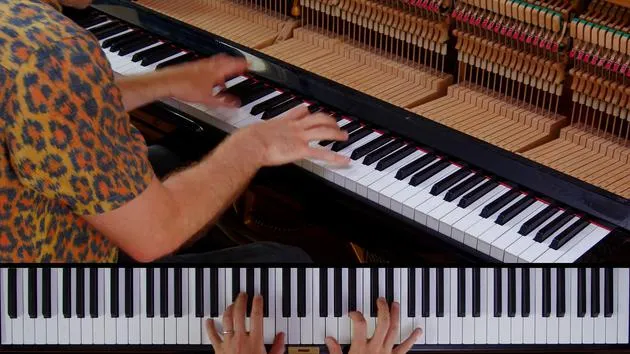
01. Honky Tonk Train Blues (Meade Lux Lewis) - interprétation au piano par Paddy Milner
3:01
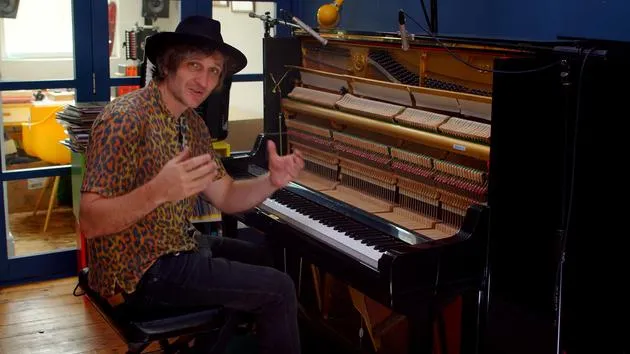
02. L'intro - En voiture !
2:56
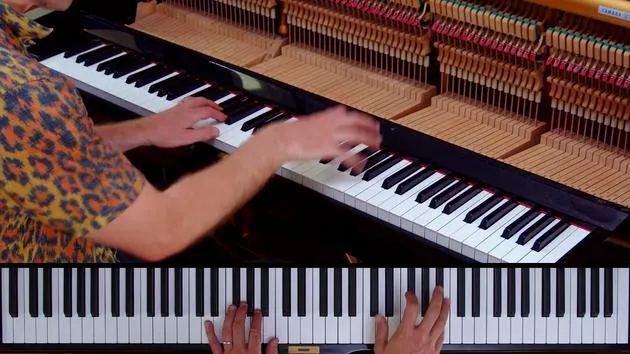
03. La main gauche - Le moteur
4:03
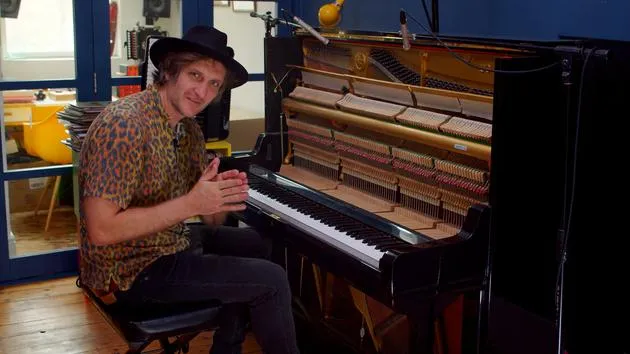
04. Premier chorus et turnaround
8:11
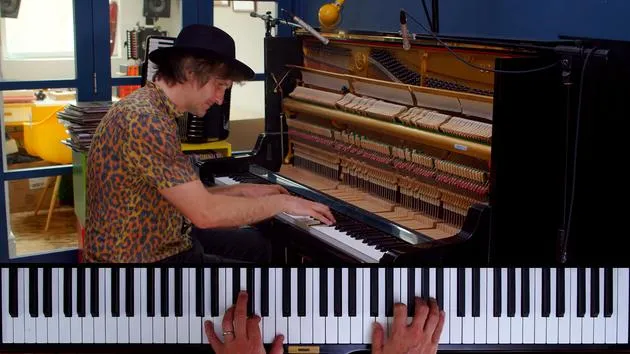
05. Deuxième chorus - Polyrythmie 3 contre 2
1:54
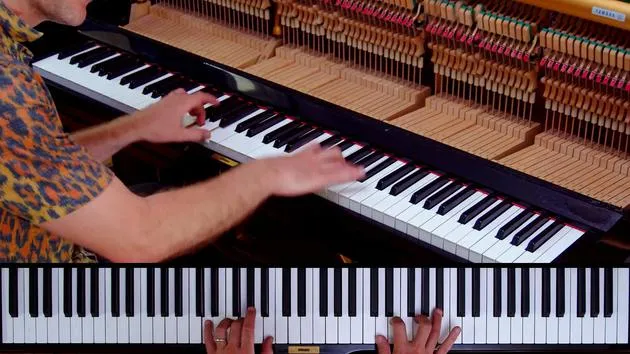
06. Troisième chorus - Trille de sifflet de train
4:44
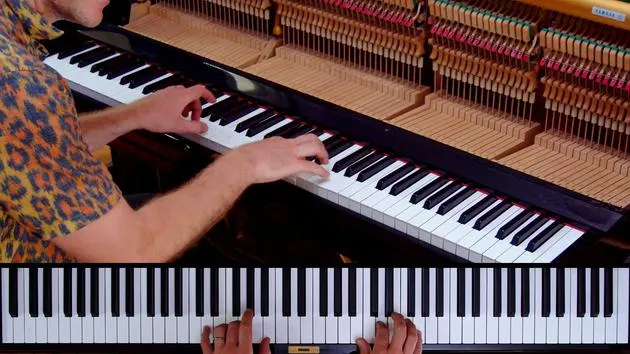
07. Quatrième chorus - Triolets répétés
2:56
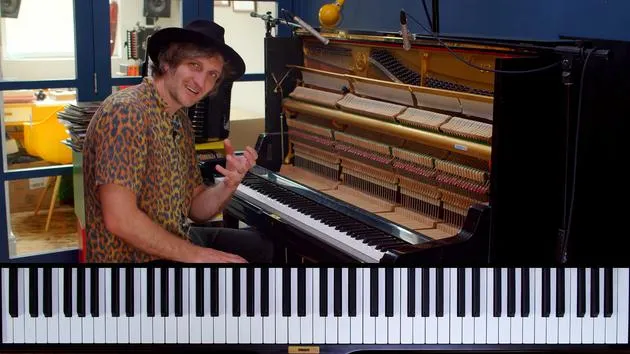
08. Sixième chorus - harmonie Em G6
7:03
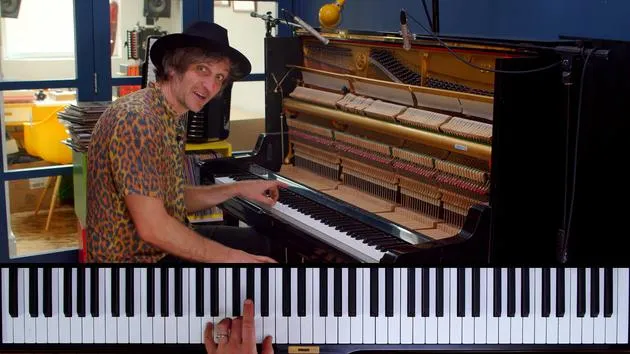
09. Septième chorus
2:33
10. Huitième chorus
2:51
11. Fin du dernier chorus - Arrivée en gare
2:28
Transcription de la leçon
Lesson on Pine Top Riffing
So, let's look at this next riff, which Pine Top plays over most of the 12-bar structure. We've got this:
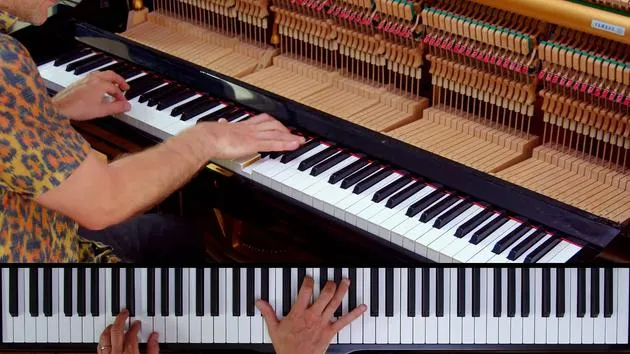
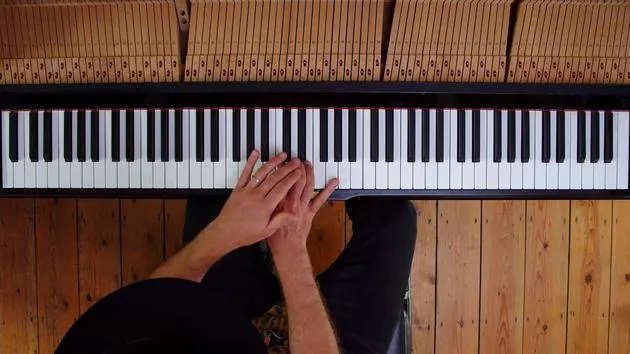
- Sliding Technique: I'm playing it sliding off that B flat to the B. But you might want to play it differently, which I find a bit awkward because of the transition. So, I prefer my method. However, you may find your own way of fingering it.
Dissonance and Harmony
This is an interesting one because he's not worried about that kind of harmonic clash there. So, there is a dissonance on the F, but it doesn't matter at all, does it?
- Major/Minor Clash: That sort of major minor interplay is something so important to blues music, gospel, and a lot of American music.
When you play it at tempo, it just flows nicely.
Adding Complexity
Now, there are some little things you could do with this:
- Add a Third or Sixth: Why not add a third on top or even below? You could add the sixth below and do that sort of thing.
- Extending the Phrase: You could extend the phrase a bit. Using that as the basic idea, you might come up with something like this:
(Play example)
Again, you could repeat the phrase a little bit earlier at a different point in the bar. Why not try that?
Creative Exploration
There's all sorts of things you could do with that idea. I'll leave that up to your imagination.
Conclusion of the Chorus
He finishes that chorus with a little something, recalling the idea from the very first introduction chorus.
- The G Chord: On the G chord (the V chord), he kind of rolls down the sixth, which outlines that G. There's that riff again!
You know, those rolls down sixth chords can be used in all sorts of ways.
Changing Chords
For example, when you go to the four chord:
-
C6 to Minor Six: You could change it from a C6 (which is the sixth on chord one of the key you're in) to a minor sixth of chord one, which, when you play it over an F (or chord four), transforms it into a ninth chord.
-
Warm Sound: This ninth chord has that nice, warm quality, which wouldn't be out of place in the works of composers like Debussy.
In fact, he uses it a lot in pieces like "R?verie" and "Clair de Lune."
Final Thoughts
All these riffs are built on ornamenting a basic chord. It's all about ornamenting that F9.
35 leçons
2h 23m de leçons vidéo structurées
Fonctions vidéo avancées
Ralentissez, bouclez un passage, suivez la partition
Mobile, tablette et ordinateur
Pratiquez où vous voulez
Satisfaction garantie à 100 %
Garantie remboursement 30 jours
Rencontrez votre guru
Rencontrez votre guru
Paddy Milner est reconnu comme l'un des meilleurs pianistes de blues au monde : il est actuellement le claviériste attitré de Sir Tom Jones, après plusieurs années aux côtés du grand et regretté Jack Bruce, mais c'est aussi un superbe auteur-compositeur original et un chanteur au timbre singulier. Il suffit de lire les éloges de personnalités comme Dave Brubeck ci-dessous ! Son jeu figure sur la bande originale du film à succès 'Rocketman' (2019).
Il a remporté à deux reprises le prix du Meilleur claviériste aux British Blues Awards et occupe de longue date une résidence en tant que membre fondateur du Ronnie Scott's Blues Explosion au club mondialement réputé Ronnie Scott's.
Son groupe actuel LONDONOLA joue une musique britannique maison teintée d'une bonne dose d'esprit de La Nouvelle-Orléans, et son projet collectif JAWBONE va de succès en succès depuis la sortie de son premier album éponyme.
- « J'adore... voilà un gars qui sait vraiment jouer du piano » - Dave Brubeck
- « Je le recommande vivement. D'une certaine manière, tout se met à aller beaucoup mieux ! » - Jack Bruce
- « Le meilleur pianiste de blues d'Europe... » - Blues Access, USA
- « Impressionnant et original » - The Times
- « Éblouissant » - The Independent
Au fil de ses cours, Paddy décortique l'authentique shuffle de blues, le slow blues, le boogie-woogie, le rock 'n' roll et le piano de La Nouvelle-Orléans - jusqu'à trois grands classiques du boogie-woogie - pour que vous appreniez ces styles auprès de l'un des tout meilleurs du métier.







