



Intro et main gauche

Avec
Paddy MilnerPaddy Milner présente Pinetop's Boogie Woogie et enseigne l'intro ainsi que la partie roulante de main gauche devenue le son emblématique du boogie-woogie.

Le contenu du cours
35 leçons (2h 23min) · 1 gratuites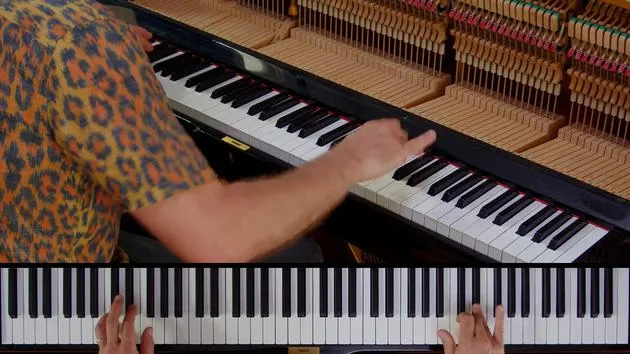
01. Dive Bomber (Pete Johnson) - interprétation au piano par Paddy Milner
3:00
02. Introduction au morceau
Leçon gratuite5:30
03. Premier refrain
6:09

04. Deuxième chorus
1:49
05. Section suivante
2:36
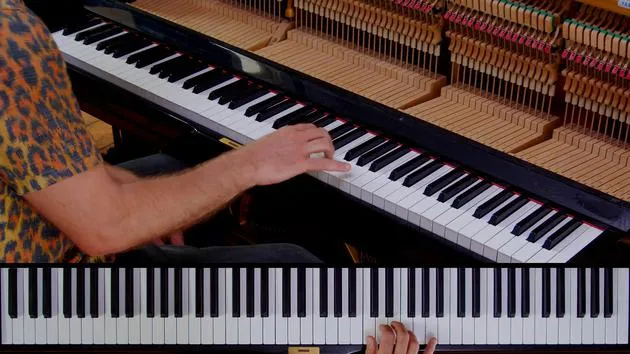
06. Turnaround
0:49
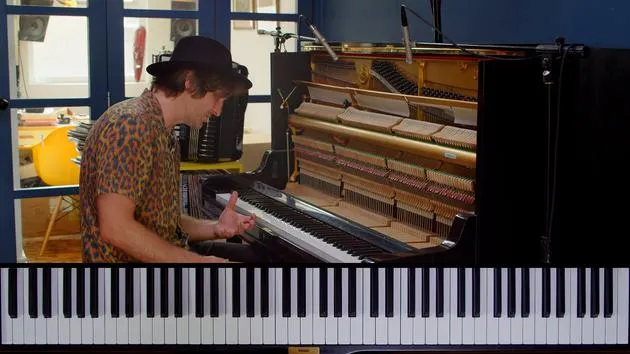
07. Premier break
4:17
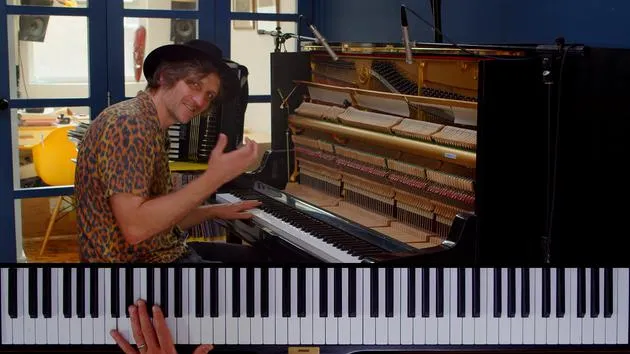
08. Ligne en notes seules
2:26
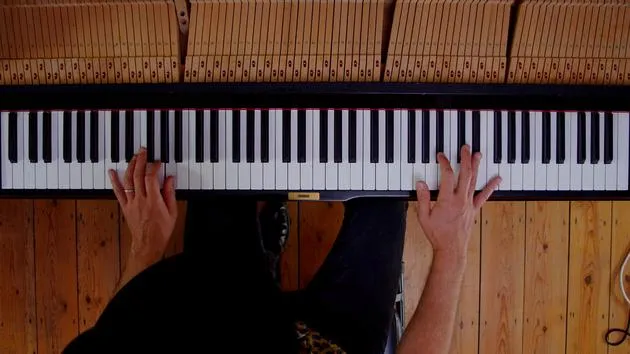
09. Chorus suivant
2:43
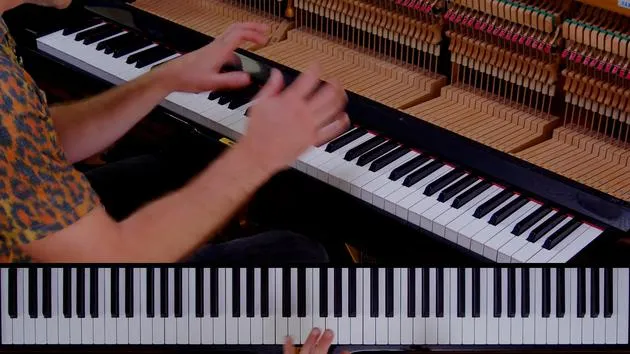
10. Le break suivant
4:25
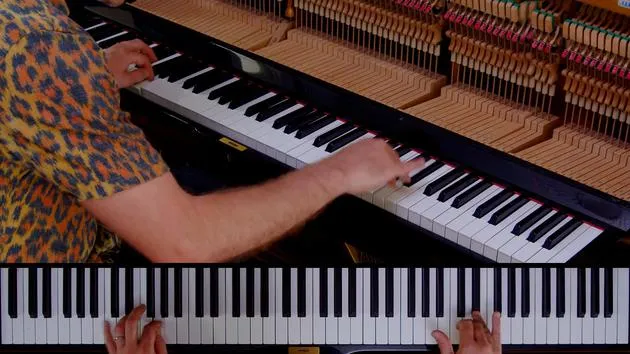
11. Le chorus suivant
5:15
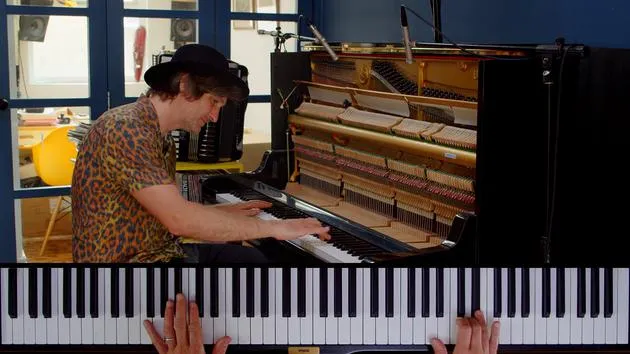
12. Riff de l'accord IV
2:04
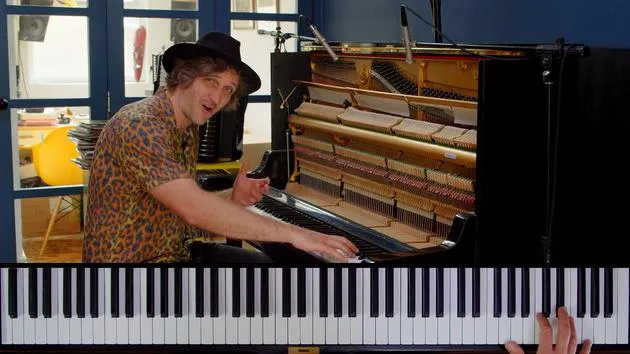
13. Section aiguë
8:24
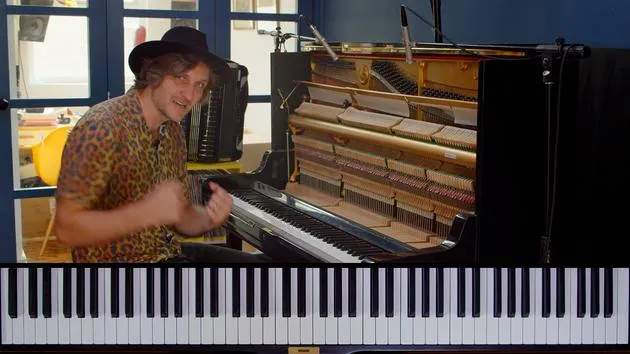
14. Dernier refrain
5:00
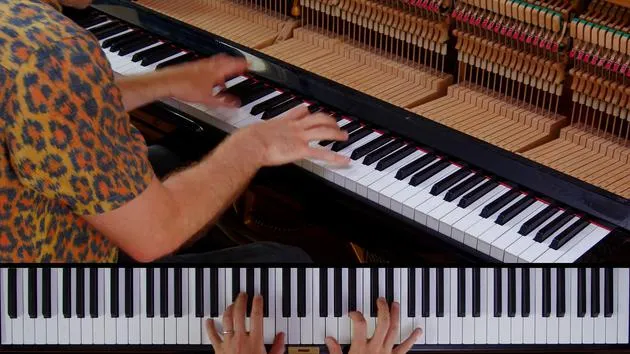
01. Honky Tonk Train Blues (Meade Lux Lewis) - interprétation au piano par Paddy Milner
3:01
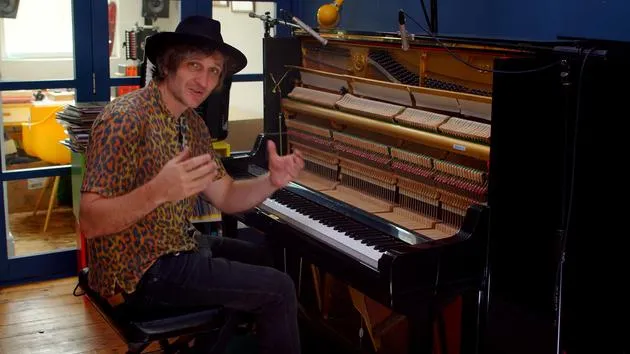
02. L'intro - En voiture !
2:56
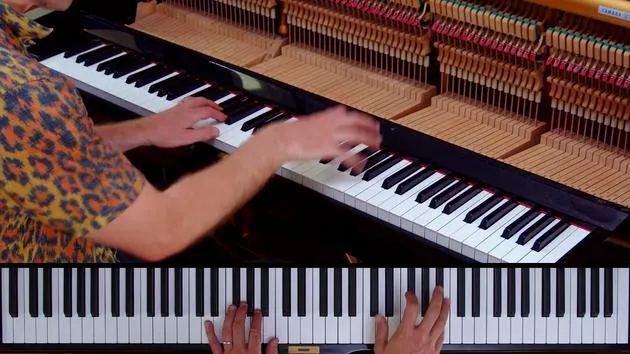
03. La main gauche - Le moteur
4:03
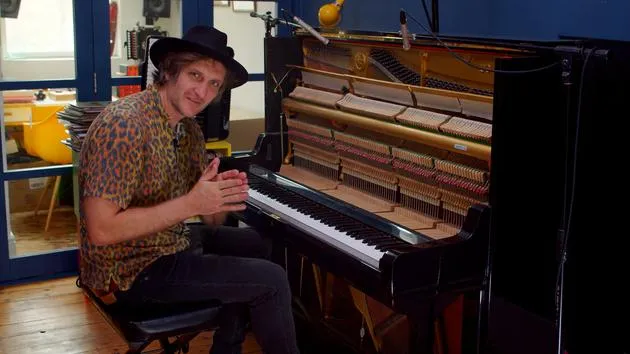
04. Premier chorus et turnaround
8:11
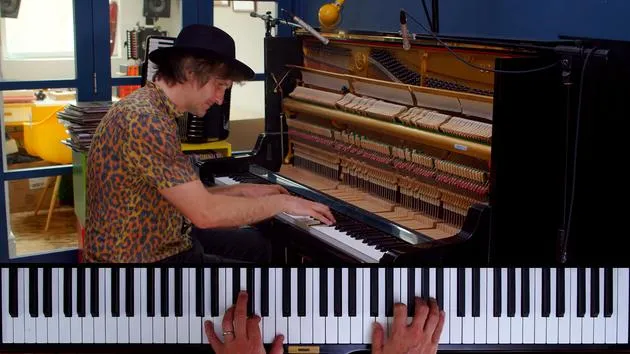
05. Deuxième chorus - Polyrythmie 3 contre 2
1:54
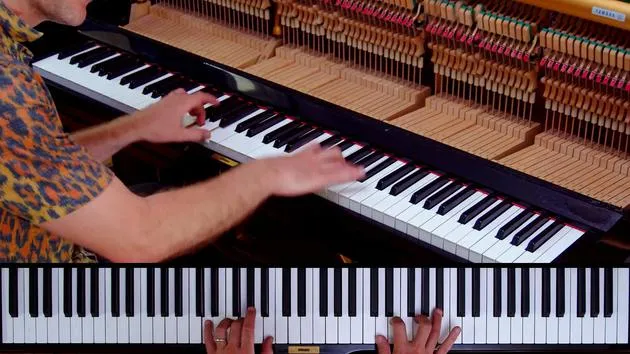
06. Troisième chorus - Trille de sifflet de train
4:44
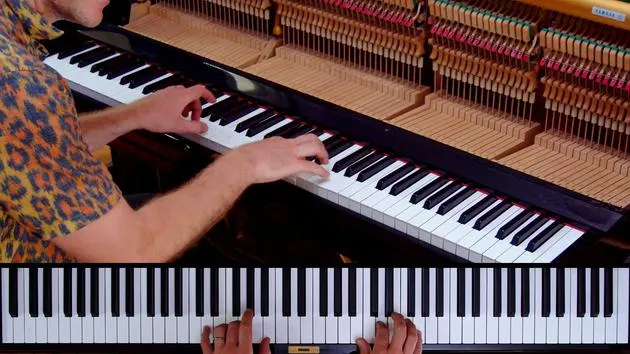
07. Quatrième chorus - Triolets répétés
2:56

08. Sixième chorus - harmonie Em G6
7:03
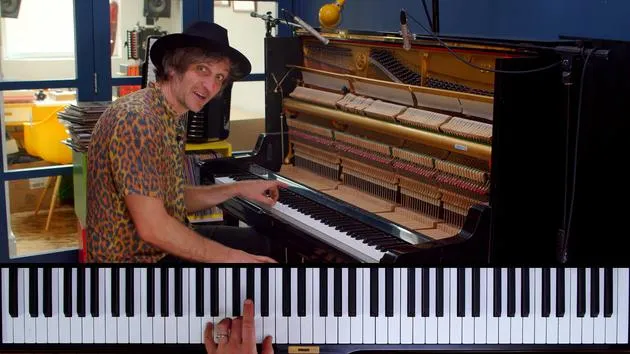
09. Septième chorus
2:33
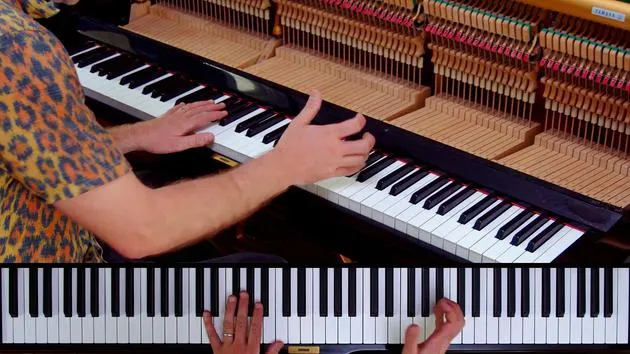
10. Huitième chorus
2:51

11. Fin du dernier chorus - Arrivée en gare
2:28

Transcription de la leçon
The Left Hand Part from Pinetop's Tune
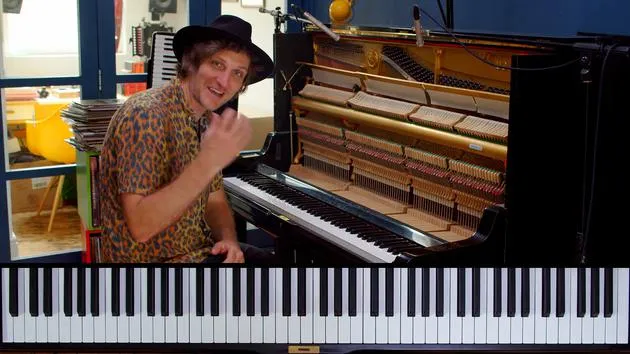
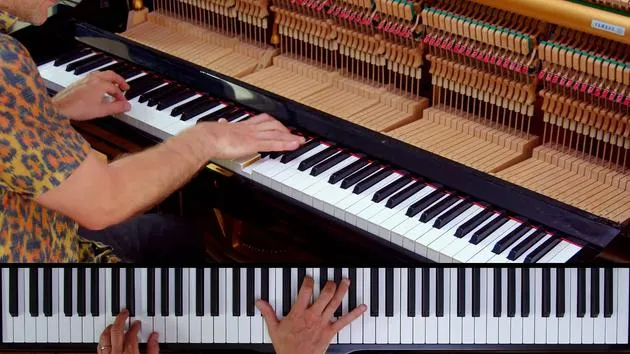
All right, let's look at the left hand part that Pinetop uses in this tune. This left hand part is really defining and important for the history of boogie woogie as well.
Historical Significance
- This was a hit record,
- It was bought and heard by lots of people.
- This left hand part became synonymous with boogie woogie.
Characteristics of Pinetop's Playing
Pinetop doesn't play exactly the same way every bar. As he plays along, you'll notice:
- Lots of different subtle variations
- It's not something he's consciously thinking about; it's just how it bounces along.
As long as there's that constant eighth note (or quaver) rhythm going through it, that's all good.
Practice Tips
If you're struggling to play at that tempo, consider the following:
- Reduce the tempo: Practice at a slower pace.
- Use a metronome: This really helps to identify where you're speeding up and slowing down.
- Start with the metronome at a slower tempo.
- Get it comfortable under your fingers.
- Gradually increase the tempo until you can play at full speed.
Fingering Techniques
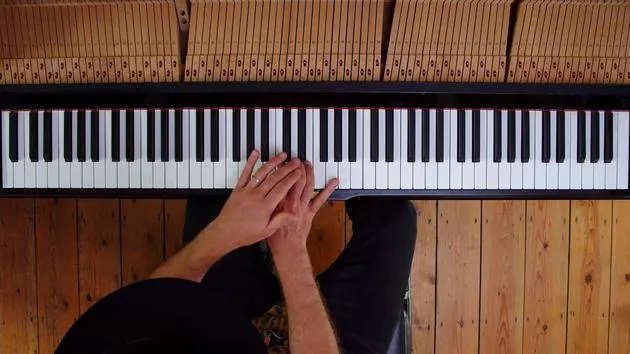
In terms of fingering, you have options:
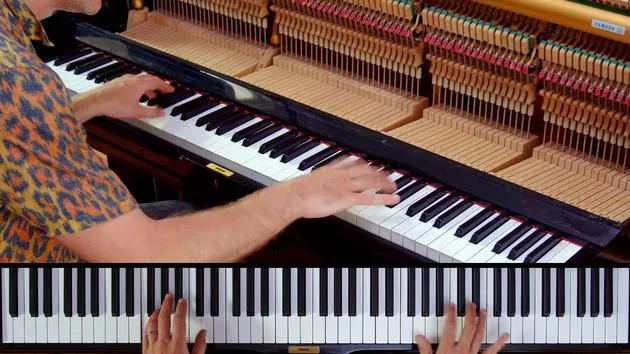
- Third to Second Finger: You can use these fingers to play.
- Fourth Finger: Alternatively, you could use just your fourth finger.
For more power, you might find it easier with the middle finger, which helps accentuate Beat 2, adding to the swing of the groove.
Demonstration
I'll play the left hand around once, just as I naturally feel it, so you can hear how it swings.
Listening Focus
Also, pay attention to the rhythm:
- Notice how this is swung.
- Consider how dotted it is and how straight it feels.
Boogie woogie is relatively straight compared to other tunes like "Honky Tonk Train Blues," which has much more dotted feel.
Make sure you listen closely to how Pinetop plays this tune.
Closing Remarks
So here we go, round the 12-bar structure, just the left hand. Listen for those slight variations within that 12-bar sequence.
35 leçons
2h 23m de leçons vidéo structurées
Fonctions vidéo avancées
Ralentissez, bouclez un passage, suivez la partition
Mobile, tablette et ordinateur
Pratiquez où vous voulez
Satisfaction garantie à 100 %
Garantie remboursement 30 jours
Rencontrez votre guru
Rencontrez votre guru
Paddy Milner est reconnu comme l'un des meilleurs pianistes de blues au monde : il est actuellement le claviériste attitré de Sir Tom Jones, après plusieurs années aux côtés du grand et regretté Jack Bruce, mais c'est aussi un superbe auteur-compositeur original et un chanteur au timbre singulier. Il suffit de lire les éloges de personnalités comme Dave Brubeck ci-dessous ! Son jeu figure sur la bande originale du film à succès 'Rocketman' (2019).
Il a remporté à deux reprises le prix du Meilleur claviériste aux British Blues Awards et occupe de longue date une résidence en tant que membre fondateur du Ronnie Scott's Blues Explosion au club mondialement réputé Ronnie Scott's.
Son groupe actuel LONDONOLA joue une musique britannique maison teintée d'une bonne dose d'esprit de La Nouvelle-Orléans, et son projet collectif JAWBONE va de succès en succès depuis la sortie de son premier album éponyme.
- « J'adore... voilà un gars qui sait vraiment jouer du piano » - Dave Brubeck
- « Je le recommande vivement. D'une certaine manière, tout se met à aller beaucoup mieux ! » - Jack Bruce
- « Le meilleur pianiste de blues d'Europe... » - Blues Access, USA
- « Impressionnant et original » - The Times
- « Éblouissant » - The Independent
Au fil de ses cours, Paddy décortique l'authentique shuffle de blues, le slow blues, le boogie-woogie, le rock 'n' roll et le piano de La Nouvelle-Orléans - jusqu'à trois grands classiques du boogie-woogie - pour que vous appreniez ces styles auprès de l'un des tout meilleurs du métier.







