



Comment utiliser les pistes d'accompagnement
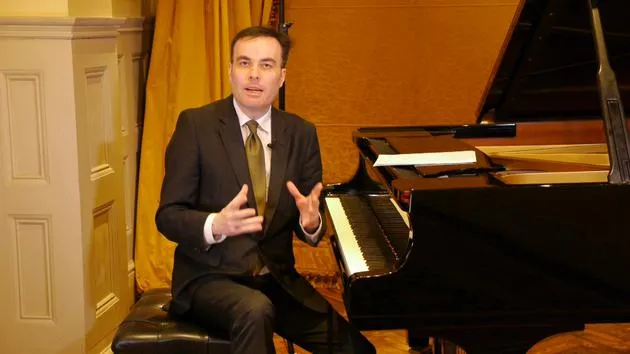
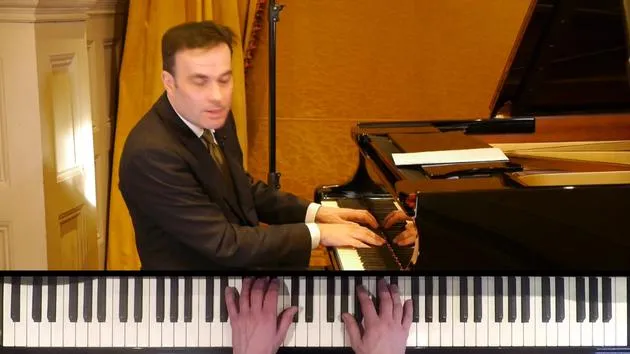
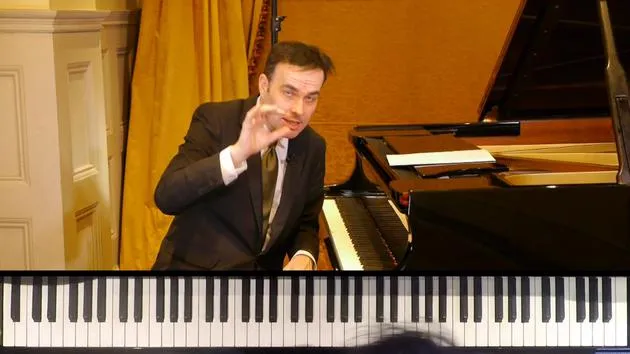
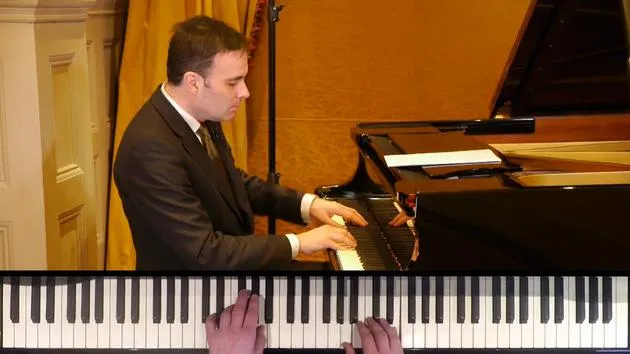
Nous avons fourni plusieurs pistes d'accompagnement pour que tu joues dessus. Andrew explique comment en tirer le meilleur parti
Le contenu du cours
21 leçons (1h 8min) · 1 gratuites
Transcription de la leçon
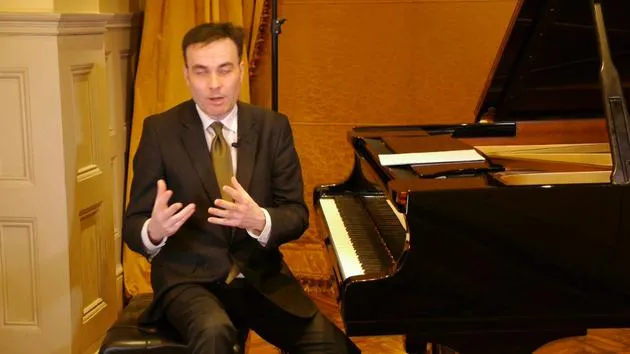
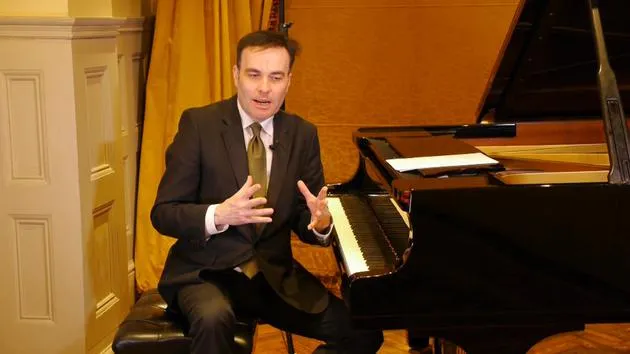
Introduction to Backing Tracks
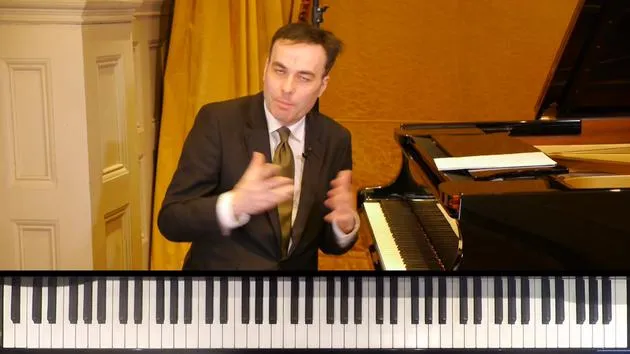
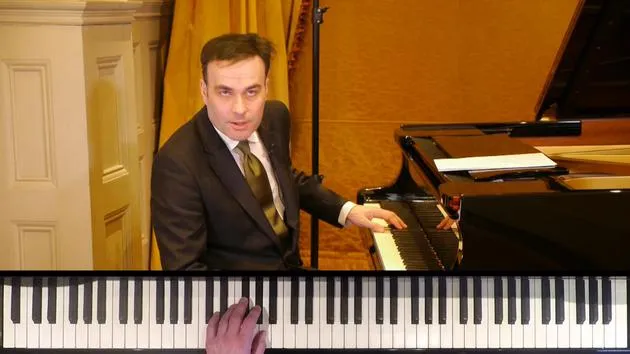
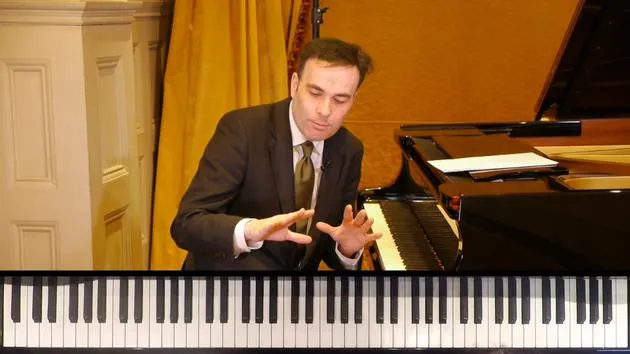
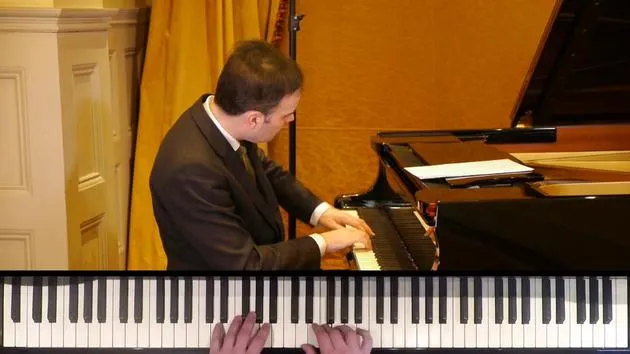
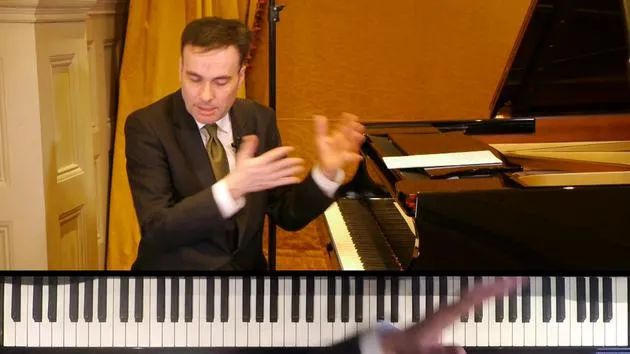
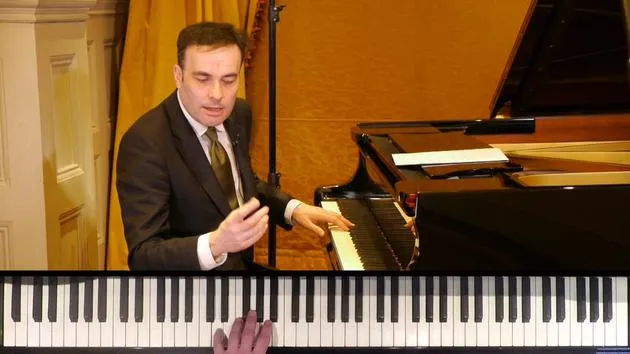
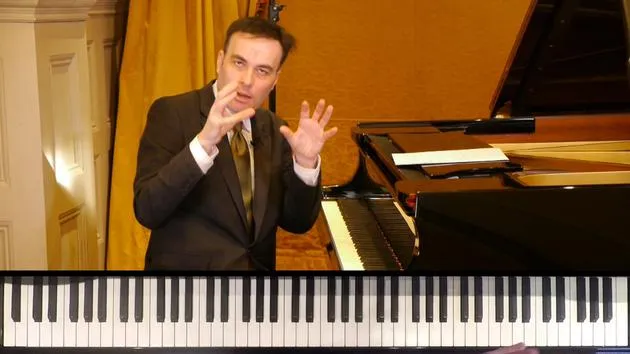
So here we are with the backing tracks, which will hopefully give you a lot of fun playing along using all the different improvisation techniques that we've talked about in this film.
Exploring Musical Styles
Each backing track is going to explore a different kind of musical style. The purpose of these tracks is simple:
- They will last two to three minutes.
- They provide enough time to listen and get into the style before you start playing.
Understanding Improvisation Techniques
At the start of each track, I will explain which aspect of the different improvisation techniques they apply to. This will help you:
- Get the right hand position.
- Think about the correct set of notes.
Hopefully, by playing along, you can transition from getting started, setting style, to performance, all within the same piece of music.
Reusing Backing Tracks
Of course, you can use the same backing track more than once to develop different styles yourself. These tracks are not just a one-time-only use.
Ways to Explore the Tracks
The great thing about playing along to a backing track is that you can use it in different ways:
- Explore one hand.
- Explore the pulse and the phrase at the same time.
- Experiment with the conversation between the two hands that we looked at.
- Delve into note clusters and layered chords that we were exploring in the second section.
- Apply the performance techniques we discussed.
Dynamics and Articulations
Think about:
- Dynamics.
- Different articulations.
This is exactly what it says on the tin. This really is a backing track that you can use as your musical backdrop and do anything with.
Hints and Structure
In the backing tracks, I will provide a few hints, which I won't articulate with words. Instead, I will:
- Shift the musical color every now and again.
- Throw in a different articulation.
- Introduce a slightly different shape of phrase.
- Add a few accents, and notice some off-beat accents.
These changes might slightly alter the flavor as we go through. You can choose to respond to them or not, especially if you're trying to develop two or more different techniques simultaneously.
Setting the Pulse
I'll start with the pulse to get it in your mind and feeling naturally before you begin playing. We won't worry too much about the time signature, but I will provide the counts and the pulse just before the music starts. This will help get that musical conveyor belt in motion!
21 leçons
1h 8m de leçons vidéo structurées
Fonctions vidéo avancées
Ralentissez, bouclez un passage, suivez la partition
Mobile, tablette et ordinateur
Pratiquez où vous voulez
Satisfaction garantie à 100 %
Garantie remboursement 30 jours







