Découverte des pédales
Lesson time: (3min 11sec)
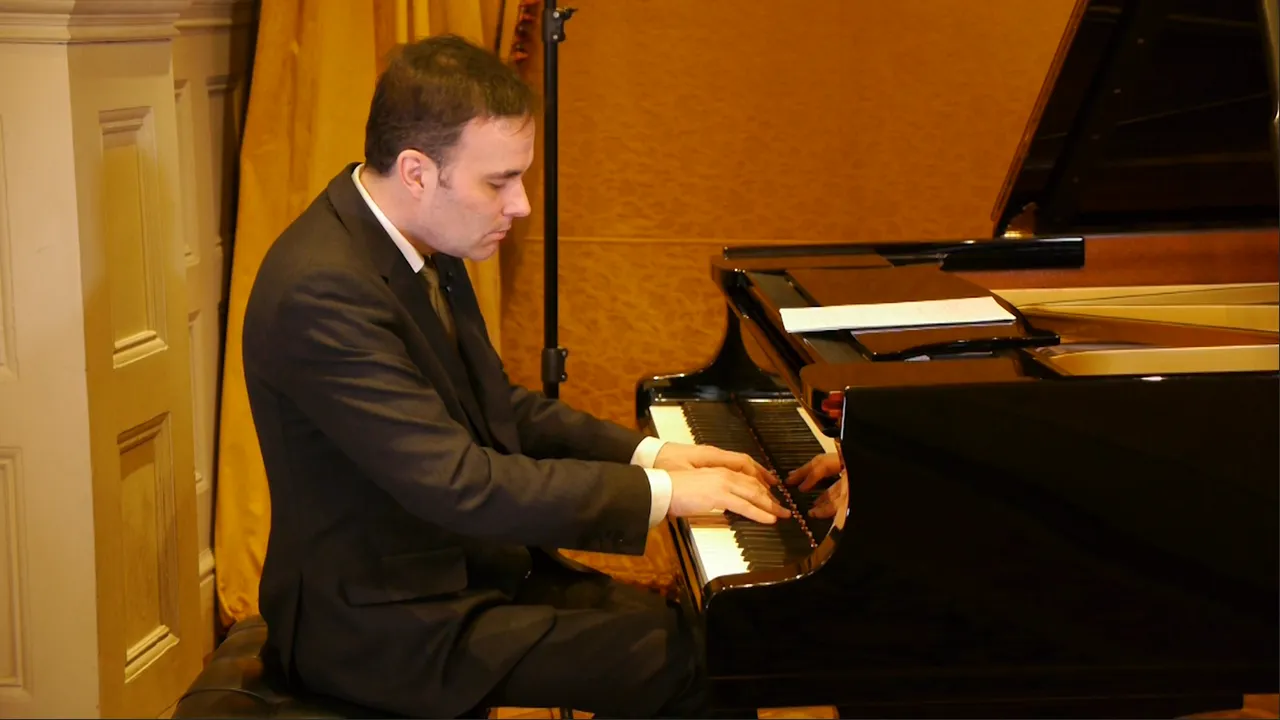
Une première approche des pédales du piano, en les utilisant comme un outil de couleur dans « Setting Sail » pour ajouter de l'articulation et du relief à ton jeu.
Course preview
This lesson is part of the course Apprends et prends plaisir au piano : une méthode fast track pour débutants et pianistes qui reprennent
Watch a preview of the full course below.
Lesson transcript:
The Use of Pedals in "Setting Sail"
In this section of Setting Sail, let's explore the use of the pedal. This is an important technique for developing as pianists. While we have our wonderful keyboard, the pedals also play a crucial role in our playing.
Introduction to Pedal Techniques
In traditional piano learning, pedal techniques are often introduced several lessons in. However, with this work, we can start using the pedals as a coloring tool right away.
- Layered Improvisation: We can take that layered improvisation we're experimenting with and use the pedal in time with the beats.
- Pedal Timing: You might consider using one pedal for every two beats. This adds a nice color to our sound.
The Right Pedal
For this exercise, we will primarily be using the right pedal, known as the sustaining pedal. Here's how to incorporate it:
- Foot Placement: My foot goes down for every two beats. This technique holds down some of the notes.
- Achieving Color: The goal is to hold down just enough notes to create a vibrant sound without overwhelming the layer.
The Left Pedal
Next, we have the left pedal, referred to as the unicorder. This pedal adjusts the keyboard slightly, causing the hammers to hit two strings instead of three (or one instead of two, depending on the instrument). Here's what to know:
- Variety in Sound: The left pedal gives us a drier sound, more spiky in terms of articulation.
- Experimentation: It can be held down for as long as you desire, adding a unique effect that complements our layered textures.
- Combined Use: You can also use the left pedal in conjunction with the right pedal to create a more veiled sound, enriching the color of your improvisation.
Experiment and Discover
Just as we explore hand positions, pedal usage should involve experimentation. Instead of just following instructions to use the pedal at specific points, we encourage spontaneity. Listen to the differences in sound and how the pedals can enhance what you're playing.
Conclusion
In summary, the guidance here should help clarify the role of pedals in your playing. For seasoned pianists, this may be familiar territory, but it's always beneficial to revisit the nuances of pedal technique.
So remember:
- Experiment with the pedals.
- Explore their capabilities to add color to your improvisation within Setting Sail.
Happy playing!