Enrichir la texture
Lesson time: (4min 28sec)
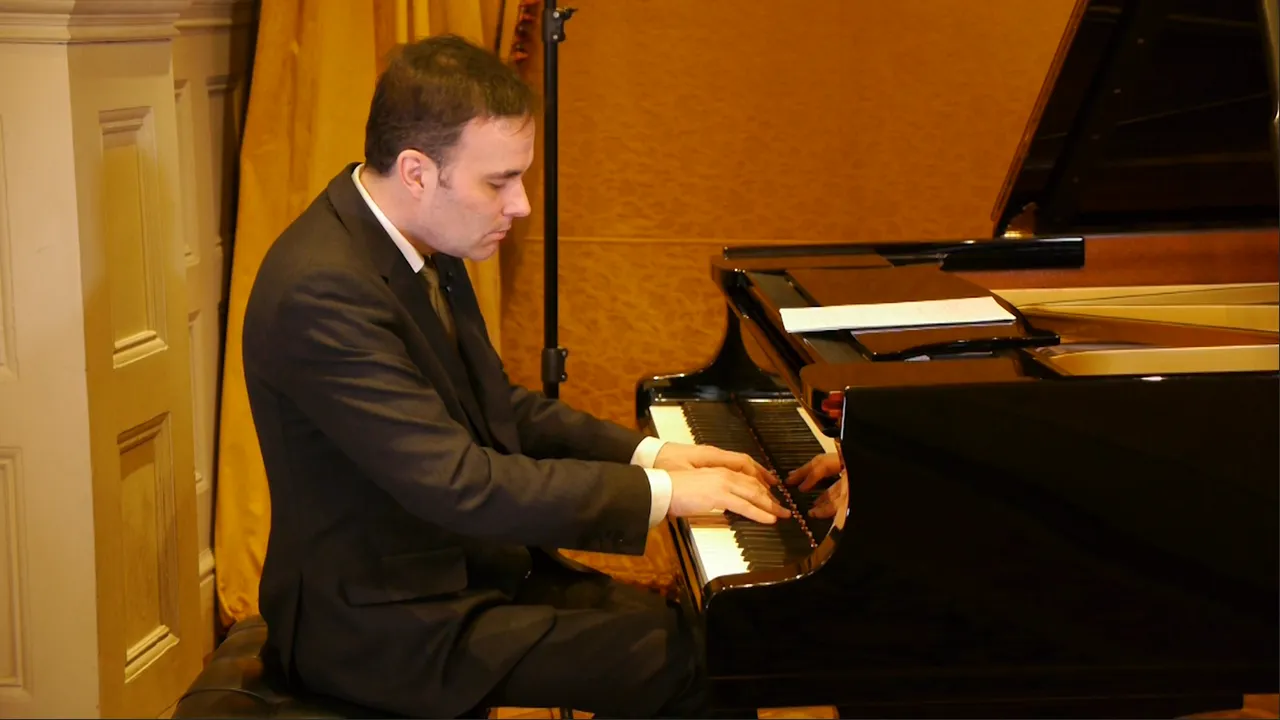
Andrew t'encourage à commencer à superposer des notes, élargissant la palette harmonique et de textures de tes improvisations
Course preview
This lesson is part of the course Apprends et prends plaisir au piano : une méthode fast track pour débutants et pianistes qui reprennent
Watch a preview of the full course below.
Lesson transcript:
Exploring Texture in Piano Improvisation
We're going to come now to a really crucial aspect of exploring, setting sail, and having more fun at the piano: texture.
The Piano's Versatility
One of the blessings of the piano is its versatility:
- It can be a melody instrument.
- It can accompany.
- It can produce amazing clusters of sound when we layer notes.
Getting Started with Improvisation
What I'm going to demonstrate now is another way to start an improvisation in the first section. We've been thinking about pulse hands and phrase hands, and hopefully, this will help eliminate writer's block.
"Oh, my goodness, how on earth could I come up with a tune? They've all been invented already."
This is a common feeling. Mozart invented most tunes, Haydn invented others, and all composers since, including jazz musicians and pop songwriters, have contributed. Yet, there are always different shapes and ideas we can explore.
Layering Sounds and Developing Chords
This approach might be particularly interesting if you feel that your created patterns haven't yielded a satisfying melody, or if you think they could be more interesting or varied.
- Start with a Pulse: We will begin with the same pulse as before, using one hand.
- Layer the Notes:
- Start with your thumb.
- It can be anywhere on the keyboard; it really doesn't matter.
- For note readers, you'll know the note; for those who aren't, that's okay!
Now, let's layer some notes:
- Start with your thumb and second finger.
- Add your third finger.
- While keeping the hand in the same position, change the combinations:
- Sometimes play three notes at the same time.
- Sometimes play two, or maybe even four.
- Take some notes out and add others.
Creating Texture and Melody
The interesting aspect of this exercise is that you are not only creating a nice texture, but you are also, perhaps without realizing it, crafting a really good tune.
"That tune didn't quite work when I tried to sit down and create it."
Just by using these layers, we arrive at a melody.
- As discussed earlier, you can develop this by stretching the hand:
- Bring the thumb down a note.
- Bring the fifth finger up a note.
- Explore it with both hands.
Experimenting with Different Colors
I highly recommend this layered approach to explore different colors in your music.
- You might find that your music sounds quite filmy.
- This method not only enhances your musical creativity but also helps develop your technique.
Try it out, and you'll start feeling great about the music you're creating!