



Section centrale
Avec
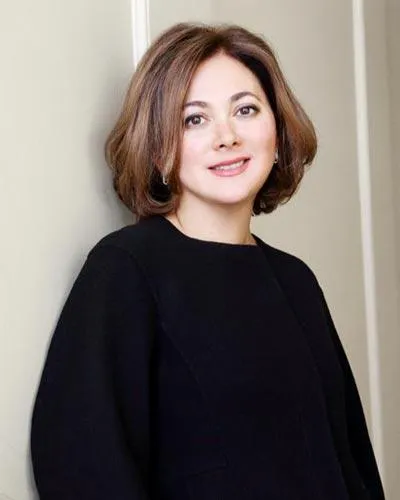
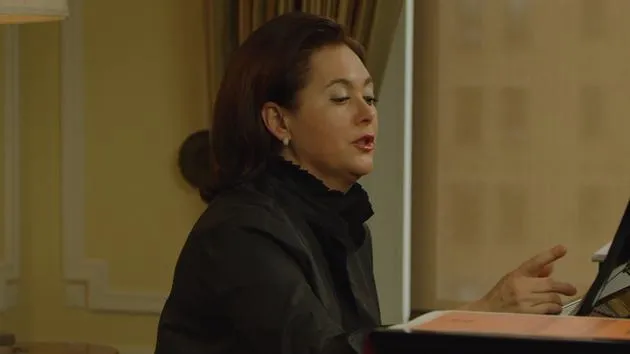
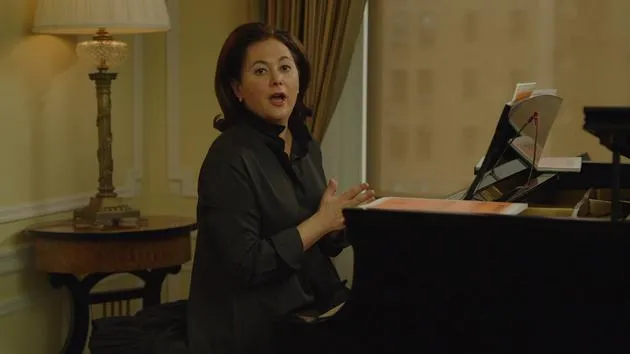
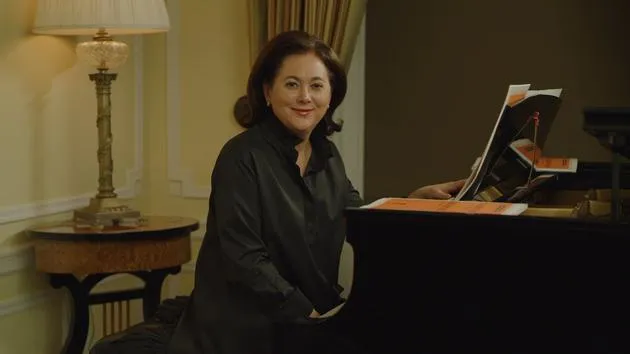
Julia ZilberquitJulia Zilberquit te guide à travers la section centrale de June: Barcarolle de Tchaïkovski, du thème berceur de type berceuse jusqu'à la vive danse allegro giocoso.
Le contenu du cours
27 leçons (1h 57min) · 1 gratuites
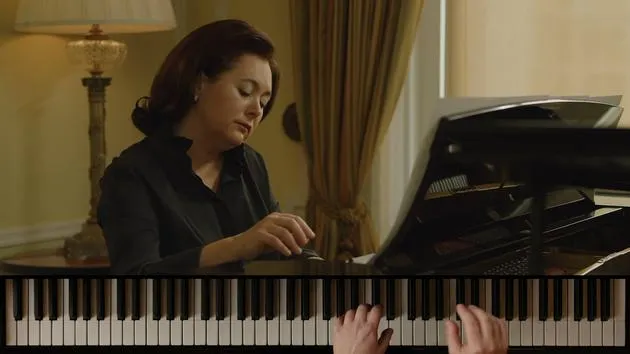
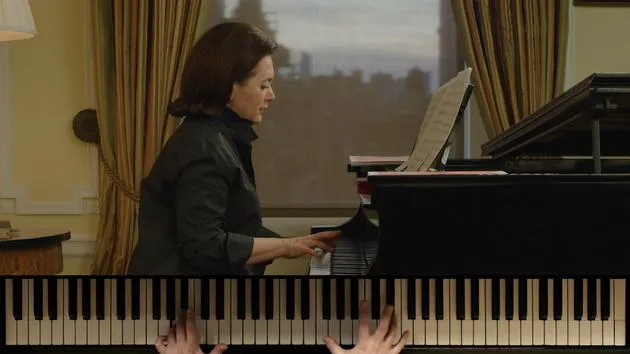
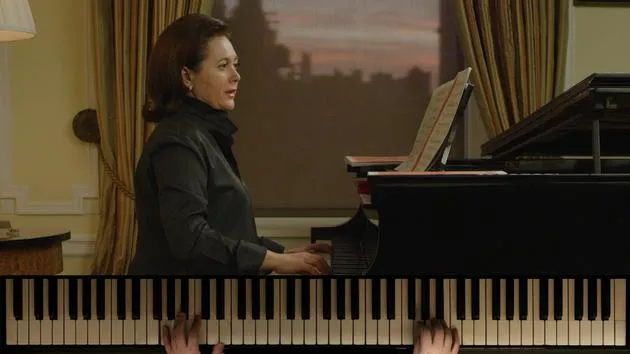
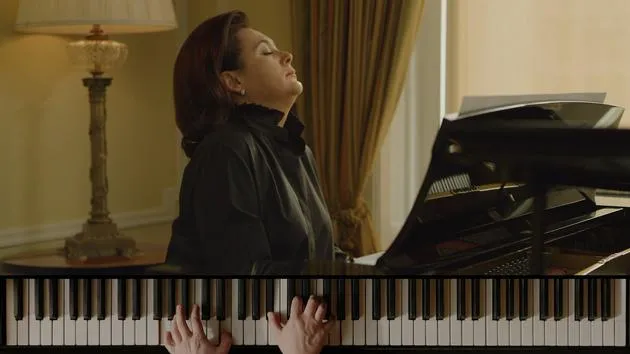
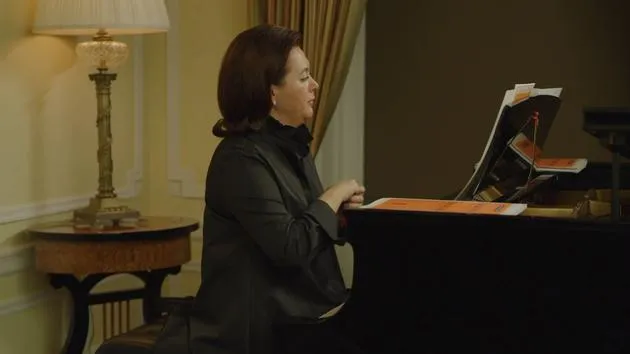
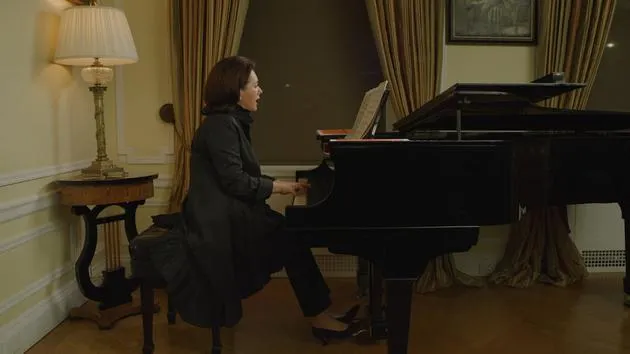
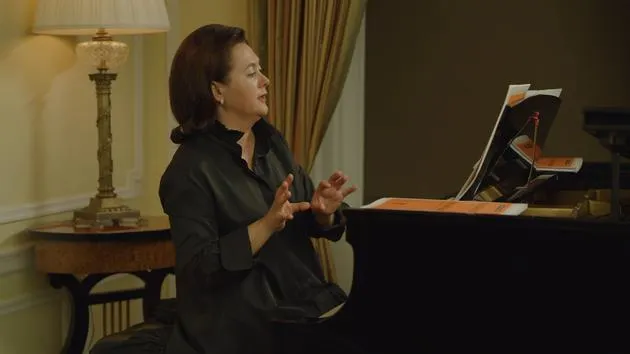
Transcription de la leçon
Music Lesson: Exploring Tchaikovsky's Work
Lullaby Feel and Wave Motion
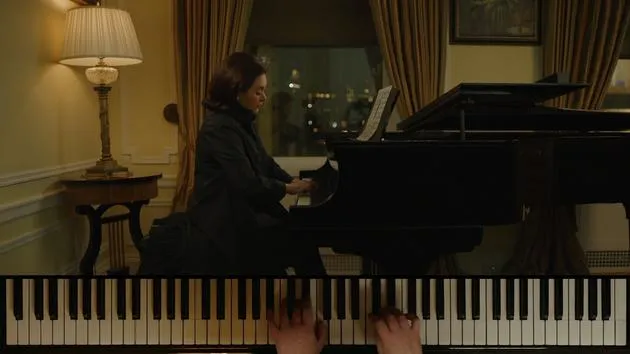
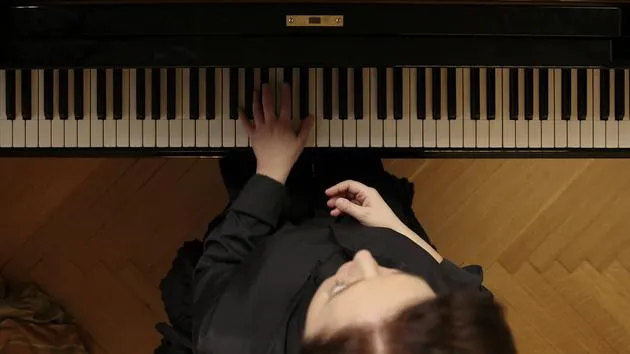
The first middle section, or subsection, really reminds me of a lullaby. Of course, there's a whole swaying of the waves or rocking of the boat.
Key Points to Remember
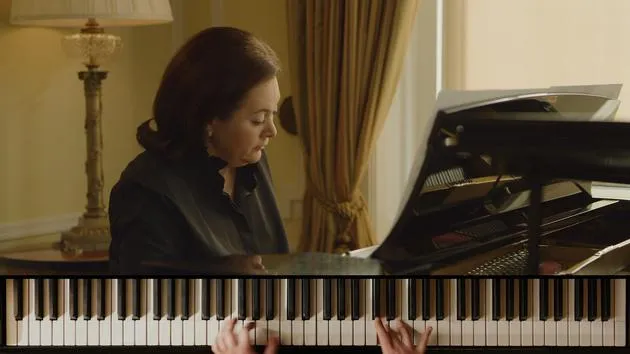
- The chords are not playing at the same time; they're taking turns.
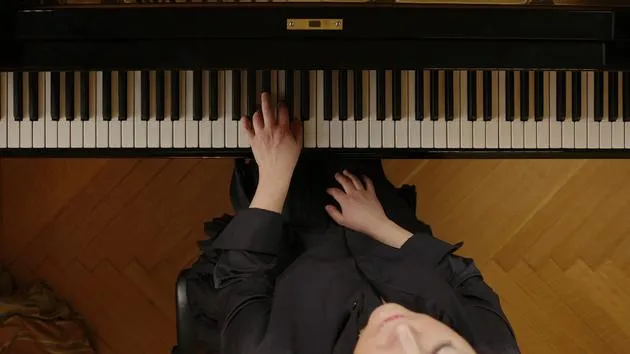
- It's very important that the hands are relaxed:
- Play with a relaxed ring wrist.
- Maintain quite a heavy wrist.
Focus on Melody
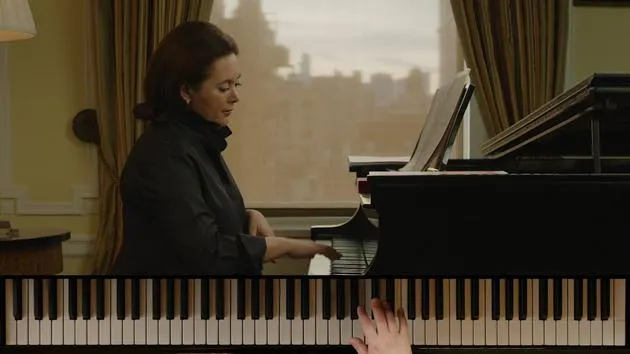
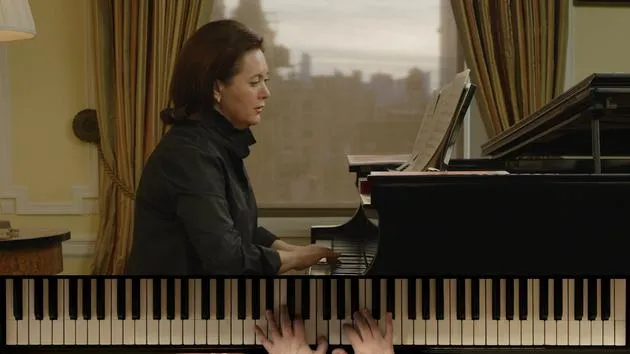
- Follow the upper voice, the melody in the thirds, to create a beautiful legato.
- It evokes a somewhat peaceful feeling, but that rocking hints at something's going to happen.
Syncopation and Anticipation
The second part of that subsection has beautiful syncopation in the left hand, anticipating what will happen next. Once you've conquered that little subsection, there is an allegro giocoso section, or as we like to call it, the dance.
Characteristics of Allegro Giocoso
- The allegro giocoso is fun, very light, and full of joy.
- This section was marked by Jorgensen, the first editor, but Tchaikovsky didn't mind it because it has a different character. It portrays a Russian dance.
Performance Suggestion
In measure 40, we have a forte on the first beat that can sound quite harsh.
- I suggest playing it in piano or mezzo piano, and starting forte from the upbeat to G.
Intonation and Thematic Elements
Tchaikovsky's choice of intonation here reminds me of a preview of coming attractions of September, which is the hunt. We all know that famous hunting sound.
- It's a dance, it's summer; and what's very important here is:
- Besides learning the separate hands, focus on the top melody.
- Allegro giocoso can be played a little faster or slower, but maintaining the character is vital.
The Dance of Celebration
Of the four pieces we're doing, this is undoubtedly the most fun part, full of lightness. It reminds me of a Russian dance and the feeling of celebration, after all, it's summer, filled with summer pagan traditions.
Building Expectations
In measure 47, starting from the second beat, it's nice to do a crescendo:
- Start with a subito piano and build up the expectation to a beautiful Cadenza.
- Go piano, piano, but ensure the top voice is heard with a very gradual crescendo.
Some people even incorporate a tiny accelerando, but it should be subtle, almost an illusion of accelerando.
The Harp Cadenza
Now, the famous cadenza is such a harp cadenza. Tchaikovsky, being a wise person, knows that many students want to rush here, but we need to start like we're actually moving into a chie rondo while performing the Ricci nutto he wrote out:
- It starts with eighth notes and finishes with quarters.
Fermata and Transition
There is a long Fermata, a long wait.
- We all know that Tchaikovsky loved the harp; every ballet features a harp solo.
Solo Dialogues and Dialogue Practice
Following the cadenza, we wait, and there's a famous cello section, a recitative. Tchaikovsky loved his solos in ballets which feature famous violin and cello solos.
- For example, his second Piano Concerto, although not as well known as the first, includes a second movement that resembles a trio for piano, solo violin, and solo cello, usually performed by the concertmasters.
Important Practice Notes
Once we do that very important Ricci nutto, we wait and then enter the third section:
- There will be an added left hand part.
- It's crucial to practice the dialogue here.
Practice Recommendations
- Focus on practicing the melody right and left together.
- Be mindful of the modulations in the next phrase.
Watch for measures 58 and 59: the left hand has this texture, and at the same place in measures 79 and 80, note that an extra note is added in the left hand.
- The dynamic plan will still be very similar to the first part.
27 leçons
1h 57m de leçons vidéo structurées
Fonctions vidéo avancées
Ralentissez, bouclez un passage, suivez la partition
Mobile, tablette et ordinateur
Pratiquez où vous voulez
Satisfaction garantie à 100 %
Garantie remboursement 30 jours
Rencontrez votre guru
Rencontrez votre guru
Née en Russie et américaine, la pianiste Julia Zilberquit a recueilli les éloges de la critique en tant que récitaliste, chambriste et artiste de disque. Elle a été saluée par The New York Times comme "une soliste exceptionnelle" après son interprétation au Carnegie Hall du poème symphonique Les Djinns de Cesar Franck pour piano et orchestre avec Leon Botstein et l'American Symphony Orchestra.
En 2014, Warner Classics a publié son CD Bach: Complete Solo Keyboard Concertos. Cet enregistrement présente la création de deux Concerti Grossi de Bach-Vivaldi arrangés par Mme Zilberquit pour piano et orchestre, et a été salué comme une "interprétation somptueuse" par le prestigieux Gramophone Magazine. Son arrangement du Concertino pour 2 pianos, Op. 94 de Chostakovitch pour piano et orchestre a été créé au Carnegie Hall ; elle l'a joué dans le monde entier avec un grand succès critique et l'a enregistré avec Vladimir Spivakov et les Moscow Virtuosi. Parmi ses autres enregistrements figure un disque solo, The Mystery of Bagatelles, publié par Naxos. Le CD a été salué comme une "interprétation superbe" par The Washington Post, et décrit comme un "programme audacieux, étincelant d'une clarté inhabituelle et d'une luminescence pointilliste" dans le Piano Magazine de Londres.
Ses récitals ont eu lieu dans de grandes salles de concert, notamment le Weill Recital Hall du Carnegie Hall de New York, le 92nd Street Y et l'Alice Tully Hall du Lincoln Center. Ses engagements dans de grands festivals internationaux de musique comprennent des apparitions à Seattle, Colmar (France), Klangbogen (Vienne), les "White Nights" de Valery Gergiev (Saint-Pétersbourg), les "December Nights" de Richter (Moscou), "The Palaces of St. Petersburg", le Bard Music Festival de New York et le Penderecki Festival (Pologne).
Originaire de Moscou, Julia Zilberquit est née dans une famille de musiciens. Elle est diplômée de la Moscow Gnessin School of Music et de The Juilliard School (classe de Bella Davidovich). Elle vit à New York avec son mari, son fils et sa fille.
Dans ce cours, elle puise dans cet art pour te guider à travers quatre mouvements des "Saisons" de Tchaïkovski - Mars, Avril, Juin et Octobre - afin que tu puisses toi-même façonner leur poésie et leur couleur au clavier.







