



Coda
Avec
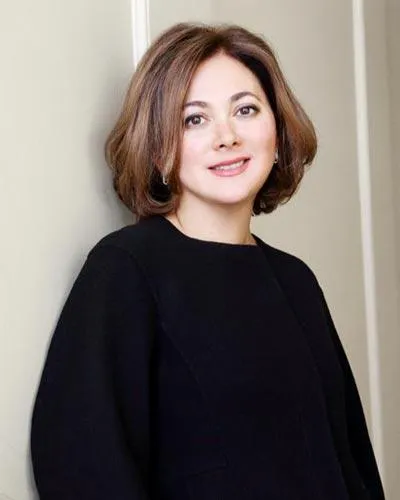
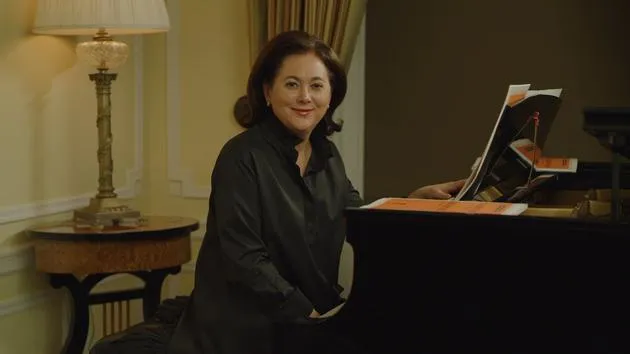
Julia ZilberquitJulia Zilberquit te guide à travers la Coda de 'June: Barcarolle' de Tchaïkovski : faire chanter les accords, tenir les notes graves et faire ressortir sa sonorité de ciel nocturne.
Le contenu du cours
27 leçons (1h 57min) · 1 gratuites
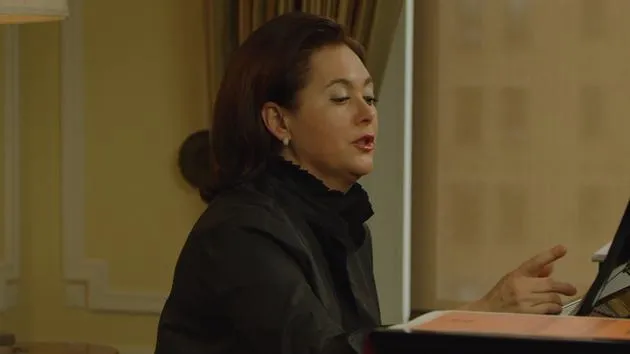
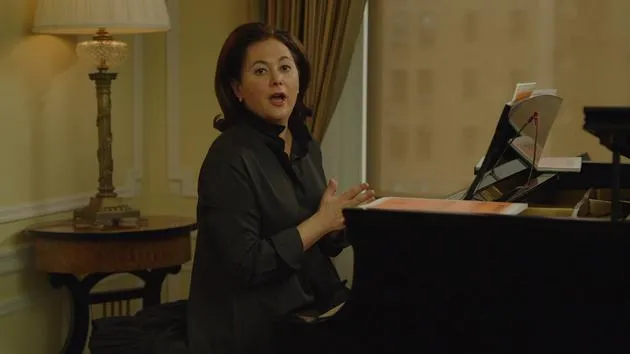
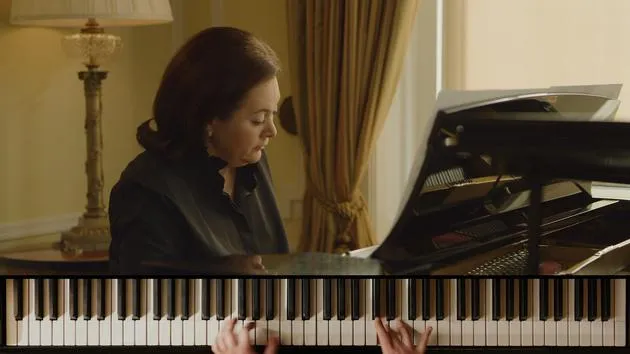
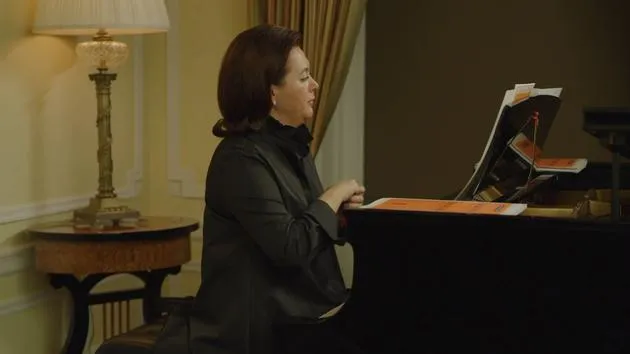
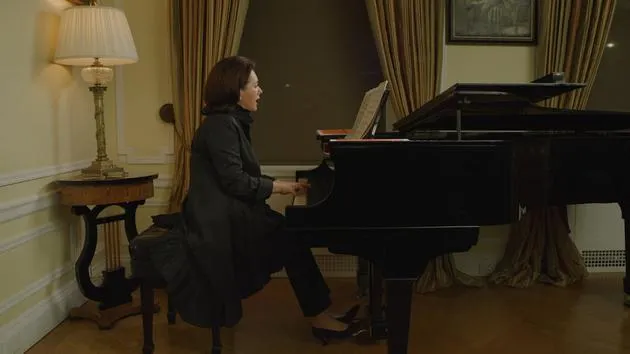
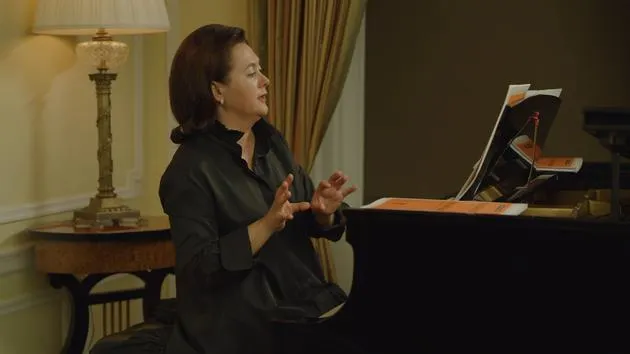
Transcription de la leçon
Koda Exploration
And then we arrive into the Koda.
If you remember the poetry that I wrote to you, it says it was a beautiful summer night and the stars were shining or gazing upon them.
Importance of the Stars
For me, it is very important to show those stars. And here they are, coming along in the lower register.
Students' Reaction
Now, some students become dazzled by this section for some odd reason. So, here's what I suggest we do:
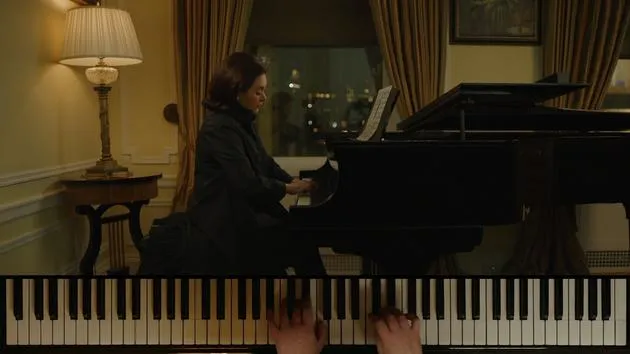
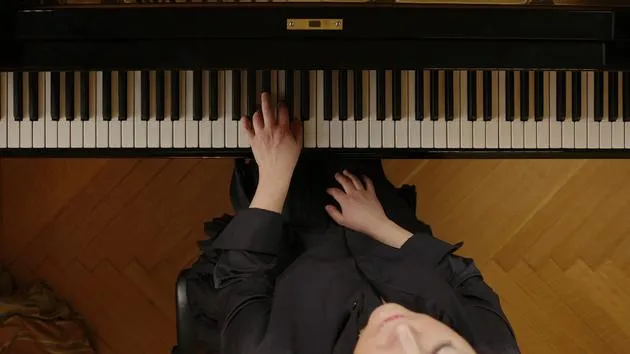
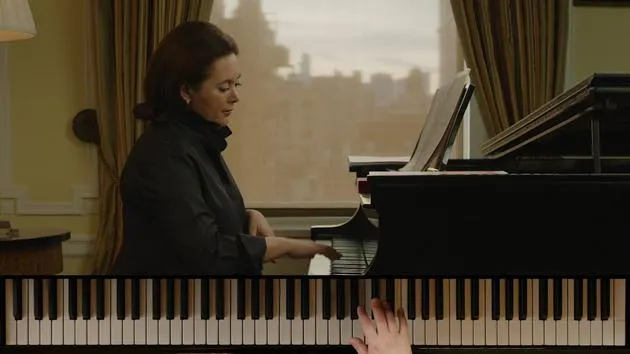
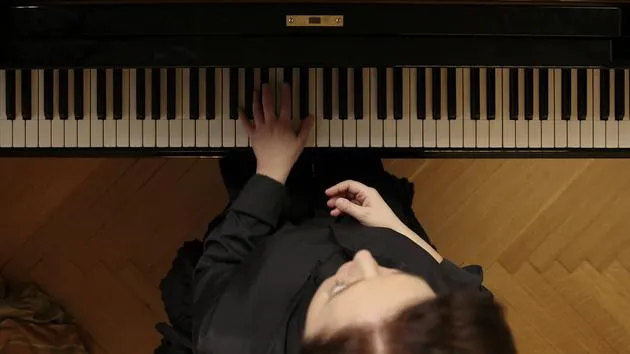
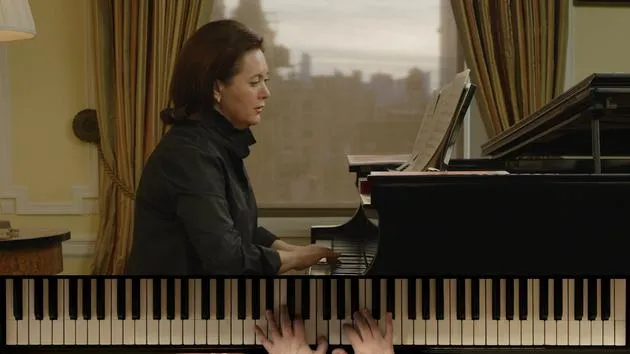
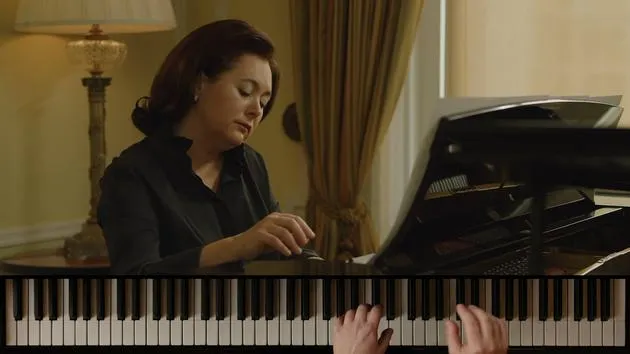
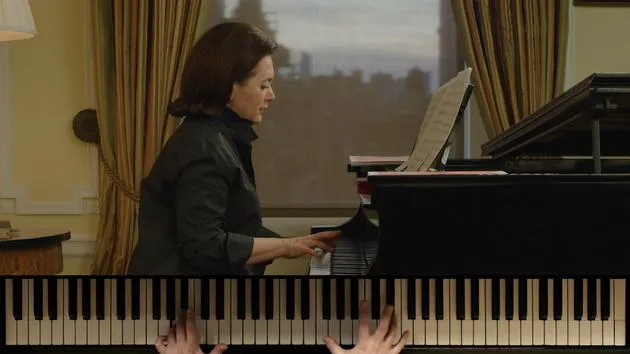
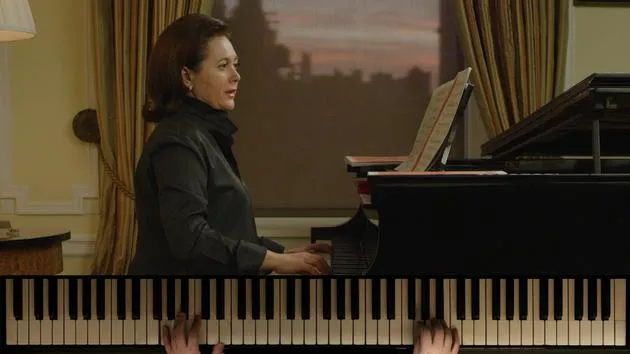
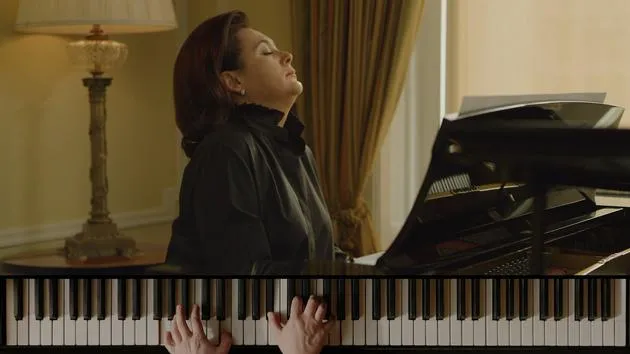
- Play the Chords: First of all, we play it as the chords, which is very useful. This will give you an idea of the hand position.
- Hold the Lower Note: We need to make sure that the lower note is held.
- Sonority of Notes: We always have a sonority of three notes or four notes. This is very important.
- Syncopation: There is some sort of syncopation as well.
- Beautiful Bass: I also want you to pay attention to the beautiful bass because it's holding it all together, and we need to hear this.
Measure 87 Insights
Now, there's a beautiful imitation. I want to also point out measure 87:
- First Edition: The first edition had an octave there instead of a second fifth.
- Tchaikovsky's Autograph: Tchaikovsky in his autograph had two fifths both times around.
- Common Practice: However, a lot of us play the octave in measure 87 just because we're so used to that. Both of them work.
Conclusion of the Koda
Now, we move to the conclusion of the Koda. The syncopated section reflects the first subsection , the so-called lullaby in the second part , which is this very soft double piano.
- Need to Hear the Line: I do need to know this; I need to hear this line.
- Crescendo: I would say it has a very small crescendo, and I do it just a little bit differently.
Arpeggiato Chords
As you see, there are nine G minor arpeggiato chords at the end. So I usually do it this way:
- Starting the Crescendo: I start the crescendo a little bit later, and then I do the diminuendo.
For me, this is such a quintessential sunrise.
Ravello Music Festival
I don't know; some of you probably know that there's a famous music festival in Ravello. It's called the Ravello Music Festival, and they have the most amazing thing , a beautiful surrounding.
- Sunrise Concerts: They have what is called the sunrise concerts. When people come to listen to the concert, it's dark. Slowly, the sun rises, and by the time the program is done, it's beautiful sunshine.
For me, this is such a beautiful ending of that summer night.
27 leçons
1h 57m de leçons vidéo structurées
Fonctions vidéo avancées
Ralentissez, bouclez un passage, suivez la partition
Mobile, tablette et ordinateur
Pratiquez où vous voulez
Satisfaction garantie à 100 %
Garantie remboursement 30 jours
Rencontrez votre guru
Rencontrez votre guru
Née en Russie et américaine, la pianiste Julia Zilberquit a recueilli les éloges de la critique en tant que récitaliste, chambriste et artiste de disque. Elle a été saluée par The New York Times comme "une soliste exceptionnelle" après son interprétation au Carnegie Hall du poème symphonique Les Djinns de Cesar Franck pour piano et orchestre avec Leon Botstein et l'American Symphony Orchestra.
En 2014, Warner Classics a publié son CD Bach: Complete Solo Keyboard Concertos. Cet enregistrement présente la création de deux Concerti Grossi de Bach-Vivaldi arrangés par Mme Zilberquit pour piano et orchestre, et a été salué comme une "interprétation somptueuse" par le prestigieux Gramophone Magazine. Son arrangement du Concertino pour 2 pianos, Op. 94 de Chostakovitch pour piano et orchestre a été créé au Carnegie Hall ; elle l'a joué dans le monde entier avec un grand succès critique et l'a enregistré avec Vladimir Spivakov et les Moscow Virtuosi. Parmi ses autres enregistrements figure un disque solo, The Mystery of Bagatelles, publié par Naxos. Le CD a été salué comme une "interprétation superbe" par The Washington Post, et décrit comme un "programme audacieux, étincelant d'une clarté inhabituelle et d'une luminescence pointilliste" dans le Piano Magazine de Londres.
Ses récitals ont eu lieu dans de grandes salles de concert, notamment le Weill Recital Hall du Carnegie Hall de New York, le 92nd Street Y et l'Alice Tully Hall du Lincoln Center. Ses engagements dans de grands festivals internationaux de musique comprennent des apparitions à Seattle, Colmar (France), Klangbogen (Vienne), les "White Nights" de Valery Gergiev (Saint-Pétersbourg), les "December Nights" de Richter (Moscou), "The Palaces of St. Petersburg", le Bard Music Festival de New York et le Penderecki Festival (Pologne).
Originaire de Moscou, Julia Zilberquit est née dans une famille de musiciens. Elle est diplômée de la Moscow Gnessin School of Music et de The Juilliard School (classe de Bella Davidovich). Elle vit à New York avec son mari, son fils et sa fille.
Dans ce cours, elle puise dans cet art pour te guider à travers quatre mouvements des "Saisons" de Tchaïkovski - Mars, Avril, Juin et Octobre - afin que tu puisses toi-même façonner leur poésie et leur couleur au clavier.







