Marvin Gaye - What's Going On

Avec
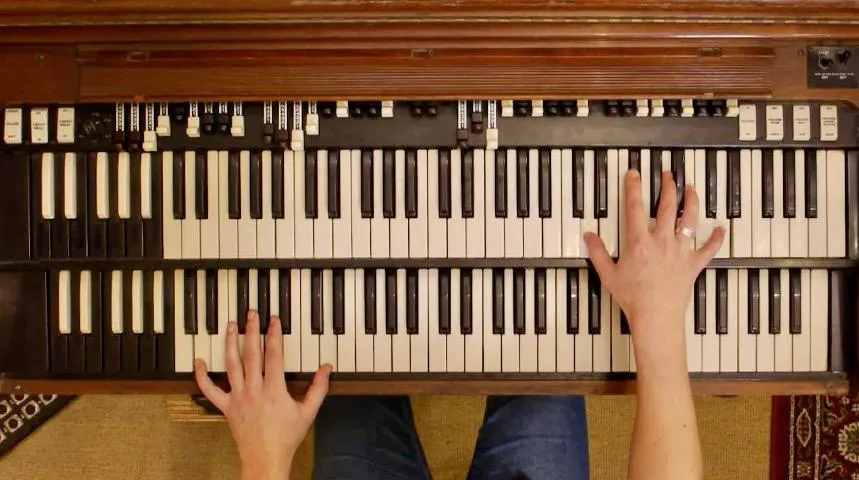
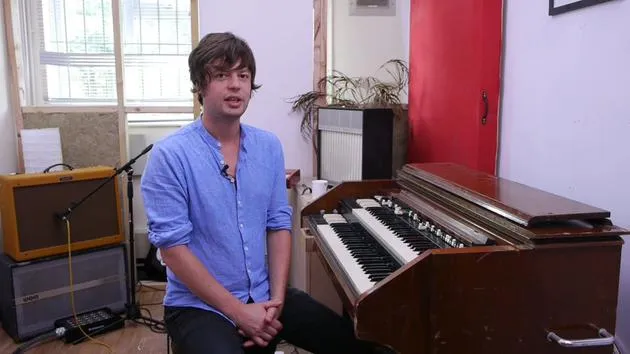
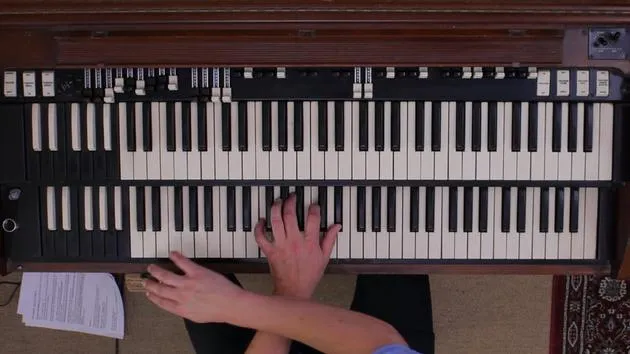
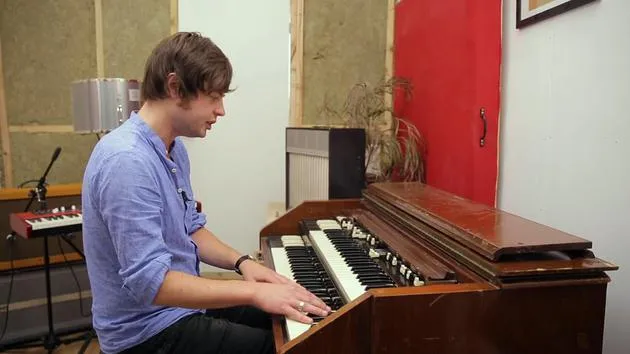
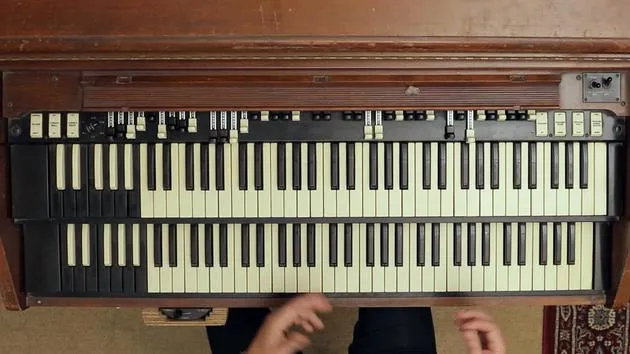
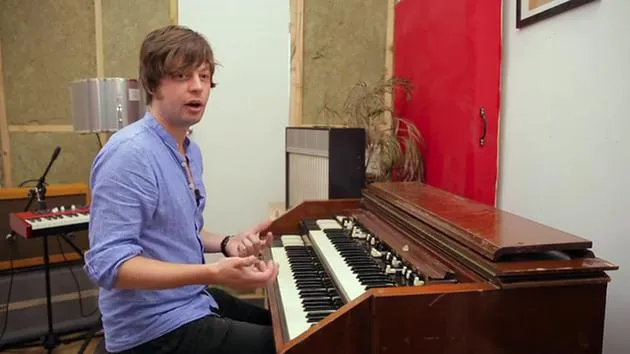
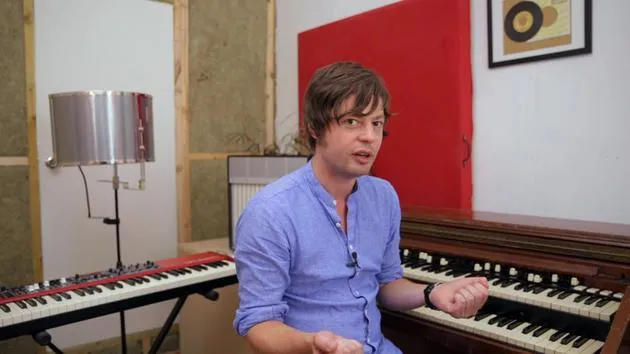
Joe GlossopJoe Glossop joue la mélodie de 'What's Going On' de Marvin Gaye à l'orgue Hammond, avec un son de tirettes plus fin inspiré de Jimmy Smith et Jimmy McGriff.
Le contenu du cours
24 leçons (2h 18min) · 1 gratuites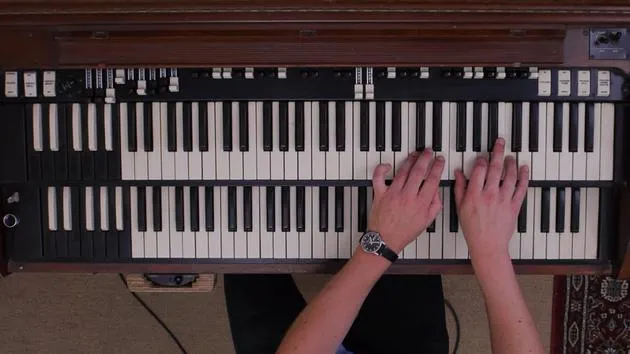
01. The Funk Brothers - How Sweet It Is (interprétation - vue clavier)
1:42
02. The Funk Brothers - How Sweet It Is
8:51
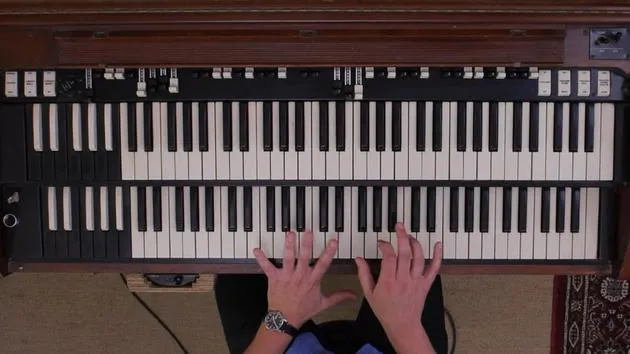
03. Marvin Gaye - What's Going On (interprétation - vue clavier)
1:54
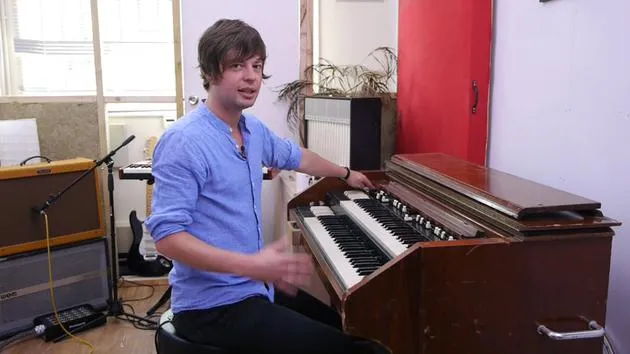
04. Marvin Gaye - What's Going On
Tu es ici8:49
05. Carole King - You've Got A Friend (interprétation - vue clavier)
1:51
06. Carole King - You've Got A Friend
8:22
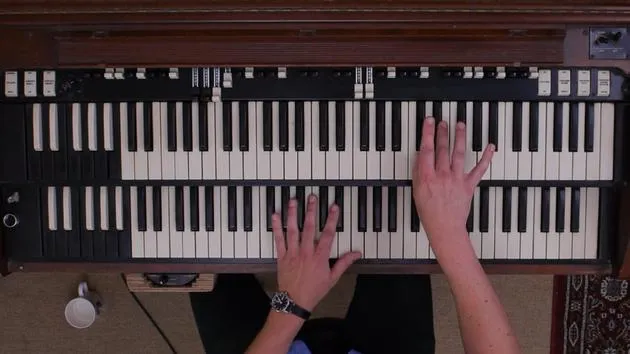

Transcription de la leçon
Music Lesson: Exploring Melodies with a Thinner Sound
Okay, so moving on from that tune by the Funk Brothers, we're going to use a similar technique to play some very well-known melodies and take that a little bit further.
Introduction
I've chosen a couple of things that, as keys players, you might be very familiar with, big pop and soul songs with very famous melodies. We had a very full sound in the last tune; this time, we're going to use a much thinner sound.
Influences on Sound
You might have heard Smith and Nathan McGriff use similar sounds. I recommend checking out:
- Jimmy Smith album: Jimmy Smith Plays
- Jimmy McGriff track: MG Blues
These include incredible improvisation using this sort of tone. However, for our purpose, we're going to focus on a melodic approach.
The Tune
So the first tune we're exploring is "What's Going On." Everyone knows it, so I don't need to introduce that. I have a good way of playing it in a fully voiced, melodic manner.
Playing Technique
- I've used two very different contrasting tones and approached them very differently.
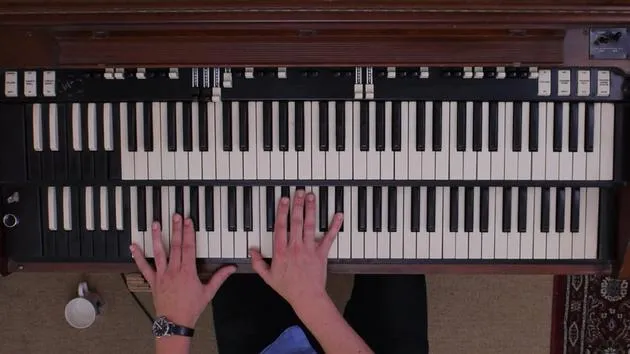
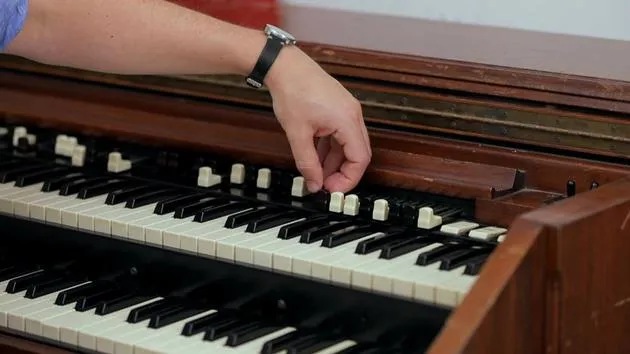
- For the main melody, I have the set of drawbars in B flat depressed, which selects that set.
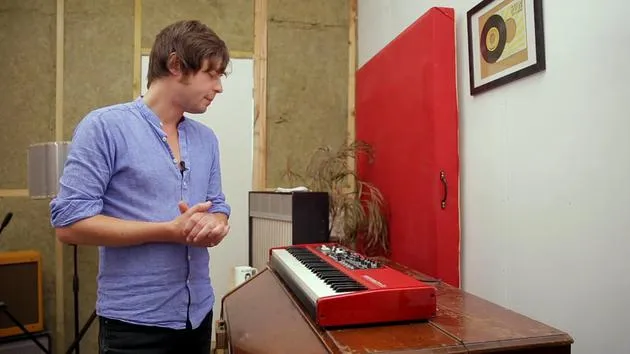
If you had your Nord or whatever keyboard and had set drawbars, it would be the same thing. I haven't applied any vibrato, but you could use it for that extra shine, creating a more compressed and bright attack. However, the tone I'm using is smoother.
Melody Breakdown
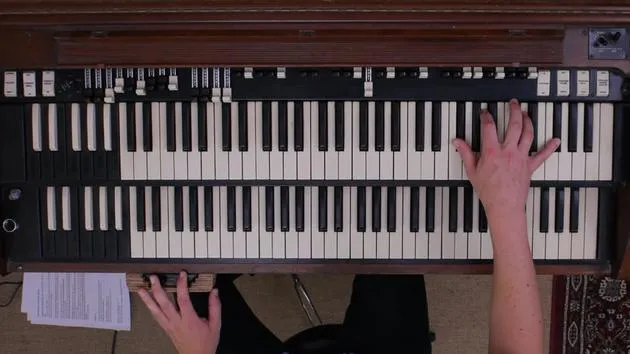
- The melody is fully voiced, starting on F: 6, 3, 5, 6.
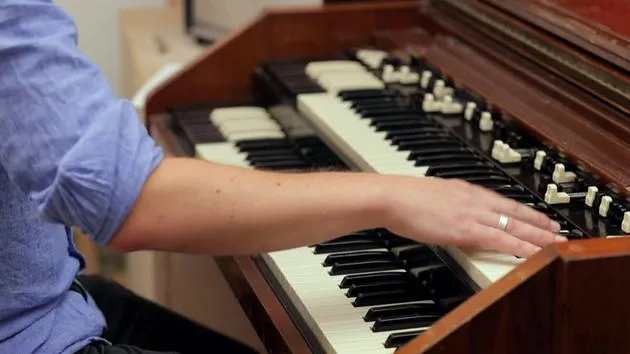
- Rolling up to those bottom notes with the left hand, I'm answering that with a completely different tone.
- Incorporating some percussive techniques carries it along.
Chord Progression
- The second chord goes to D minor (alternating between G minor and D minor).
- The melody I'm thinking of is more aligned with Donny Hathaway's version, which has its own unique phrasing, distinct from Marvin Gaye's version.
Lyrics Reference
Here we pass F sharp on the way up to G, leading up to the lyrics:
"Picket lines and picket signs."
The bridge of the song includes:
"You've got to find a way."
Performance Tips
- Keep that F in your mind as you're playing.
- We haven't got the bass in because we're using it up here.
- Play it once more, just a bit slowly and rolling it, this can be quite engaging.
Section Transition
Moving on to the B section, I've switched to a much thicker tone. It has a different effect than the thinner tone, but I really like the contrast it provides.
Further Playing
- The line: "Picket lines, picket signs" is central here. Imagine the G without the bass to put it in context.
- At one point, I flicked the Leslie while holding that phrase at the end of the bridge and the chorus.
Conclusion
That's the tune! It's a very cool song, as we all know. The key point here is that you don't always need to rely on typical Hammond sounds. People often get trapped in thinking Hammond has to be Jimmy Smith, which is great, but there's another way to approach these types of songs.
Recommended Artists
Consider looking at:
- Billy Preston
- Cyndi Lauper
- EL Van Dyke
Having that in mind, let's move on to one more of these, "You've Got A Friend," originally by Carole King.
24 leçons
2h 18m de leçons vidéo structurées
Fonctions vidéo avancées
Ralentissez, bouclez un passage, suivez la partition
Mobile, tablette et ordinateur
Pratiquez où vous voulez
Satisfaction garantie à 100 %
Garantie remboursement 30 jours
Rencontrez votre guru
Rencontrez votre guru
Joe Glossop est un claviériste de Sheffield qui s'est fait un nom à l'orgue Hammond. Il occupe actuellement le poste d'organiste dans le groupe de tournée de Tom Jones, et a joué avec Van Morrison et James Hunter, ainsi qu'au piano et au Rhodes. Ses cours permettent de tirer le véritable son Hammond de n'importe quel clavier : le réglage des drawbars, le Leslie, la basse walking à la main gauche, et le vocabulaire d'accompagnement et de solo des traditions de l'orgue soul-jazz, blues et rock, de Jimmy Smith à Booker T.