



Componer y arreglar para vientos
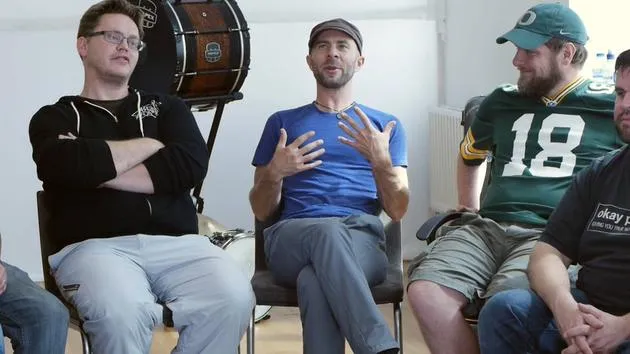
The Youngblood Brass Band comparten su enfoque de ensayo y error para componer y arreglar para vientos: encontrar el registro y el punto óptimo de cada instrumento.
Qué incluye el curso
8 lecciones (1h 4m) · 1 gratis
01. Componer y colaborar
11:54
02. Cómo se escribieron los temas más famosos de Youngblood
8:33
03. Elegir temas para álbumes o directos
6:18
04. Cómo abordar las versiones
8:12
05. Cómo reconocer una "buena idea"
Lección gratis4:44
06. La estructura y cómo convertir ideas en una pieza terminada
8:15
07. ¿Qué es una idea?!
4:17
08. Componer y arreglar para vientos
Estás aquí12:18
Transcripción de la lección
Unique Approaches to Writing for Horns
Well, we write for horns way differently than most people. But I think, you know... Nat can talk about it.
The Process of Arranging for Horns
It's just kind of trial and error. Just try it out. You can go to school and spend $120,000 on an education at a conservatory with the best arranging teacher and still not be able to write a song.
For arranging for horns, you need to:
- Understand the Range: Find out what the range is of the instrument.
- Discover the Sweet Spot: If you know the player, find out their sweet spot range.
- Experiment: Just try it.
No one can teach you how to really compose or arrange. It really has to come from you.
Arranging Techniques
- About the Instruments:
- Trombones like to be spread apart.
- Trumpets sound good clustered.
- Saxophones sound good in thirds, but can also be clustered.
Avoid writing melodies for a saxophone or trumpet in the low range; you won't be able to hear it. There are typical ways to arrange for horns, especially in dance music, but what works for your song might be completely different or counterintuitive.
The biggest problem is when people think there's only one way to arrange for horns. They often say, "We need horns on this," but if that's the mentality, you might as well use a synthesizer and save the money.
The Influences of Nat and Brother
This is one of the real reasons why Nat and his brother, who were digging through record crates at 12 or 13 years old, found a band full of brass, specifically the New Orleans Dirty Dozen Brass Band. When they listened, they realized brass instruments are used in a way not typically employed in many genres.
We're an unusual band, and we often get feedback after shows. One common comment is, "Why don't you cover more Kool & The Gang or Chicago?"
- A Big Distinction:
- They're a horn section band; we have to cover every instrument's role in our music.
- Our horn players need to do more than just punctuate vocals; they must embody the essence of the entire band.
Musical Risks
What's exciting about playing songs that already have iconic horn parts? It poses no musical risk. When we cover a tune with a well-known horn section, that part usually gets cut first in my arrangement because it's the least essential.
- We are about creating a cake, not just icing it.
- Mostly, it's just cakes.
Encouragement to Innovate
If this session is mainly for brass bands or any band, think a bit outside the boundaries of what you think instruments can do. For instance, sometimes in a studio session, someone might request "fluttery saxophone stuff," and I'm like, "Really? That's all you've got?"
- Options for Instruments:
- Three guitars in a band could harmonize instead of just strumming chords.
- Horns can be more than just an Earth, Wind & Fire punch.
I like how in the new Youngblood record, we focused on getting the horns to create sounds in ways that are not typical. In a track called "The Plan," there are reed pops that function like percussion.
Listening for Innovation
When you start writing in a genre, listen extensively to that genre, as we all did when originally attempting to be a brass band. Eventually, to innovate, you have to stop immersing yourself in just that genre.
If you want to write something unique for tuba, listening exclusively to tuba music won't help. Instead:
- Master the Basics: Learn what exists in the genre.
- Seek What's Missing: Discover what's lacking that you want to bring.
A Note on Personal Preferences
Just as a side note, I (Tom) am not a fan of drum solos. Nothing is less interesting than drums by themselves unless they're creating a conversation with other instruments.
- I prefer drums over a vamp or in trading with horn players.
- Generally, all instruments sound better when accompanied.
Final Thoughts
During a discussion about why we don't just copy other successful bands, it's clear that while shiny horns and flashy moves grab attention, not everyone has the ideas necessary to utilize them effectively.
Our band may not be the most visual, but we are committed to originality and innovation. Yes, it might seem cooler to see a guitarist rocking out, but we're bringing our unique contributions to the musical landscape.
Can I get a whammy bar for my cherry red Stratocaster?
Conclusion
Ultimately, we are about creating something meaningful in our music ? cakes, not just icing.
8 lecciones
1h 4m de lecciones en vídeo estructuradas
Funciones de vídeo avanzadas
Ralentiza, repite un pasaje, sigue la partitura
Móvil, tablet y ordenador
Practica donde quieras
Garantía de satisfacción 100%
30 días de garantía de devolución
Conoce a tu gurú
Conoce a tu gurú
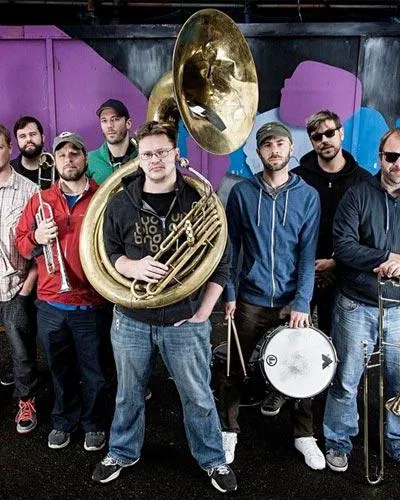
Youngblood Brass Band fusiona los metales sin concesiones de Nueva Orleans con la energía y el lirismo del hip-hop. Procedente de Madison, Brooklyn, Minneapolis y Chicago, este grupo de diez integrantes ha girado por todo el mundo desde 2000 y ha colaborado con figuras como Questlove y Talib Kweli. Se sienten igual de cómodos liderando una banda de marcha con sus propias composiciones que encabezando un festival de punk. En MusicGurus desglosan su sonido que mezcla Nueva Orleans y hip-hop: cómo componen y arreglan para los metales, el vocabulario rítmico y armónico que lo mantiene todo unido, y cómo tocar una línea de viento como parte de una sección compacta, incluidas las partes completas de su tema 'Brooklyn'.







