



Improvisación: ¿qué es?
James explica qué es realmente la improvisación (tocar algo que no está escrito) y por qué merece la pena desarrollarla aunque los grados te den solos escritos.

Qué incluye el curso
32 lecciones (2h 17m) · 1 gratis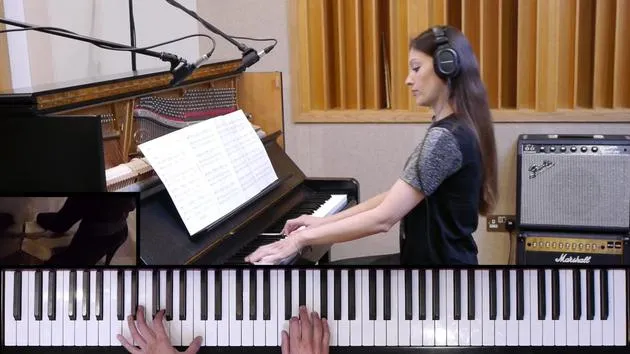
01. Unfaithful, Rihanna (interpretación)
Lección gratis1:40
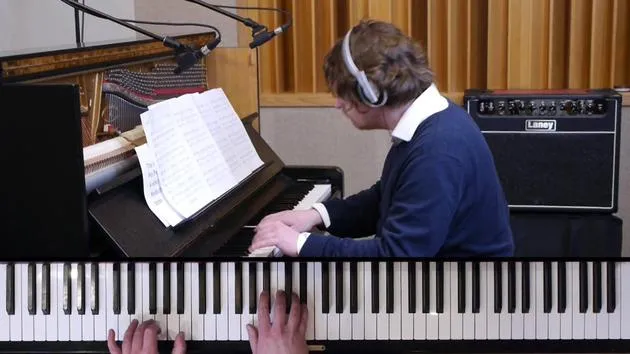
02. Unfaithful, Rihanna (Interpretación de Jono)
1:35
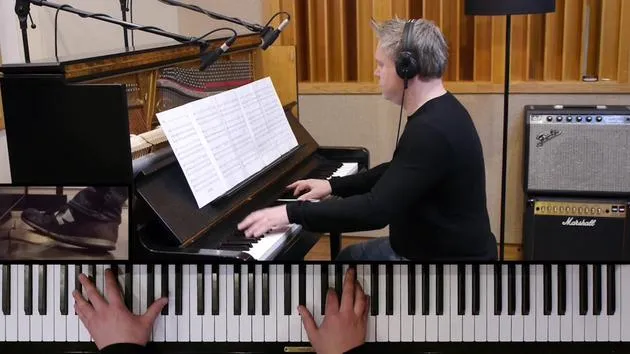
03. Skyfall, Adele (Interpretación)
4:54
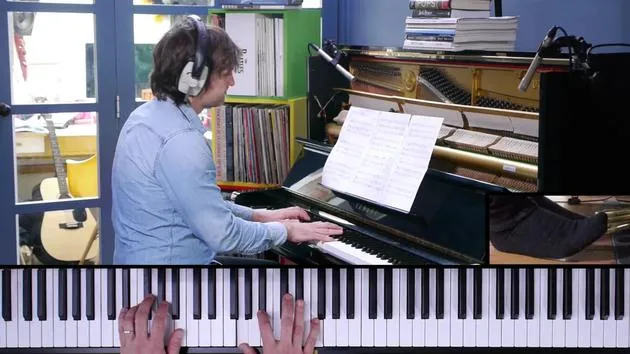
04. The Dock Of The Bay, Otis Redding (interpretación)
2:19
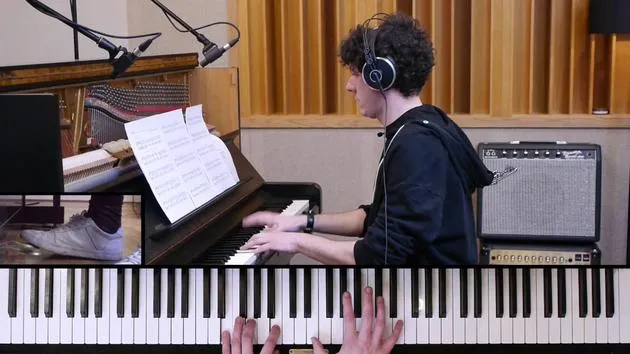
05. Overrated, Bob Graceful & Kung Fu Drummer (Interpretación)
2:06
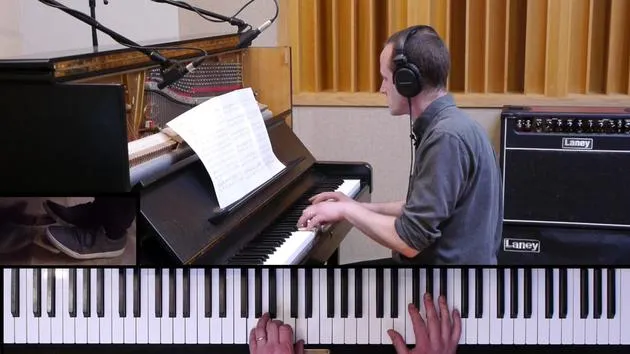
06. Reggae Island, Noam Lederman (Interpretación)
1:59
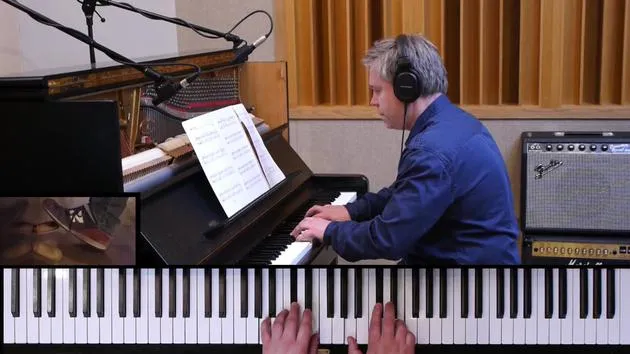
07. Maiden Voyage, Joe Bennett (Interpretación)
2:05
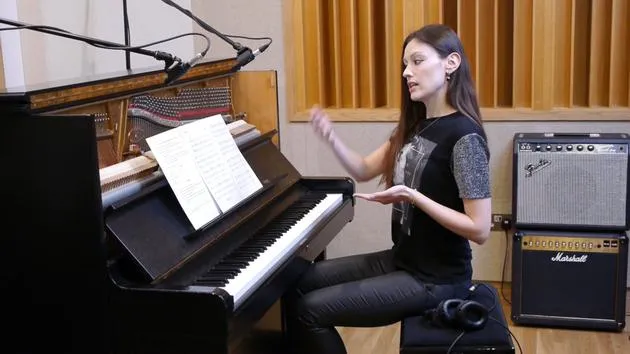
01. Unfaithful, Rihanna (lección)
7:19
02. Unfaithful, Rihanna (Lección de Jono)
8:00
03. Skyfall, Adele (Lección)
8:49
04. The Dock Of The Bay, Otis Redding (Lección)
13:50
05. Overrated, Bob Graceful y Kung Fu Drummer (Lección)
10:10
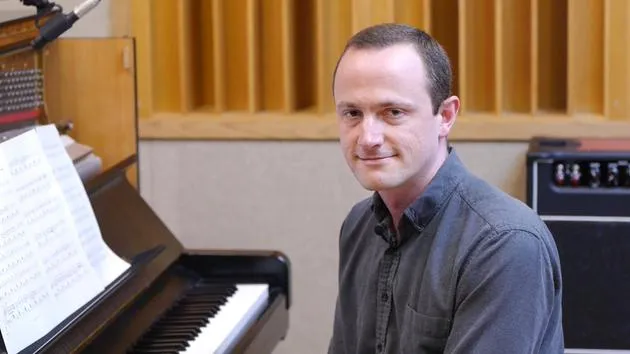
06. Reggae Island, Noam Lederman (lección)
12:38
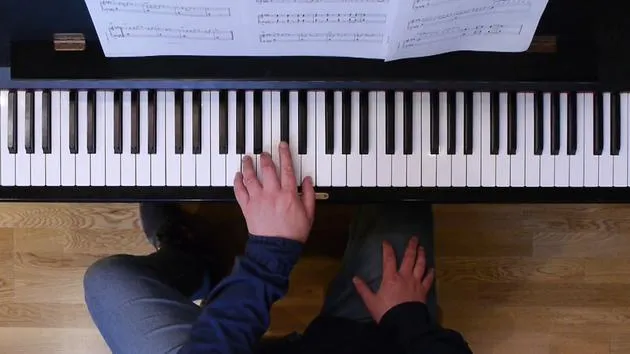
07. Maiden Voyage, Joe Bennett (Lección)
5:33
Transcripción de la lección
Improvisation in Music
Hello, this is James, and today we're going to talk about improvisation.
What is Improvisation?
Now, improvisation sounds like this big, scary thing that you probably don't know much about, but actually, it's simply the idea of:
- Playing something that's not written down
- Creating something you made up
Understanding Rock School
Within Rock School, a lot of the grades for piano and keyboard don't have improvisations that you can do yourself; you have to play written out solos.
- This is great, but as a musician who's developing their own sound and language and looking to play with other people, it's really important to develop your own sound and your own voice.
Through these videos, I'm going to guide you from the basics up to developing a confident and simple way of approaching improvisation.
Example of Improvisation
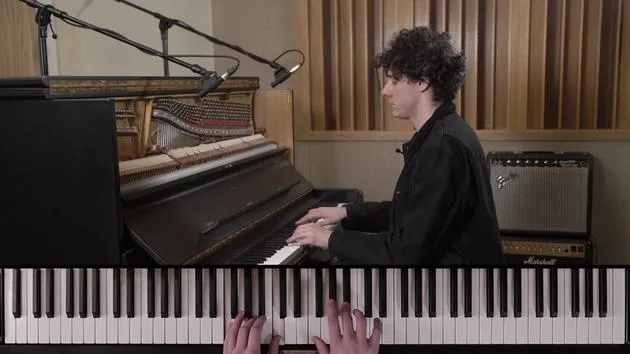
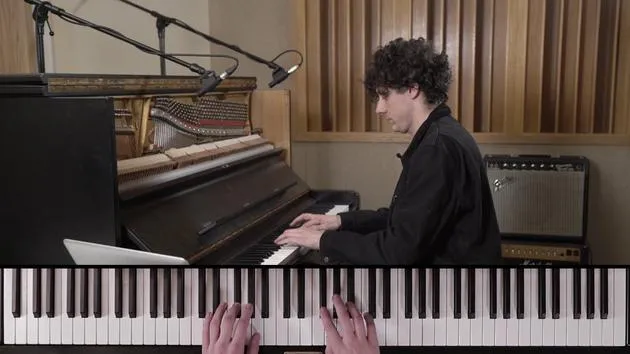
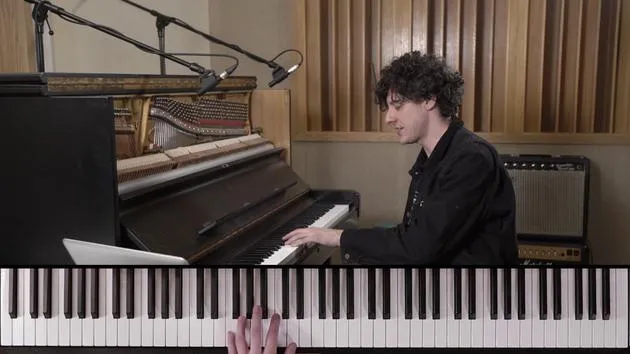
I'll show you what improvisation is by playing, recording, and improvising something on top of it.
That wasn't something which I rehearsed or read; it was something that came out of my head. This is basically what improvisation is.
Working with Chords
Within the Rock School grades that we're working towards, there are pieces with chords above them. These chords represent the harmony that is written within the piece.
- Although for the exams you'll be playing music that's already written down, it's a great exercise to practice playing the chord tones of the harmony of the piece of music you're working through.
Example: C Chord
With a C chord, for example, you may have something written on top of it in the score. But there's no reason why, with the backing track you've been given within the Rock School grades, you can't play your own thing and explore and create using the template provided.
Role of the Improviser
As an improviser, it's our job to:
- Play the harmony given out by the rest of the band
- Play chords, scales, and solos on top of the bass and drums that are laying it down
There's a sequence of chords that typically happens with each piece. I'm going to show you how to approach playing all these different chords and the different harmony on top.
Developing Your Sound
Your job as an improviser is to take the harmony. For example:
- Two bars of A minor
- Two bars of D minor
And develop something interesting over the top of this.
What we have is a sequence of chords telling a story and creating something interesting, and we're trying to express ourselves personally over this.
Conclusion
This all may seem fairly intimidating. However, with some practice and by following the exercises I show you, you can go from being a beginner improviser to sounding confident and skilled in no time!
32 lecciones
2h 17m de lecciones en vídeo estructuradas
Funciones de vídeo avanzadas
Ralentiza, repite un pasaje, sigue la partitura
Móvil, tablet y ordenador
Practica donde quieras
Garantía de satisfacción 100%
30 días de garantía de devolución







