



Lectura a primera vista con el método "KAT TRAP"
James comparte su método 'KAT TRAP' para abordar la lectura a primera vista, una destreza clave para el examen de Rockschool y para cualquier pianista profesional.
Qué incluye el curso
29 lecciones (1h 37m) · 1 gratis
01. The Scientist, Coldplay (Interpretación)
2:13
02. Halo, Beyonce (Interpretación)
Lección gratis1:56
03. Just the Way You Are, Bruno Mars (Interpretación)
1:45
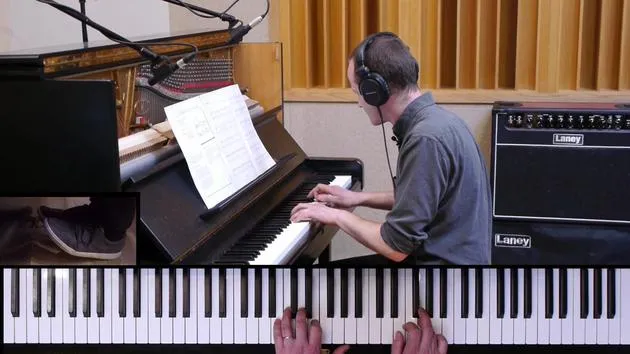
04. The Faith Divide, Simon Troup (interpretación)
1:31
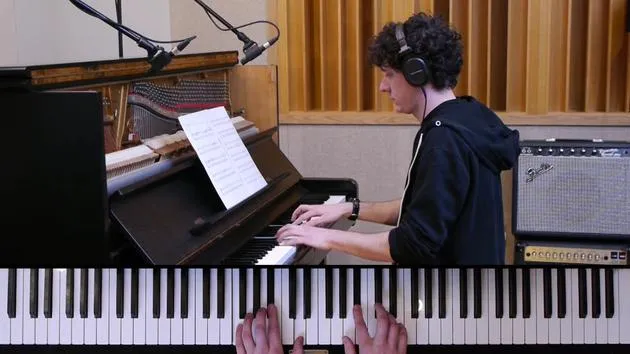
05. Ska'd For Life, Kit Morgan (Interpretación)
1:34
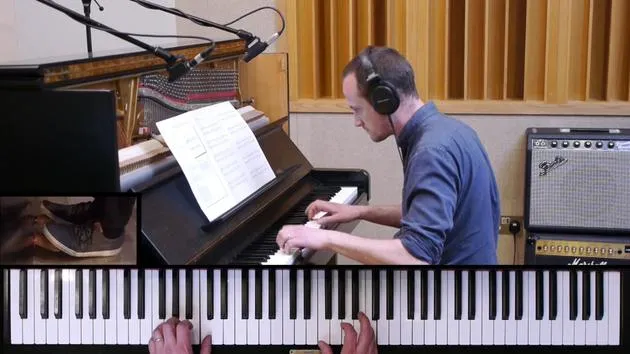
06. Hit It Harder, Stuart Ryan (Interpretación)
1:29
01. Lectura a primera vista con el método "KAT TRAP"
Estás aquí9:04
Transcripción de la lección
Sight Reading: A Key Skill for Pianists
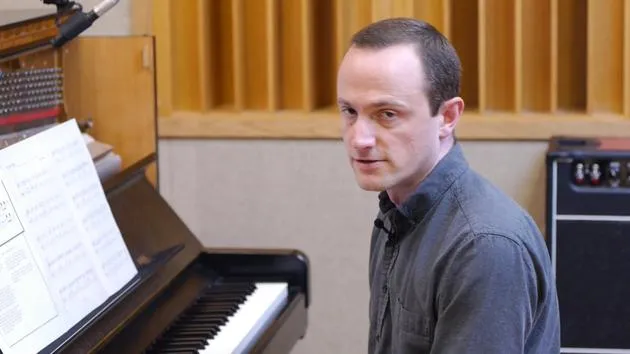
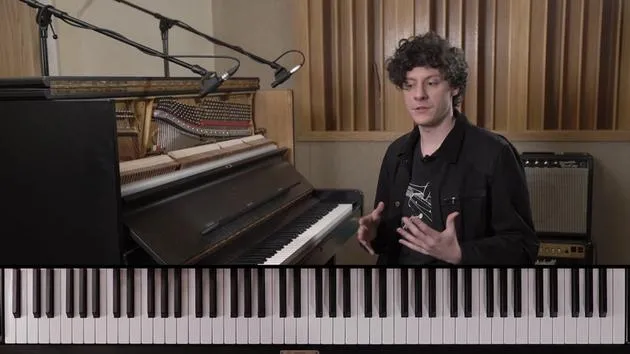
Hey guys, it's James here. I'm going to talk to you briefly about sight reading, which is a part of the Rock School exams and also a very important part of being a performing pianist.
Why Sight Reading is Important
Pianists, often in the rock, pop, jazz, and funk worlds, don't necessarily have as good sight reading skills as our classical music counterparts. However, even though a lot of the music we play is very aural-based and relies on our ears, it's crucial to develop good sight reading skills.
Essential for Various Musical Careers
- Music Theatre: If you want to go into the music theatre world.
- Big Band Music: Reading big band music.
- Session Work: Any work that involves session musicians.
Sight reading is an essential skill that you'll need to use in your daily life. It means when you show up to rehearsals with your bandmates, complex or difficult music can be tackled quickly. The focus shifts from figuring things out to playing and enjoying the music.
Personal Journey with Sight Reading
I came to sight reading quite late and struggled with it at a young age. Looking back, I wish I'd developed these skills much earlier.
Key Takeaway
- You can improve your sight reading at any age.
- The earlier you start in your music development, the more satisfying playing music will be in the future.
Challenges of Piano Sight Reading
The most difficult thing about piano sight reading is that we deal with two staves. This makes it inherently more challenging than sight reading for other instruments because:
- We have chords and different lines happening on each staff.
- There's contrary motion and counterpoint.
The Solution: Take It Slow
- Sight reading is an incremental process.
- Start simply and gradually increase the complexity.
If you're working through the Rock School grades, you'll find each grade presents its own challenges. With practice, you'll eventually find you can sight read almost anything within reason.
The Cat Trap Formula
I've attached a formula in the PDF that you can download. This acronym is called Cat Trap: K A T T R A P. Here are the seven things you need to watch out for when preparing to sight read a piece of music, plus one crucial reminder:
-
Key: Identify the key signature (e.g., F, C, G major, G minor, E minor).
-
Articulation: Look for phrasing in the piece. Are there staccato lines, tenuto lines, or slurs? Often in rock or pop music, these articulations may be left to the performer.
-
Tempo: Determine the speed of the piece. A piece at 50 bpm will sound entirely different from one at 120 bpm. This will affect how you play within the staves.
-
Time Signature: Understand how many beats are in each bar. Common time signatures in rock include 4/4, but don't be surprised to encounter 3/4, 5/4, 7/4, or even more complex signatures.
-
Repeats: Look for repeat signs in the score. It's crucial not to miss these, as they can significantly affect the flow of the piece.
-
Accidentals: Watch for extra sharps or flats in the music that aren't indicated in the key signature. Missing them can alter the tonality and sound.
-
Patterns: Recognize the shapes and patterns in the music. Familiarity with common shapes (like the three-note C major triad) can speed up recognition and execution.
Important Reminder: Don't Panic
The final and most important point is: Don't panic!
Everyone starts somewhere, and it can be challenging at first. With time, you'll develop this essential skill which is crucial for advancing your career as a musician.
A Strategy for Improvement
- Start Gradually: Begin with pieces that are slightly more difficult than what you're comfortable with.
- Practice Regularly: Sight reading is like lifting weights; start off a little heavier than you're used to and gradually build strength and stamina.
Conclusion
Remember Cat Trap:
- Key
- Articulation
- Tempo
- Time Signature
- Repeats
- Accidentals
- Patterns
And most importantly, don't panic! You'll get there with practice.
29 lecciones
1h 37m de lecciones en vídeo estructuradas
Funciones de vídeo avanzadas
Ralentiza, repite un pasaje, sigue la partitura
Móvil, tablet y ordenador
Practica donde quieras
Garantía de satisfacción 100%
30 días de garantía de devolución







