



Arpegios / acordes quebrados - Grado 2
Aprende los arpegios y acordes quebrados del Grado 2: fundamental, tercera, quinta y octava como forma de dos octavas, incluido el arpegio de Si menor con las manos por separado.

Qué incluye el curso
29 lecciones (1h 37m) · 1 gratis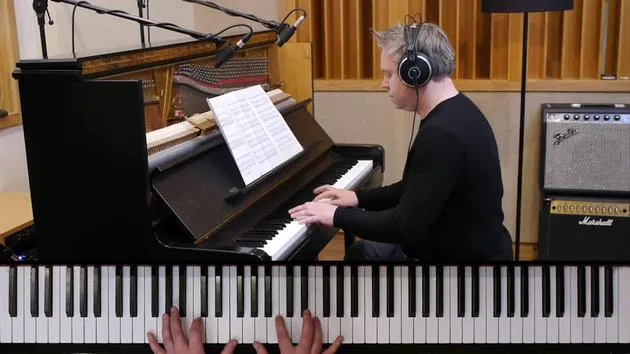
01. The Scientist, Coldplay (Interpretación)
2:13
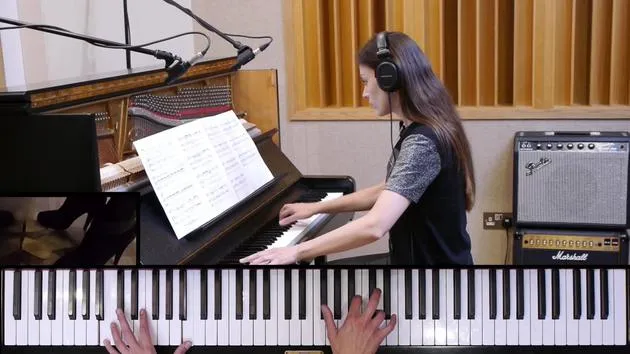
02. Halo, Beyonce (Interpretación)
Lección gratis1:56
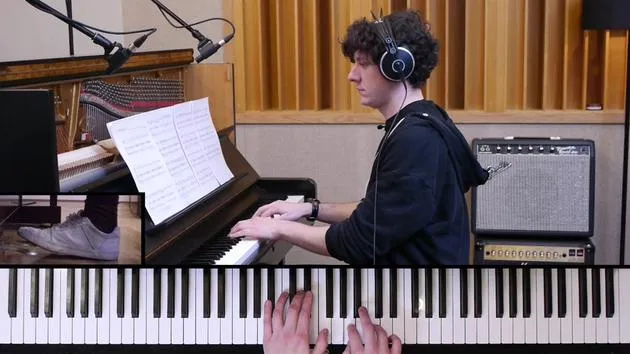
03. Just the Way You Are, Bruno Mars (Interpretación)
1:45
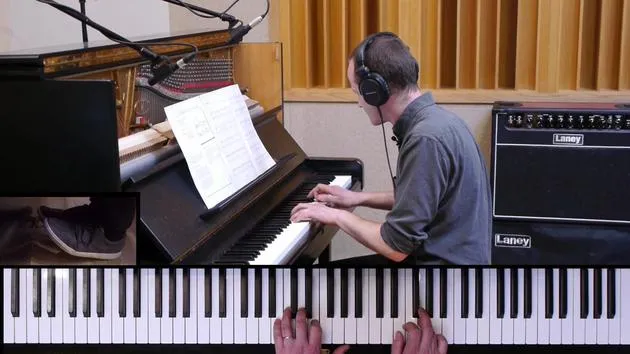
04. The Faith Divide, Simon Troup (interpretación)
1:31
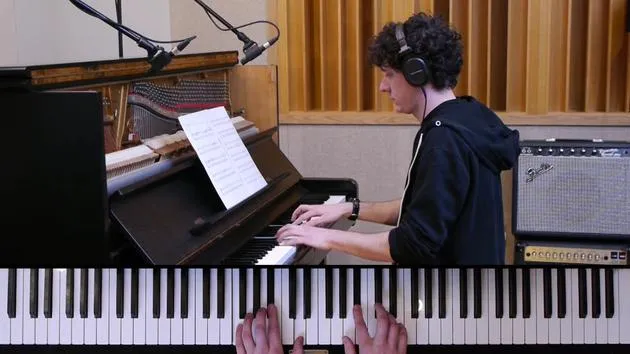
05. Ska'd For Life, Kit Morgan (Interpretación)
1:34
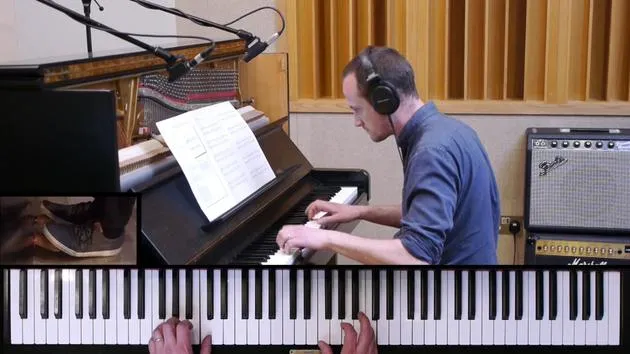
06. Hit It Harder, Stuart Ryan (Interpretación)
1:29

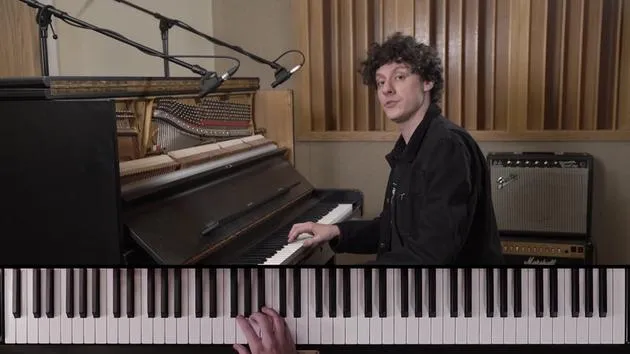
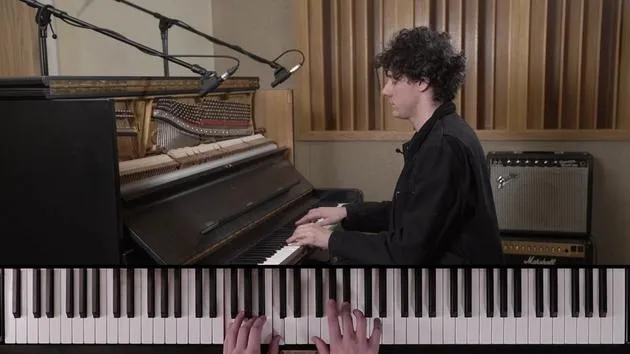
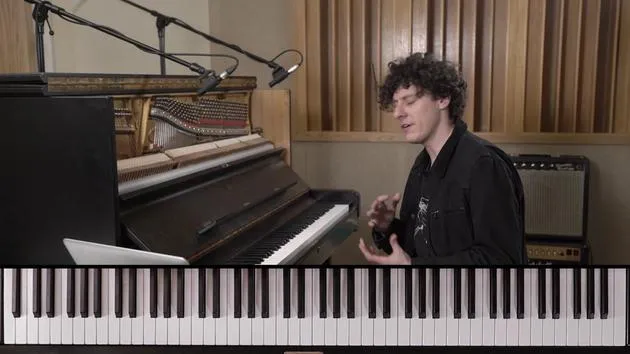
Transcripción de la lección
Understanding Arpeggios
Now, when it comes to arpeggios, if you've done previous grades, you've likely seen that we were using broken chords.
What are Arpeggios?
Arpeggios are similar to broken chords, but we're using:
- The root
- The third
- The fifth
- The octave
We create a two-octave up-and-down scale.
Importance of Arpeggios
Arpeggios are really important because they allow us to cover wide gaps within our fingering scales. The note next door is always there, so it's quite easy to finger and play correctly.
Tip: Sometimes with arpeggios, the leaps can be quite large, particularly when we're going from this fourth in exercise one. There can be a significant gap between some notes if you're not used to it, so just watch out for that.
Major and Minor Arpeggios
The arpeggios are the same for both major and minor, and they are also quite similar.
B Minor Arpeggio
Now, we have a B minor arpeggio, which we're going to play hands separately.
C Dominant Seventh Arpeggio
One of the more interesting arpeggios we have here is number nine: the C dominant seventh.
As we said before, the C Mixolydian is a C7. The arpeggio we're playing here is the same, but the tricky aspect is the fingering.
- Left Hand Fingering:
- 1, 2, 3, 4
- Wrap the thumb over the top to play the next octave.
Challenge: The tricky part is getting the sound tight when we're playing at speed.
Now, I'm going to play the left hand version of C dominant 7.
- Right Hand Fingering:
- Has similar fingering, just the other way around.
- Instead of on normal arpeggios going 5, 3, 2, 1, we're going 5, 4, 3, 2, 1.
Important Difference
This is quite an important difference. If we put the third finger on the third instead of the fourth, we run out of fingers, which could mess up the line.
Final Note: Look out for that dominant seventh. It's a really interesting arpeggio and is the start of many, many more fascinating harmonies which we're going to explore.
29 lecciones
1h 37m de lecciones en vídeo estructuradas
Funciones de vídeo avanzadas
Ralentiza, repite un pasaje, sigue la partitura
Móvil, tablet y ordenador
Practica donde quieras
Garantía de satisfacción 100%
30 días de garantía de devolución







