



Tercer groove - Nueva Orleans
Con
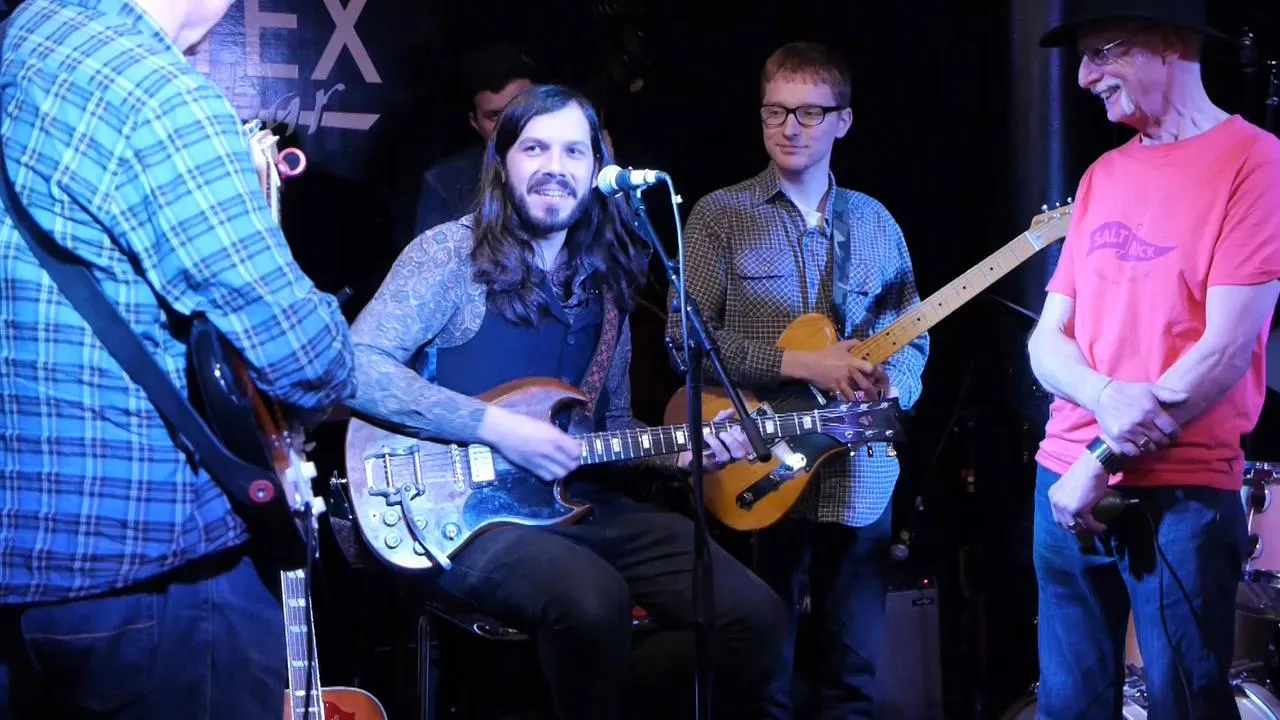
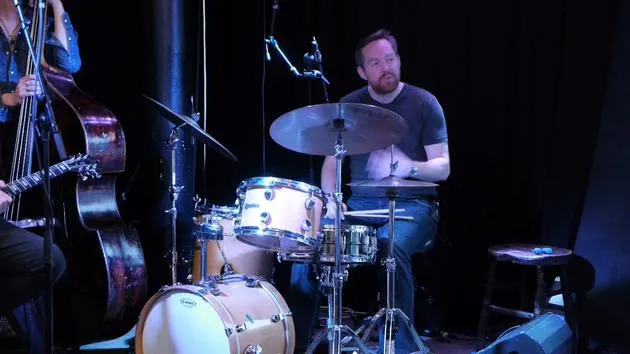
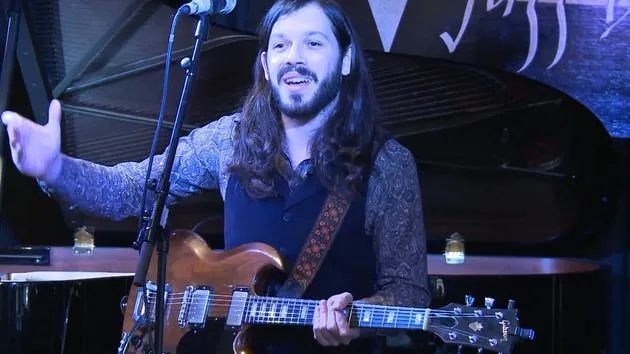
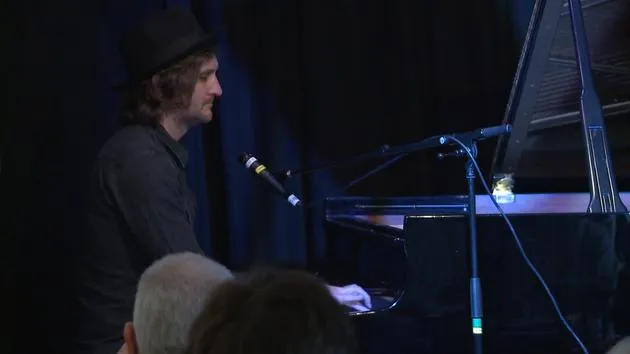
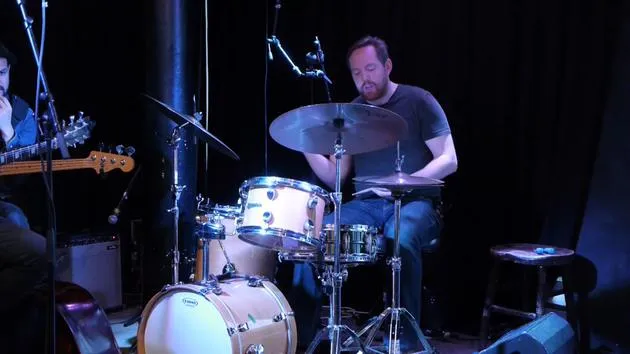
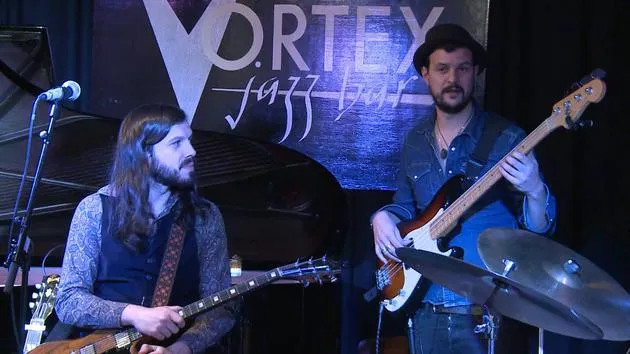
Paddy MilnerLa banda toca «Big Chief», el clásico de Nueva Orleans de Professor Longhair, con Pat guiando un debate sobre el ritmo y el feel característicos de Nueva Orleans, muy distintos del shuffle en 12/8 de lecciones anteriores.
Qué incluye el curso
16 lecciones (2h 45m) · 1 gratis
01. Interpretación de Tom Waits - Way Down In The Hole
3:33

02. Primera banda - interpretación
6:38
03. Primera banda - análisis
17:28
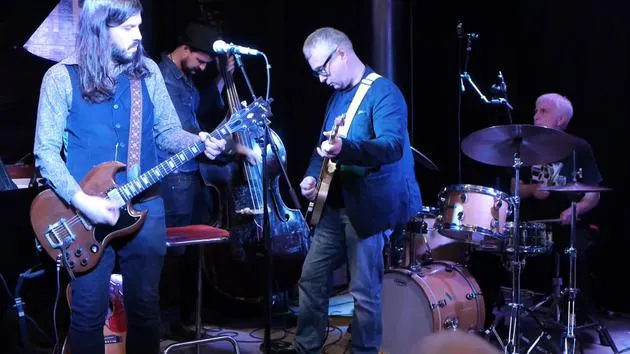
04. Segunda banda - interpretación
3:27
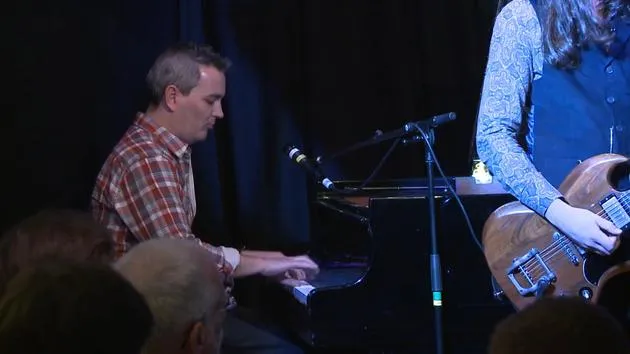
05. Segunda banda - análisis
13:09
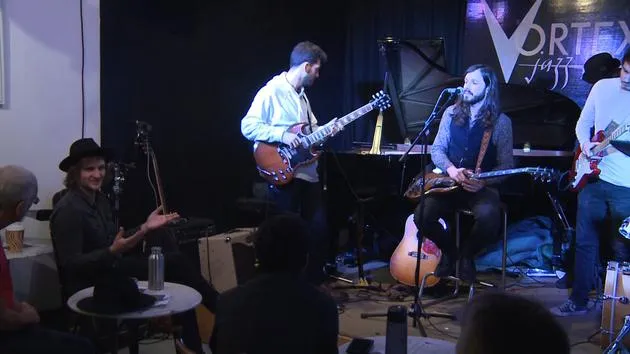
06. Tercera banda - interpretación
7:28
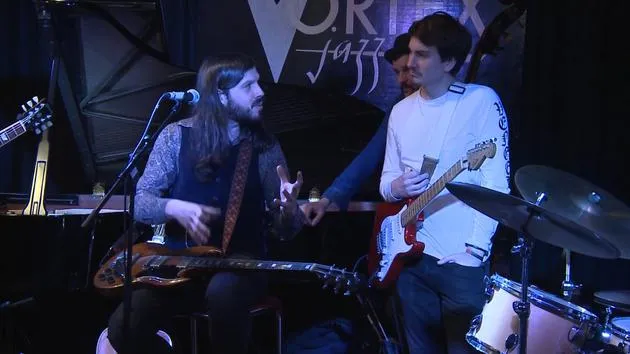
07. Tercera banda - análisis
6:27
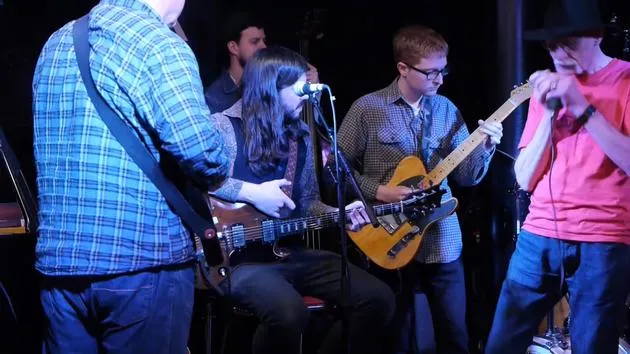
08. Cuarta banda - interpretación
4:37
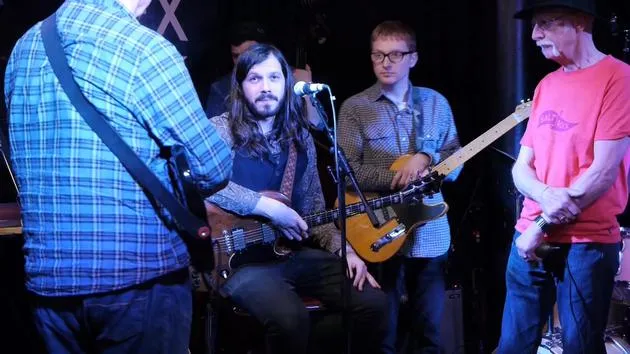
09. Cuarta banda - análisis
4:24
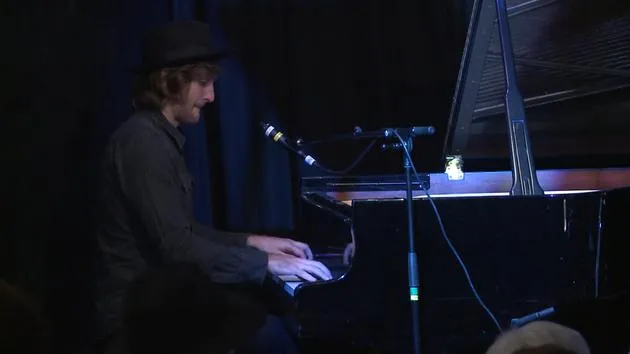
10. Interpretación - Mardi Gras
7:56
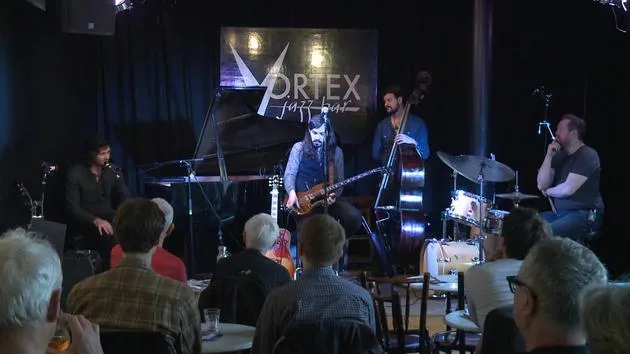
Transcripción de la lección
New Orleans Style Drumming Lesson
Pat is a phenomenal New Orleans style drummer in all its aspects. So, do you want to...? Yeah, I reckon Pat should lead us on something New Orleans-based: Big Chief.
Introduction to "Big Chief"
Does anyone know Big Chief? Anyone else?
Yes! Big Chief is a song by Professor Longhair, sung by Earl King. They had quite a big production on this back. It was early in the 60s, I think, maybe late 50s. It's basically one of those tunes that's like a sort of national anthem in New Orleans.
You'll probably recognize it when we kick off. The reason I picked it is that it's on a blues, and we've all got different parts. We're not actually playing the same thing; each of us has a different role, but it ties together in quite a wonderful way.
So, let's just play it! Kick off with the piano, and then we'll gradually come in. Cool?
Performing "Big Chief"
Are you ready? Let's hang on the one actually:
"Sa got my squad out by my side,
My spot boy just went by.
Matter of fact, boy, I pulled a pile.
Me gonna do everything I could;
We gon' dance till the morning."
Did you all hear the different parts in that? It's quite clear, I suppose. Have you ever played that tune? Anyone ever played that tune before? Even though you might have heard it? So, what did you think? Any thoughts or questions on that tune?
Exploring the Rhythm
I guess you have to be quiet. So, it's coming from a more West African kind of thing.
- The bass drum keeps time like that, but you've got to have that and play against it.
- It's got that more carnival feel to it.
So, it's different from the 12/8, isn't it? Different vibe. It's a bit straighter.
Any other questions on that? But it's not quite straight, is it?
No, the thing is, the misconception about when people say "play something jazzy" or "New Orleans-y" is that they think it means sloppy. So, it's like they'll do something like this:
"Nah, nah."
It's got that in a way, but it also has the snap against it. It's like falling over the stairs and bumping its head every now and again, then righting itself rather than just keep falling over, you know what I mean?
Key Takeaways
I hear quite a few bands that just kind of get it. They have the sloppiness, but immediately they also have the snap back.
- It's about those two things.
- But it doesn't have to be that loud either.
Also, this can apply when you're playing rhythm guitar. So, you sort of get into that elbow just there, you know?
Experimenting with Different Feels
Maybe we could try something on a different feel, a more New Orleans thing. Something like that:
"And we have the..."
How that sort of swung over that.
These are my Bourbon streets. Yeah, Bourbon Street!
This is most definitely the blues.
Understanding the Blues
The blues, I suppose, can mean two things: a feeling or a musical structure. But you'll find that there are many blues on this kind of street parade idea as well.
So, let's try something, but with that back together. Yeah, just briefly.
It's interesting to talk about the attitude in playing it because a lot of people think it's this really laid-back thing. But essentially, it's music that came from the street and it's pretty...well, people needed to be aggressive.
Conclusion
There is an aggression in the streets that came out in the music, and it's the same with jazz as well. People think, "Oh, jazz is light and jazzy." And you know, those crotchets might sound light, but they're really heavy.
Listen to bass players like Ray Brown if you've ever heard of him. Check out Ray Brown if you want to get into crotchets and groove; it's a good place to start.
I don't think there's anyone better, is there? I think for me it just stops there, really. Okay, well, there you go! That's a good place to start.
And there are some videos of him just talking about how he plays a walking bass line with crotchets, and it's heavy. Play along to that, that's an education!
16 lecciones
2h 45m de lecciones en vídeo estructuradas
Funciones de vídeo avanzadas
Ralentiza, repite un pasaje, sigue la partitura
Móvil, tablet y ordenador
Practica donde quieras
Garantía de satisfacción 100%
30 días de garantía de devolución
Conoce a tu gurú
Conoce a tu gurú
Paddy Milner está reconocido como uno de los mejores pianistas de blues del mundo: actualmente es el teclista de confianza de Sir Tom Jones, tras varios años con el gran y ya desaparecido Jack Bruce, pero también es un magnífico compositor original y un cantante con personalidad propia. ¡Basta con leer los elogios de figuras como Dave Brubeck que aparecen más abajo! Su forma de tocar apareció en la banda sonora de la exitosa película de 2019 'Rocketman'.
Ha ganado dos veces el premio al Mejor teclista en los British Blues Awards, y mantiene una residencia de larga trayectoria como miembro fundador de la Ronnie Scott's Blues Explosion en el mundialmente famoso club Ronnie Scott's.
Su grupo actual LONDONOLA toca música británica de cosecha propia con una buena dosis de espíritu de Nueva Orleans, y su grupo colaborativo JAWBONE va de fuerza en fuerza tras la publicación de su álbum de debut homónimo.
- "Me encanta... hay un tipo que sabe tocar de verdad el piano" - Dave Brubeck
- "Lo recomiendo encarecidamente. ¡De algún modo las cosas empiezan a sentirse mucho mejor!" - Jack Bruce
- "El mejor pianista de blues de Europa..." - Blues Access, EE. UU.
- "Impresionante y original" - The Times
- "Deslumbrante" - The Independent
A lo largo de sus cursos, Paddy desglosa el auténtico shuffle de blues, el slow blues, el boogie-woogie, el rock 'n' roll y el piano de Nueva Orleans -incluidas tres canciones clásicas de boogie-woogie- para que aprendas estos estilos de uno de los mejores del oficio.







