



Segunda banda - análisis
Con
Paddy Milner
Qué incluye el curso
16 lecciones (2h 45m) · 1 gratis
01. Interpretación de Tom Waits - Way Down In The Hole
3:33

02. Primera banda - interpretación
6:38
03. Primera banda - análisis
17:28
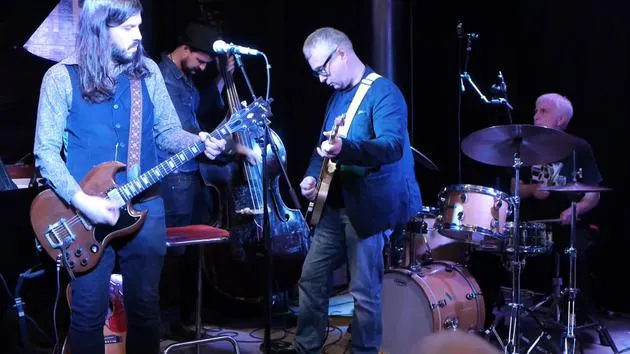
04. Segunda banda - interpretación
3:27
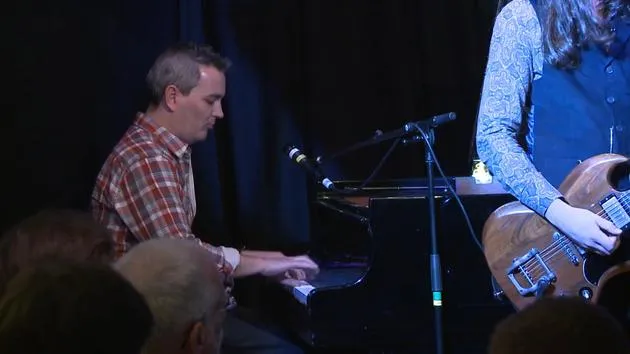
05. Segunda banda - análisis
Estás aquí13:09
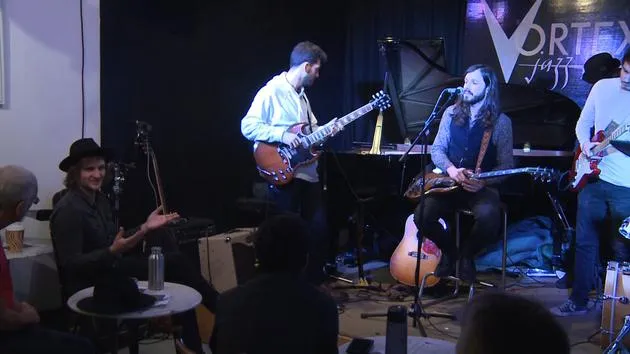
06. Tercera banda - interpretación
7:28
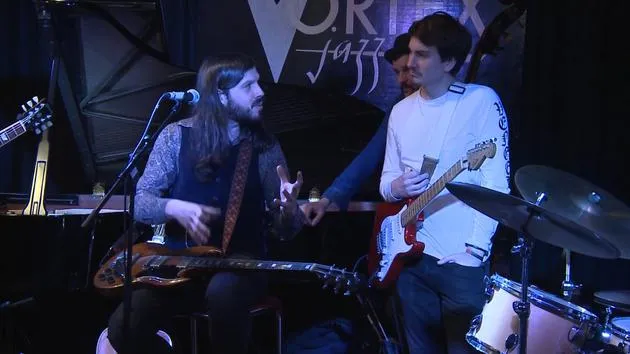
07. Tercera banda - análisis
6:27
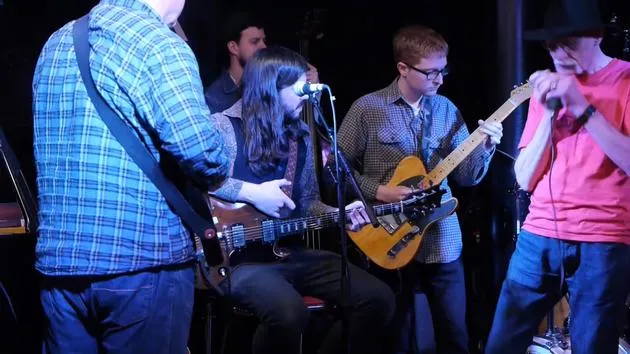
08. Cuarta banda - interpretación
4:37
09. Cuarta banda - análisis
4:24
10. Interpretación - Mardi Gras
7:56

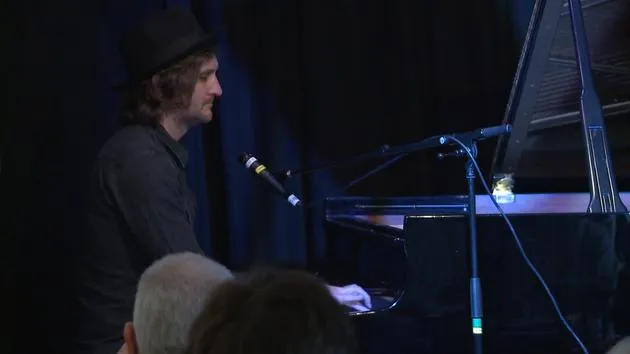
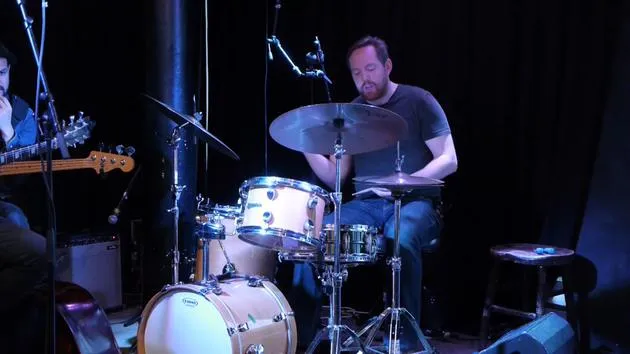

Transcripción de la lección
Music Lesson Feedback
Introduction
"Yeah, nice one. Nice playing. Yeah, nice. That's great. I guess, yeah."
Communication on Stage
-
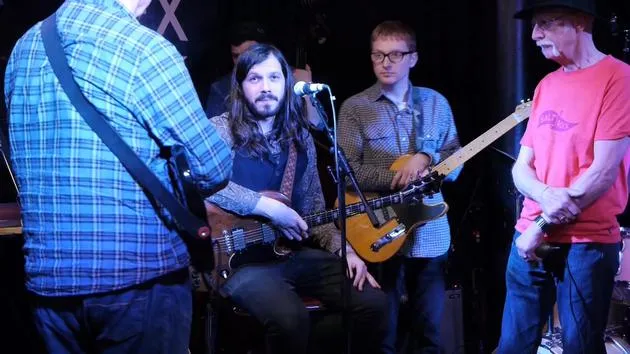
Clear Signals: It's great that you gave Dave a clear nod for his solo, but at the end, I didn't see such a clear signal. I caught the signal, but I was watching and wasn't sure if that was a signal for the ending or if you were going to take another solo.
-
Importance of Clarity: It was just a sort of head-up like "something's going to happen," but I wasn't quite sure. Fred obviously didn't catch the signal, which is why we had the minor car crash. This is cool because we've all been involved in them, and we have a gig tonight where there will be plenty.
-
Ending Signals: A lot of the time we have the hand going up. The hand goes up because I'm used to playing on my own. To fill everything in, I don't have a free hand. However, when you are playing with a band, you're able to leave some of that space.
Suggestions for Improvement
-
Be More Clear: It's important to be a bit clearer, especially with the ending signals.
-
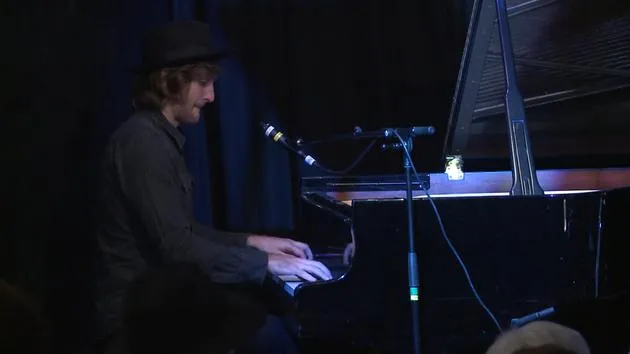
Playing Style Considerations: When playing this shuffle blues style, the piano does carry on. There is a left-hand thing that runs through it, but don't be afraid to take your hand off at the end of the tune for a couple of beats. It won't lose too much.
-
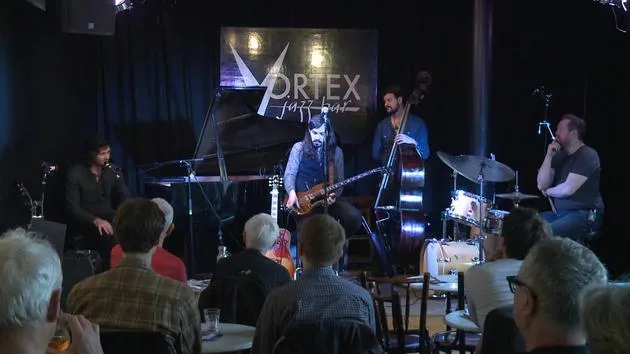
Stage Awareness: On a stage where it's not easy to see everyone, communication matters. On a big stage, you could be at the front, and everyone's eyes are on you, but if you're in the corner, you need to compensate a little bit.
Personal Experience
"I used to play in a zydeco band that had a lot of accordion because the accordion player liked to play all the way to the end."
-
At the end of every tune, he would do a massive kick, like John Cleese, to indicate the end. It happened about 17 times in the evening, but it helped clarify the signal.
-
Ending Dynamics: A big clear signal is what you need. There's nothing worse than ending wrong. If you end badly, the audience doesn't have their cue to clap, but if you go "bosh," then they know they're in.
Dynamics and Volume
-
Starting Dynamics: There's an interesting dynamic that I felt. You started playing hard from the top when you brought it in. That's cool if that's the vibe, but if you start really hard, then how can you pull back later?
-
Self-Mixing: If you go in loud, someone might think they should match that volume, which can lead to issues. Pat was saying something about self-mixing because when someone solos, or you're going to solo, if you're already up here in volume, it can be tough.
-
Adjust Volume as Needed: It might help to start a bit lighter so you can build up. This can be a nervous situation, and you may not normally do this.
Performance Reflection
-
Introduction Clarity: That introduction was totally crystal clear. It might have been good just to say, "I'll do four bars, guys," to avoid confusion if someone jumps in.
-
Facing the Audience: It's helpful to face the audience while playing a guitar solo to send a clearer message.
Solo Performance
-
Great Questions and Answers: Your solo was great, well-structured and had form.
-
Rhythmic Locking: Pay attention to locking into the underlying feel, especially that 12/8 shuffle. Avoid rushing through phrases; take your time and really sit on the groove.
Jam Sessions
-
New Musicians: It's always challenging in jam sessions because you're not aware of how others will play. Your rhythm section choice is crucial; focus on the relationship with the drums.
-
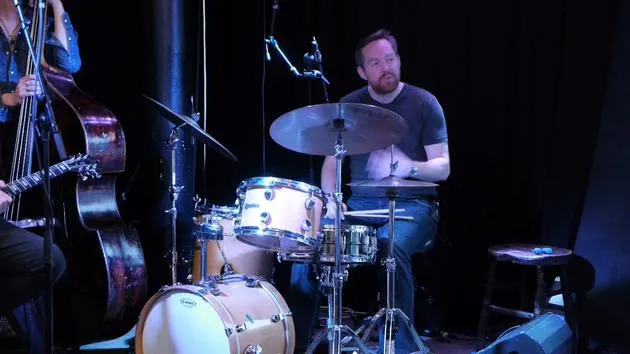
Listening and Matching: Everything you play should complement the drums. Listen to where the drums are at and make sure your part matches that.
Final Thoughts
"With all this information now, we want to hear it all in practice, boys!"
-
Stick with the same guitar part and jump in with Fred. It was nice to hear the balance in that performance.
-
Solo Development: Fred, great job on developing your solo toward the high bit at the end. It added a nice dynamic.
-
Last Solo Excitement: In your last solo, staying up could have added even more excitement. Don't be afraid to hold on to one idea for a bit longer.
"Fantastic, guys. Should we do a couple more? Let's hear it!"
- Conclusion: "Round of applause for these boys, though. Come on now!"
16 lecciones
2h 45m de lecciones en vídeo estructuradas
Funciones de vídeo avanzadas
Ralentiza, repite un pasaje, sigue la partitura
Móvil, tablet y ordenador
Practica donde quieras
Garantía de satisfacción 100%
30 días de garantía de devolución
Conoce a tu gurú
Conoce a tu gurú
Paddy Milner está reconocido como uno de los mejores pianistas de blues del mundo: actualmente es el teclista de confianza de Sir Tom Jones, tras varios años con el gran y ya desaparecido Jack Bruce, pero también es un magnífico compositor original y un cantante con personalidad propia. ¡Basta con leer los elogios de figuras como Dave Brubeck que aparecen más abajo! Su forma de tocar apareció en la banda sonora de la exitosa película de 2019 'Rocketman'.
Ha ganado dos veces el premio al Mejor teclista en los British Blues Awards, y mantiene una residencia de larga trayectoria como miembro fundador de la Ronnie Scott's Blues Explosion en el mundialmente famoso club Ronnie Scott's.
Su grupo actual LONDONOLA toca música británica de cosecha propia con una buena dosis de espíritu de Nueva Orleans, y su grupo colaborativo JAWBONE va de fuerza en fuerza tras la publicación de su álbum de debut homónimo.
- "Me encanta... hay un tipo que sabe tocar de verdad el piano" - Dave Brubeck
- "Lo recomiendo encarecidamente. ¡De algún modo las cosas empiezan a sentirse mucho mejor!" - Jack Bruce
- "El mejor pianista de blues de Europa..." - Blues Access, EE. UU.
- "Impresionante y original" - The Times
- "Deslumbrante" - The Independent
A lo largo de sus cursos, Paddy desglosa el auténtico shuffle de blues, el slow blues, el boogie-woogie, el rock 'n' roll y el piano de Nueva Orleans -incluidas tres canciones clásicas de boogie-woogie- para que aprendas estos estilos de uno de los mejores del oficio.







