



Tu cuerpo como herramienta

Con
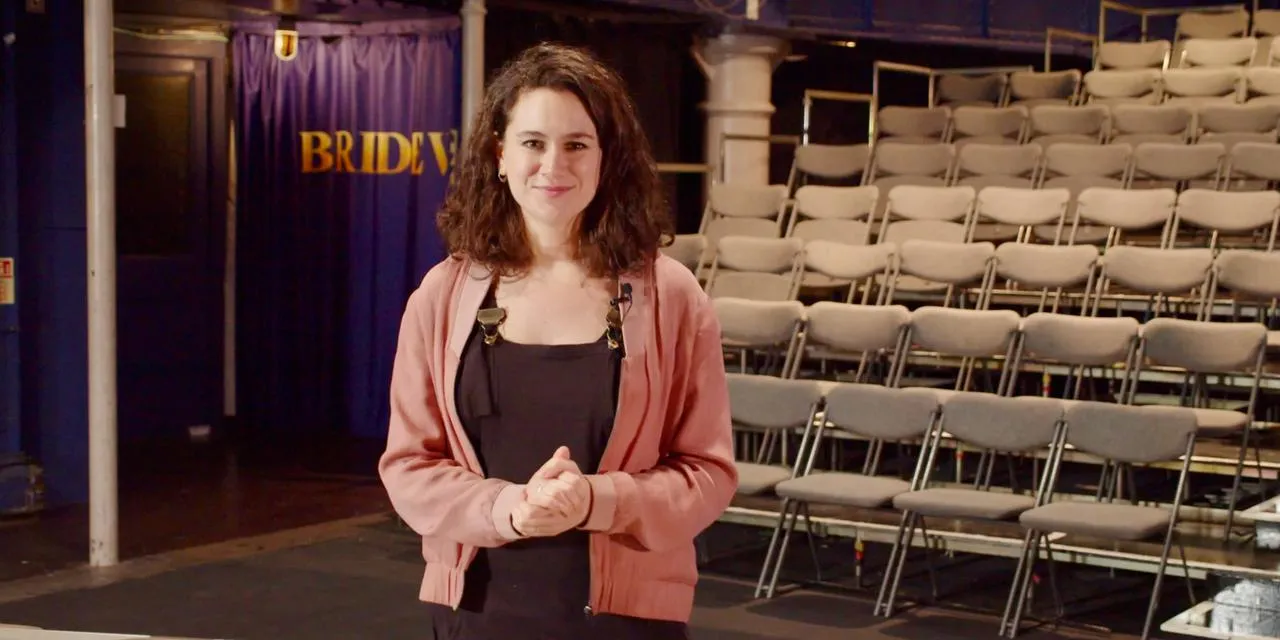
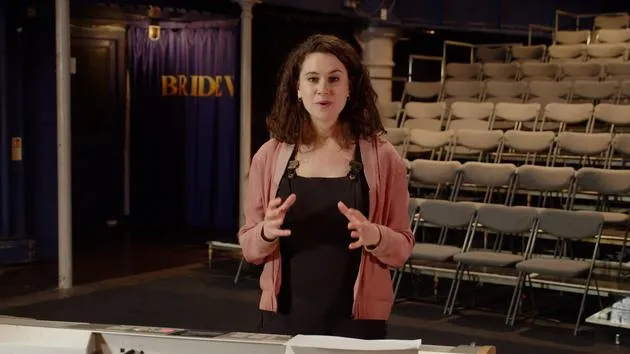
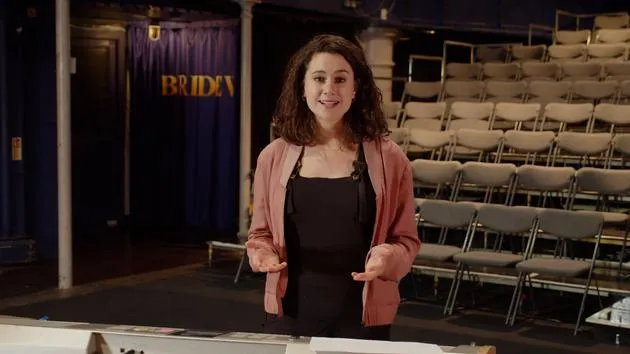
Rachel LynesRachel Lynes muestra cómo conectar tu cuerpo y tu expresión física favorece el canto, especialmente en las notas grandes, usando una frase de 'Funny Girl'.
 Parte del cursoAprende canto de teatro musical con una coach vocal del West End18 lecciones (1h 25m)Tu gurúRachel Lynes
Qué incluye el curso
18 lecciones (1h 25m) · 1 gratis
Transcripción de la lección
Exploring Body Connection in Singing
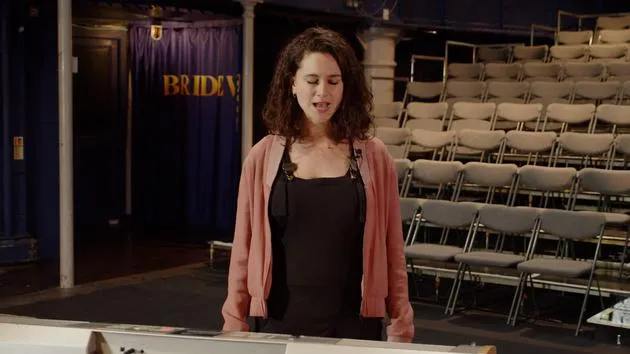
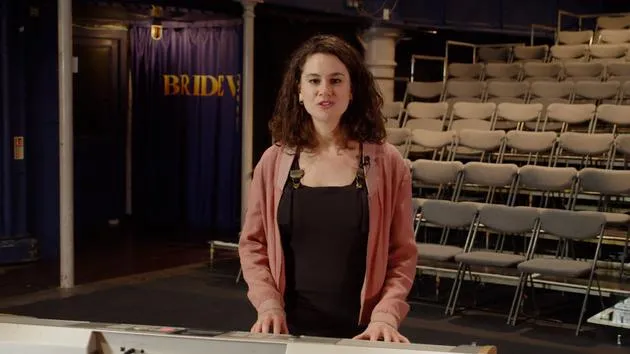
In this lesson, we are going to look at how connecting your body or expressing a story through your body can help your singing. All right? And this is going to especially help support your connection to those big notes.
Song Selection
We're going to use a phrase from the musical Funny Girl, one that you may know well. You might even recognize this little vampire!
Lyrics:
"Don't tell me not to live. Just sit and putter.
Life's candy and the sun's a bowl of butter."
Initial Exercise
Before you start, try the phrase without connecting your body at all. Maybe just collapse. Cross your arms. In fact, I'll do it with you here.
- Cross your arms.
- Lean in.
- Sing your best while slumping inwards and letting your ribs collapse.
Let's feel what we don't want to do:
"Chin down."
Now try singing:
"Don't tell me not to live, just sit and putter.
Life's candy and the sun's a bowl of butter."
It's quite hard to get the energy, isn't it?
Building Body Connection
Now let's build this up:
- Stand with two feet firmly on the floor.
- Try singing:
"Don't tell me not to live, just sit and putter.
Life's candy and the sun's a bowl of butter."
Engage Your Body
Just for fun, try bending your knees a little to feel more connection.
- Bend your knees as you sing:
"Don't tell me not to live, just sit and putter.
Life's candy and the sun's a bowl of butter."
Now let's increase the connection a bit more:
- Start to feel your core engage with the breath and the song.
- Push your hands away, imagining you have some kind of resistance there.
Use your hands in your performance:
"Don't tell me not to live, just sit and putter.
Life's candy and the sun's a bowl of butter."
Open Your Body
Take your hands slightly outward:
- If your hands come inwards, you might collapse your rib cage, which can create too much pressure on your tiny vocal folds.
Let's try it again, one more time:
"Don't tell me not to live, just sit and putter."
"Life's candy and the sun's a bowl of butter."
Strong Body Connection
Keep using this nice, strong body pressing against the floor. Feel the resistance when you press against the floor and note how your core engages while keeping your chest open.
Imagine that if someone couldn't hear you, they would still know you were saying:
"Do not tell me what to do."
Let's try it again:
"Don't tell me not to live, just sit and putter.
Life's candy and the sun's a bowl of butter."
Reflection on Technique
How did that feel? Did it feel stronger?
- Keep pressing through those long vowels.
- Let's take it up:
"Don't tell me not to live, just sit and putter.
Life's candy and the sun's a bowl of butter."
Understanding the Benefits
Now, bear in mind there are always multiple reasons why this might have helped you. It's important to understand those reasons so that you can transfer them into your singing.
Remember:
- If something worked for you, ask why.
- Perhaps having your arms up helped prevent your ribs from collapsing.
- Consider if that feeling of resistance engaged your core.
Adapting for Performance
Can you do something smaller in your performance? You don't need to do the full body movement but can retain that feeling of openness and strength.
Explore Other Physicality:
- Try star jumps to release tension.
- Run on the spot.
- Position yourself in a semi-supine position (lying on your back with your knees up and head on the floor) while singing.
Conclusion
Play around with movement and ask if it worked; then see if you can transfer what you loved into your song.
Practice and enjoy the journey!
18 lecciones
1h 25m de lecciones en vídeo estructuradas
Funciones de vídeo avanzadas
Ralentiza, repite un pasaje, sigue la partitura
Móvil, tablet y ordenador
Practica donde quieras
Garantía de satisfacción 100%
30 días de garantía de devolución
Conoce a tu gurú
Conoce a tu gurú
Rachel Lynes trabaja con cantantes que van desde artistas de grabación hasta intérpretes del West End. Lleva más de 20 años estudiando la voz, con especial atención a la conexión entre el canto, la salud mental y el bienestar. Como intérprete, pasó 10 años interpretando papeles protagonistas en el West End y a nivel internacional, trabajando con todo tipo de figuras, desde Andrew Lloyd Webber hasta creativos galardonados con los premios Tony y Olivier.
Apodada cariñosamente "la susurradora de voces" por los cantantes con los que trabaja, el enfoque de Rachel es rigurosamente técnico y a la vez accesible, combinando la ciencia con el corazón.
También es fundadora y coach de the Sing Space, un estudio global en línea abierto a cantantes de todos los niveles y hogar del primer Vocal Gym™ del mundo, que ofrece clases en grupo, clases de canto individuales y oportunidades exclusivas de actuar ante algunos de los creativos más destacados de la industria, incluidos directores de casting, directores, productores y estrellas del West End.
En su curso de MusicGurus, Rachel aplica ese mismo método técnico pero humano al canto de teatro musical, guiándote a través de las mismas técnicas que emplea con los intérpretes del West End.







