



Tensión en la mandíbula
Con
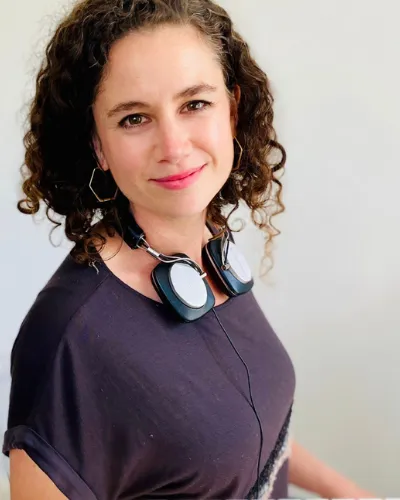
Rachel LynesRachel Lynes aborda la tensión en la mandíbula: por qué limita la laringe y un sencillo ejercicio de apretar y soltar para encontrar una mandíbula relajada y libre para cantar.
 Parte del cursoAprende canto de teatro musical con una coach vocal del West End18 lecciones (1h 25m)Tu gurúRachel Lynes
Qué incluye el curso
18 lecciones (1h 25m) · 1 gratis
Transcripción de la lección
Understanding Jaw Tension in Singing
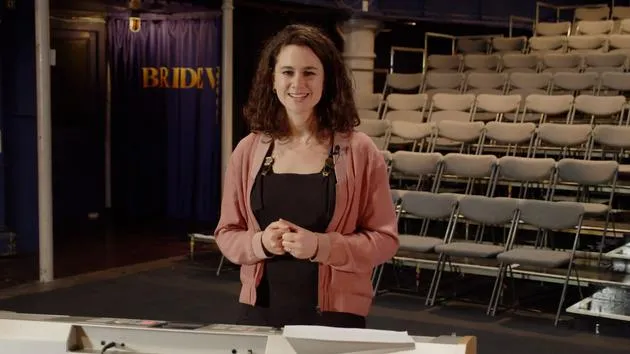
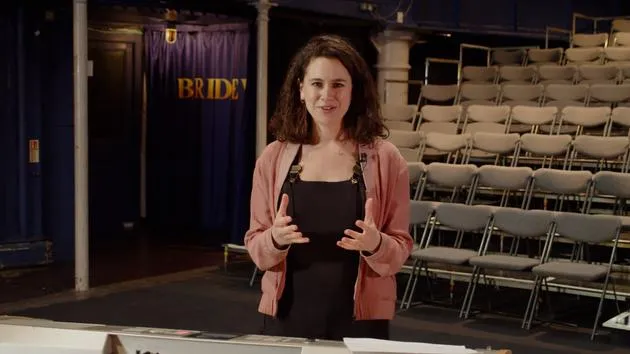
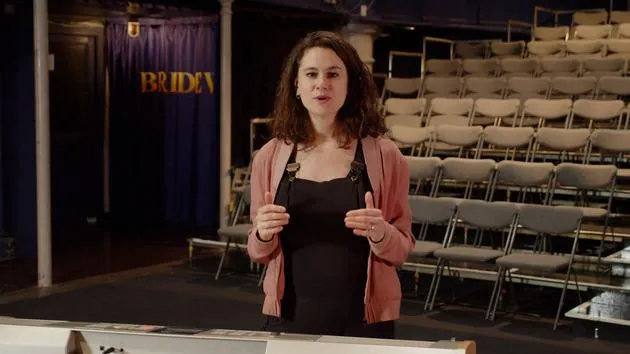
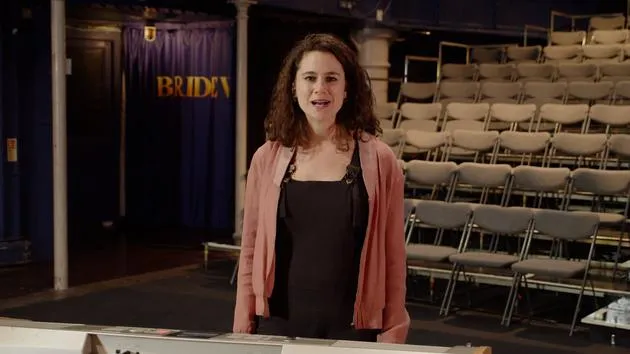
I want to take a moment now to talk about jaw tension with you. This is a topic very dear to my heart. If I grant singers one wish, I think it would be to remove all jaw tension. Why? Just because so many of the muscles that surround your instrument, your larynx, connect to the jaw.
Experiencing Jaw Tension
So before we start, let's see if we can just go do what we don't want to do.
-
Clench Your Jaw:
- Have a nice clench here.
- Refill that bulging, that bulging.
- Feel those bitey muscles here clenching.
-
Notice the Effect on Your Voice:
- It's not going to look good.
- Actually, your jaw muscles are not just here; they're everywhere.
- Even up here, if you clench, can you feel your temples going?
Finding Relaxation
Now, I want you to do the opposite:
- Open Wide:
- Aha!
- Then clench again.
- And then open really wide.
- Clench again.
Next, find a place that is in between:
- Let go of your clench but haven't started to open up yet.
- You can see I'm just kind of stroking downwards through the muscle fibers, just relaxing things.
Imagine closing your eyes as if you've just fallen asleep on the train, and your jaw has just dropped into that nice release position.
Freeing the Larynx
We want to do this so that your larynx is free to move as it wants to move. Thus, we want to get the jaw out of the equation.
Gentle Singing Exercise
We're going to have a play around with a nice, gentle exercise:
- You are going to sing "oh no".
- Keep your face nice and neutral as if you're not singing.
- Pretend like you're not singing.
Try this:
- "O no, Oh no."
That's much too low! Let's take it up and just try again. Keep your face really still.
Optional: Look in the mirror if you want. The aim is not to freeze anything; it's to sing in a really bored way.
- You can have bored eyes as well.
- Sing: "Oh no, oh no."
- Stay nice and relaxed.
Sighing and Moving
We just want to chill out here:
- "Oh no, oh no."
On that first note, don't feel the urge to do. Just sigh it out like we did in the warm-up:
- One, two, three ? "Oh no, oh no."
Moving up, stay nice and bored:
- "I'm so bored? Oh no, oh no."
As the urge to do starts to come, I want you to wiggle it around:
- "O no, oh no."
You might feel like you want to do something since it's getting higher. So keep it moving.
Final One:
- "Oh no, oh no."
That's it! You can try this with your song, using your lyrics. You'll see that you can still sound pretty normal when you move your jaw around.
Remember: The jaw is not making the sound; the jaw is just shaping the sound.
18 lecciones
1h 25m de lecciones en vídeo estructuradas
Funciones de vídeo avanzadas
Ralentiza, repite un pasaje, sigue la partitura
Móvil, tablet y ordenador
Practica donde quieras
Garantía de satisfacción 100%
30 días de garantía de devolución
Conoce a tu gurú
Conoce a tu gurú
Rachel Lynes trabaja con cantantes que van desde artistas de grabación hasta intérpretes del West End. Lleva más de 20 años estudiando la voz, con especial atención a la conexión entre el canto, la salud mental y el bienestar. Como intérprete, pasó 10 años interpretando papeles protagonistas en el West End y a nivel internacional, trabajando con todo tipo de figuras, desde Andrew Lloyd Webber hasta creativos galardonados con los premios Tony y Olivier.
Apodada cariñosamente "la susurradora de voces" por los cantantes con los que trabaja, el enfoque de Rachel es rigurosamente técnico y a la vez accesible, combinando la ciencia con el corazón.
También es fundadora y coach de the Sing Space, un estudio global en línea abierto a cantantes de todos los niveles y hogar del primer Vocal Gym™ del mundo, que ofrece clases en grupo, clases de canto individuales y oportunidades exclusivas de actuar ante algunos de los creativos más destacados de la industria, incluidos directores de casting, directores, productores y estrellas del West End.
En su curso de MusicGurus, Rachel aplica ese mismo método técnico pero humano al canto de teatro musical, guiándote a través de las mismas técnicas que emplea con los intérpretes del West End.







